Fine Motor Skills Preschool Alphabet Worksheets - Page 3
58 filtered results
-
From - To
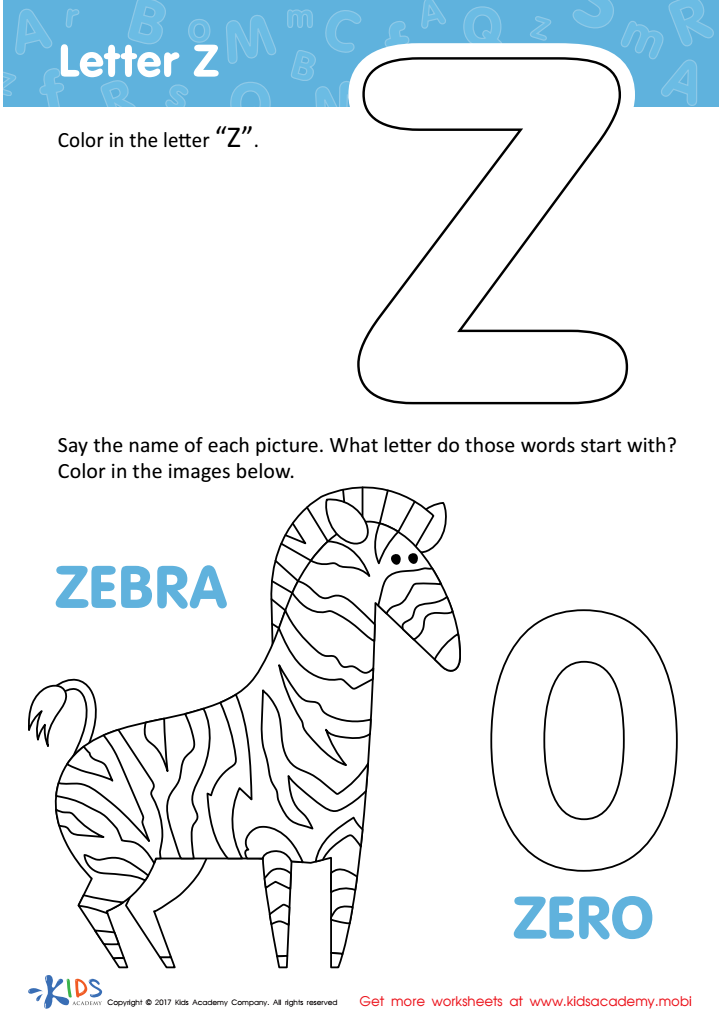
Letter Z Coloring Sheet
 Assign to My Students
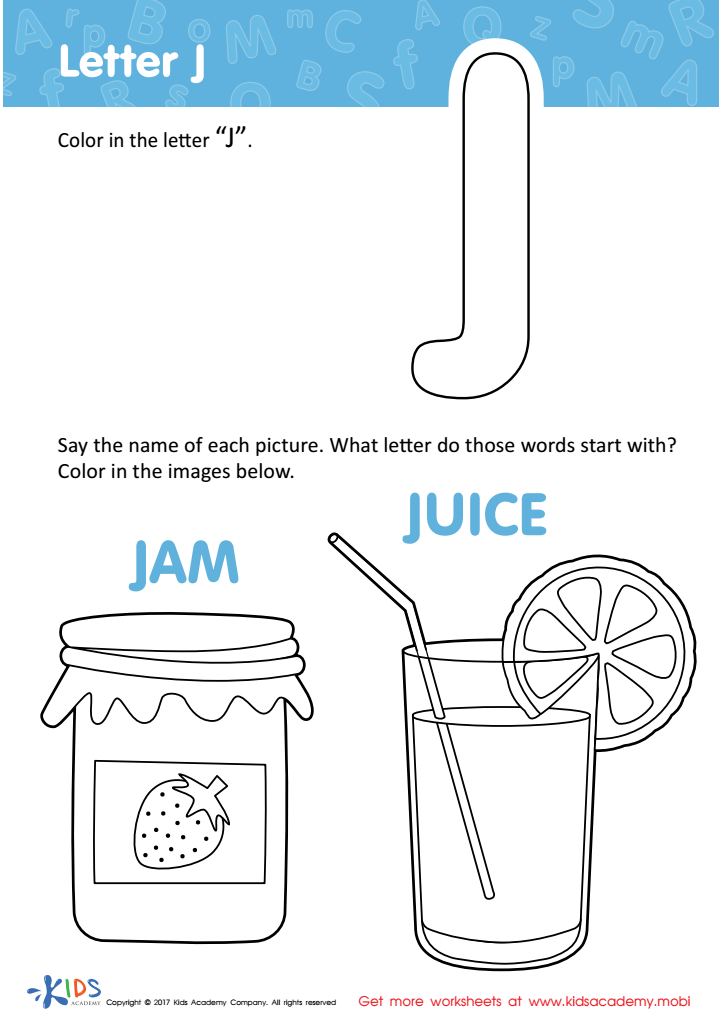
Letter J Coloring Sheet
Assign to My Students
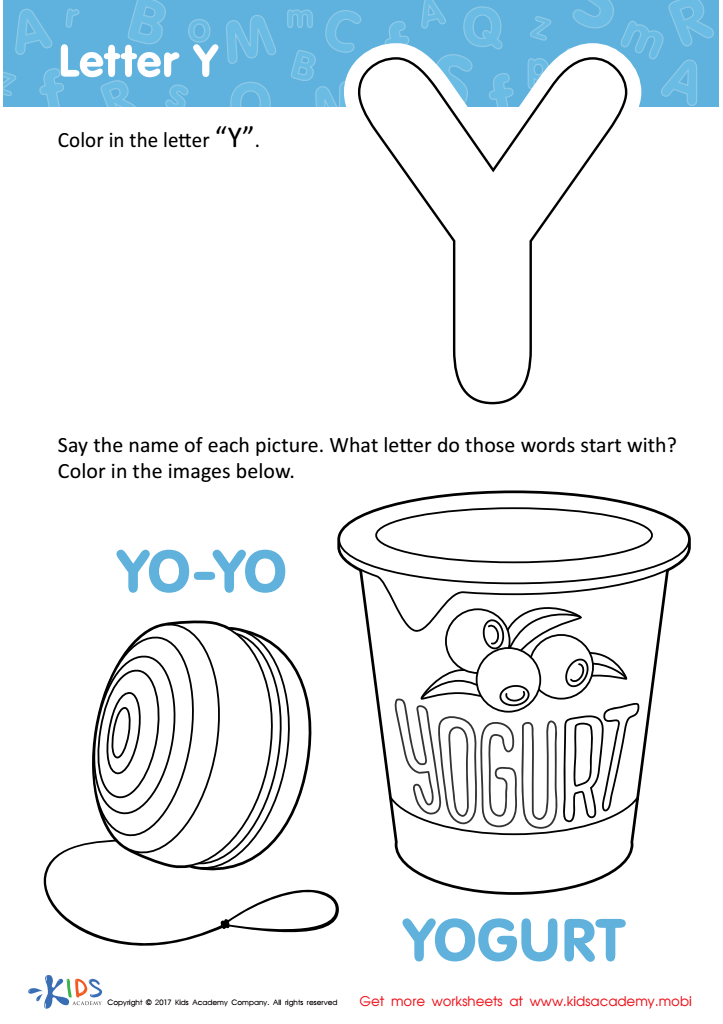
Letter Y Coloring Sheet
Assign to My Students
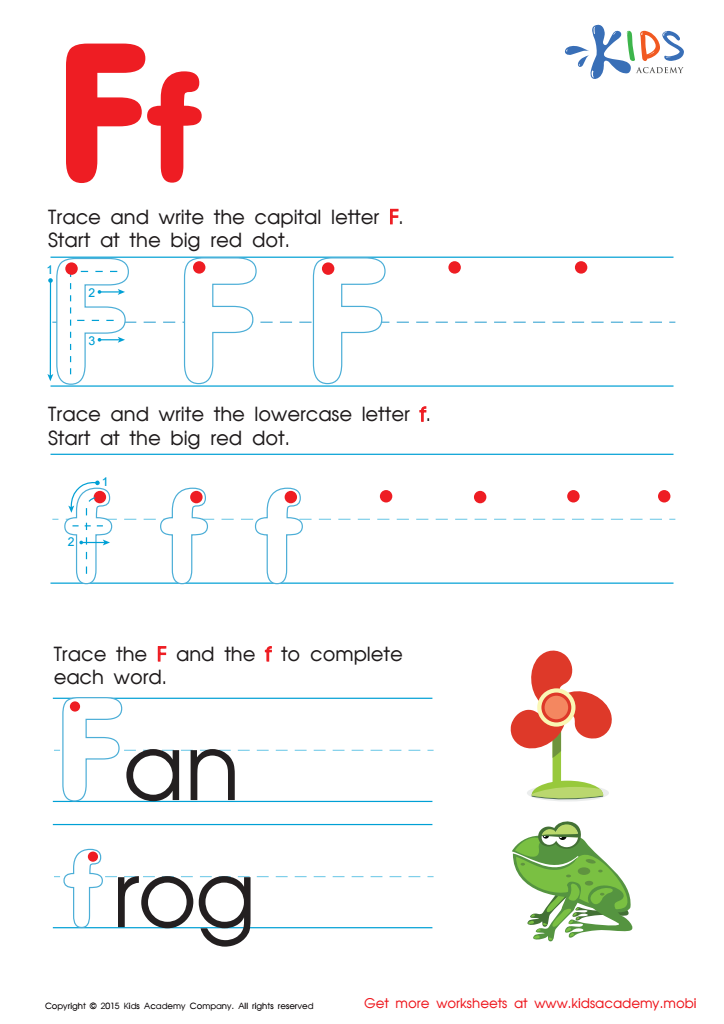
Letter F Tracing Page
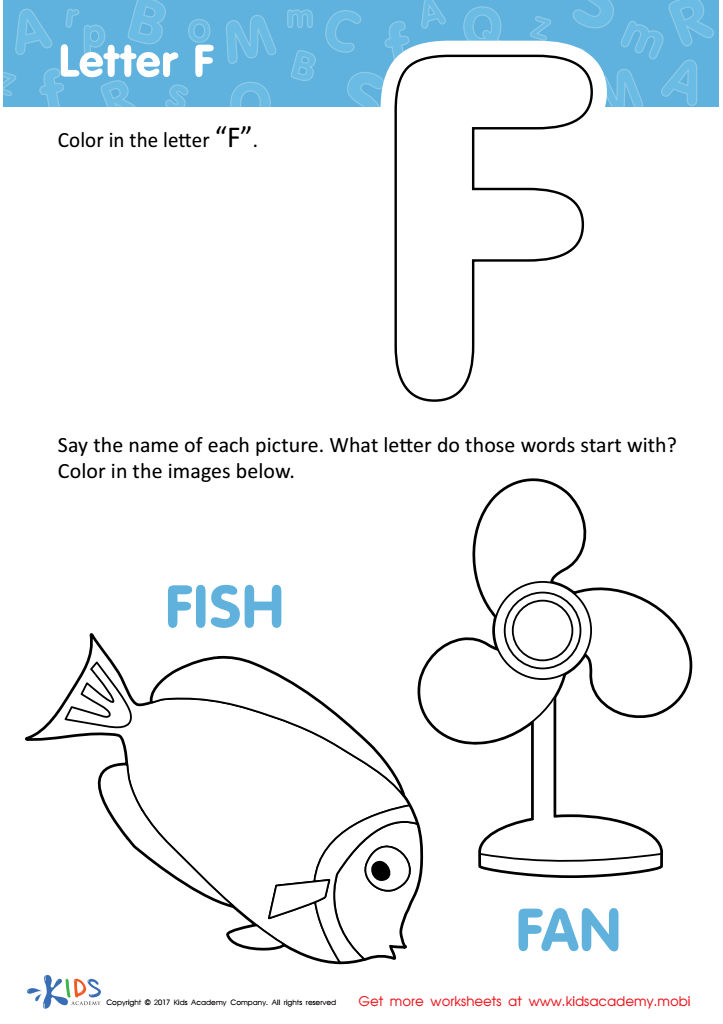
Letter F Coloring Sheet
Assign to My Students
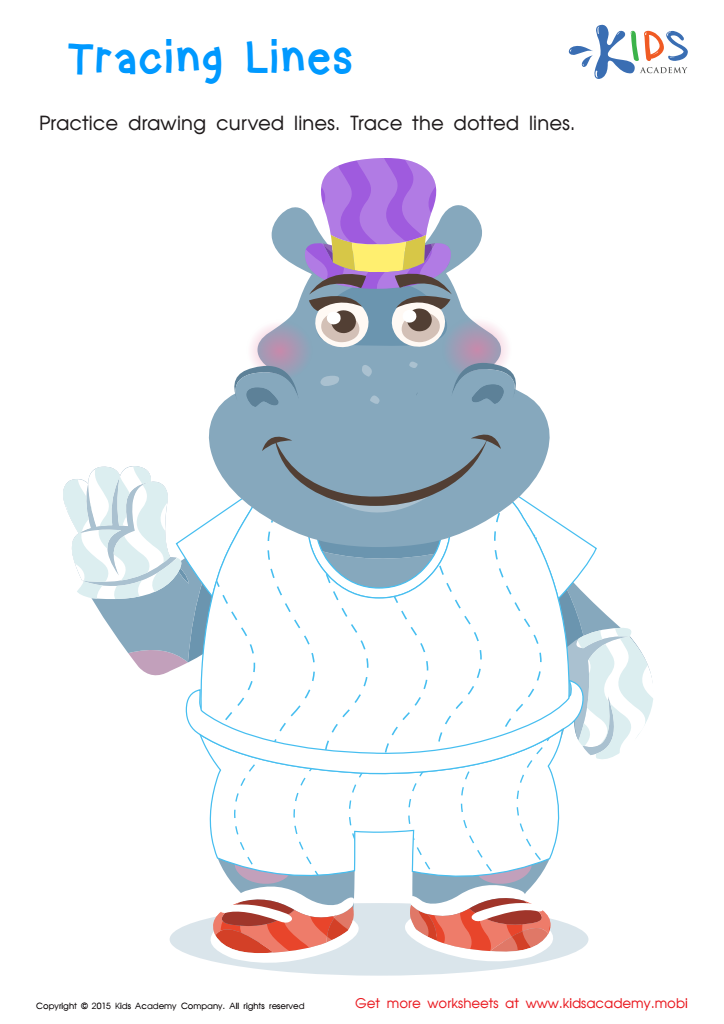
Tracing Lines Worksheet
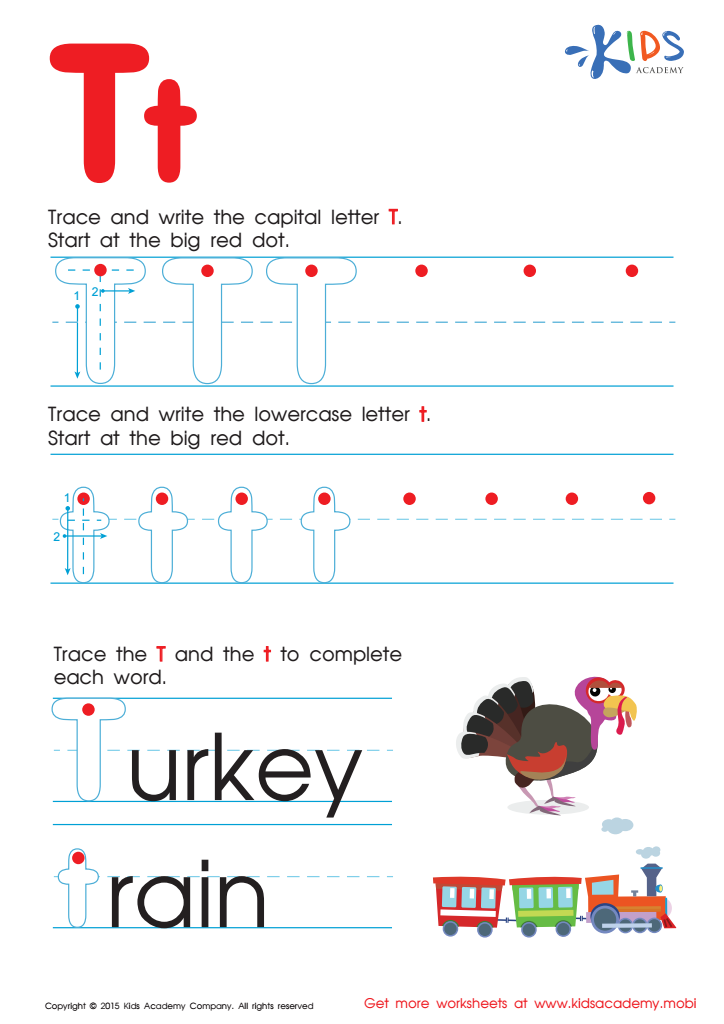
Letter T Tracing Page
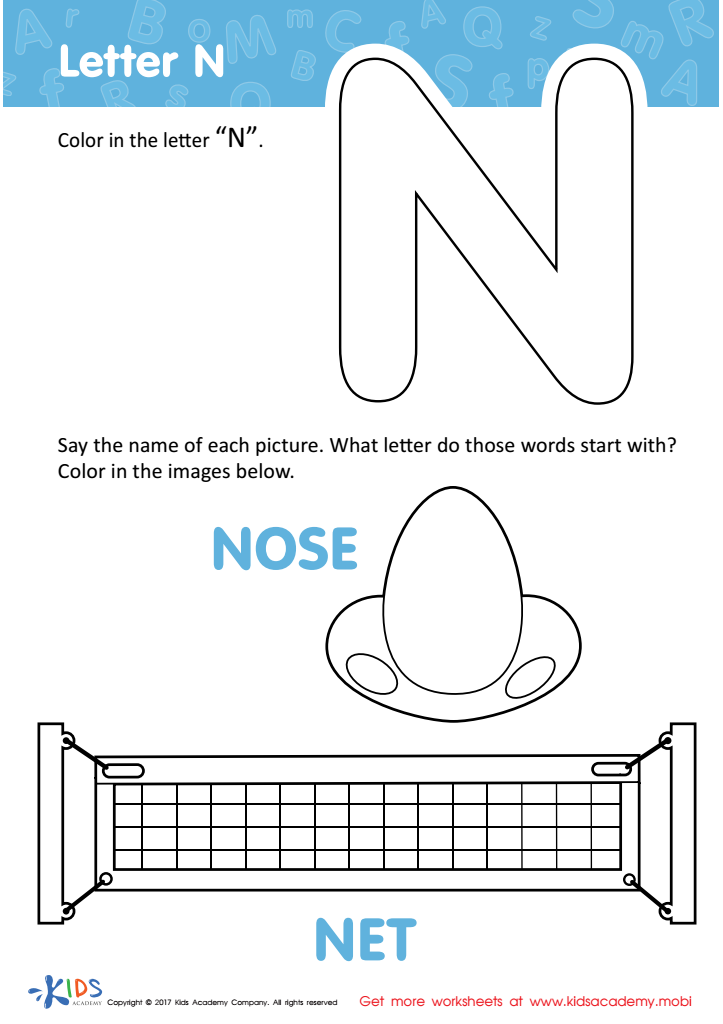
Letter N Coloring Sheet
Assign to My Students

Letter D Tracing Page
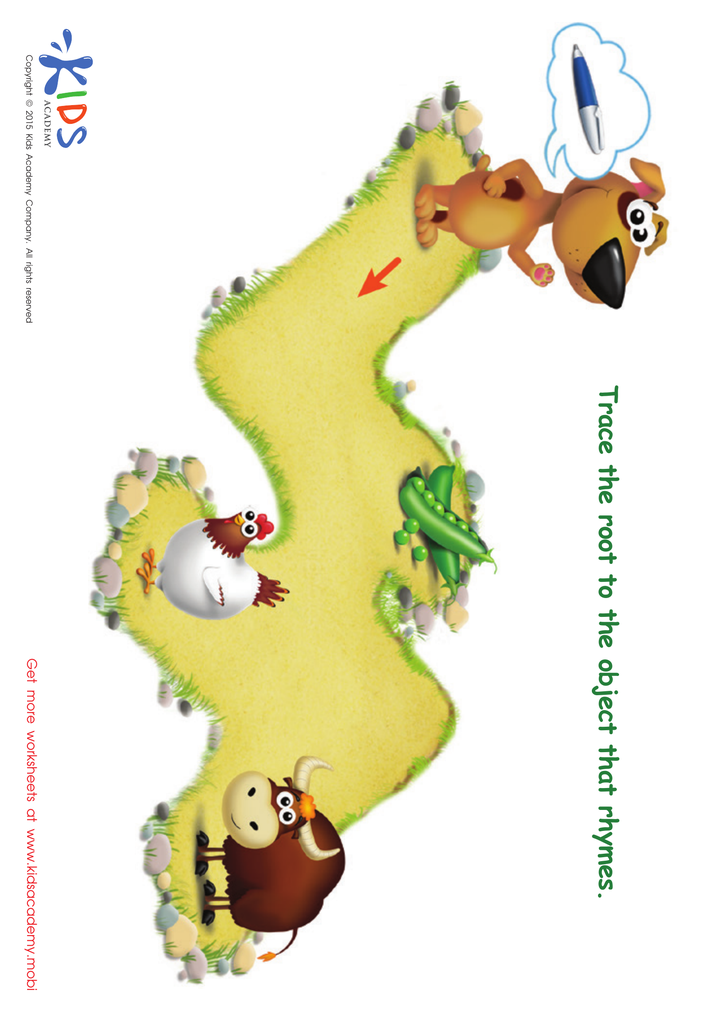
Pen Rhyming Words Worksheet







.jpg)
Fine motor skills are essential for preschoolers as they lay the foundation for academic success and everyday tasks. These skills involve the use of small muscles in the hands and fingers, vital for activities like writing, drawing, and using tools. When children learn the alphabet through fine motor skills—such as tracing letters, manipulating objects, or engaging with hands-on activities—they not only enhance their hand-eye coordination but also improve their cognitive development.
By practicing fine motor skills with the alphabet, children develop important pre-writing skills that contribute to later literacy. Engaging in letter-related activities promotes letter recognition, sound association, and vocabulary building, enabling children to become more confident readers and writers.
For teachers and parents, encouraging activities that improve fine motor skills in conjunction with learning the alphabet can provide a playful, hands-on learning experience. This approach nurtures creativity, patience, and focus in preschoolers, making learning enjoyable and effective.
Moreover, developing fine motor skills can significantly boost a child's self-esteem, as they experience accomplishment through their handiwork. Overall, nurturing these skills early on prepares children for success in school and life, fostering a strong foundation for future learning.