Handwriting practice Preschool Alphabet Worksheets - Page 2
39 filtered results
-
From - To
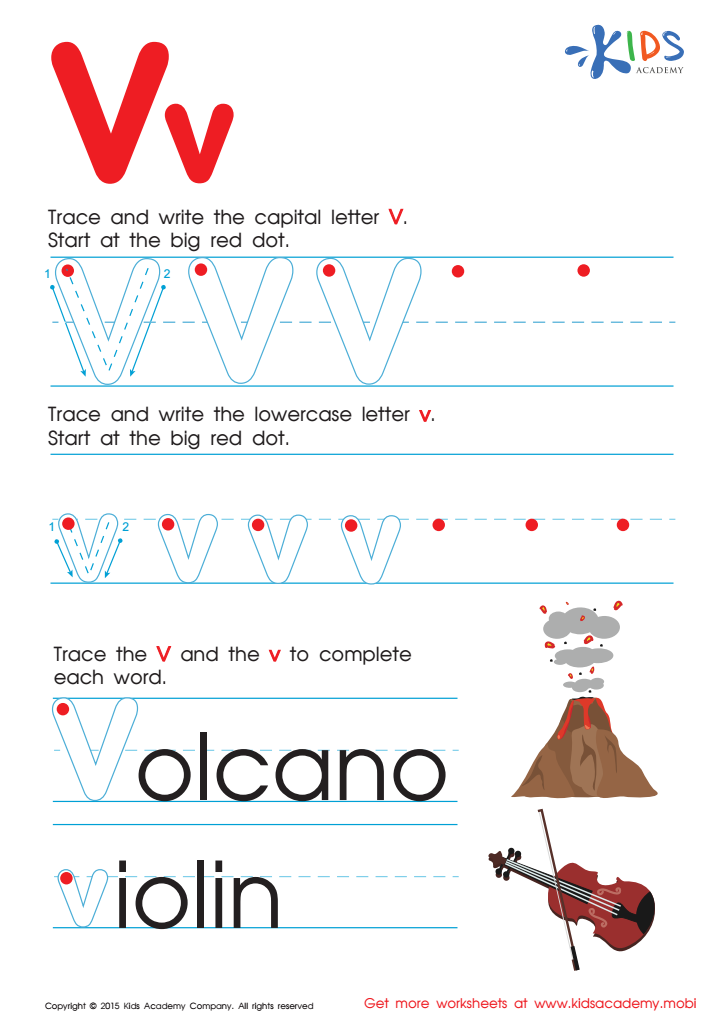
Letter V Tracing Page
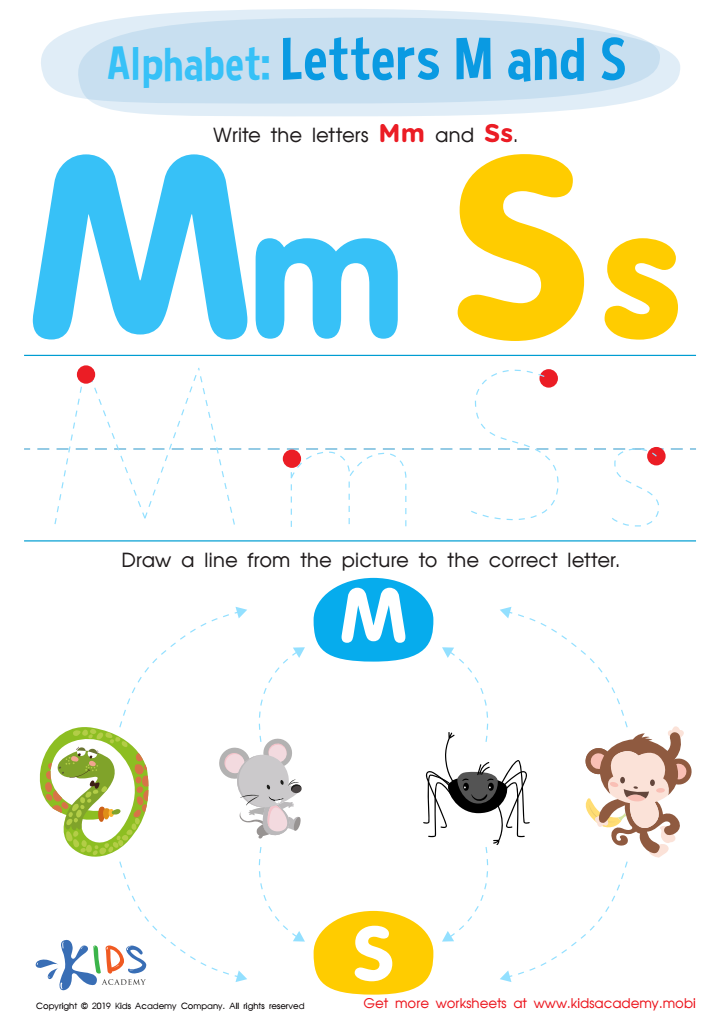
Letters M and S Tracing Worksheet
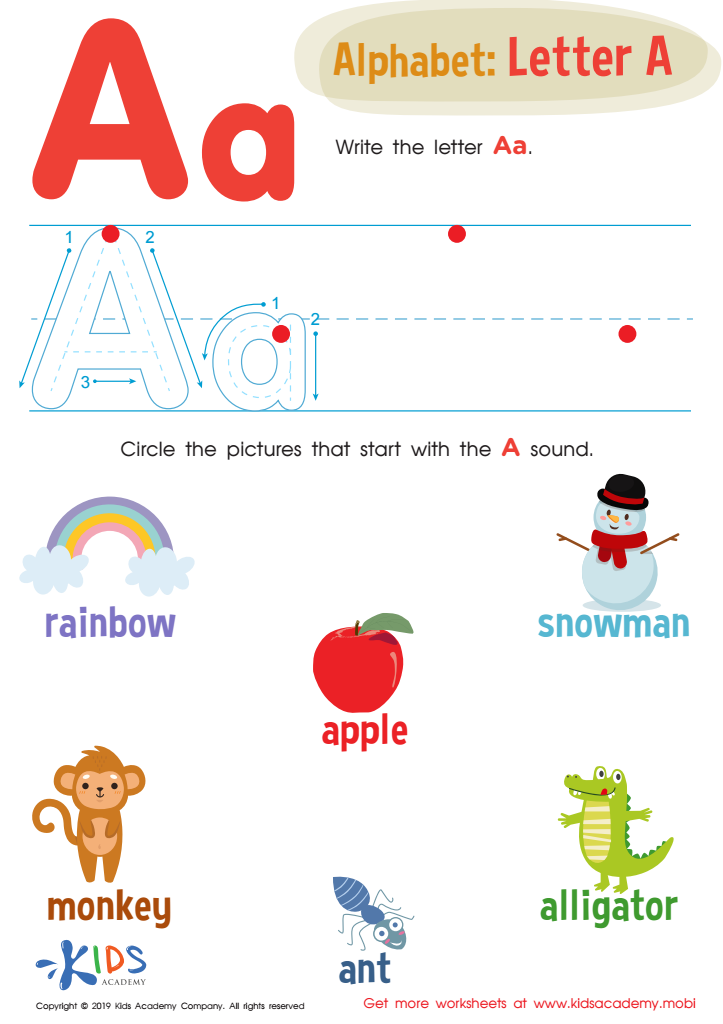
Letter A Tracing Worksheet
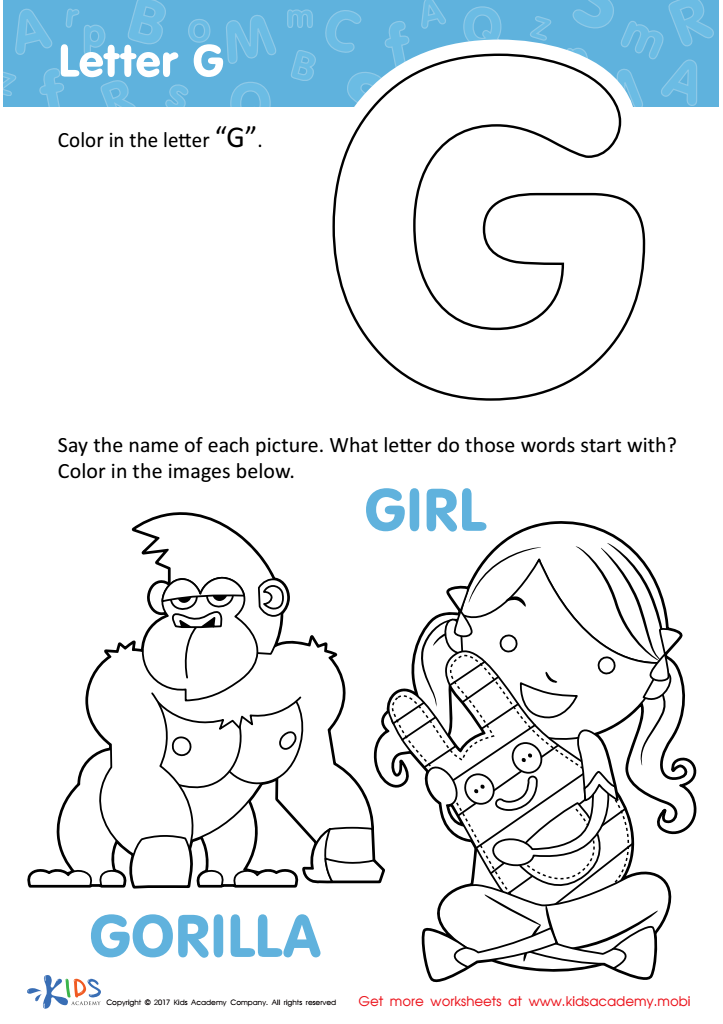
Letter G Coloring Sheet
 Assign to My Students
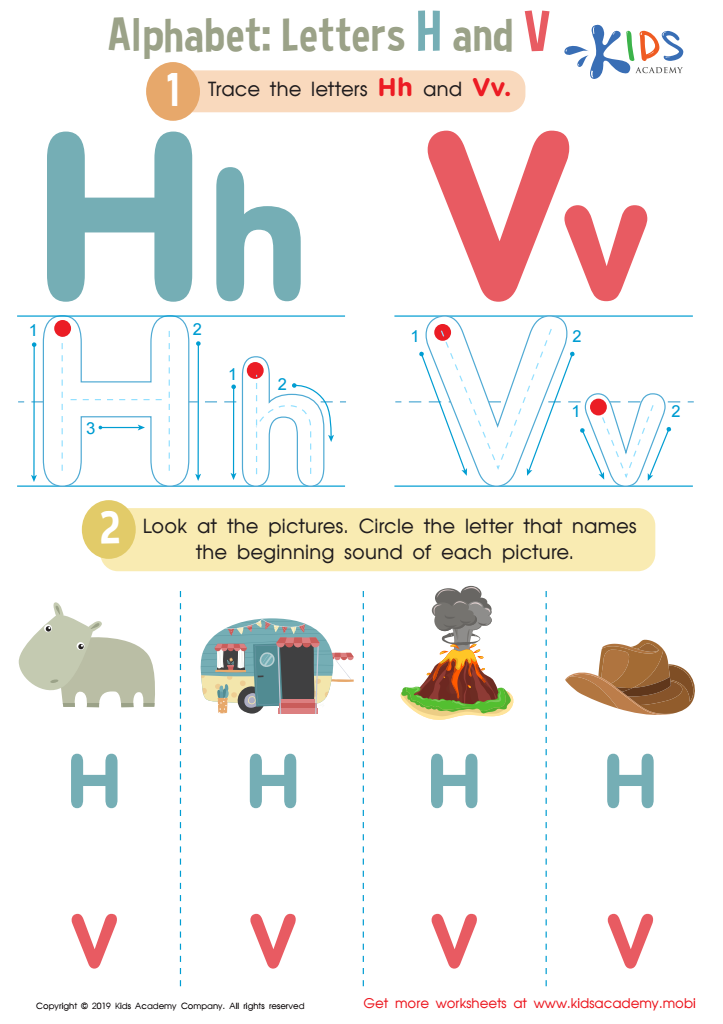
Letters H and V Tracing Worksheet
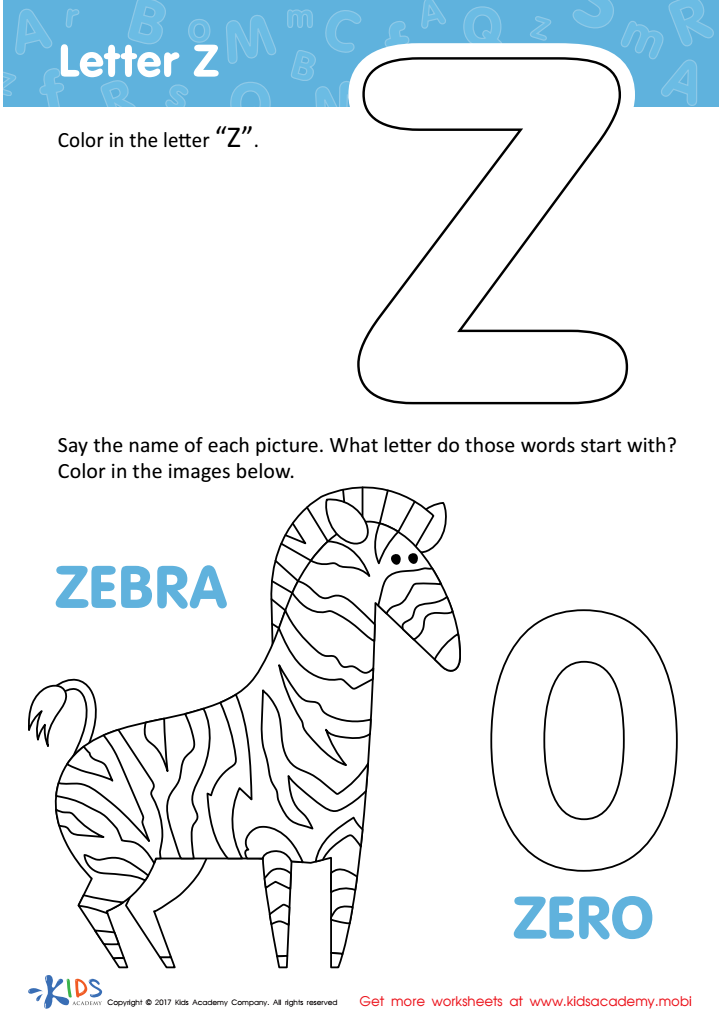
Letter Z Coloring Sheet
Assign to My Students
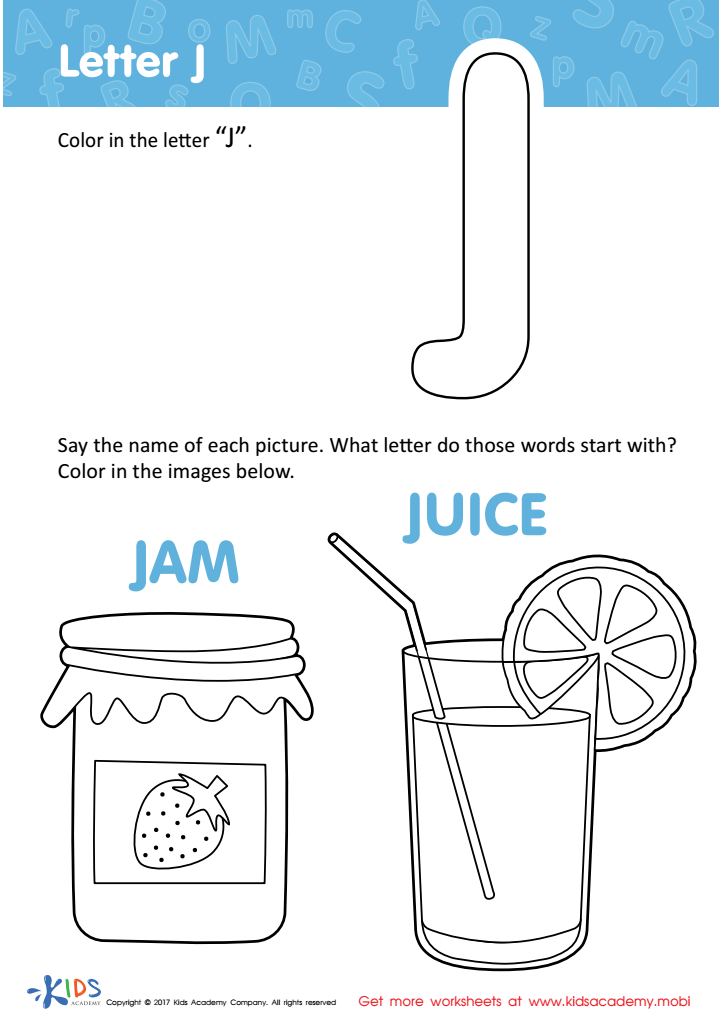
Letter J Coloring Sheet
Assign to My Students
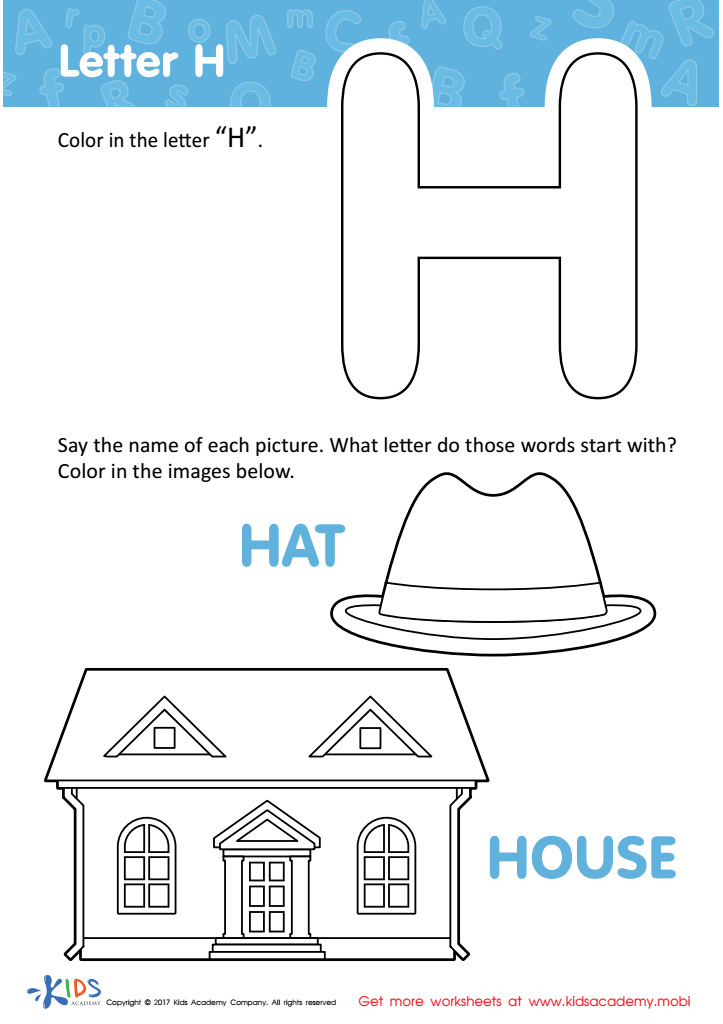
Letter H Coloring Sheet
Assign to My Students
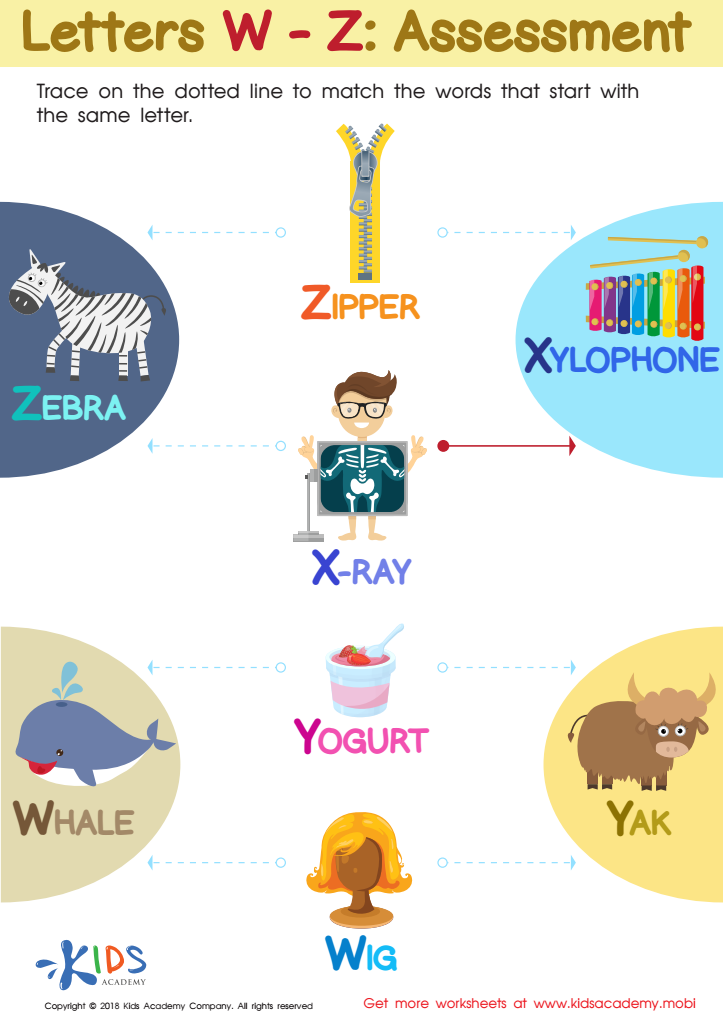
Letters W–Z Tracing Worksheet
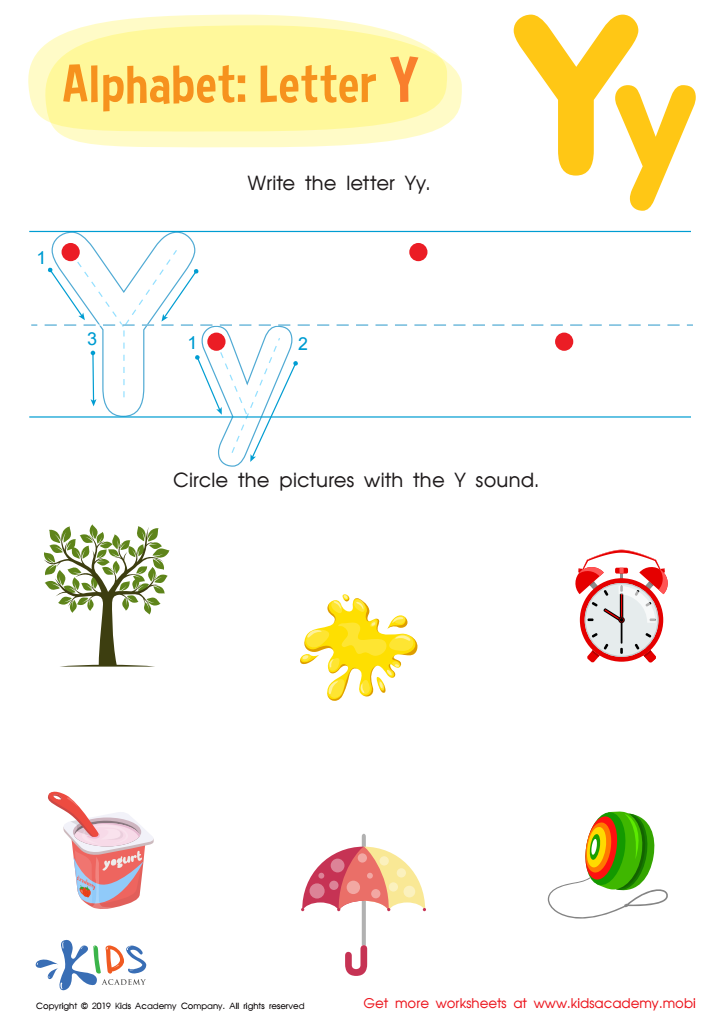
Letter Y Tracing Worksheet
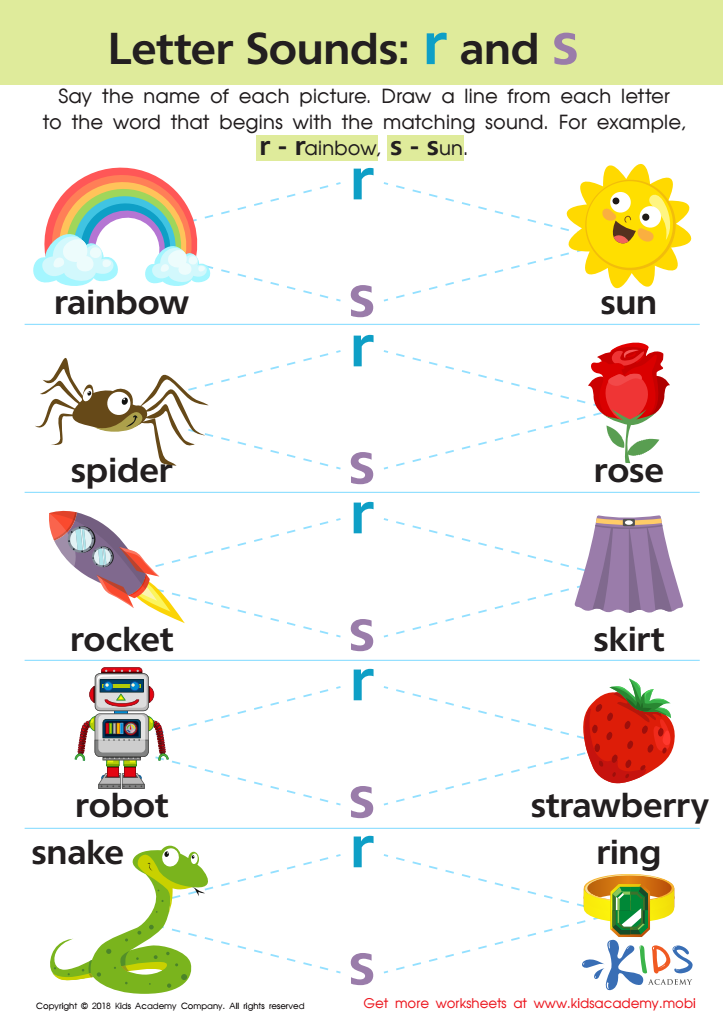
Letter R and S Sounds Worksheet
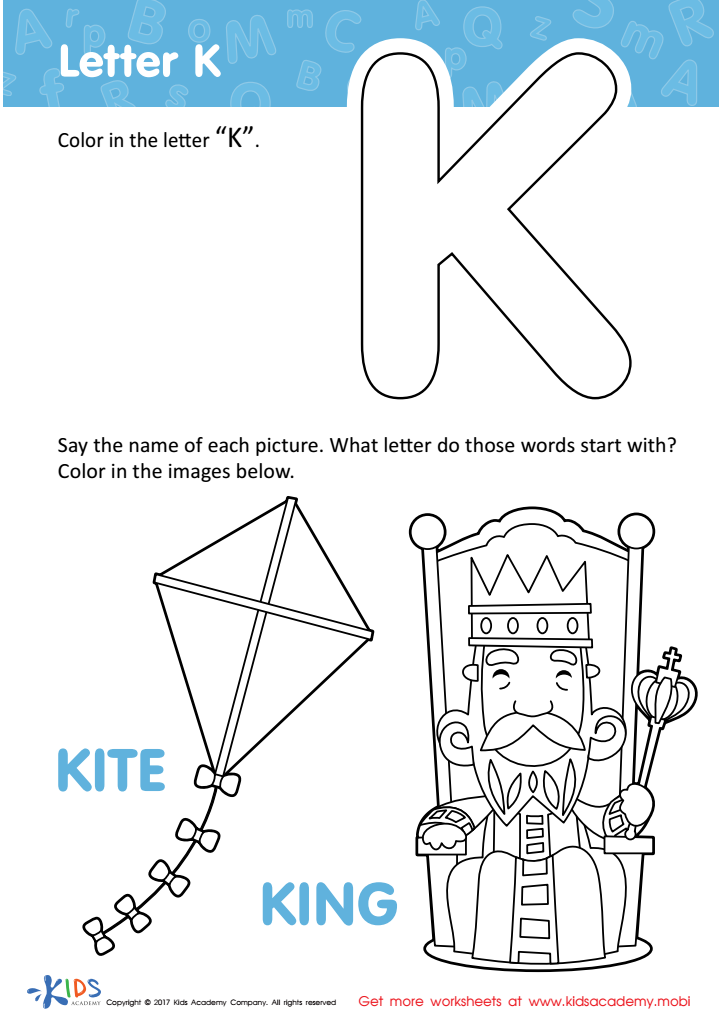
Letter K Coloring Sheet
Assign to My Students
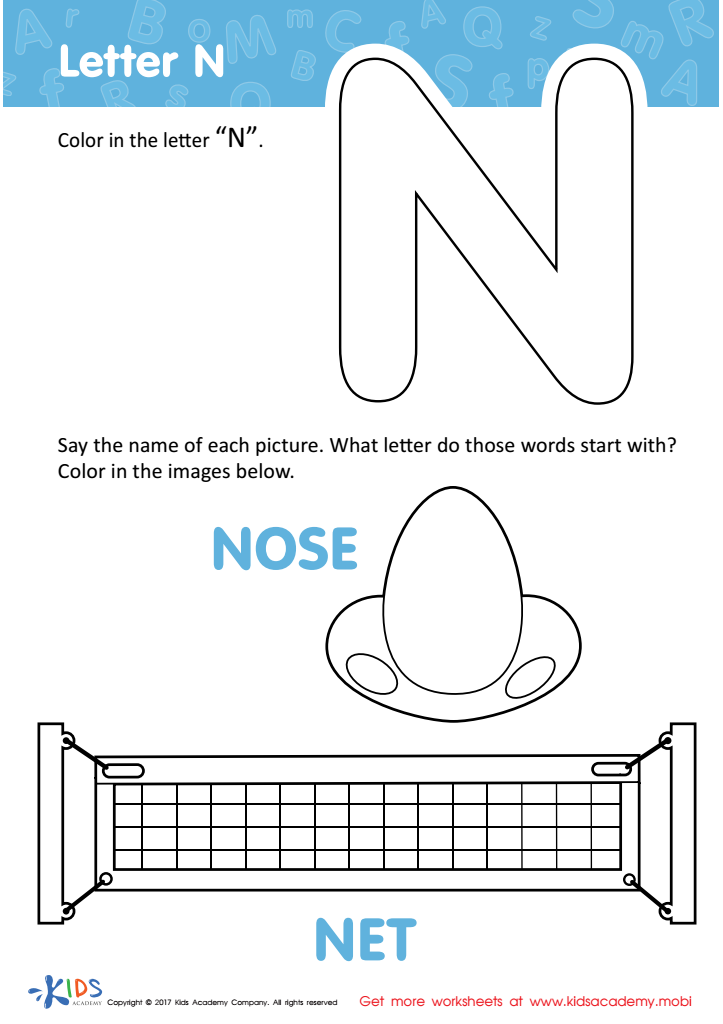
Letter N Coloring Sheet
Assign to My Students
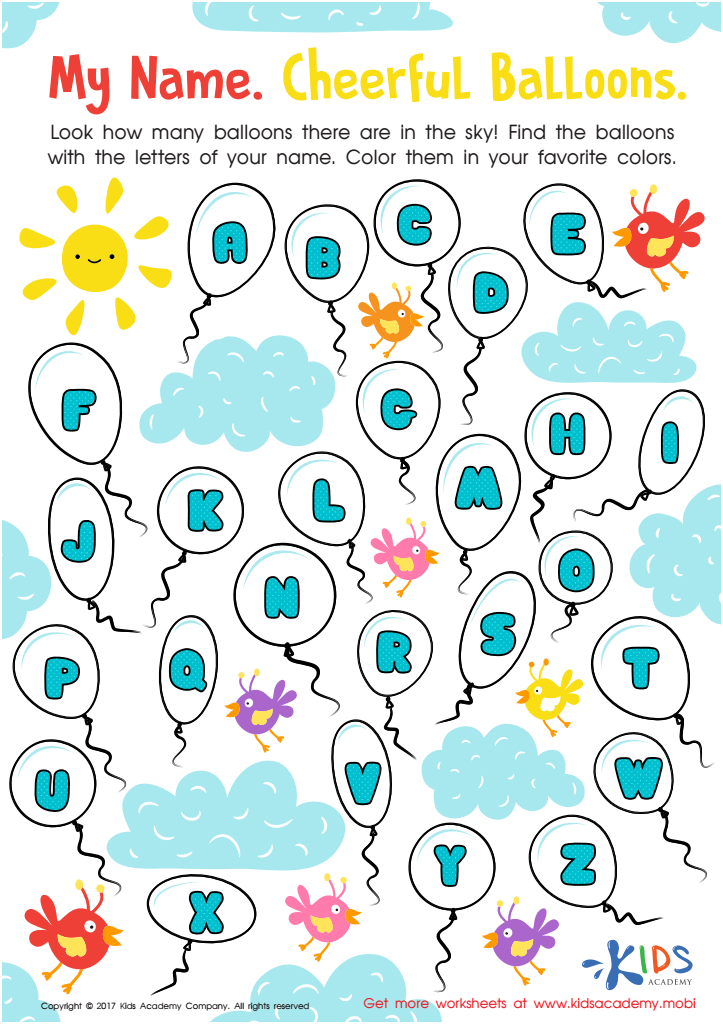
My Name: Cheerful Balloons Worksheet
Assign to My Students
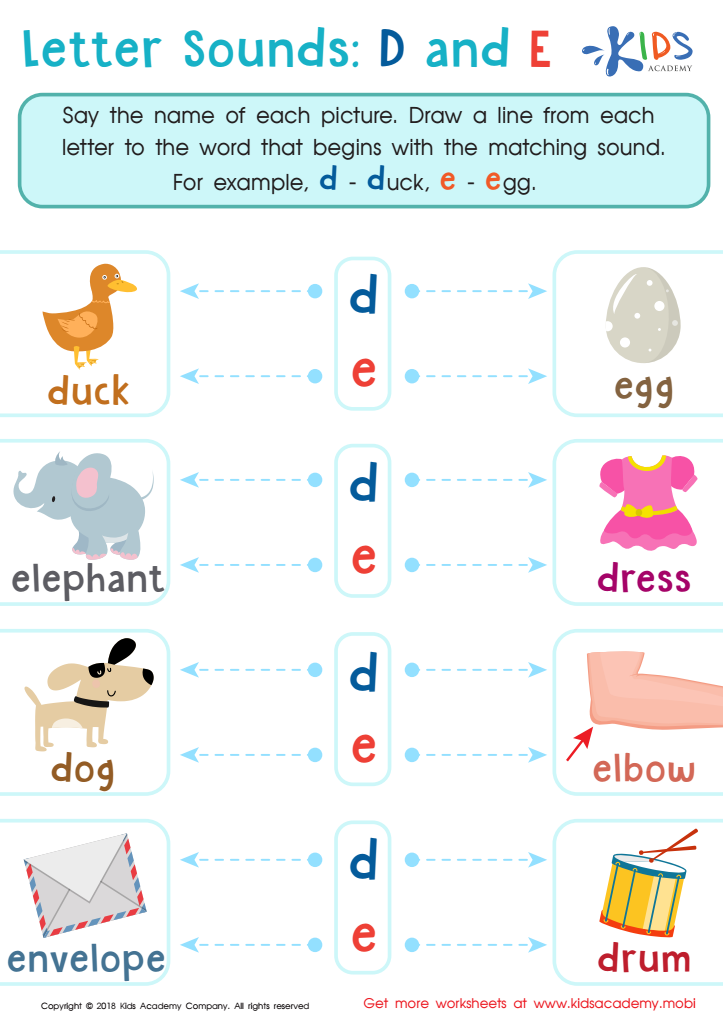
Letter D and E Sounds Worksheet







.jpg)
Handwriting practice for preschool-aged children, especially focusing on the alphabet, is critically important for several developmental reasons. First, mastering the basics of forming letters strengthens young children's fine motor skills. These skills are essential for a wide range of activities beyond writing, such as buttoning clothes or tying shoes. Second, it helps cultivate children's understanding of letters and sounds, laying the groundwork for reading proficiency, a fundamental stepping stone in their academic journey.
Additionally, handwriting practice encourages attention to detail and focus, important attributes for successful learning in various subjects. The act of sitting down to practice writing can also support emotional self-regulation – children learn patience and perseverance as they work to perfect their letters.
On a cognitive level, writing by hand reinforces memory and encodes learning in a way that typing does not. When children shape letters by hand, they engage more cognitive processes, which solidifies their recognition and understanding of the alphabet. Socially and emotionally, successful experiences with handwriting can boost self-esteem as children take pride in their improving skills. Beyond its immediate academic benefits, strong early writing practice sets the foundation for a lifetime of comfortable, effective communication, making it crucial for parents and teachers to prioritize it in early education.