Shape Recognition Preschool Alphabet Worksheets
4 filtered results
Difficulty Level
Grade
Age
-
From - To
Subject
Activity
Standards
Introduce your little learners to the world of letters and shapes with our Shape Recognition Preschool Alphabet Worksheets! Perfect for young minds aged 3-5, these engaging worksheets blend alphabet learning with fun shape identification, paving the way for reading readiness. Each worksheet features vibrant illustrations and hands-on activities designed to captivate your child's interest while enhancing fine motor skills. Whether tracing, matching, or coloring, kids will love this interactive approach to mastering ABCs and shapes. Boost their confidence and prepare them for kindergarten with our expertly crafted, educational resources today! Build a strong foundation with Kids Academy.
Favorites
With answer key
Interactive
Find the Curved Lines! Worksheet
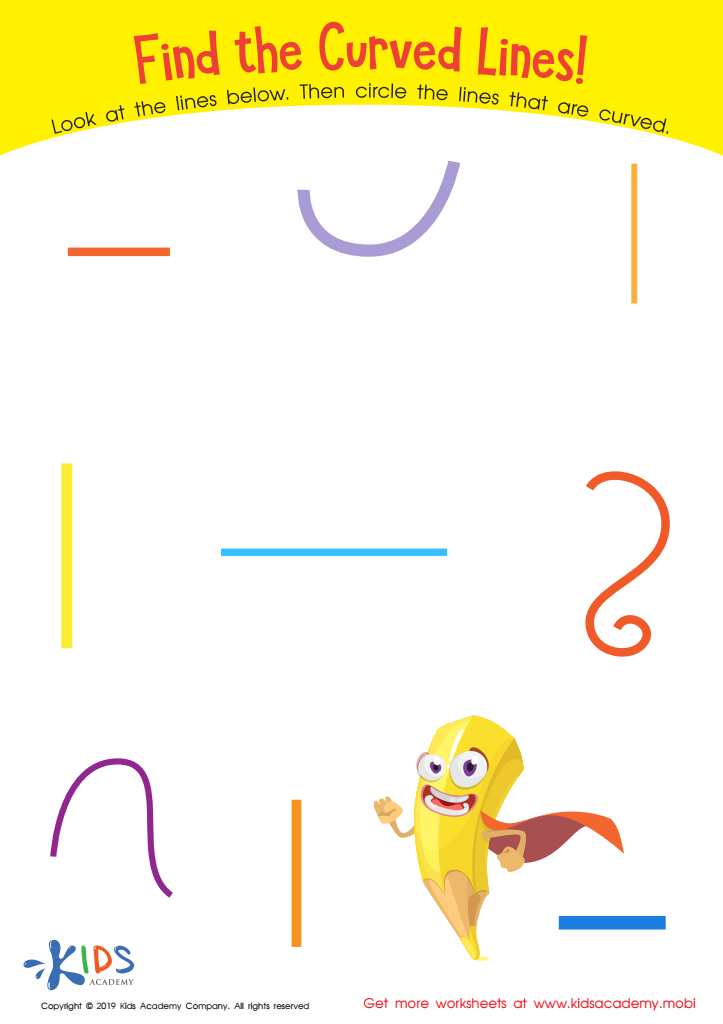
Help your child build their writing skills by having them trace words and practice with exercises. This worksheet helps them identify and draw curved lines. There are seven curved lines among nine shapes and lines. Ask your child to spot the curved lines and circle them.
 Assign to My Students
Find the Curved Lines! Worksheet
Worksheet
First Words: Let's Trace Lines Worksheet
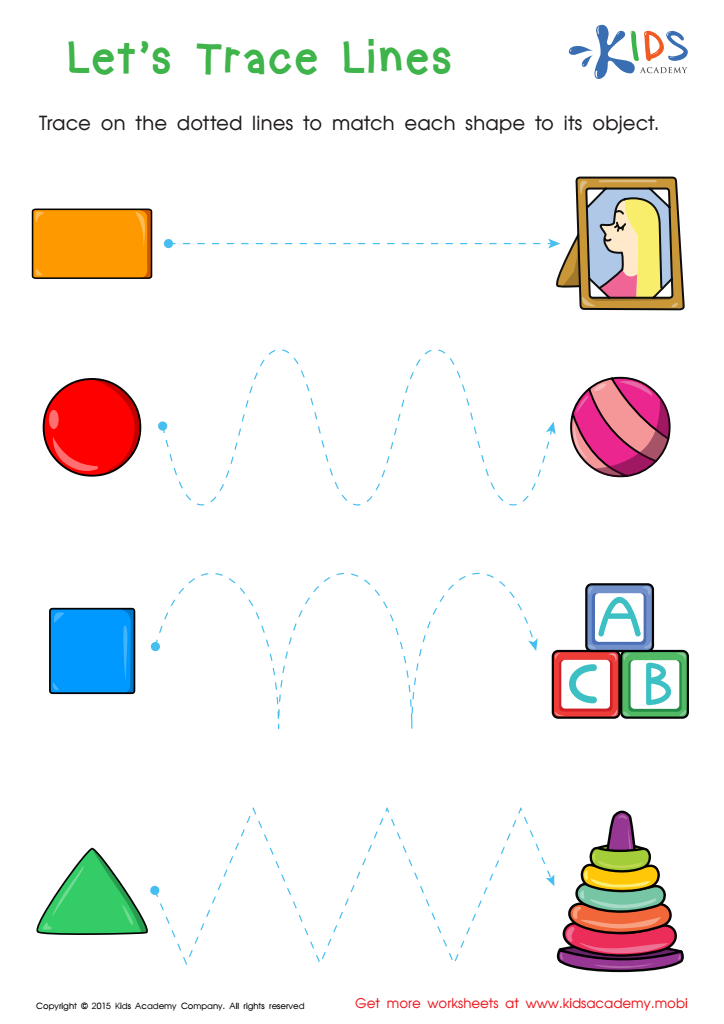
Printable tracing lines for toddlers will provide your little one with the skills needed for future handwriting success. Proper grip, fine motor skills, and hand-to-eye coordination are key. Let's get their writing journey off to a great start!
First Words: Let's Trace Lines Worksheet
Worksheet
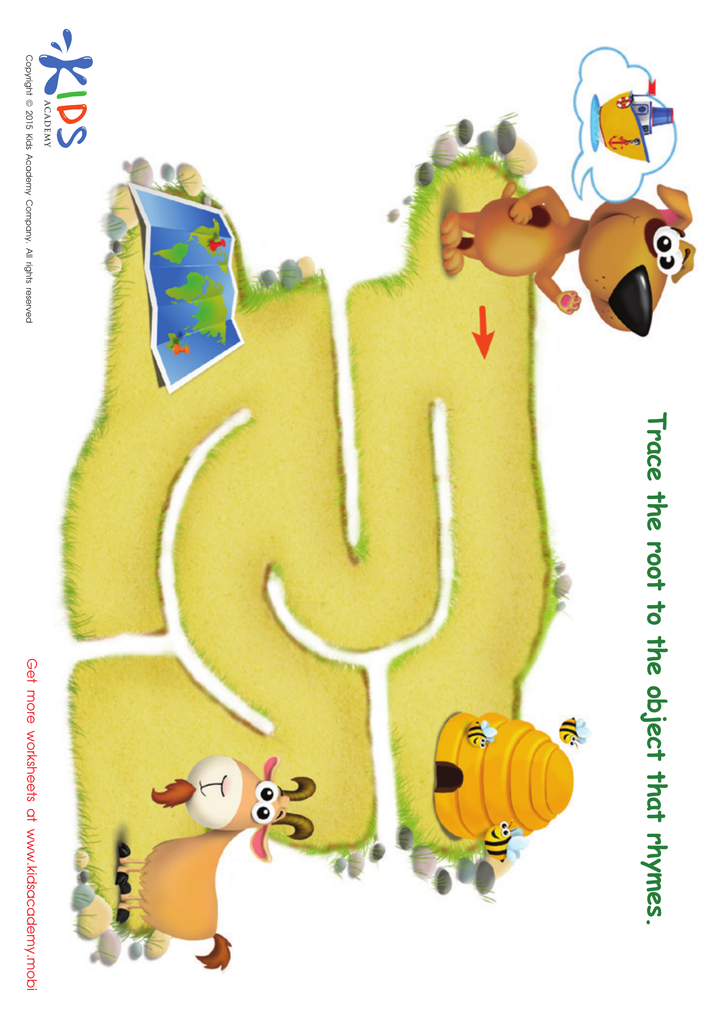
Boat Rhyming Words Worksheet
Help your preschooler complete the maze and rhyme with their favorite pooch! Draw a line from the dog to the matching item - is it a hive, a map or a goat? This fun activity lets them name the root words of pictures, and listen for rhymes to help them with phonics and reading.
Boat Rhyming Words Worksheet
Worksheet
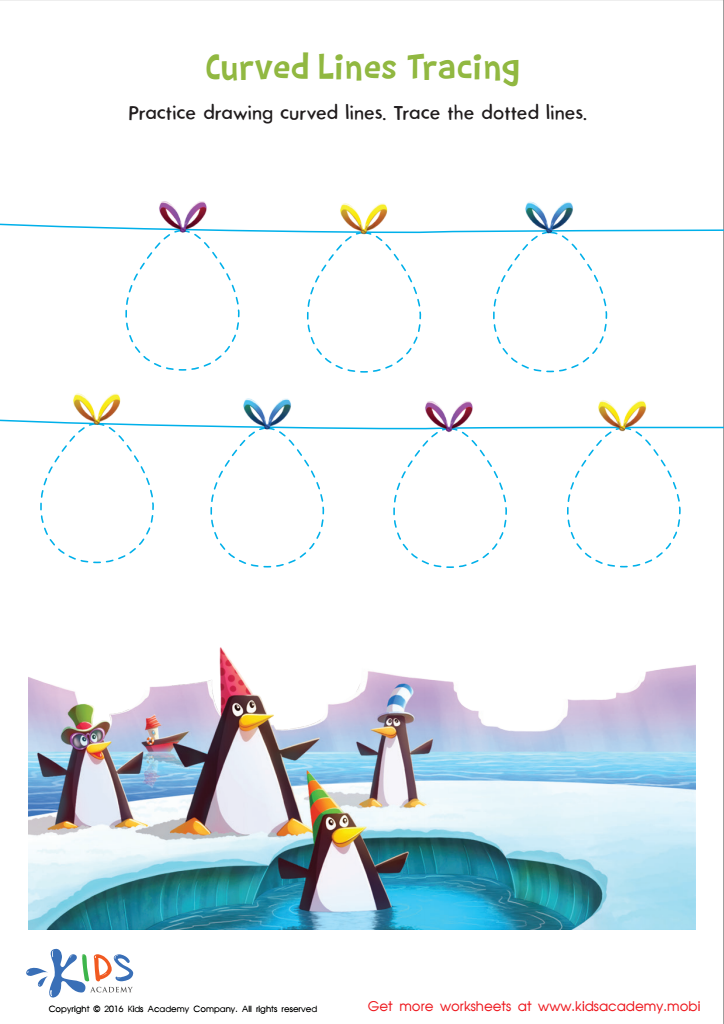
Curved Lines Tracing Worksheet
Tracing curved lines worksheets are a great way to help your child develop fine motor skills, form proper writing habits and sharpen hand-eye coordination. An adorable worksheet featuring characters from our popular app helps make practice fun! It also helps build focus, stamina and overall confidence in their writing ability. Offer your child meaningful tracing practice and give them a head start in life!
Curved Lines Tracing Worksheet
Worksheet
Join Kids Academy for Free
Who is primarily going to use this learning content?








Parents and teachers should prioritize shape recognition in preschool because it lays a crucial foundation for early learning across various domains. Shape recognition is a fundamental skill that supports cognitive development by enhancing children's ability to categorize and differentiate between objects. It encourages visual discrimination, which is essential for reading, writing, and mathematical skills. For example, recognizing the difference between a circle and a square helps children identify letters and numbers, as many characters in the alphabet and numeric system are formed using basic shapes.
Incorporating shape recognition into learning can also make abstract concepts more tangible for preschoolers. This not only boosts their spatial awareness but also fosters problem-solving skills and logical thinking. By recognizing shapes, children begin to understand patterns and sequences, which are crucial for developing math skills.
Moreover, engaging activities that incorporate shapes and the alphabet make learning interactive and enjoyable. Activities like sorting games, drawing, and puzzles enhance fine motor skills, hand-eye coordination, and perseverance.
Overall, early shape recognition through alphabet activities is a multidimensional approach that supports language development, literacy, math concepts, and cognitive growth. Parents and teachers who emphasize these skills equip children with the tools they need to succeed in their early academic career and beyond.