Fine Motor Skills Preschool Letter Recognition Worksheets - Page 2
47 filtered results
-
From - To
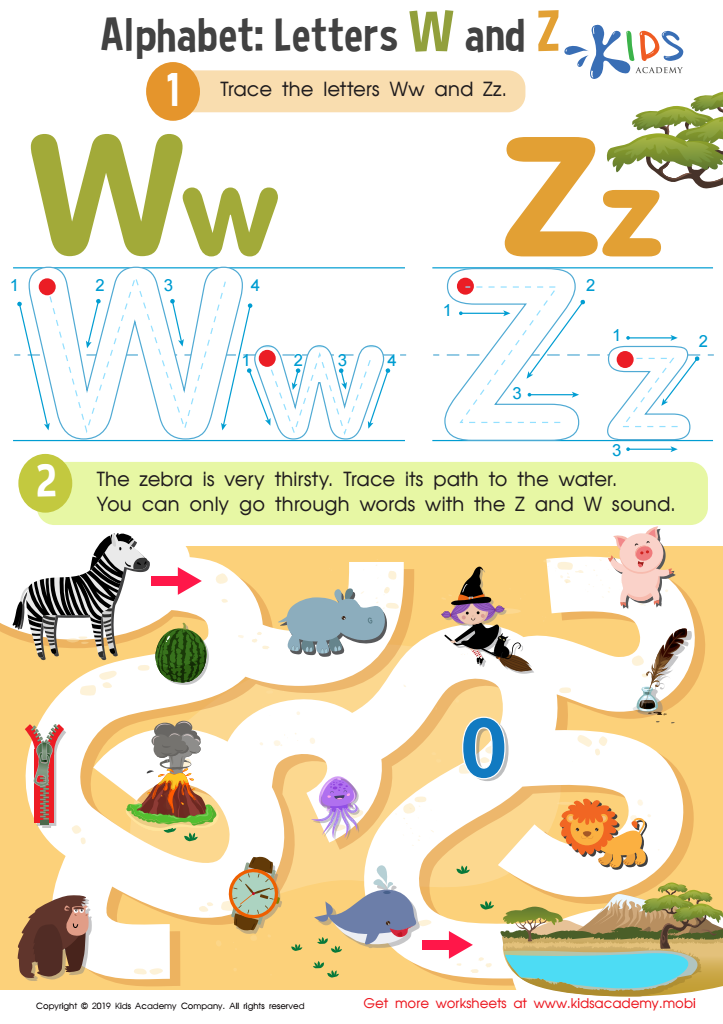
Letters W and Z Tracing Worksheet
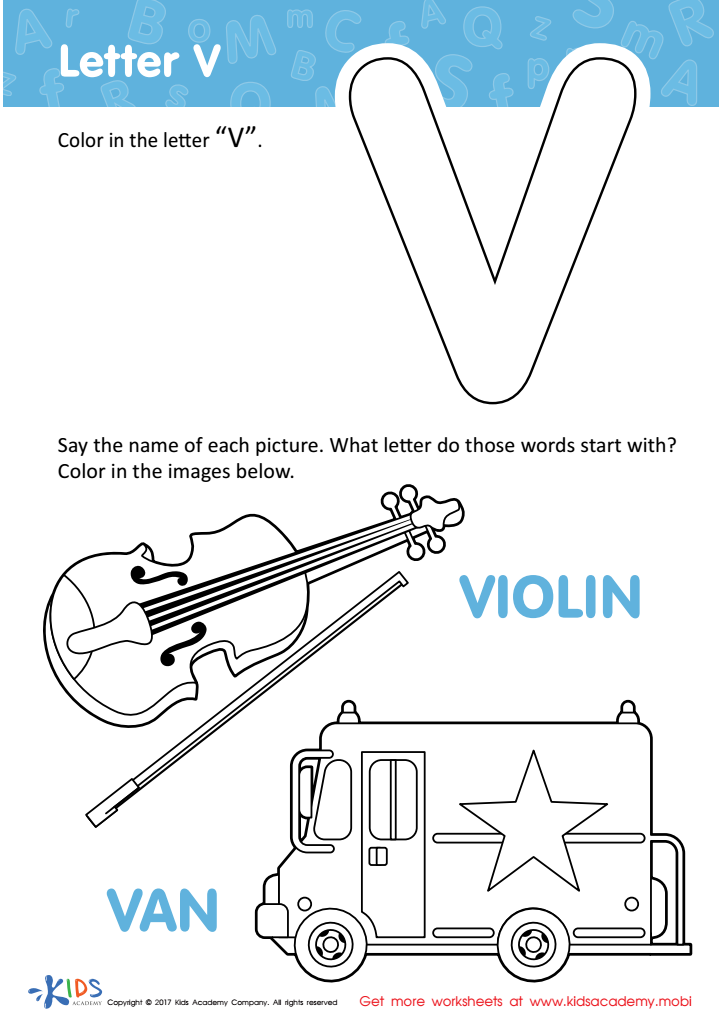
Letter V Coloring Sheet
 Assign to My Students
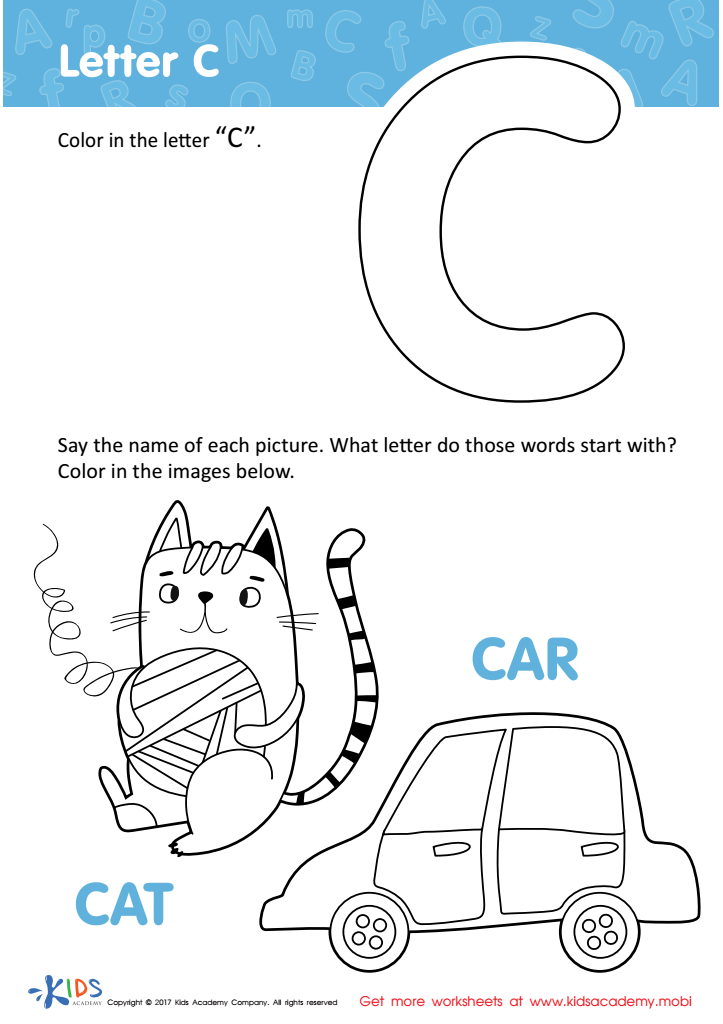
Letter C Coloring Sheet
Assign to My Students
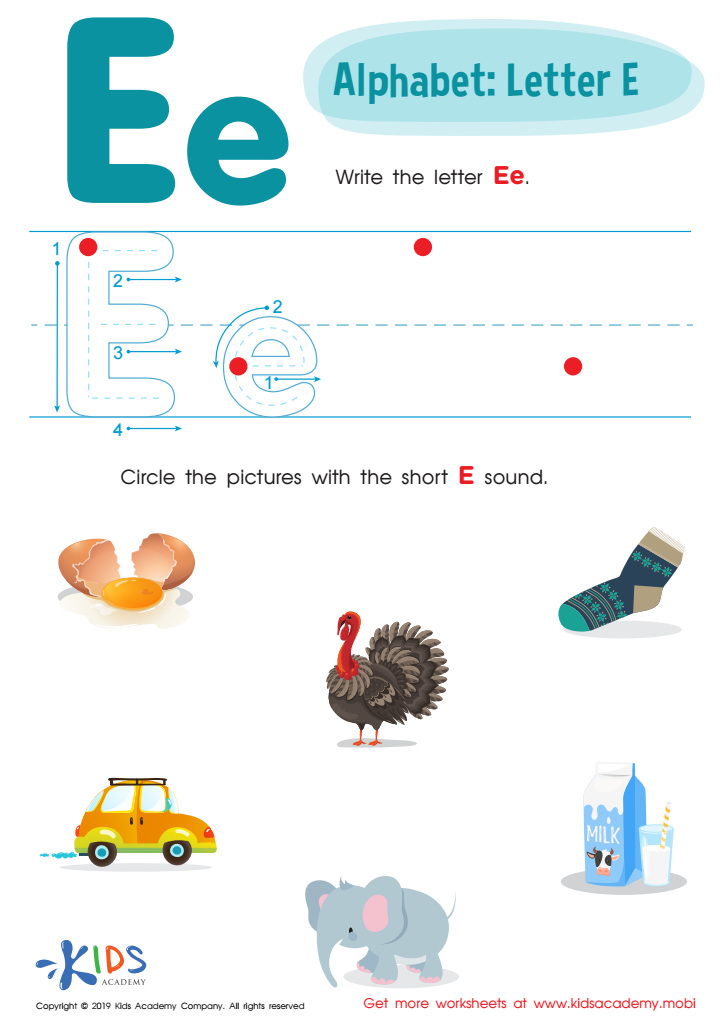
Letter E Tracing Worksheet
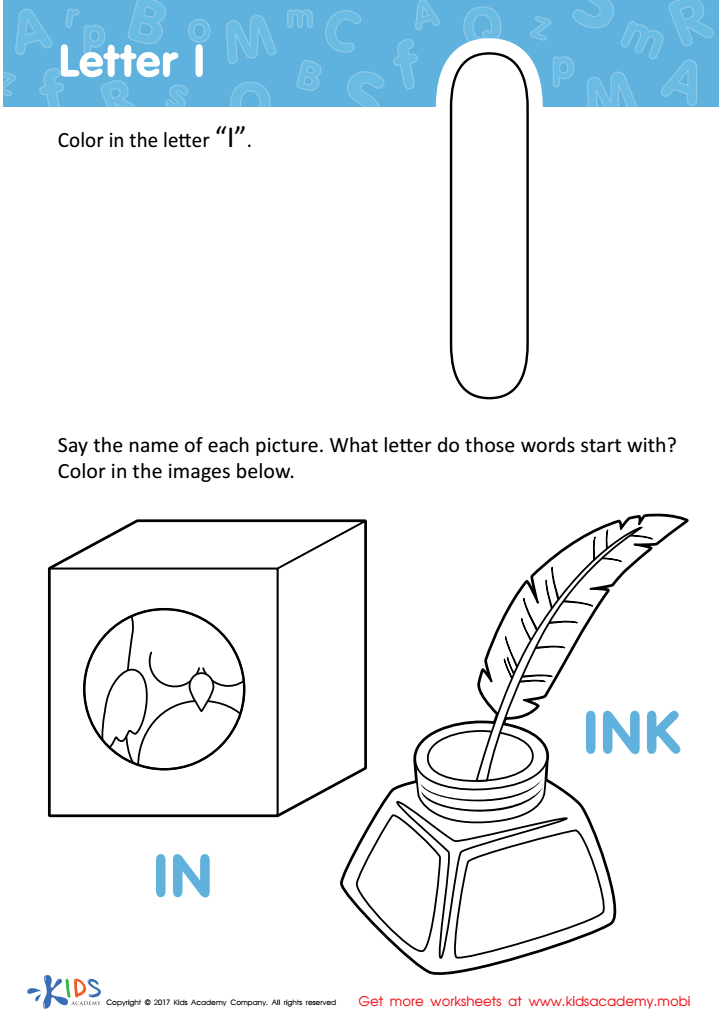
Letter I Coloring Sheet
Assign to My Students
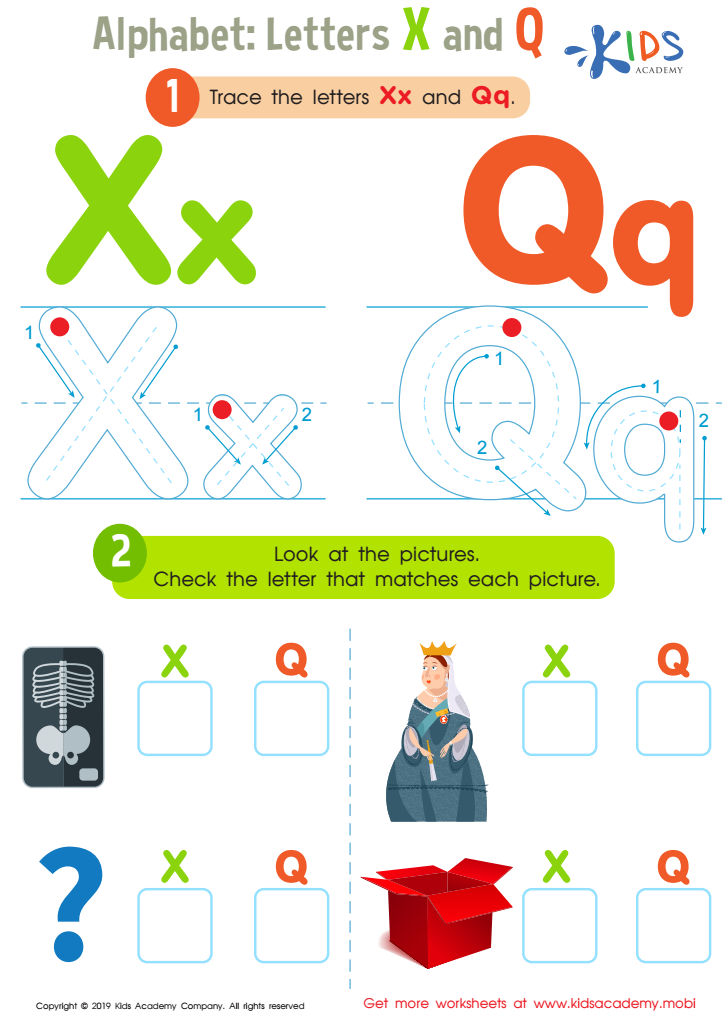
Letters X and Q Tracing Worksheet
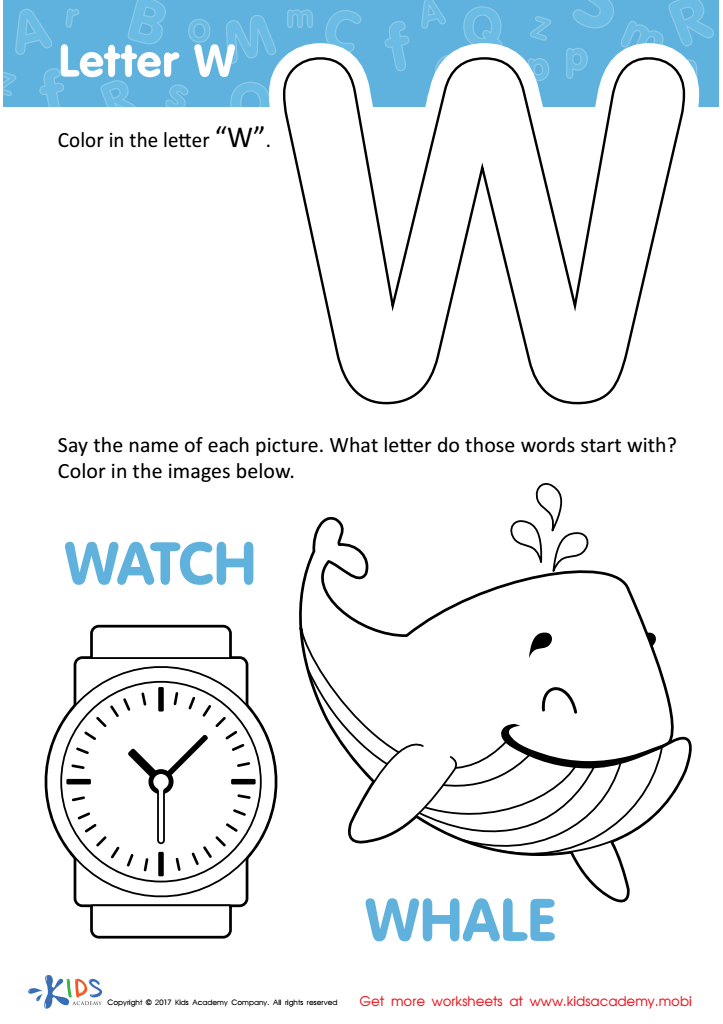
Letter W Coloring Sheet
Assign to My Students
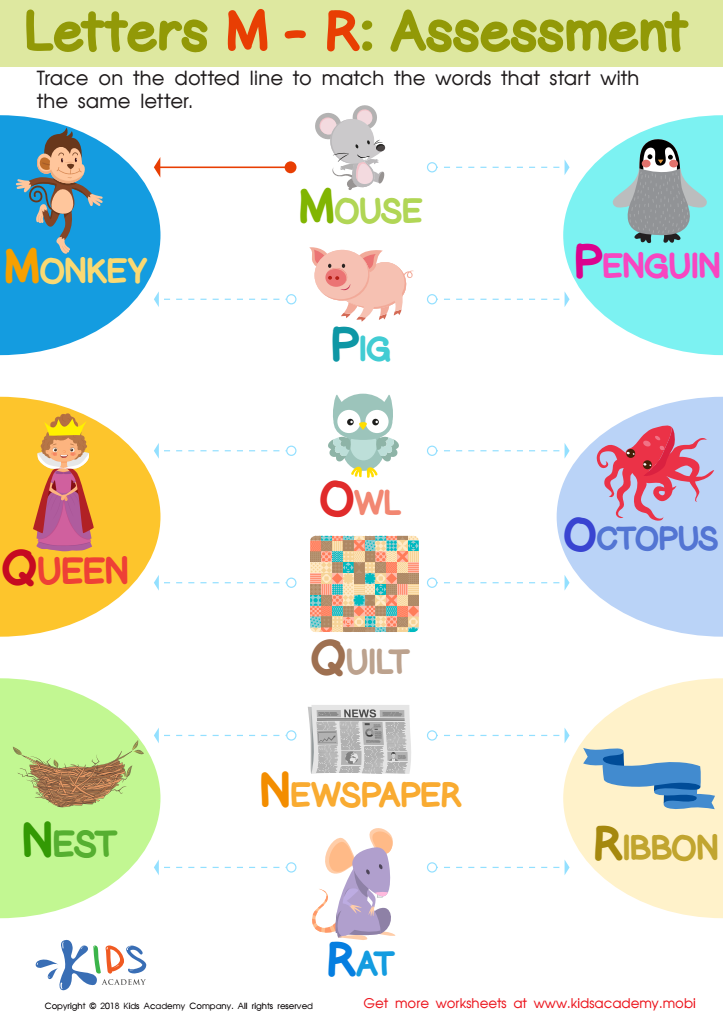
Letters M-R Tracing Worksheet
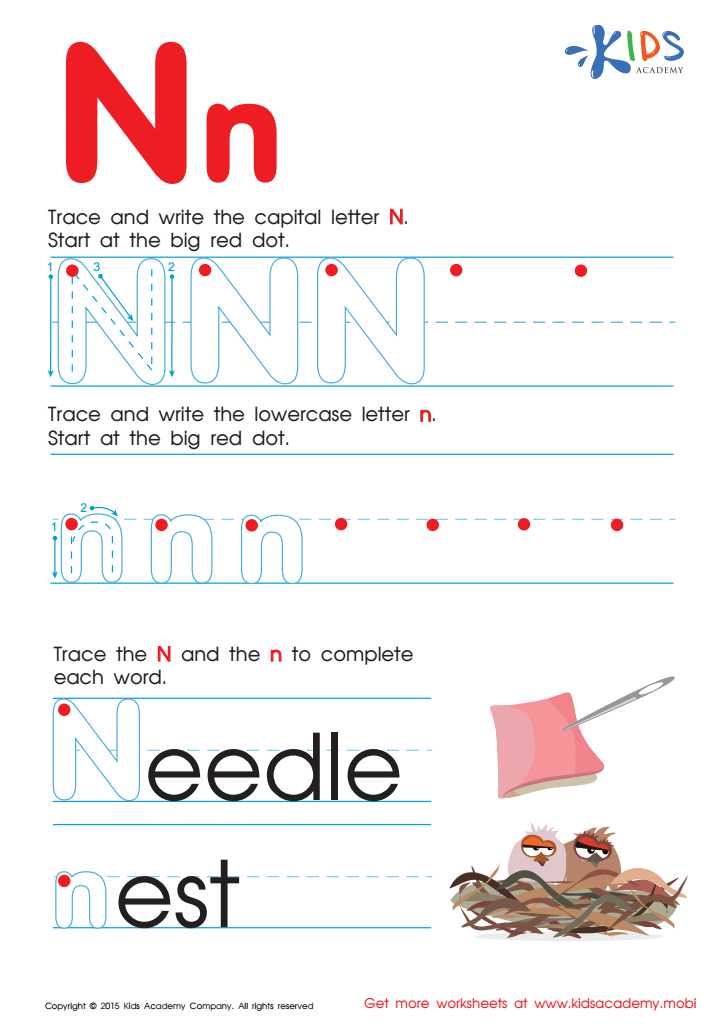
Letter N Tracing Page
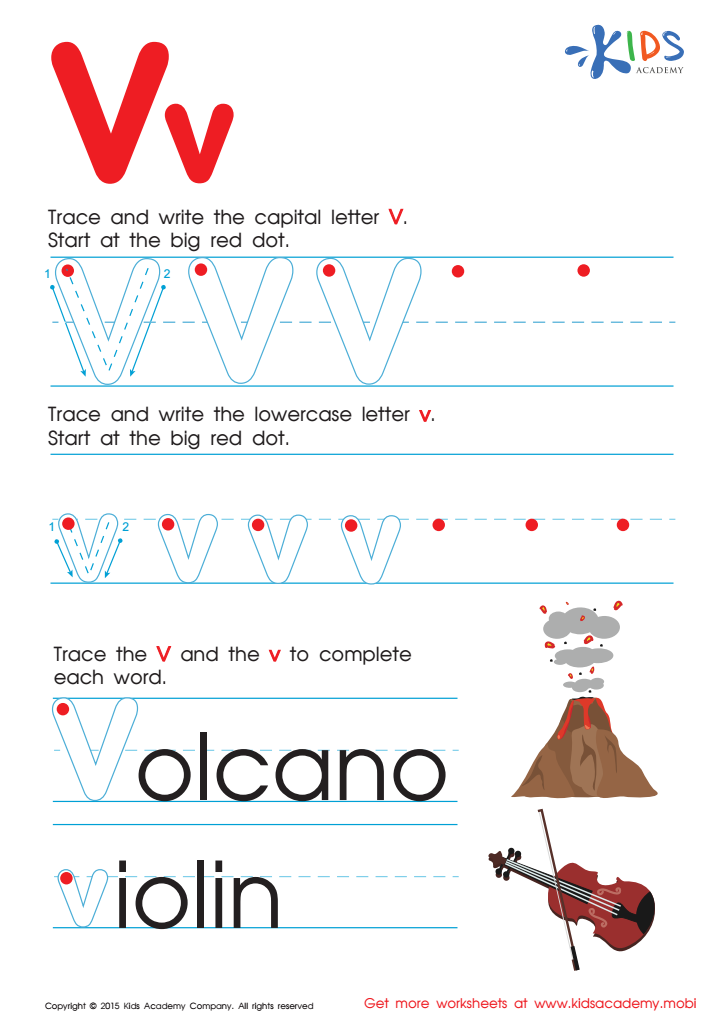
Letter V Tracing Page
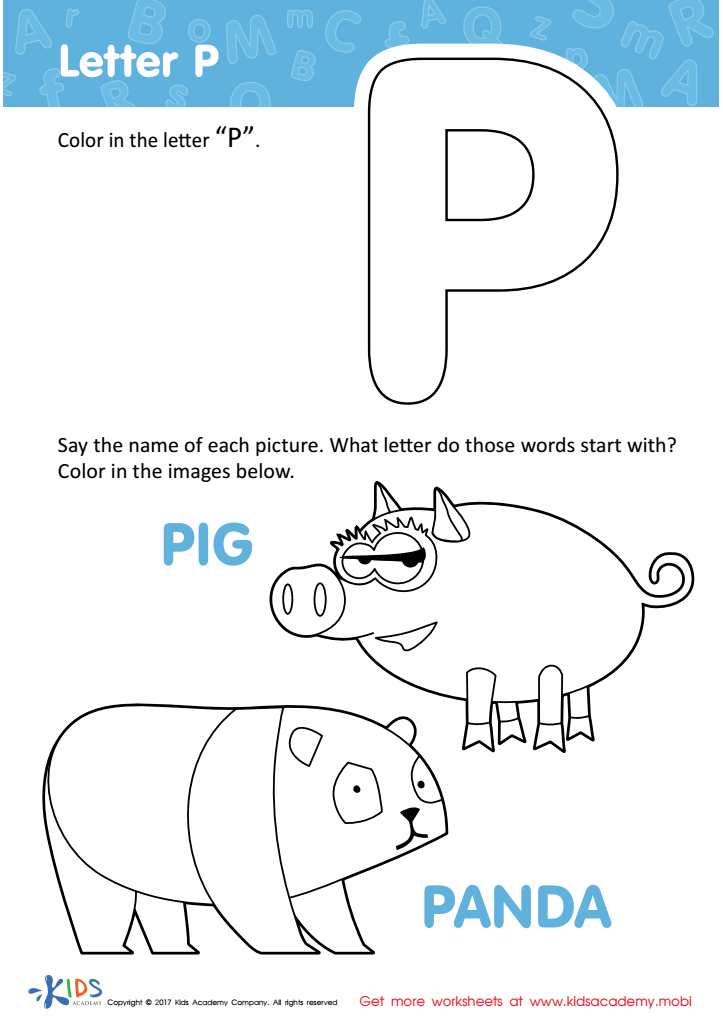
Letter P Coloring Sheet
Assign to My Students
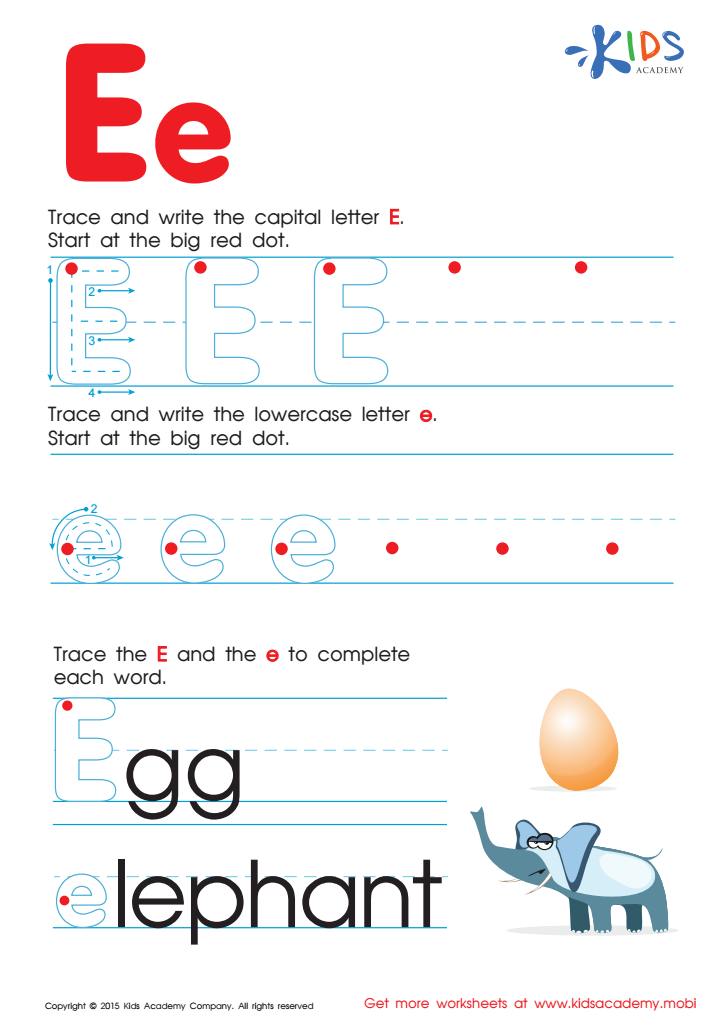
Letter E Tracing Page
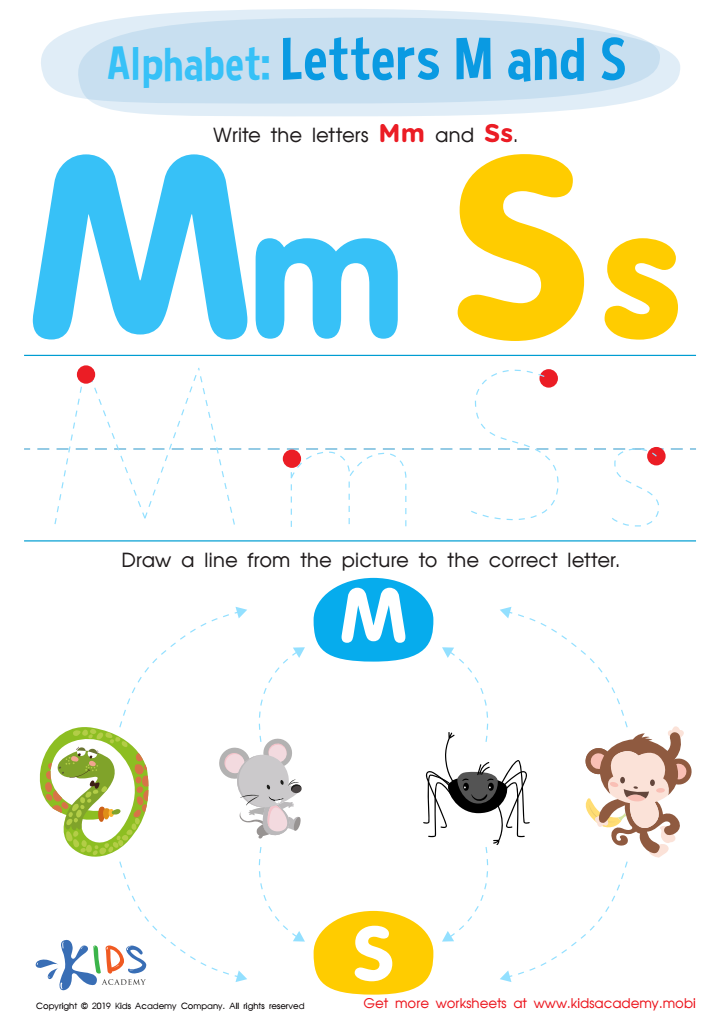
Letters M and S Tracing Worksheet
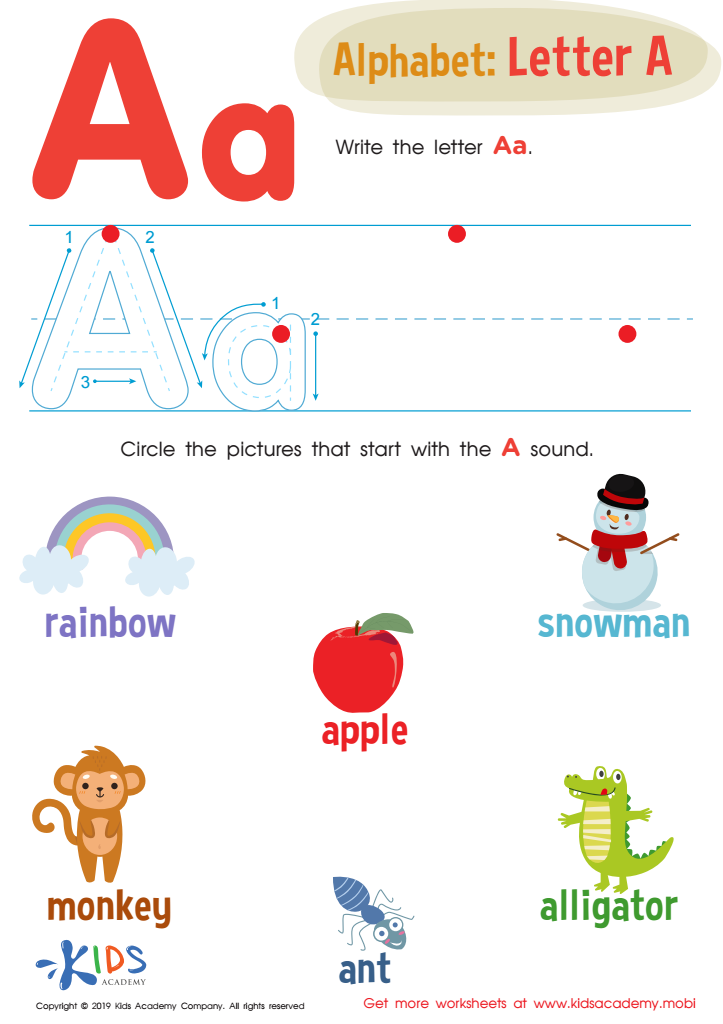
Letter A Tracing Worksheet
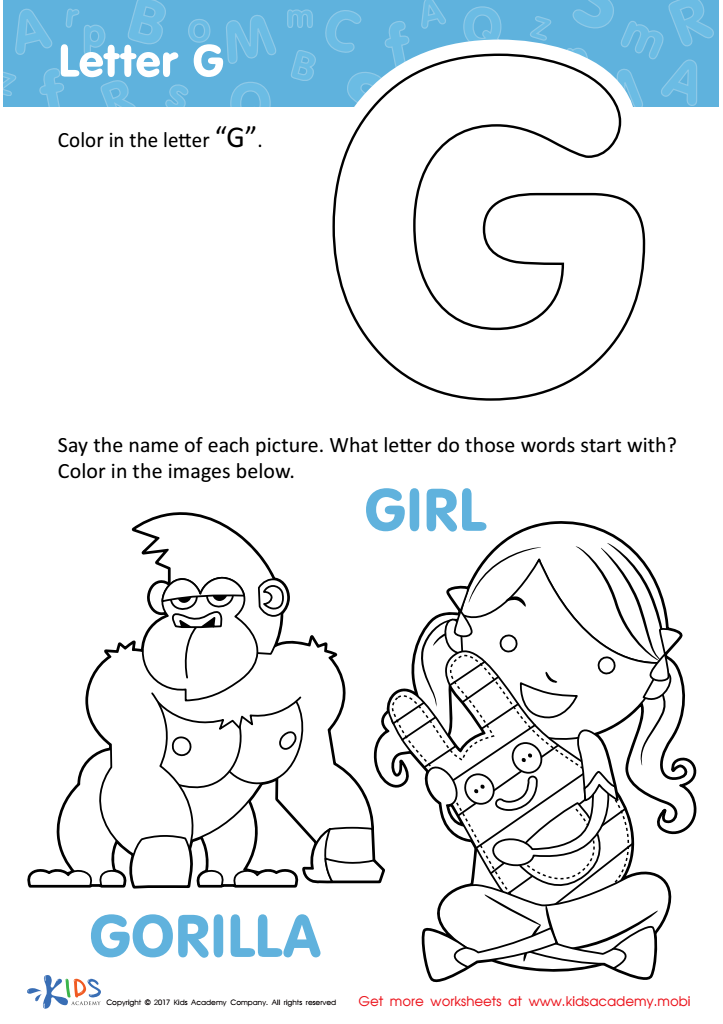
Letter G Coloring Sheet
Assign to My Students
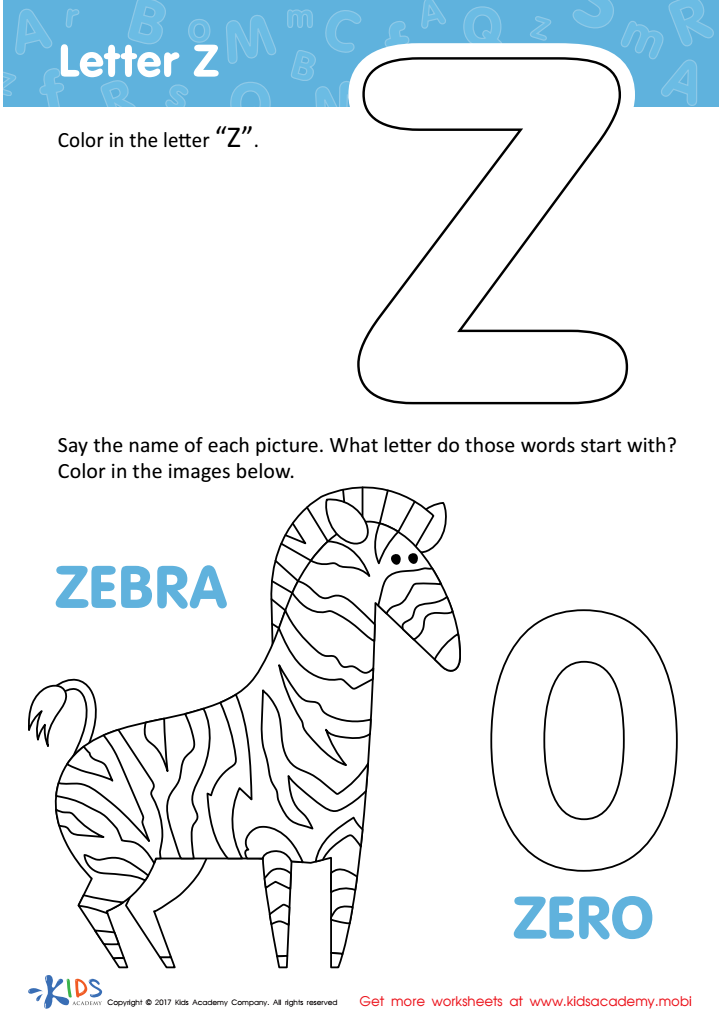
Letter Z Coloring Sheet
Assign to My Students
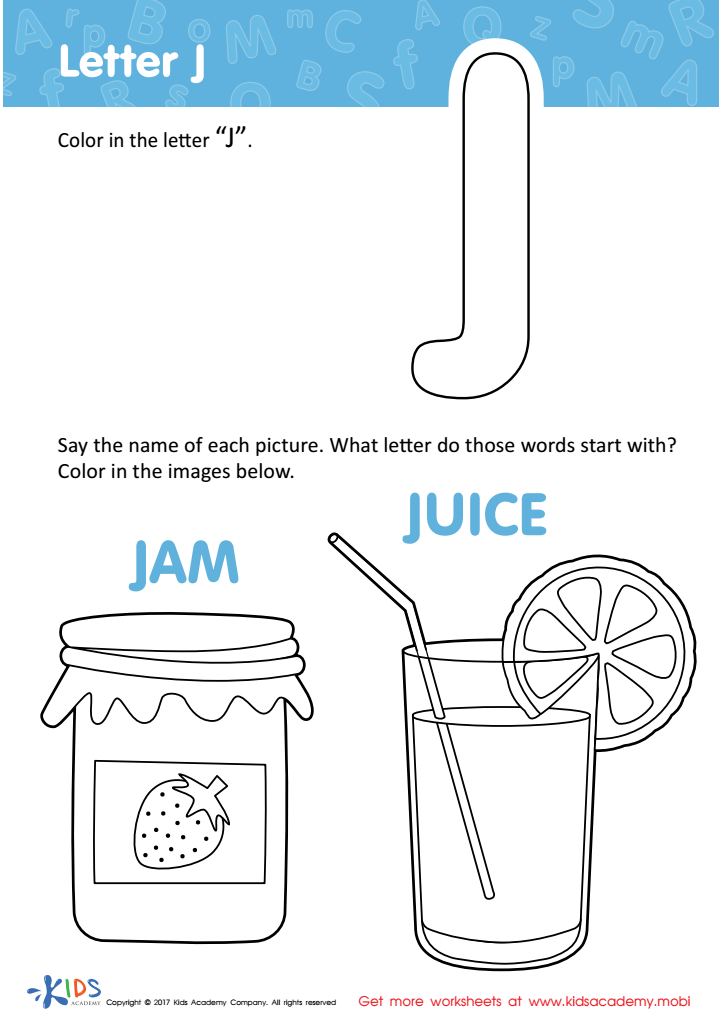
Letter J Coloring Sheet
Assign to My Students
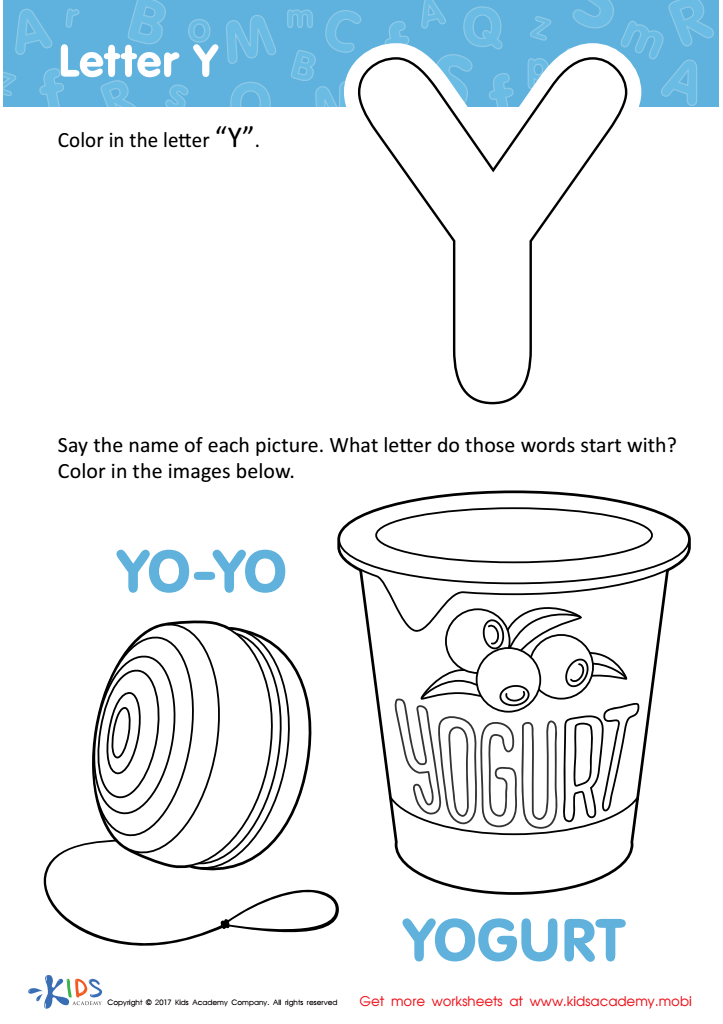
Letter Y Coloring Sheet
Assign to My Students
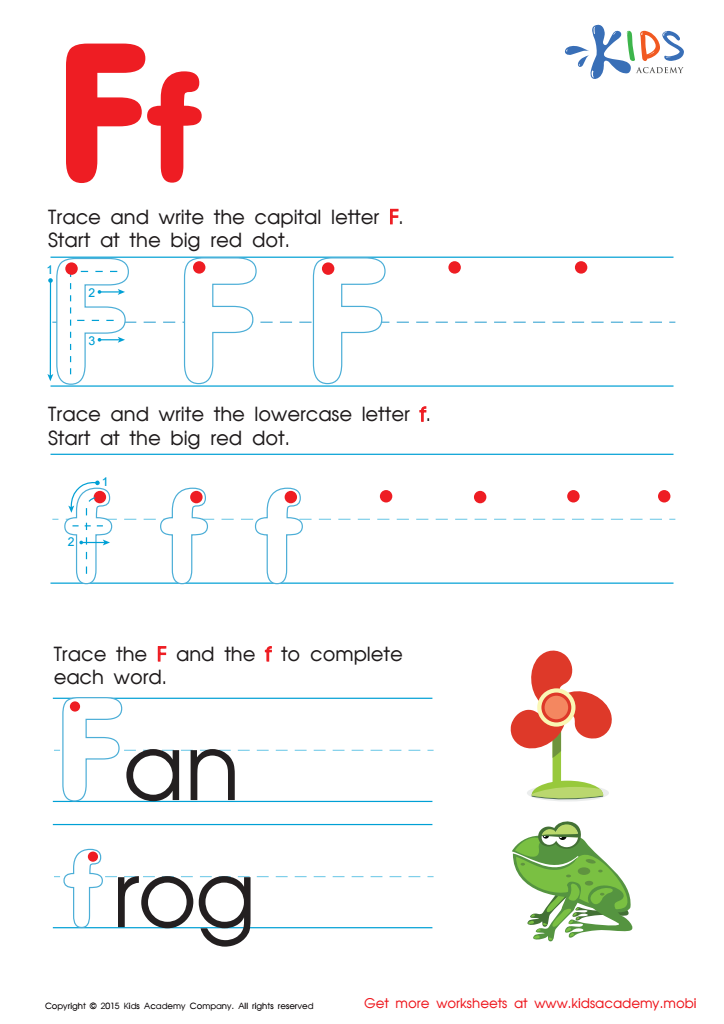
Letter F Tracing Page
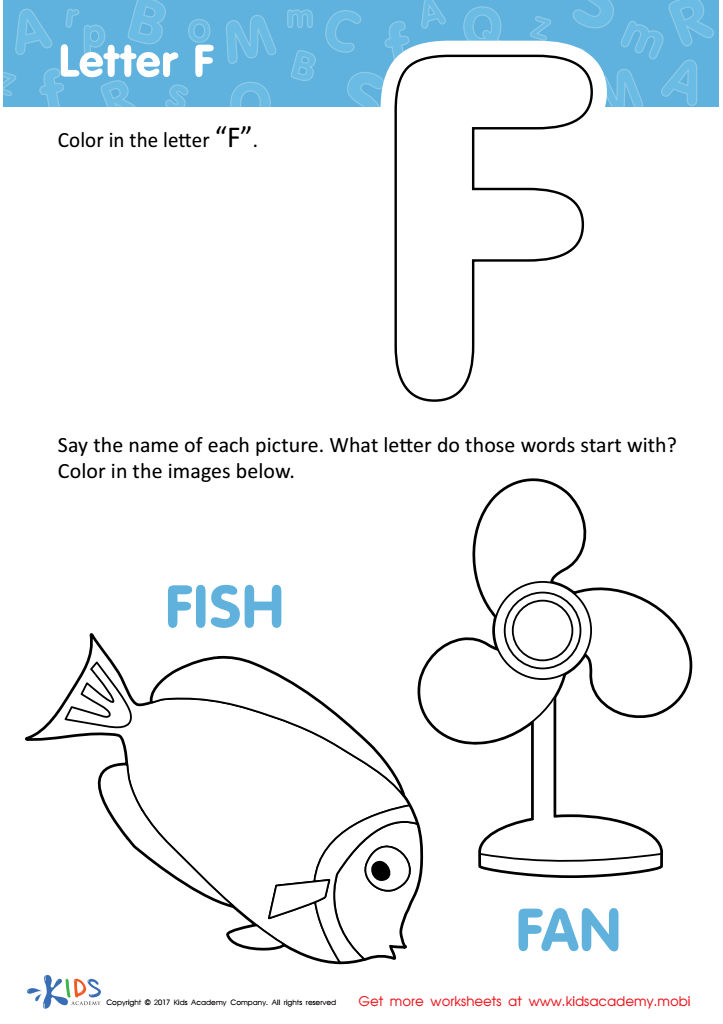
Letter F Coloring Sheet
Assign to My Students
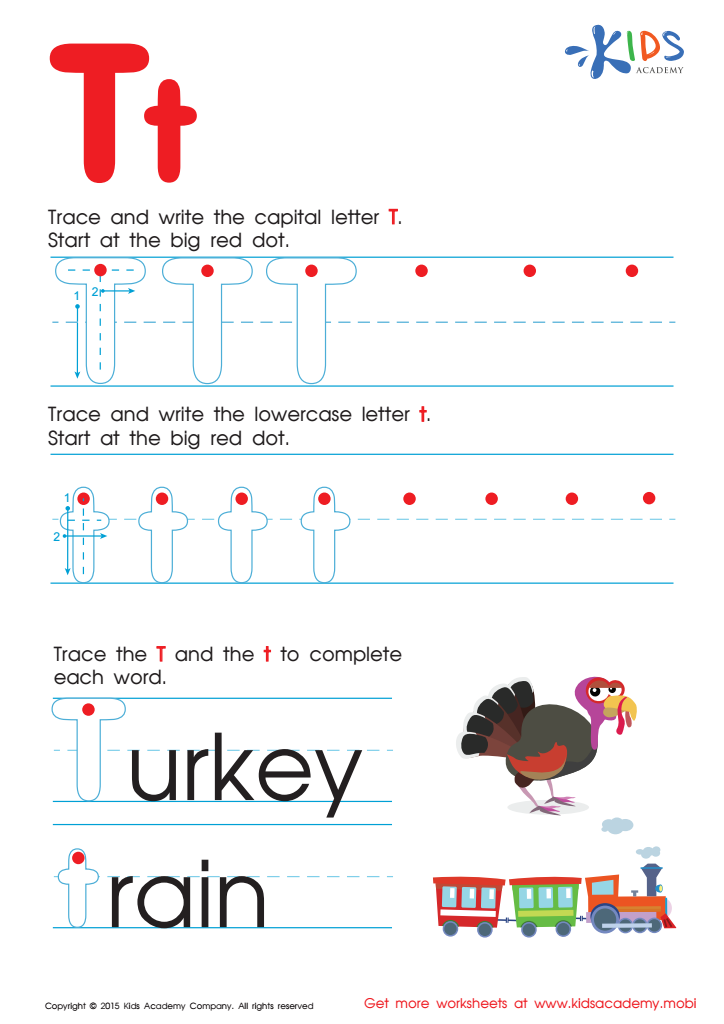
Letter T Tracing Page
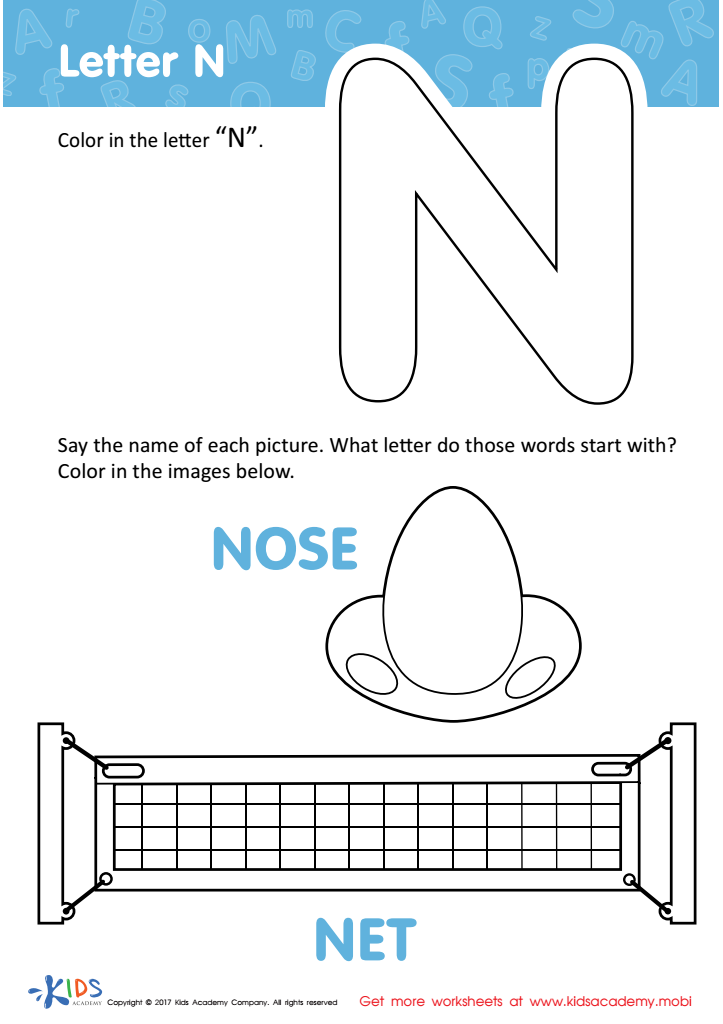
Letter N Coloring Sheet
Assign to My Students

Letter D Tracing Page





Fine motor skills and letter recognition are fundamental building blocks of early childhood development and literacy. These skills nurture a child’s ability to hold a pencil, manipulate small objects, and develop hand-eye coordination—essential tools for writing, drawing, and everyday tasks. Early exposure to fine motor activities enhances children’s dexterity and confidence, making them more prepared for school.
Simultaneously, letter recognition is crucial as it lays the groundwork for reading and language development. Recognizing letters enables children to decode words, understand their structure, and ultimately cultivate a love for reading. When children can identify letters, they can begin to grasp phonetic sounds, paving the way for successful reading experiences.
For parents and teachers, fostering these skills means investing in a child's acculturation toward academic success. They can incorporate playful activities, such as playdough modeling, cutting shapes, or letter-themed games, to make learning enjoyable. Supporting these developmental milestones encourages lifelong learning habits and prepares children for their educational future, ensuring they reach their full potential. Ultimately, nurturing fine motor skills and letter recognition in preschoolers plays a pivotal role in shaping their confidence, curiosity, and capabilities as they embark on their learning journey.