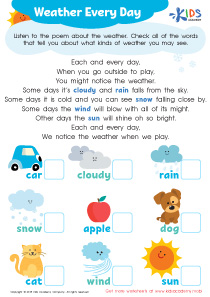
Vocabulary expansion Preschool Vowels Worksheets
7 filtered results
-
From - To
Enhance your preschooler's vocabulary with engaging Vowels Worksheets designed to make learning enjoyable! Our thoughtfully crafted worksheets focus on vowel recognition and usage, helping young learners expand their language skills. Through interactive activities and fun illustrations, children will explore words featuring vowels, fostering a strong foundation for reading and writing. These worksheets encourage kids to identify, match, and practice vowel sounds while building their vocabulary in a playful environment. Perfect for parents and educators, our resources cater to diverse learning styles and spark curiosity. Dive into the world of vowels and watch your child’s language skills flourish with our comprehensive vocabulary expansion activities!
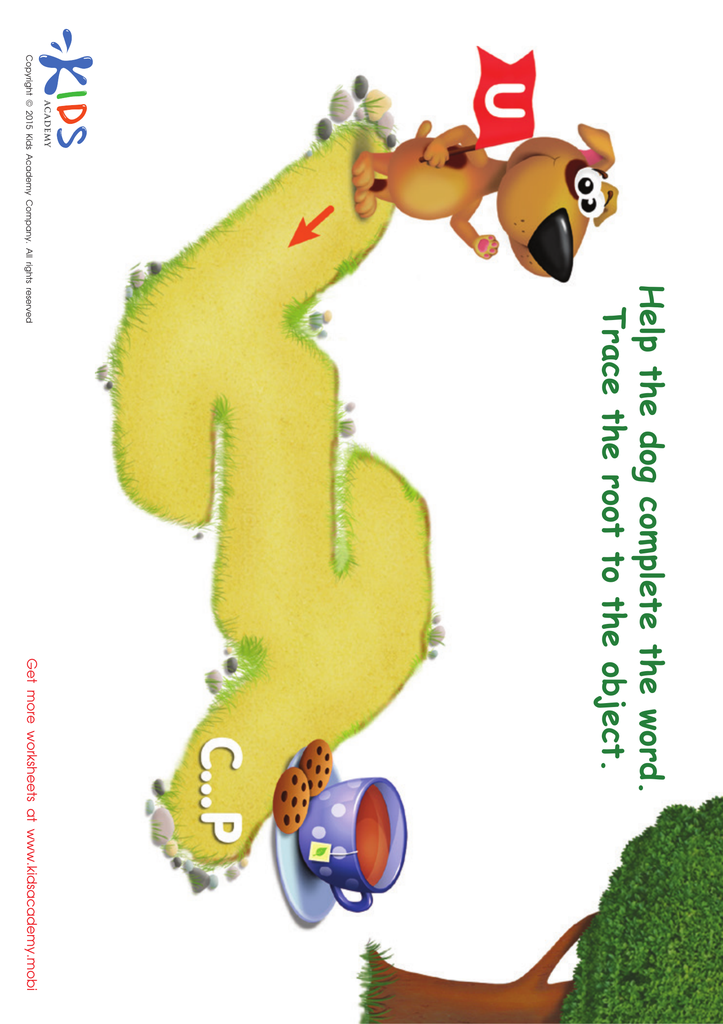
Short Vowel Sound U Worksheet Worksheet
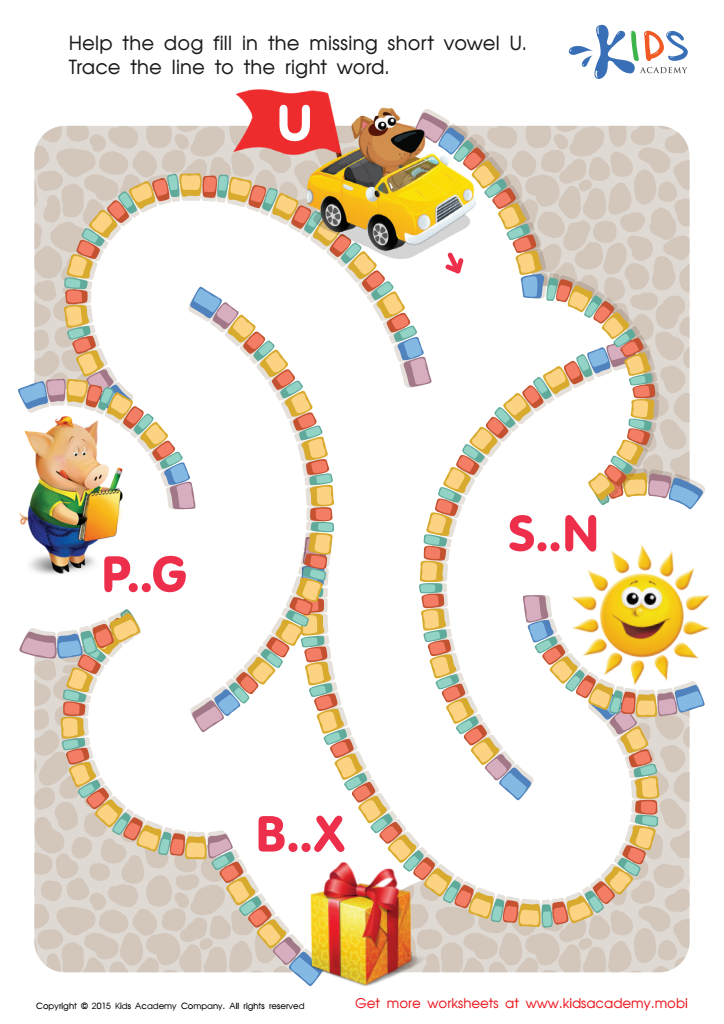
Short Vowel Sound U Worksheet

Long and Short U Worksheet
 Assign to My Students
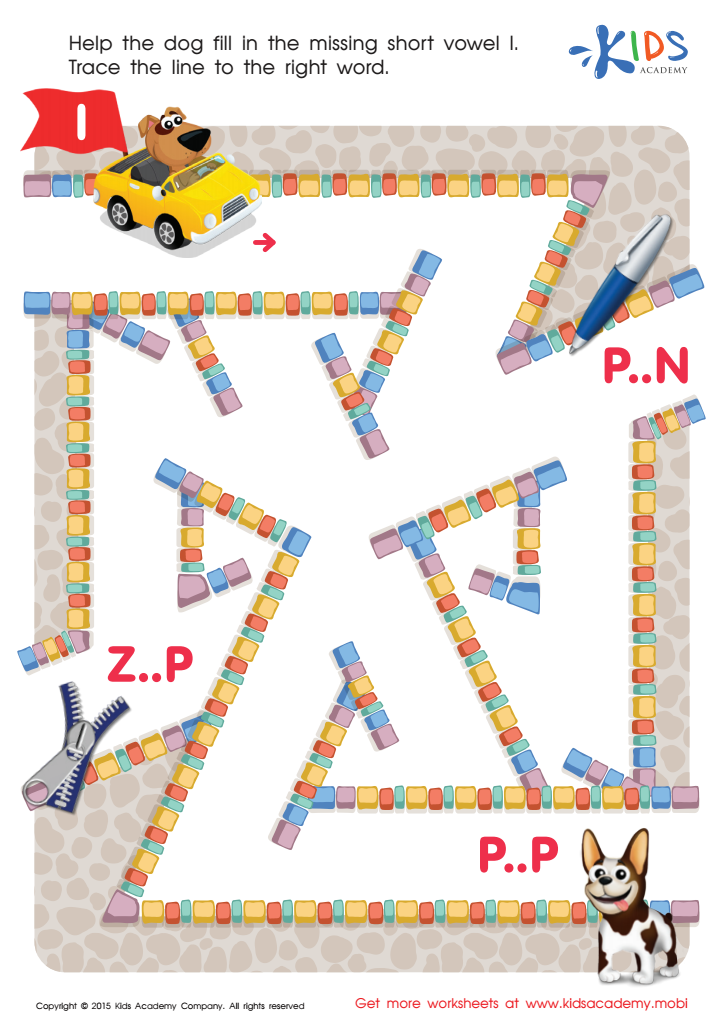
Short Vowel Sound I Worksheet
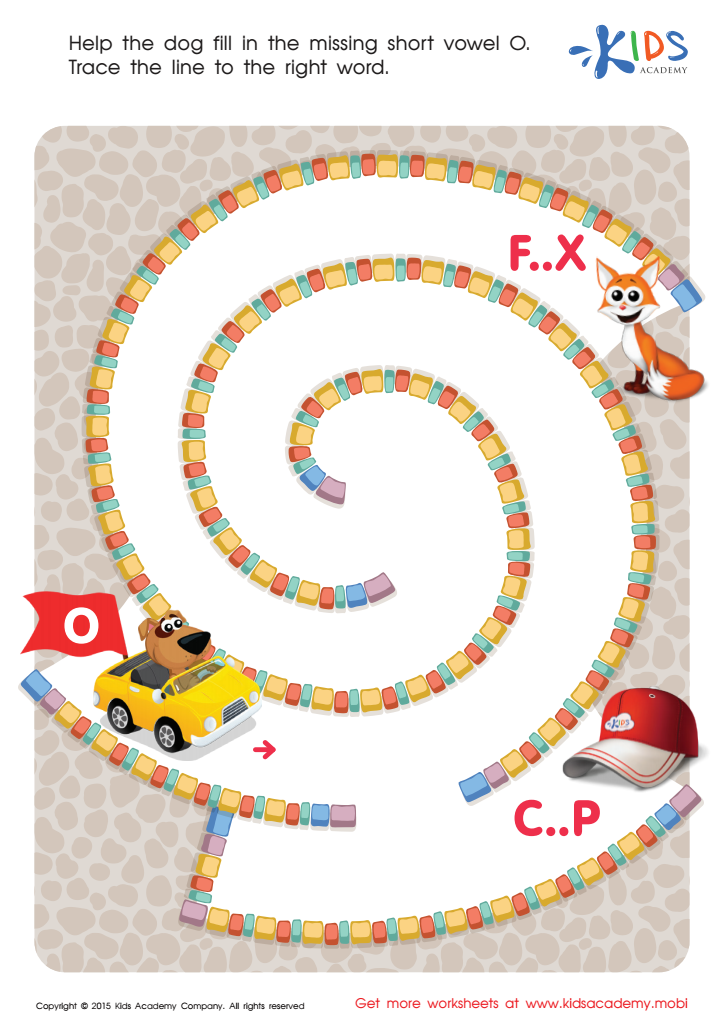
Short Vowel Sound O Worksheet
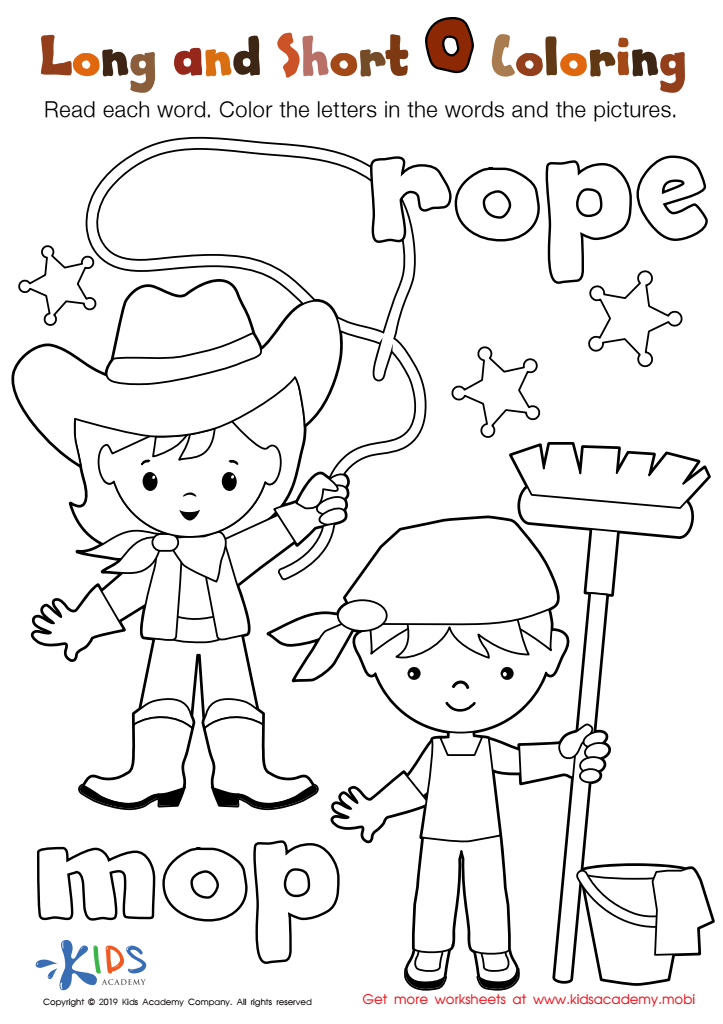
Long and Short O Worksheet
Assign to My Students
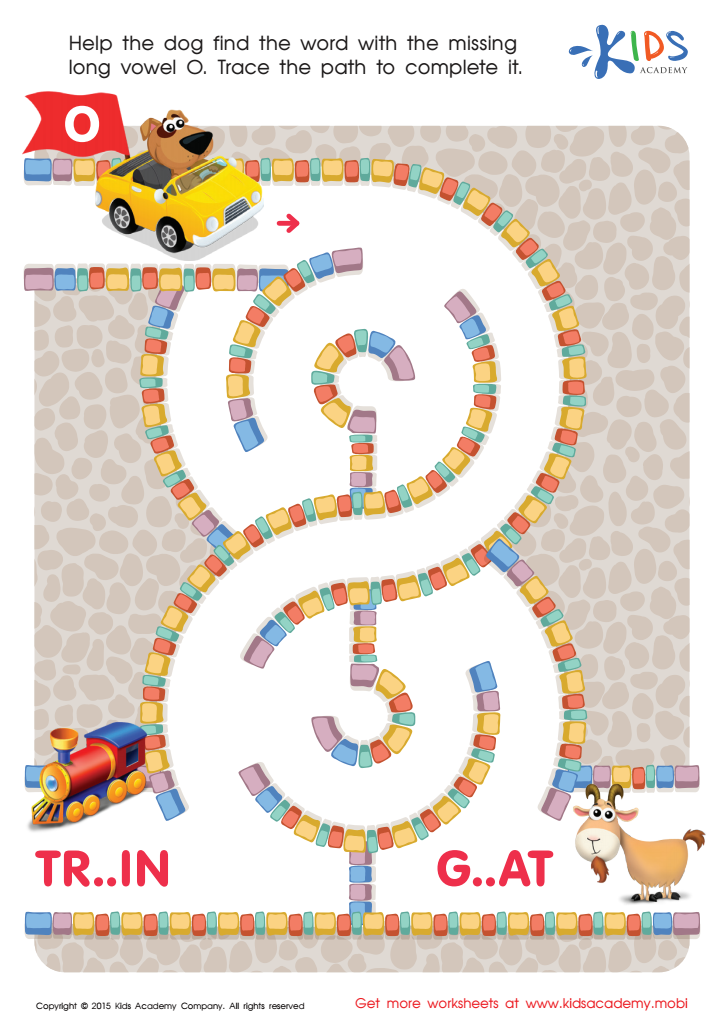
Long Vowel Sound O Worksheet



Vocabulary expansion in preschool is crucial for several reasons, particularly concerning vowel sounds, which are foundational to language development. Research shows that a rich vocabulary enhances literacy skills, enabling children to decode words more effectively and develop stronger reading comprehension. For preschoolers, mastering vowel sounds is essential because vowels are the core components of words; understanding their various sounds helps children manipulate and blend sounds, forming a basis for early phonetic skills.
Parents and teachers should care about vowel instruction because it lays the groundwork for effective communication. Children with a well-developed vocabulary express their feelings and thoughts clearly, fostering better social interactions and emotional skills. Furthermore, a strong vocabulary leads children to perform better academically as they advance to higher grades.
Engaging activities such as songs, rhymes, and storytelling that emphasize vowel sounds can make learning enjoyable. Encouraging environmental print, such as labeling objects, can also double as an effective lesson in word recognition.
In conclusion, prioritizing vocabulary expansion and vowel recognition is vital for supporting preschool-aged children’s overall development, laying the pathway for future academic success and confident social communication skills. Involving parents and teachers in this effort is essential to create a robust learning environment.