Developing Concentration Preschool Adding Up to 5 Worksheets
5 filtered results
-
From - To
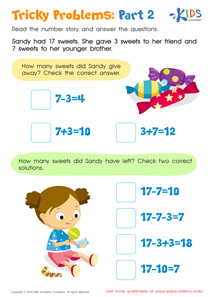
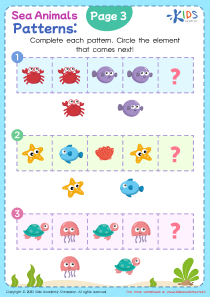
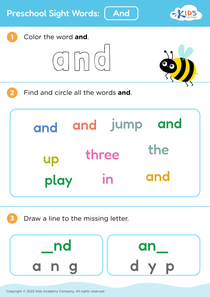
Boost your child's concentration skills with our "Developing Concentration Preschool Adding Up to 5 Worksheets." Designed for early learners, these engaging worksheets provide fun and interactive activities that enhance focus and attention. As children work to solve simple addition problems totaling up to 5, they will build their math abilities while gaining confidence. Our thoughtfully crafted exercises encourage repetition, making it easier for preschoolers to grasp fundamental math concepts. Ideal for classroom use or at-home learning, these worksheets support the development of essential concentration skills alongside early numeracy. Unlock your child's potential with these enjoyable, educational resources today!
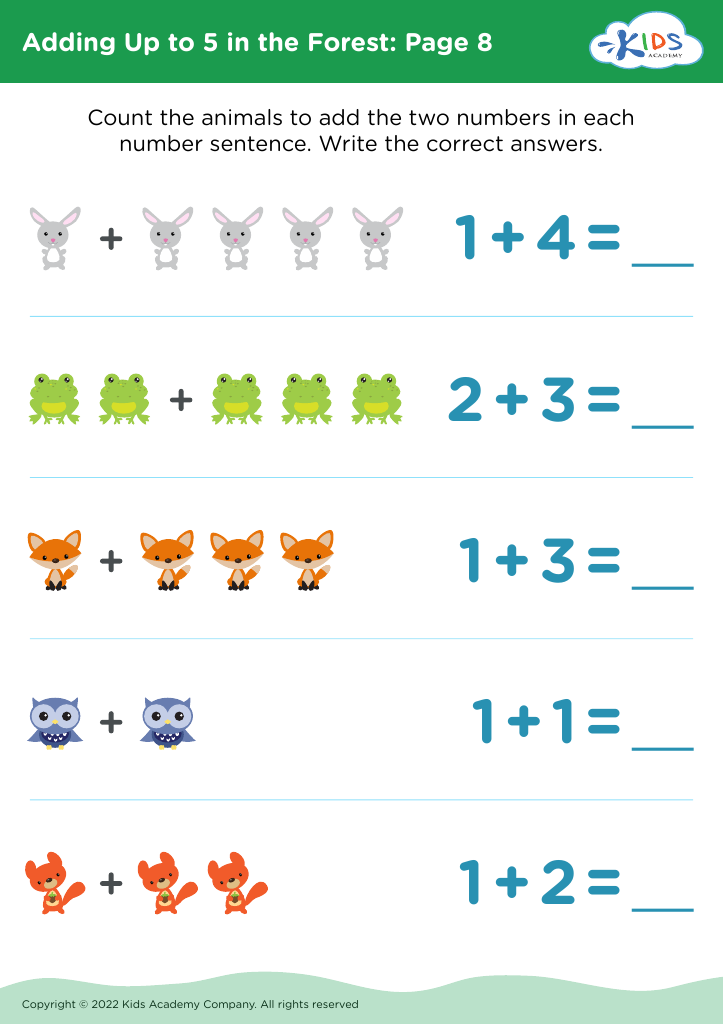
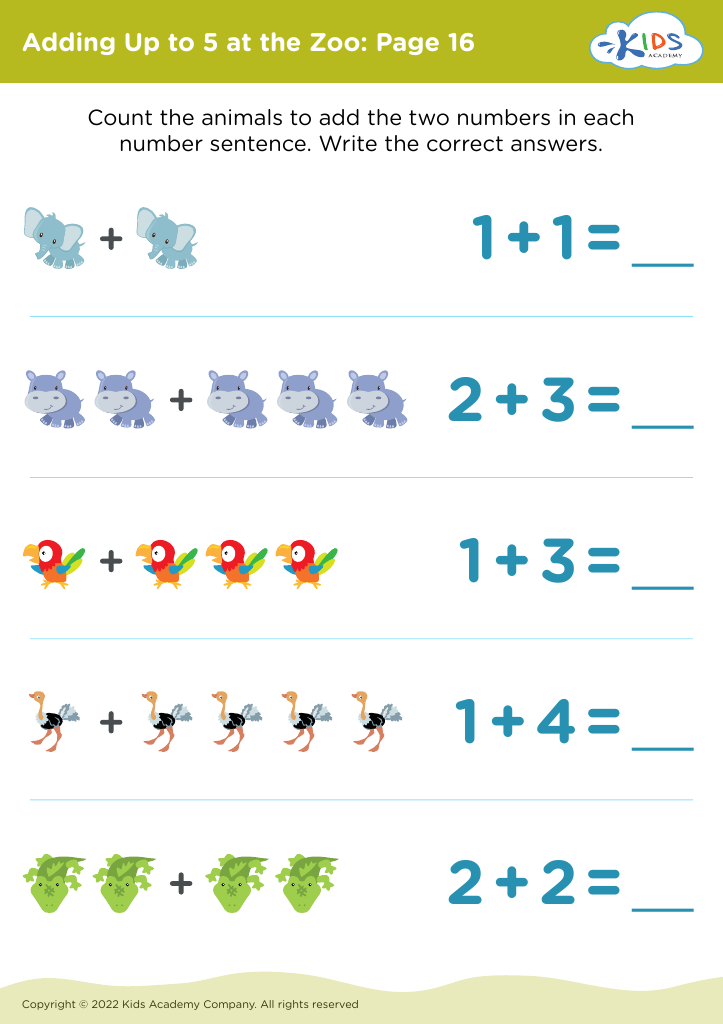
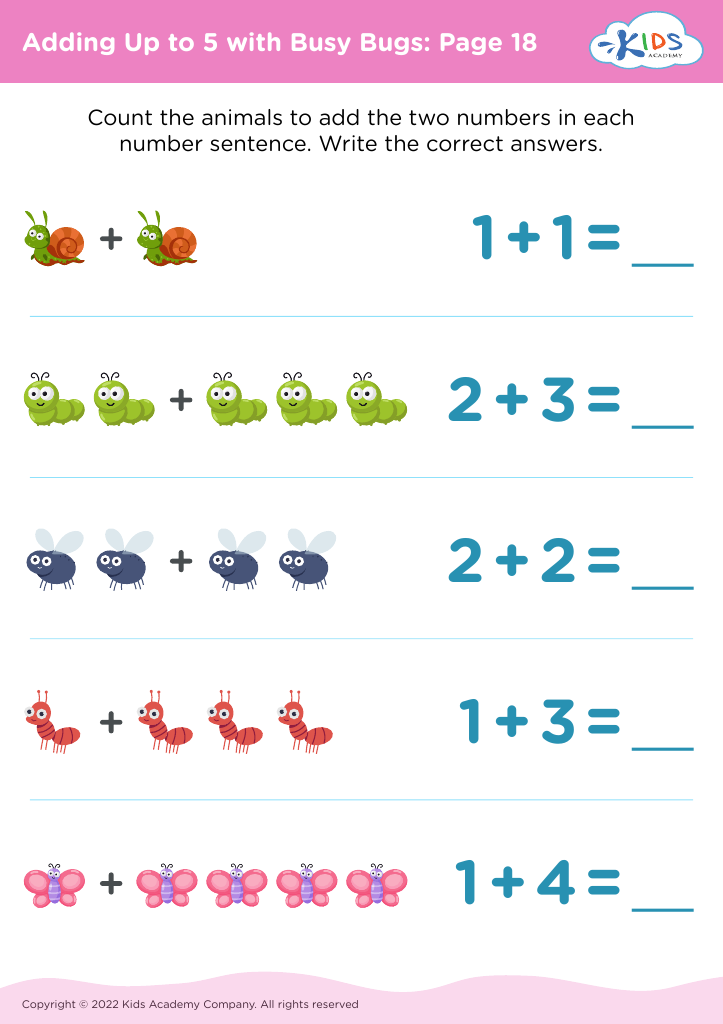
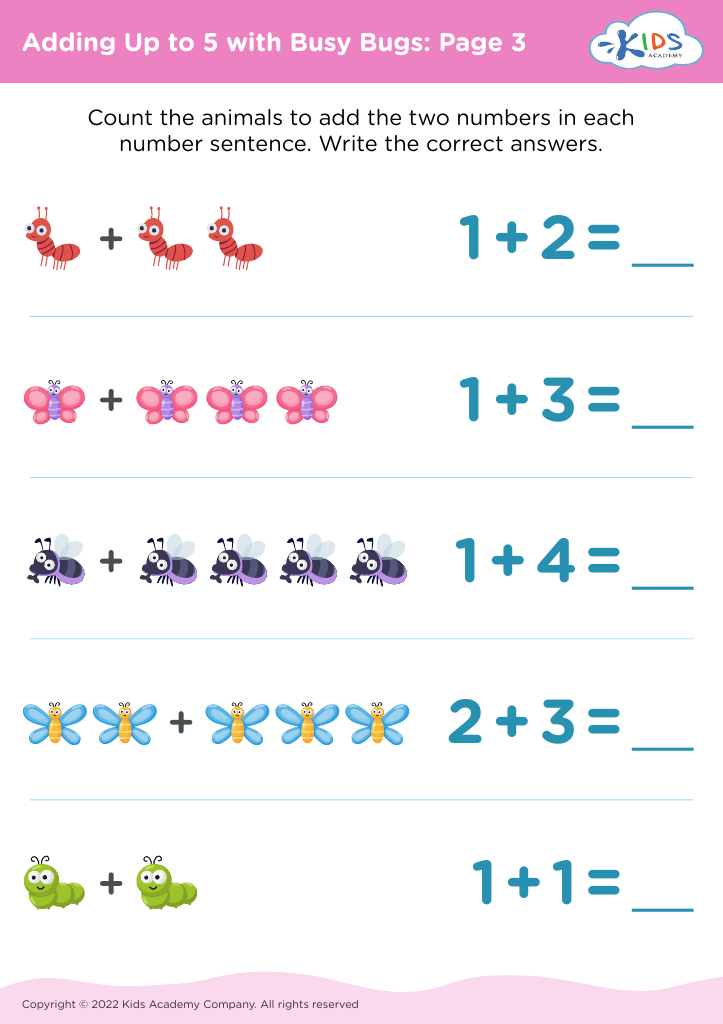
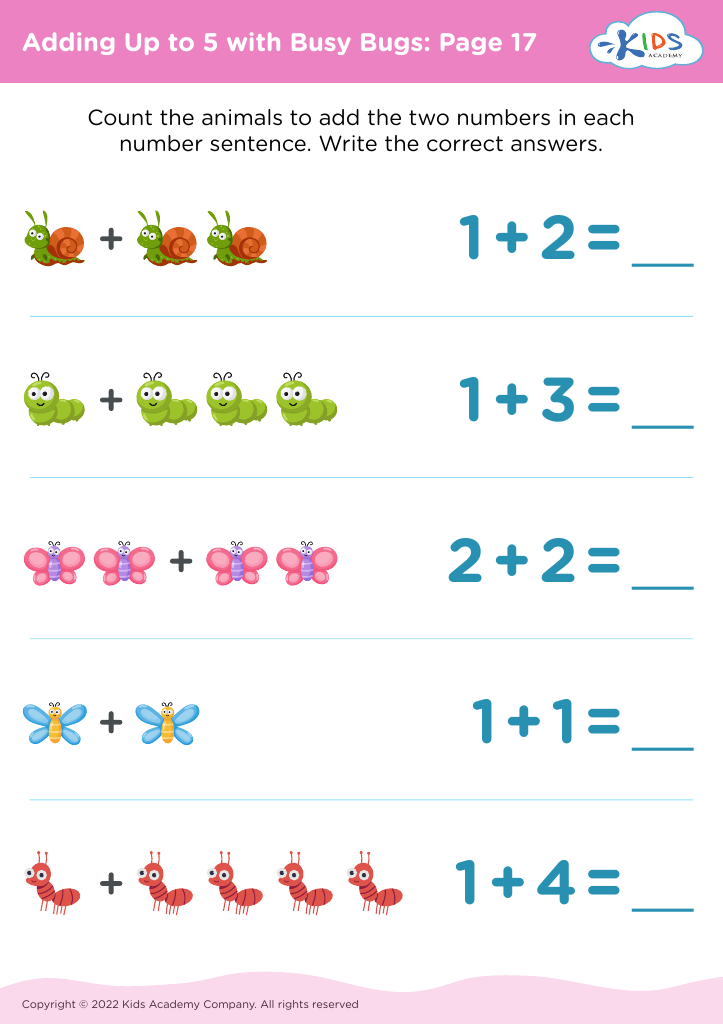


Developing concentration in preschoolers, particularly in contexts like adding up to 5, is essential for several reasons. First, concentration is a foundational skill that significantly influences a child's ability to learn and retain new information. When children focus on tasks, such as counting and simple addition, they improve their cognitive abilities, enhancing memory and problem-solving skills.
Second, early mathematical concepts, like adding up to 5, serve as the building blocks for future math learning. By mastering these early skills, children are more likely to develop a positive attitude towards math, fostering confidence as they progress to more complex concepts. Engaging preschoolers in interactive mathematical activities helps to sustain their attention while making learning enjoyable.
Moreover, concentration exercises help children boost their impulse control, an essential aspect of self-regulation that forms the basis for social interactions and emotional responses. By teaching them to focus, parents and teachers guide preschoolers in developing patience and persistence essential for lifelong learning.
In summary, prioritizing concentration in preschool by integrating simple math tasks not only equips children with necessary academic skills but also nurtures important emotional and social competencies, laying a strong foundation for future educational success.