Fine motor skills (drawing lines) Preschool Adding Up to 5 Worksheets
3 filtered results
-
From - To
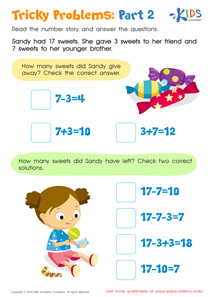
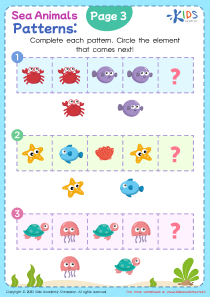
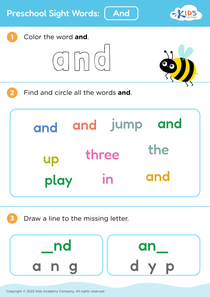
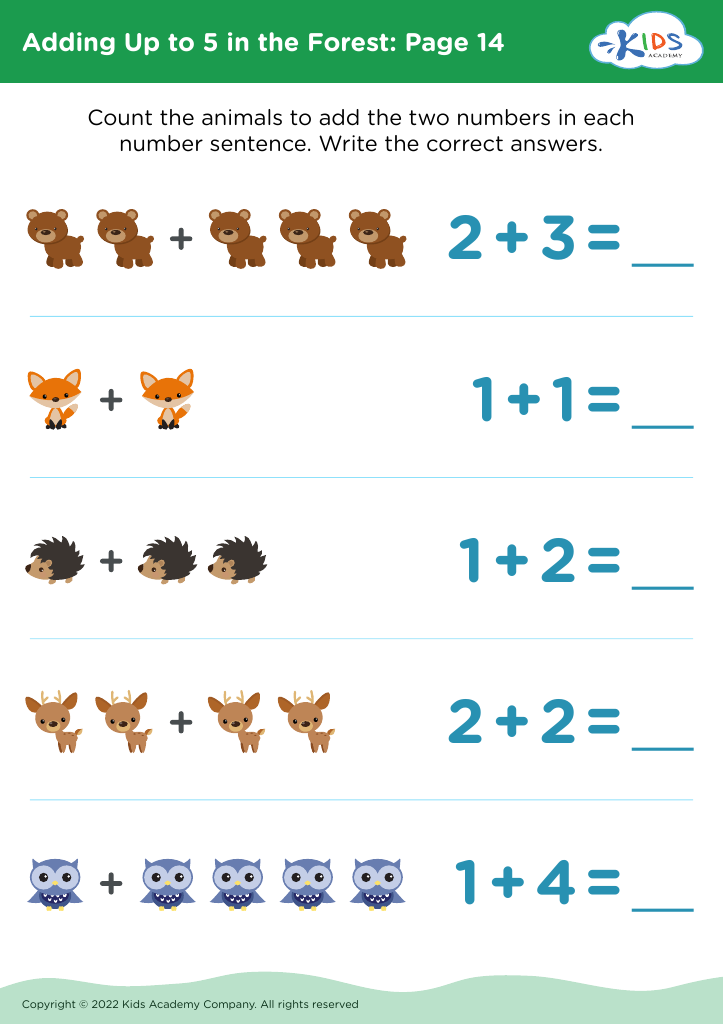
Enhance your preschooler's fine motor skills with our engaging "Drawing Lines" worksheets, designed to support early math learning through creative activities. These printable worksheets focus on adding up to 5 while encouraging children to practice drawing straight and curved lines. By combining fine motor dexterity with basic counting skills, kids will have fun as they develop hand-eye coordination and pencil control. Each worksheet is colorfully illustrated and designed to spark your child's imagination, making learning both enjoyable and effective. Ideal for enhancing classroom activities or reinforcing at-home learning, our worksheets are perfect for little hands ready to explore the world of numbers!
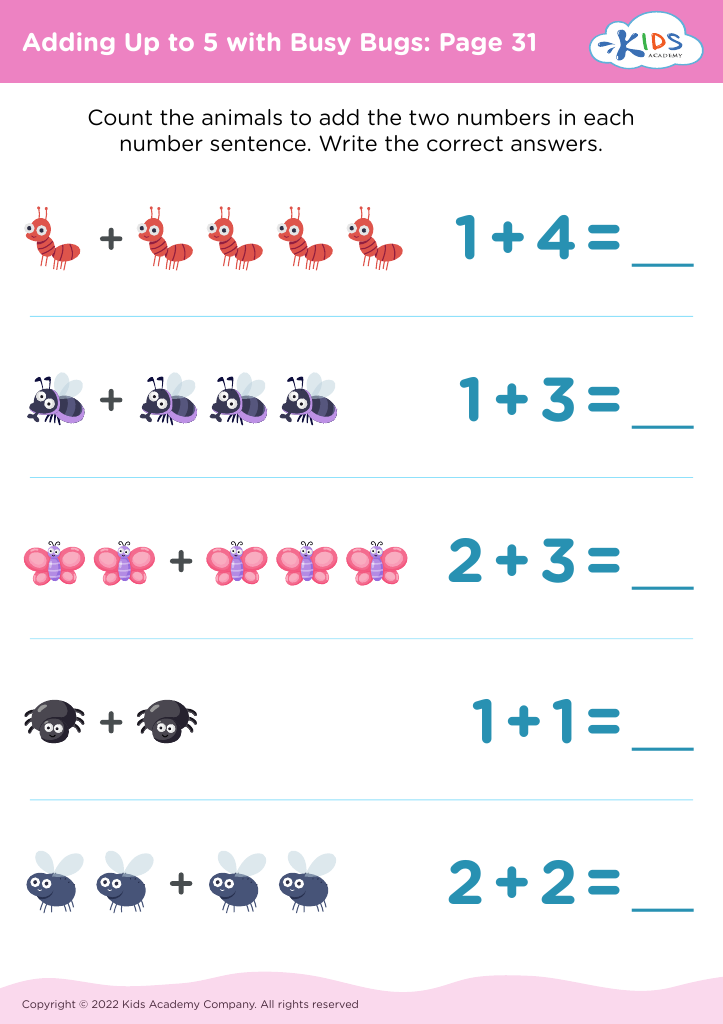
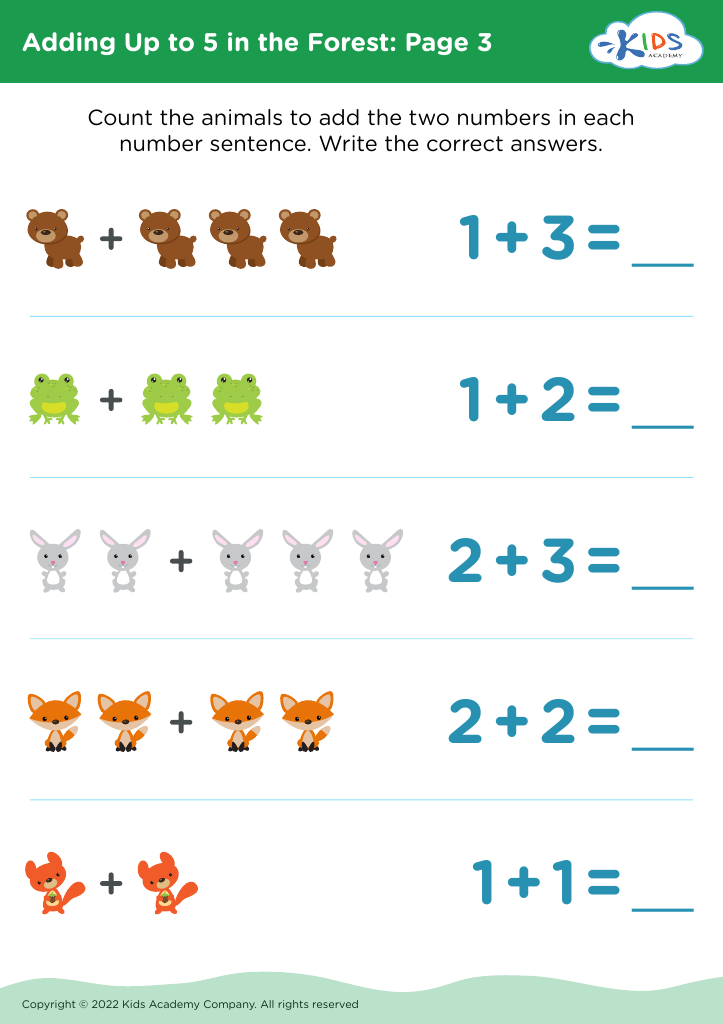


Fine motor skills are crucial for young children as they lay the foundation for various essential tasks, including writing, drawing, and even everyday activities like buttoning a shirt or eating with utensils. Focusing on activities like drawing lines helps children strengthen the small muscles in their hands and fingers, promoting better hand-eye coordination and dexterity. These skills are critical for a child’s readiness for school and future learning experiences.
Moreover, incorporating concepts like adding up to 5 during preschool activities can bolster cognitive development and problem-solving abilities. Understanding numbers and engaging in simple addition exercises solidifies foundational math skills. When children draw lines to connect numbers or create shapes, they not only practice fine motor skills but also visualize mathematical concepts, enhancing their comprehension and retention.
By merging fine motor skill development with early math learning, parents and teachers can create a holistic learning environment. This approach fosters confidence, encourages creativity, and promotes critical thinking, setting the stage for lifelong learning. Supporting children in developing these skills prepares them for more complex tasks in the future, making it essential for adults to take an active interest in nurturing these abilities.