Fine motor skills (writing) Preschool Adding Up to 5 Worksheets - Page 2
32 filtered results
-
From - To
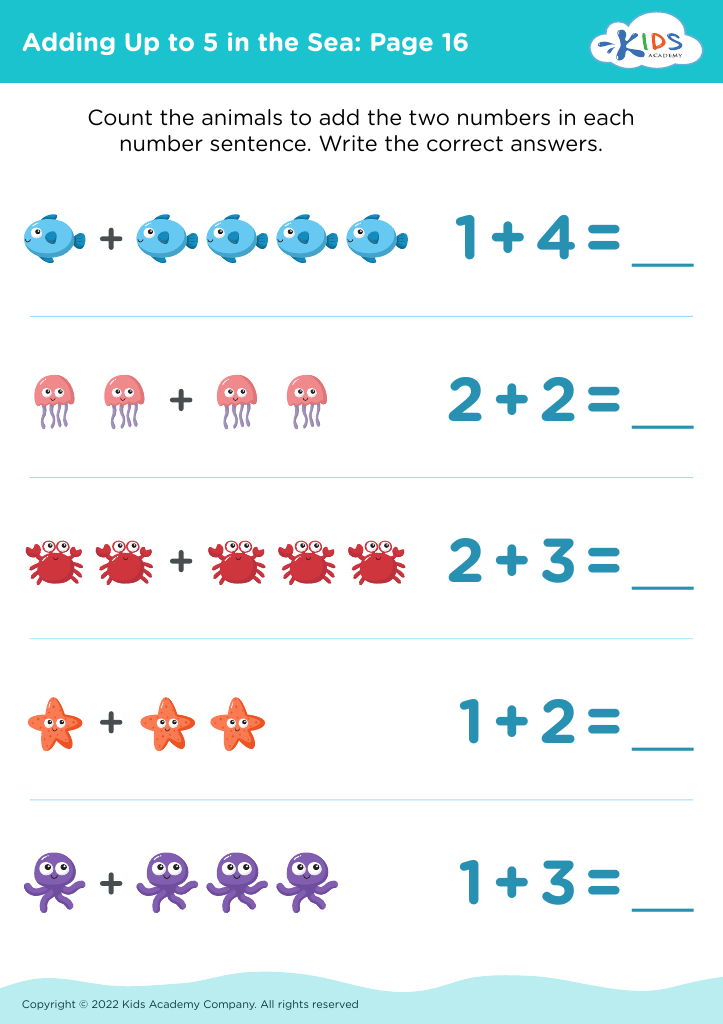
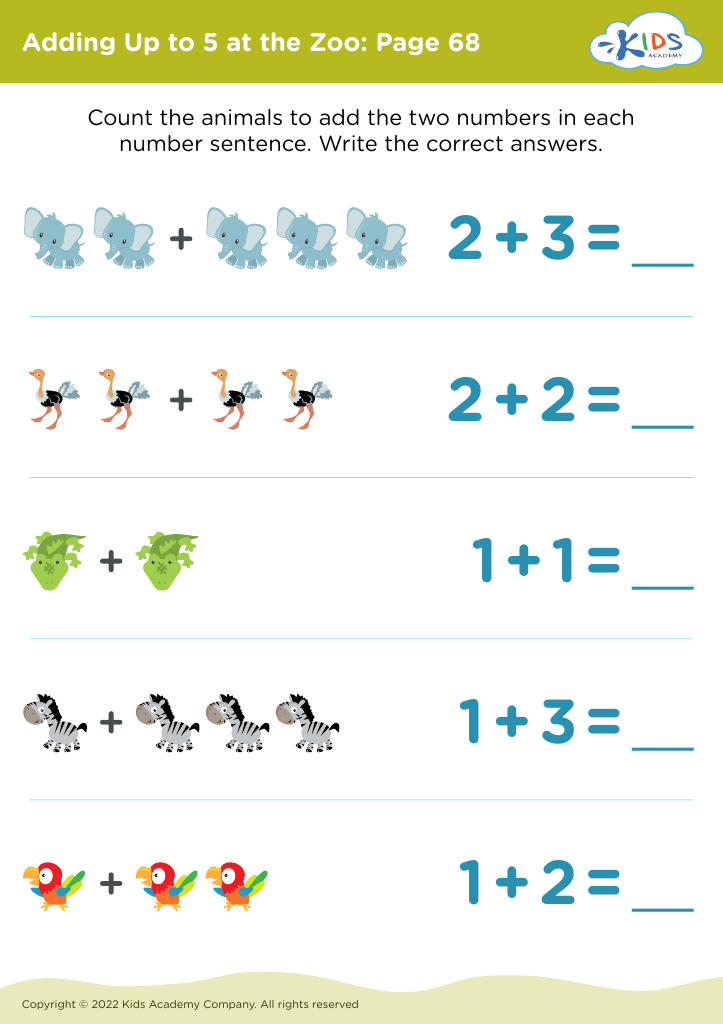
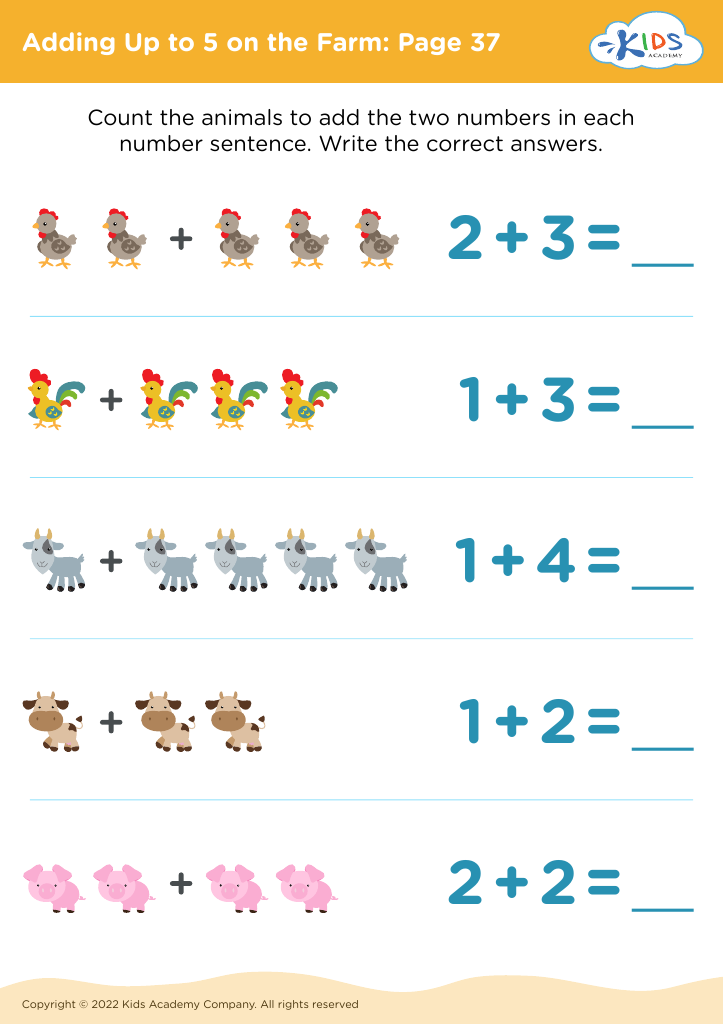
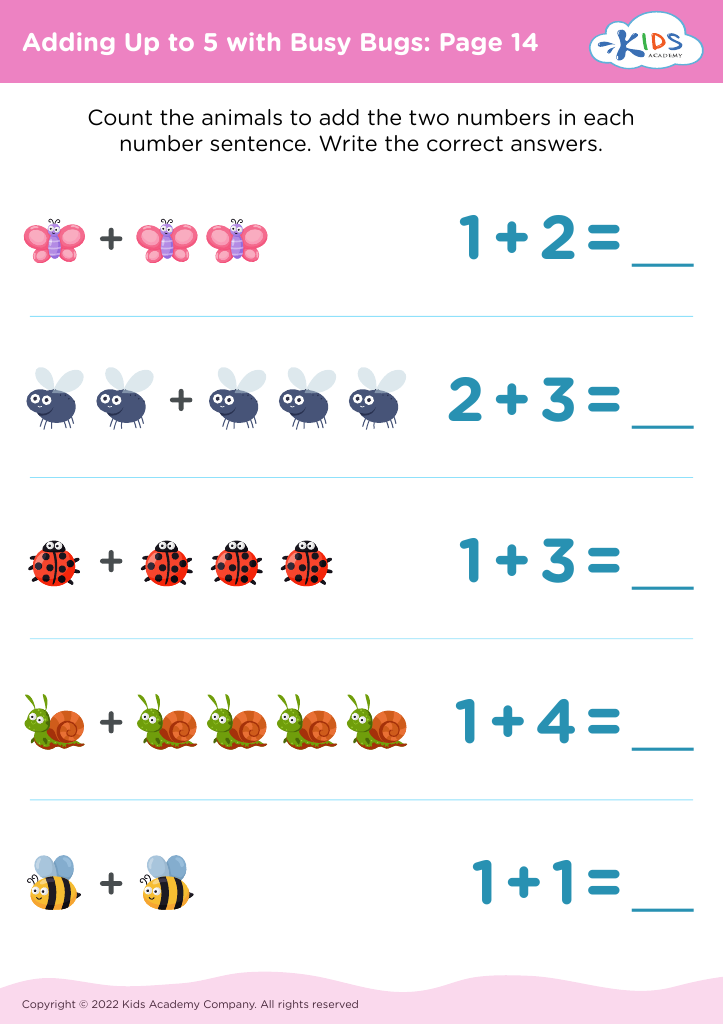
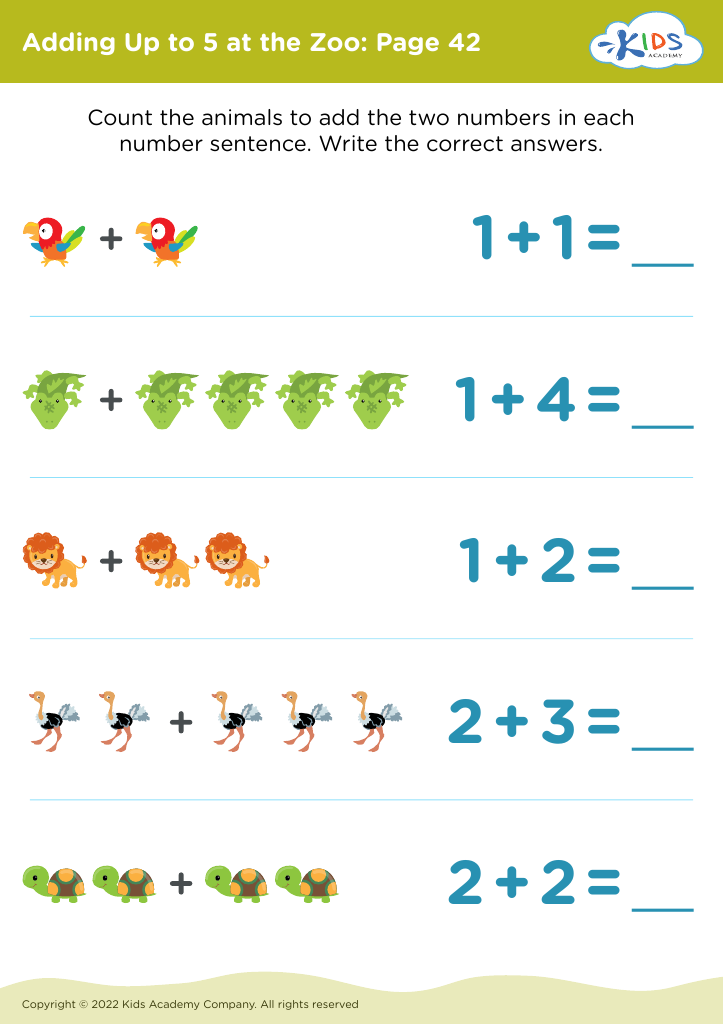
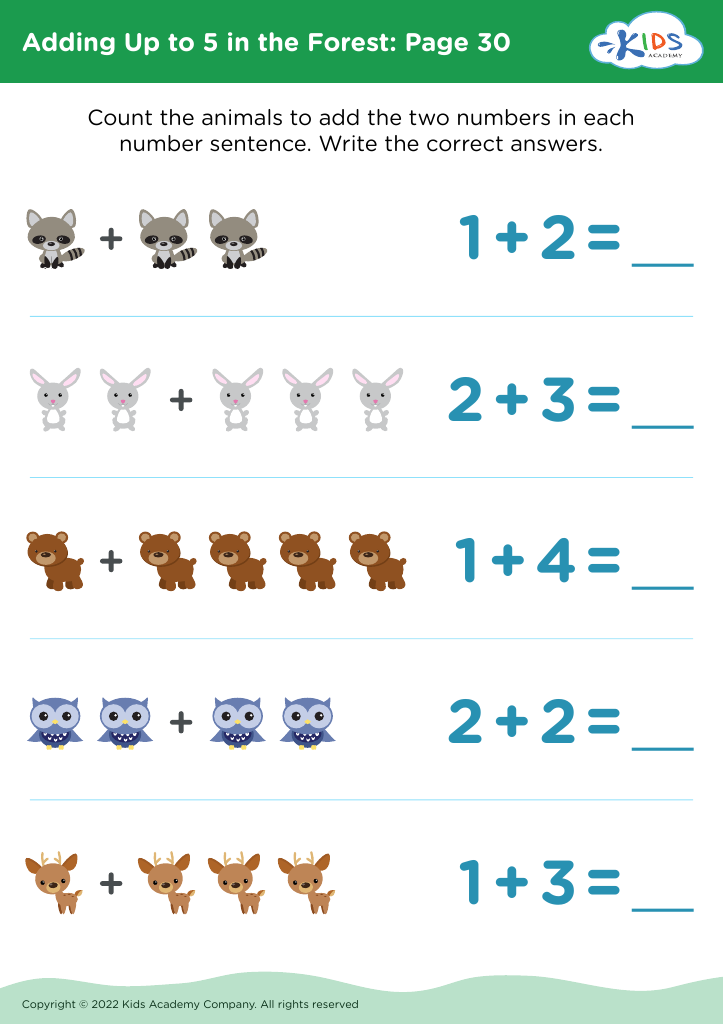
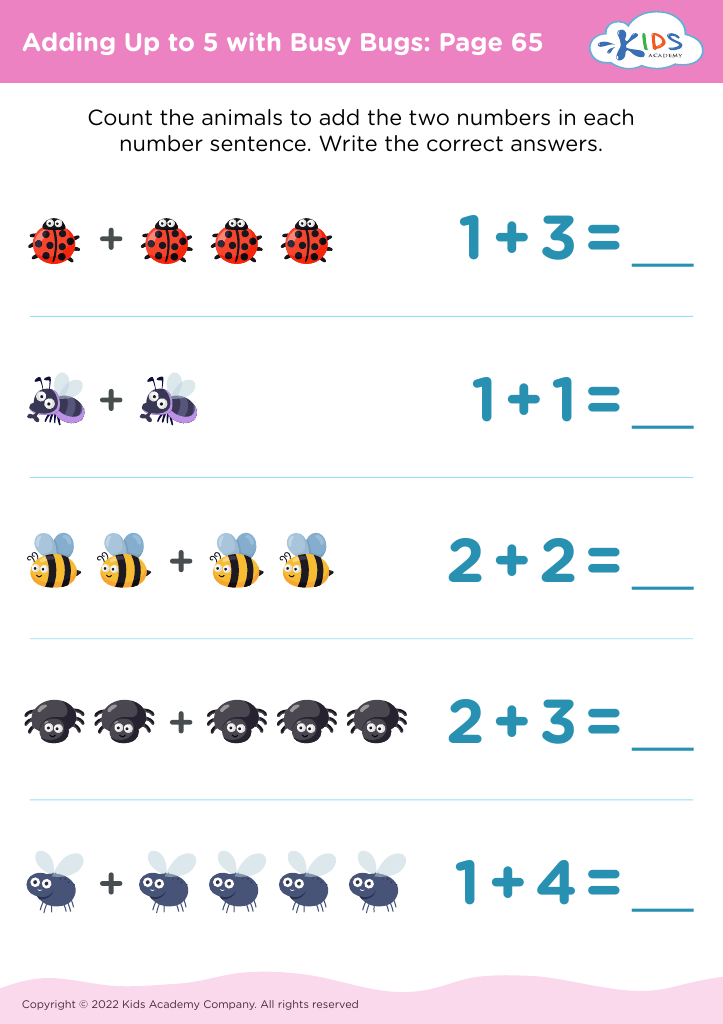



Fine motor skills are crucial for preschoolers as they lay the foundation for writing and otherhand-eye coordination tasks. Developing these skills enables children to hold and manipulate writing instruments with precision, which is vital for their educational journey.
When preschoolers practice fine motor activities—such as using scissors, threading beads, or coloring—they gain better control over their fingers and hands, enhancing their writing abilities. Writing requires coordination, balance, and grip strength, making fine motor development essential.
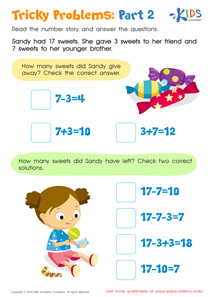
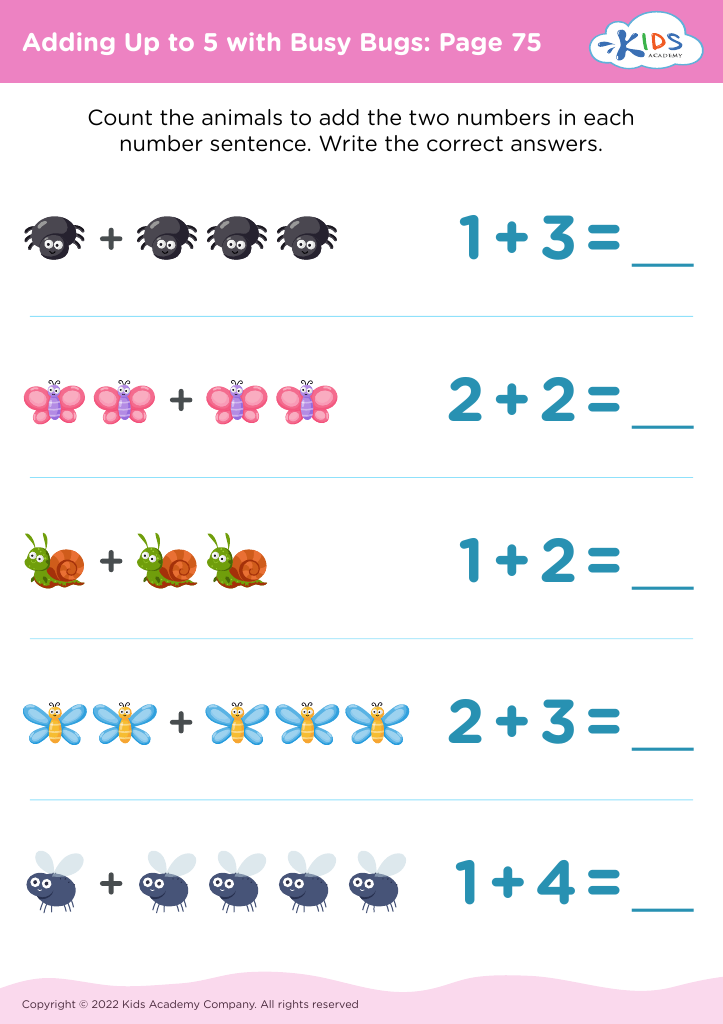
Moreover, integrating fine motor skill activities with math concepts, such as "adding up to 5," supports cognitive growth. For instance, children can use counting manipulatives or mark-making in the process of solving simple addition problems. This approach strengthens both numerical understanding and fine motor refinement.
By fostering these skills, parents and teachers empower children to become more confident in their writing and problem-solving abilities, promoting a positive learning experience. When fine motor skills are prioritized, children are more equipped to tackle academic challenges as they progress through their education, facilitating smoother transitions to more advanced writing and math tasks in the future. Investing in these skills sets the stage for lifelong learning.