Understanding numbers Preschool Adding Up to 5 Worksheets
3 filtered results
-
From - To
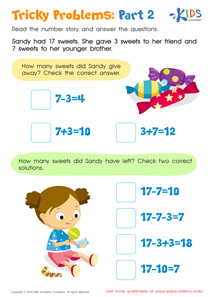
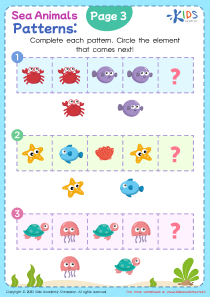
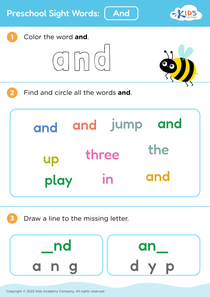
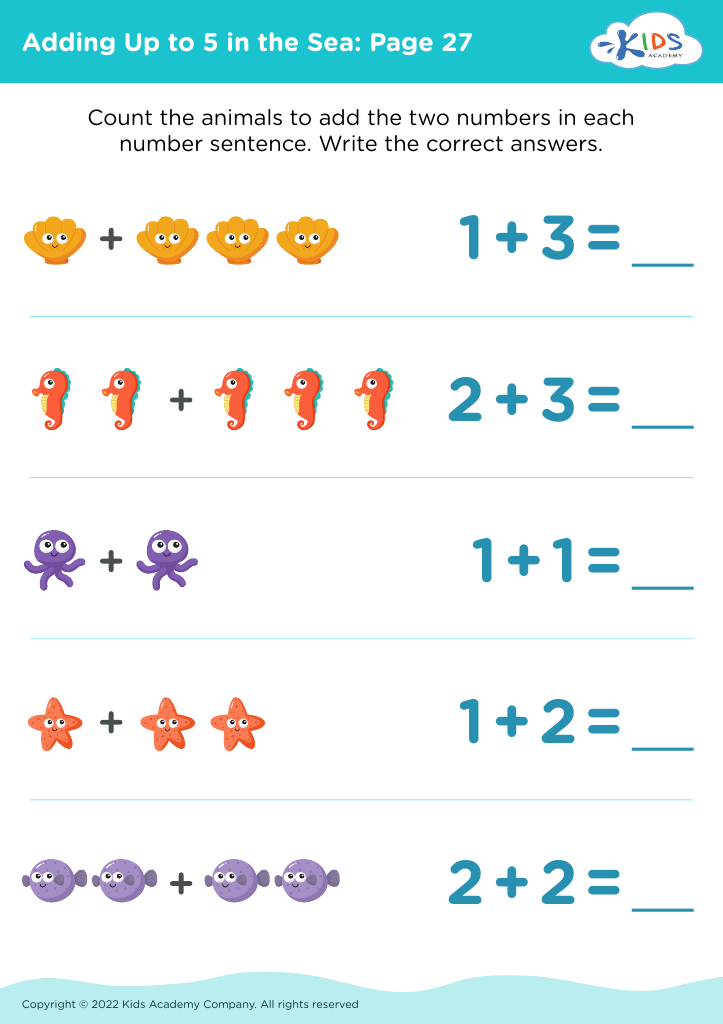
Dive into math fun with our 'Understanding Numbers: Preschool Adding Up to 5 Worksheets.' Tailored for young learners, these vibrant worksheets are designed to help preschoolers grasp basic addition concepts in an engaging way. By using adorable illustrations, counting exercises, and simple problems, kids will learn to add numbers up to 5. This hands-on approach not only reinforces counting skills but also fosters confidence and a love for math. Perfect for parents and educators, our worksheets offer a delightful foundation for early math success. Start your child's journey to number mastery with these playful and educational resources!
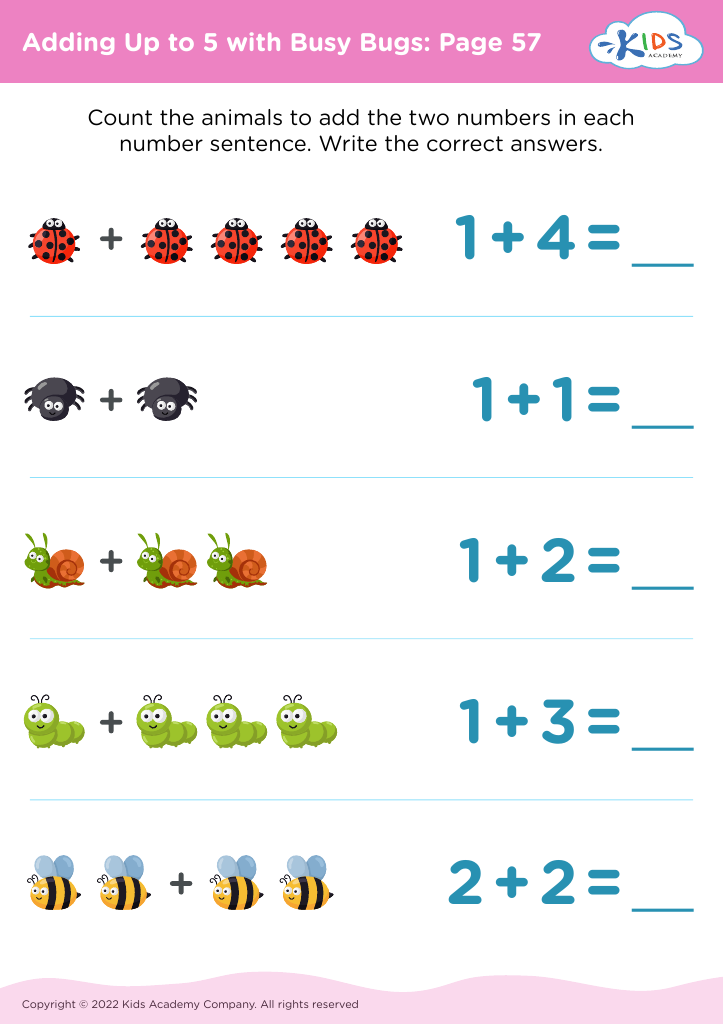
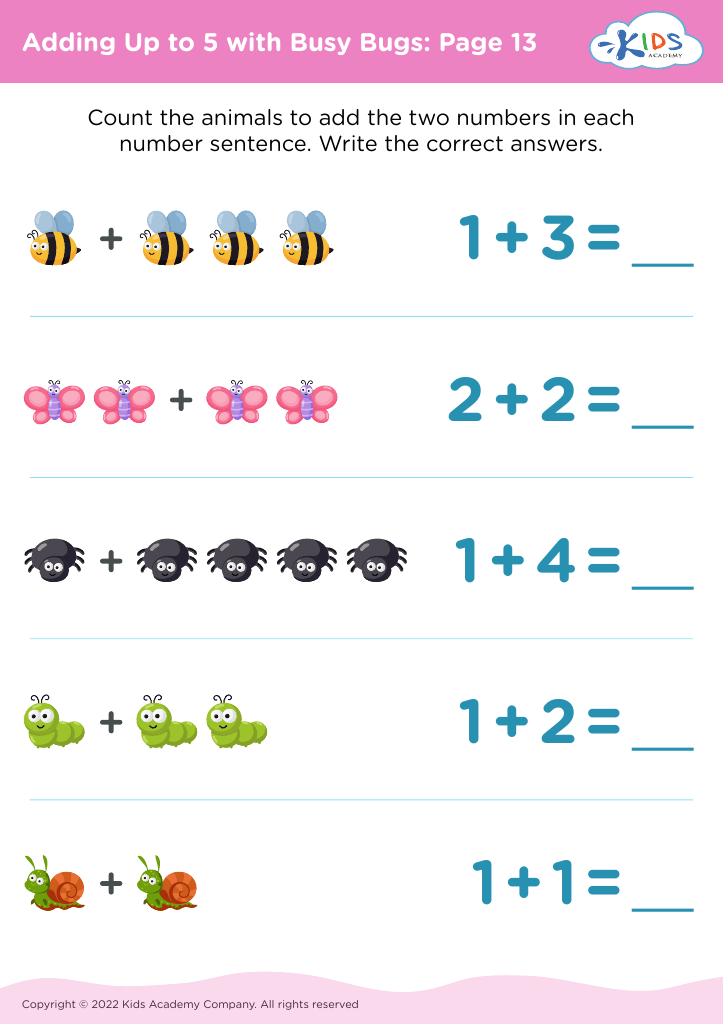


Understanding numbers and adding up to 5 in preschool is a foundational math skill that sets the stage for more complex arithmetic concepts. For parents and teachers, recognizing the importance of this early mathematical development is crucial for several reasons.
First, developing number sense helps children understand and organize their world. Numbers are everywhere—from counting toys, steps, or snack pieces. As children become comfortable with numbers up to 5, they build confidence in recognizing patterns and relationships which underpins future mathematical learning.
Second, early addition skills stimulate cognitive development. Trying to solve simple problems such as "2 apples plus 3 apples" encourages logical thinking and problem-solving abilities. This mental exercise enhances memory, focus, and the ability to perform multi-step processes.
Third, success in these early stages fosters a positive attitude towards math. When children achieve small mathematical milestones, they experience a sense of accomplishment and are more likely to approach future challenges with enthusiasm, rather than anxiety.
Finally, having these skills established in preschool helps teachers and parents identify areas where a child might need additional support, ensuring that any learning difficulties are addressed early on.
In conclusion, fostering number understanding and simple addition in preschool equips children with essential tools for academic success and promotes crucial cognitive and emotional development.