Artistic Expression Preschool Math Worksheets
3 filtered results
Difficulty Level
Grade
Age
-
From - To
Subject
Activity
Standards
Welcome to our "Artistic Expression Preschool Math Worksheets" page, where creativity meets foundational math skills! Designed for young learners, these worksheets blend artistic activities with essential math concepts, making learning both fun and engaging. Each activity encourages children to express their creativity while practicing counting, number recognition, and basic arithmetic. With vibrant illustrations and interactive tasks, our worksheets foster a love for learning through play. Ideal for home or classroom use, these resources help develop critical thinking and problem-solving skills in a playful way. Explore our collection and watch your little ones flourish as they explore the joy of math through artistic expression!
Favorites
With answer key
Interactive
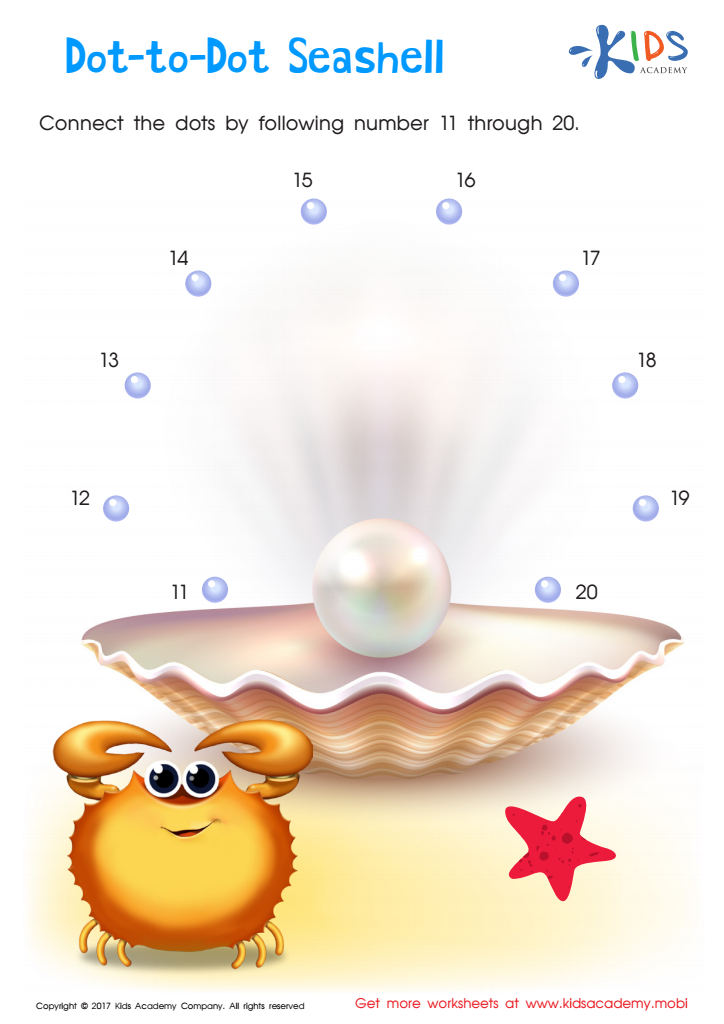
Ordering 11–20: Dot–to–dot Seashell Printable
Connecting the dots 11 to 20 is rewarding for kids, helping them practice counting, identifying numbers and gain cognitive and logical skills. Our worksheet features a vibrant image of a seashell, crab and sea star, and your child will feel rewarded creating it while honing their counting skills!
 Assign to My Students
Ordering 11–20: Dot–to–dot Seashell Printable
Worksheet
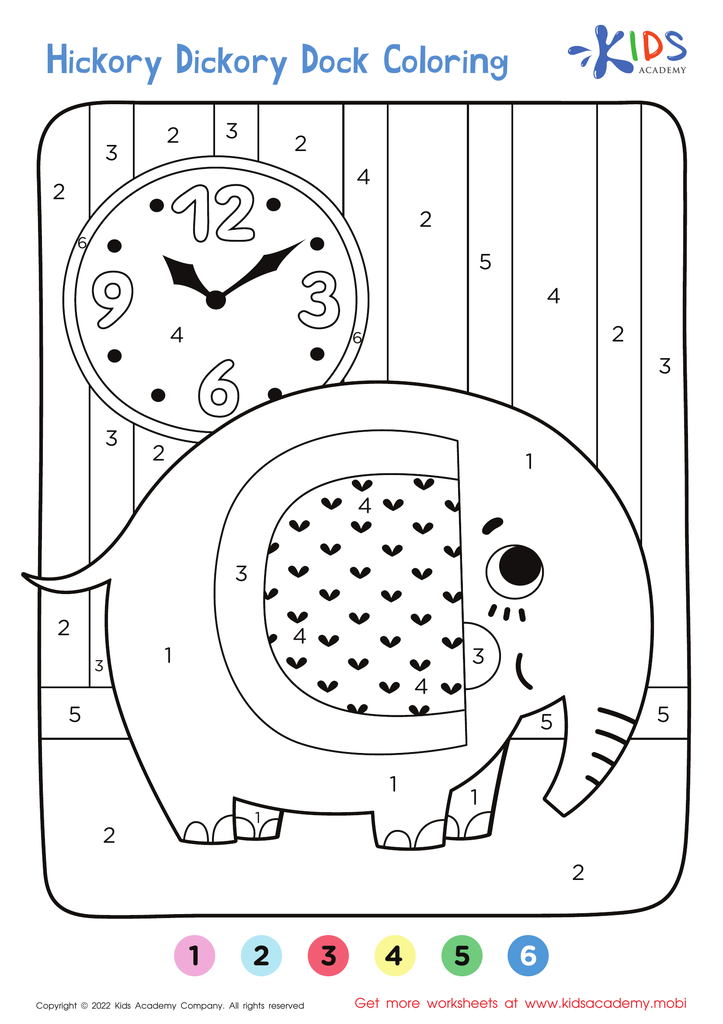
Hickory Dickory Dock – Coloring by Numbers
Colour in a classic nursery rhyme with our free Hickory Dickory Dock PDF page. Follow the numbers to create a scene that will bring the rhyme to life. Download now and get creative!
Hickory Dickory Dock – Coloring by Numbers
Worksheet
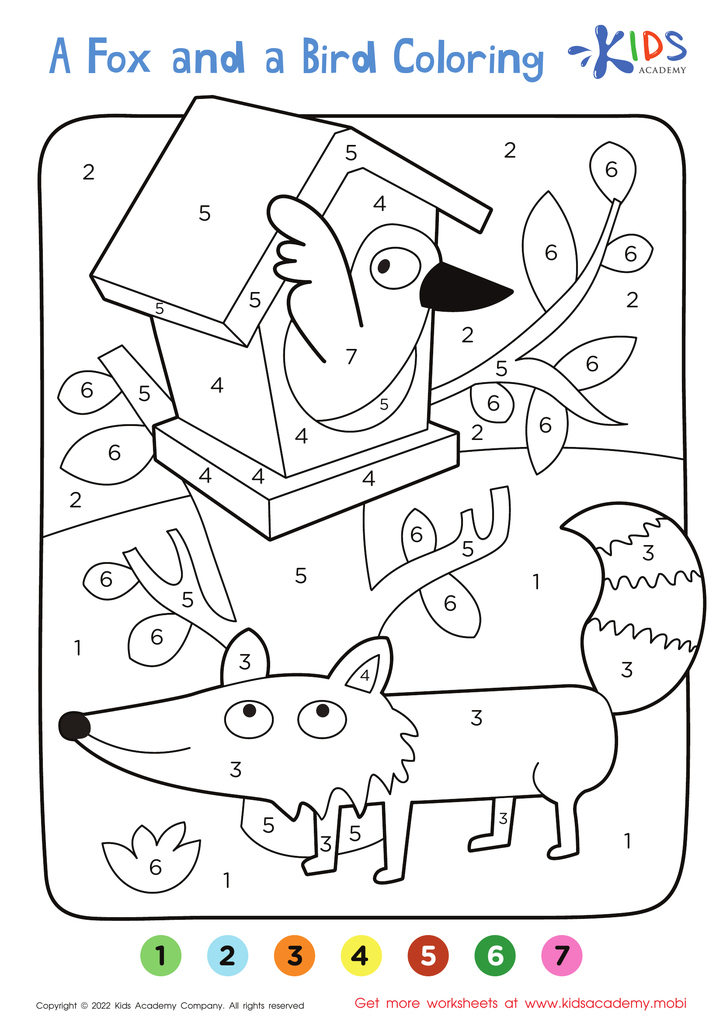
A Fox and a Bird – Coloring by Numbers
Download this free PDF page and color the fox and bird using numbers. Fun and easy way to be creative with the whole family! Spend quality time together and create something unique.
A Fox and a Bird – Coloring by Numbers
Worksheet
Join Kids Academy for Free
Who is primarily going to use this learning content?







Parents and teachers should prioritize artistic expression in preschool math because it fosters a holistic approach to learning that engages young children’s creativity while developing critical mathematical skills. At this developmental stage, children are naturally curious and exploratory, making art an effective medium to introduce and reinforce mathematical concepts such as counting, shapes, patterns, and measurements.
Artistic expression helps children make connections between math and the world around them. When children create art—whether through painting, sculpting, or crafting—they incorporate math unknowingly, mastering spatial awareness and geometric understanding. This hands-on approach makes abstract concepts tangible and relatable, enabling them to grasp essential skills more deeply.
Moreover, integrating arts into math education enhances cognitive development and critical thinking. Creating a piece of art requires planning, problem-solving, and improvisation, skills that are transferable to math contexts. Additionally, this integration nurtures emotional intelligence and self-expression, which are vital for social interactions and personal growth.
In summary, valuing artistic expression in preschool math not only enriches educational experiences but also cultivates lifelong learners who see connections across disciplines. By fostering a diverse learning environment, parents and teachers empower children to develop both mathematical competency and creative thinking from an early age.