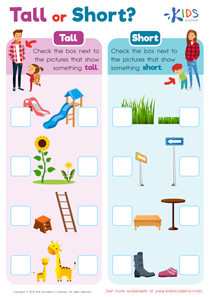
Fine Motor Skills (coloring) Preschool Math Worksheets
3 filtered results
-
From - To
Enhance your child's fine motor skills with our engaging coloring preschool math worksheets! Designed specifically for preschoolers, these worksheets blend creativity with early math concepts, allowing children to practice essential skills while having fun. By coloring and tracing numbers, shapes, and patterns, your little ones will develop hand-eye coordination and dexterity, laying a strong foundation for their future learning. Perfect for home or classroom use, our printable worksheets encourage kids to explore their artistic side while reinforcing fundamental math skills. Dive into our collection and watch your preschooler thrive as they color their way to mathematical success!
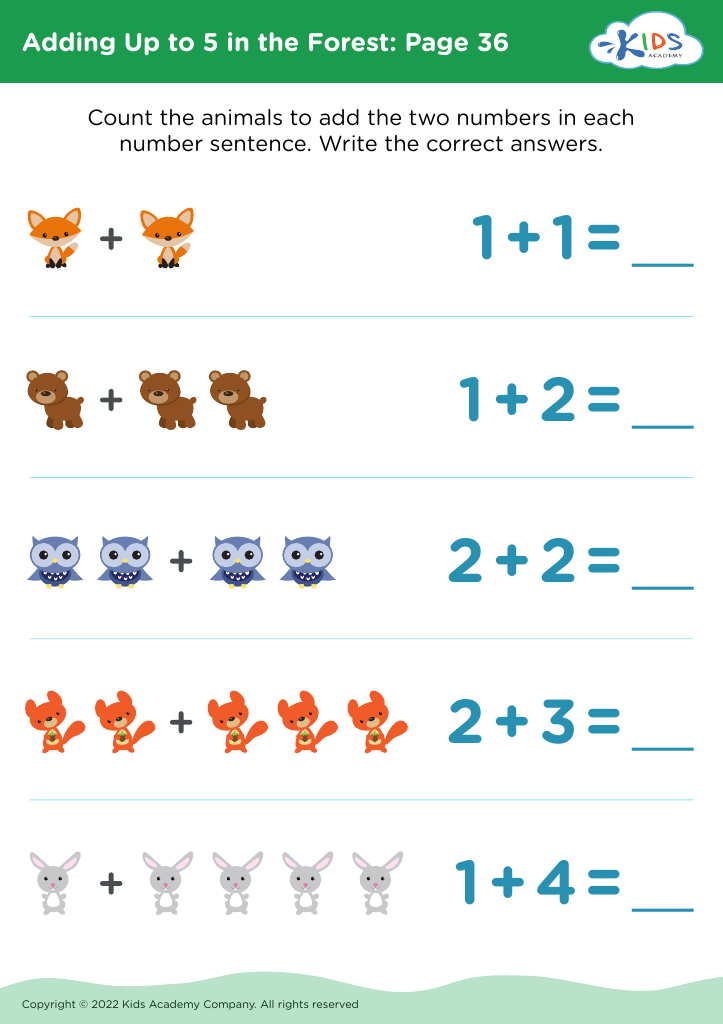
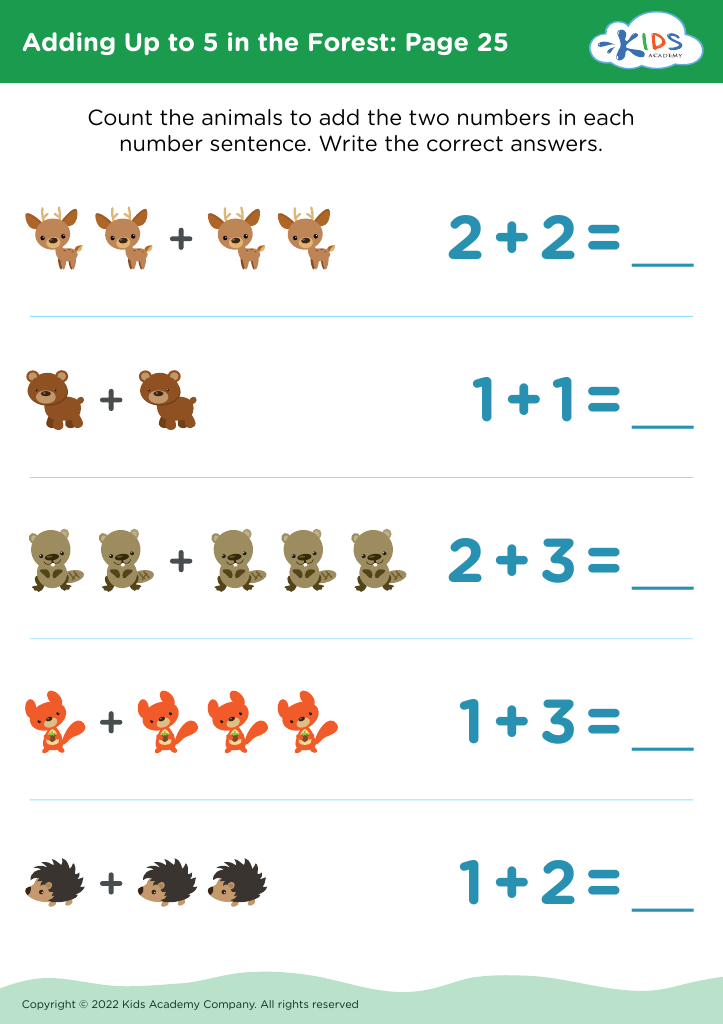
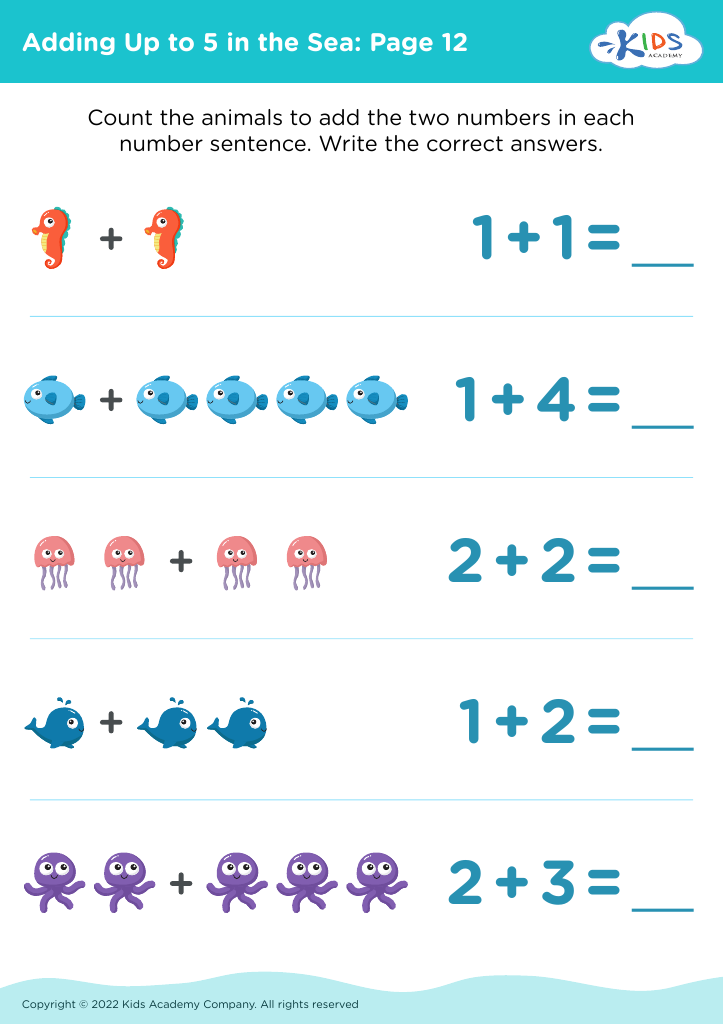





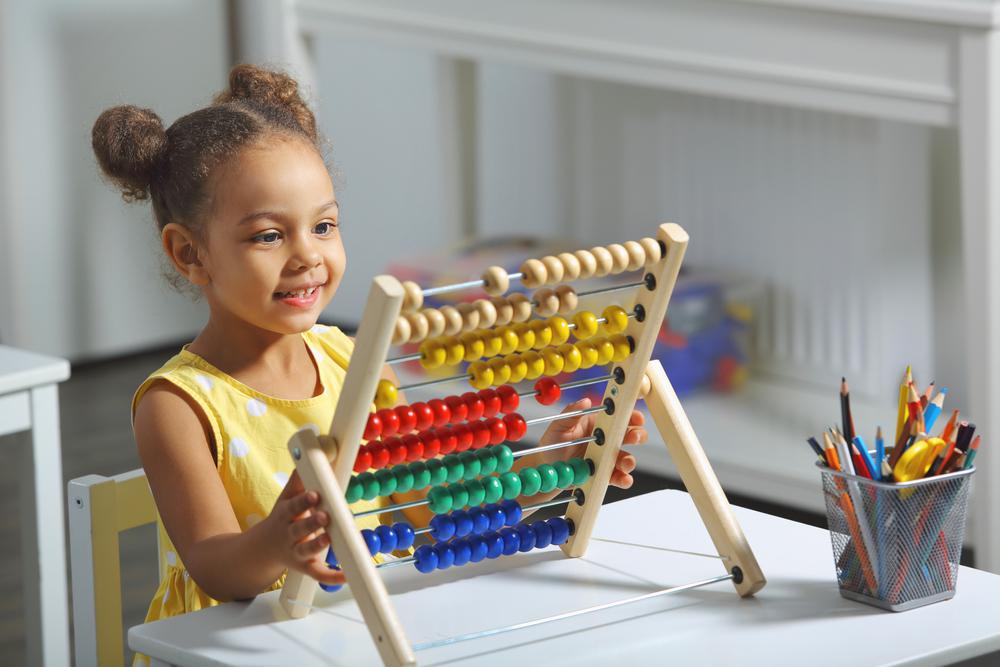


Fine motor skills, particularly through activities like coloring, play a crucial role in preschool math development, and here's why parents and teachers should care. First, fine motor skills enhance hand-eye coordination, which is essential when children learn to manipulate tools, such as pencils and crayons. As they color, preschoolers practice control and precision, necessary for writing numbers and shapes in math.
Additionally, coloring can serve as a natural introduction to mathematical concepts. When children use different colors to fill in numbers or geometric shapes, they engage in sorting, patterning, and categorizing, foundational skills for understanding math. This hands-on approach not only makes math interactive but also reinforces cognitive skills like counting as they color within the lines or estimate which colors they might need next.
Furthermore, building fine motor skills fosters confidence and independence, motivating children to tackle more complex tasks in math and other subjects as they grow. Overall, the integration of coloring into preschool math emphasizes the interconnectedness of skills, making it crucial for holistic development. Therefore, parents and teachers should prioritize fine motor activities like coloring to support well-rounded learning experiences that prepare children for future academic success.