Fine motor skills (writing) Preschool Math Worksheets - Page 2
34 filtered results
-
From - To
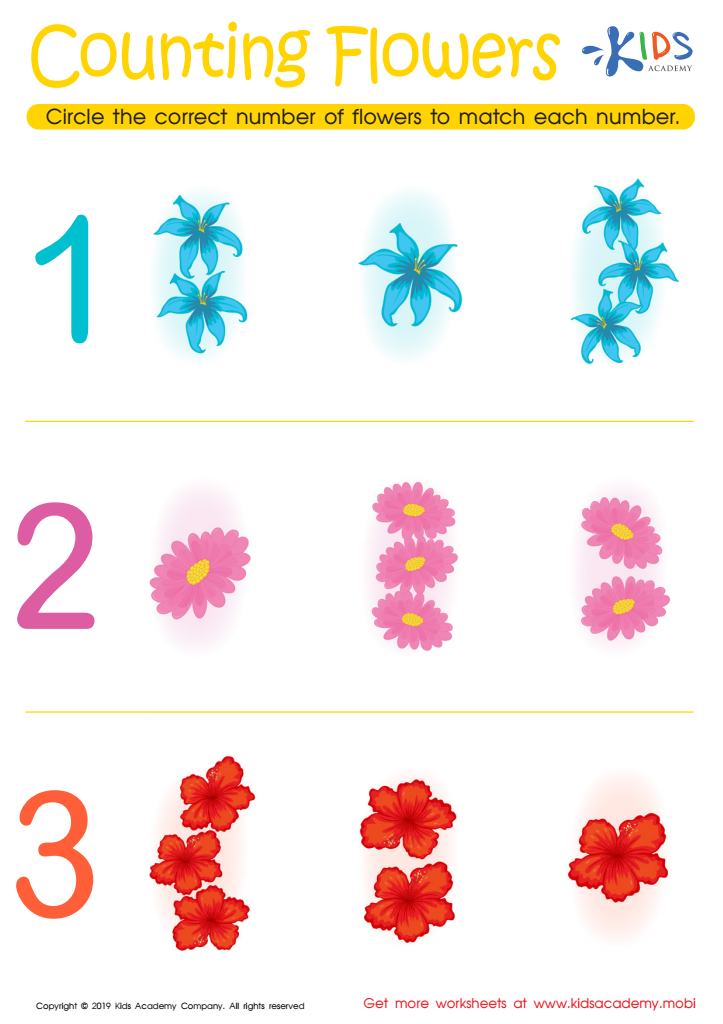
Counting Flowers Worksheet
 Assign to My Students
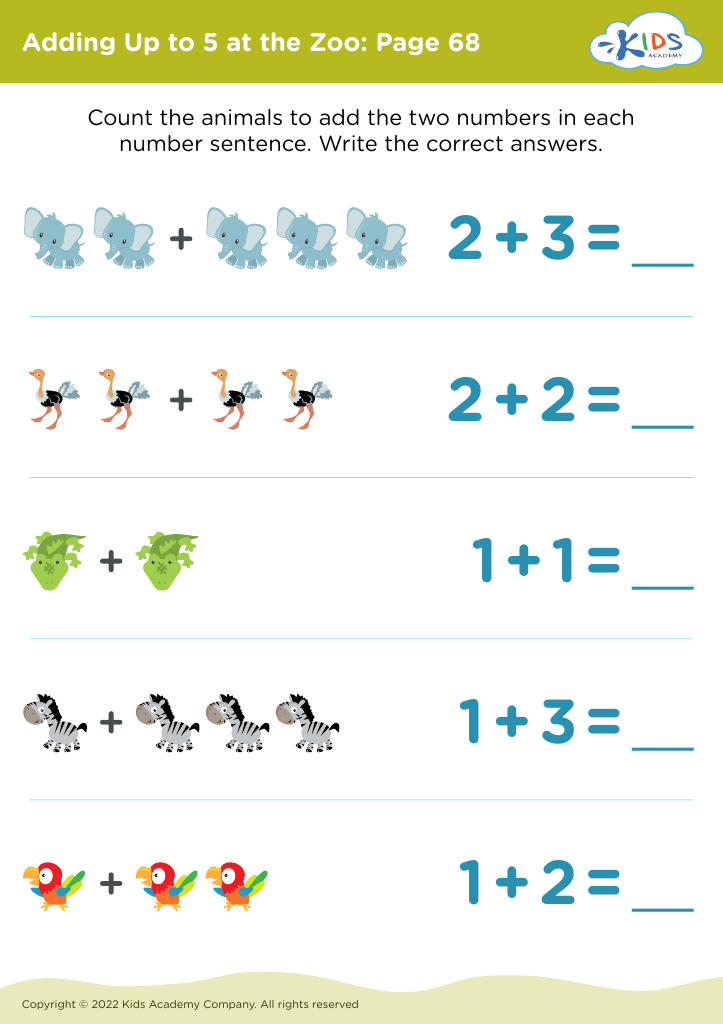
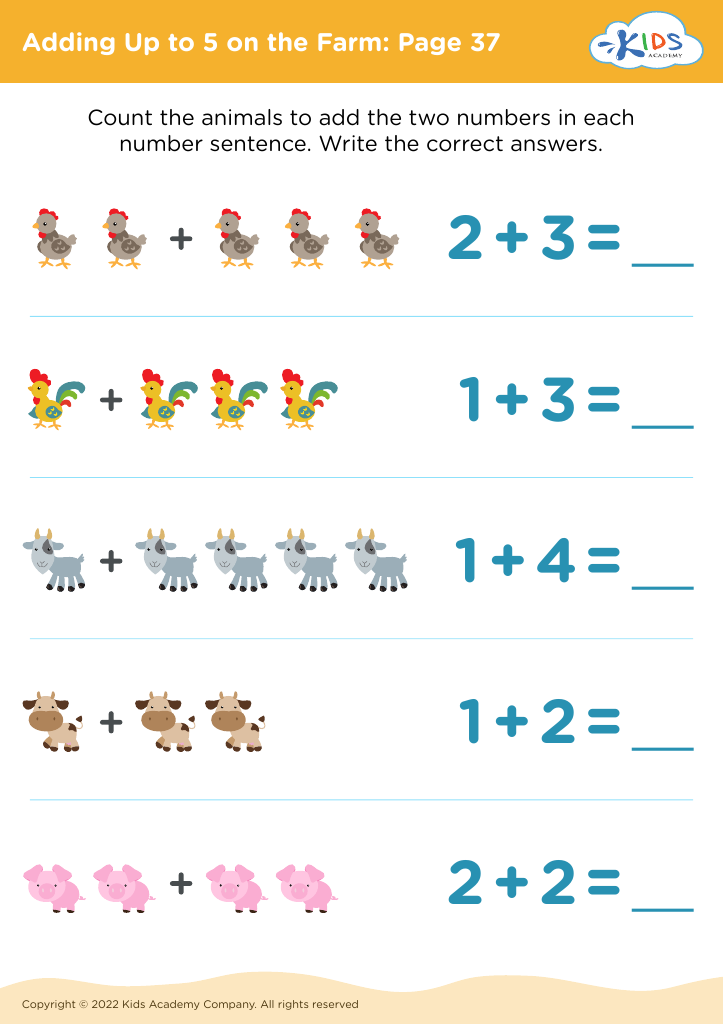
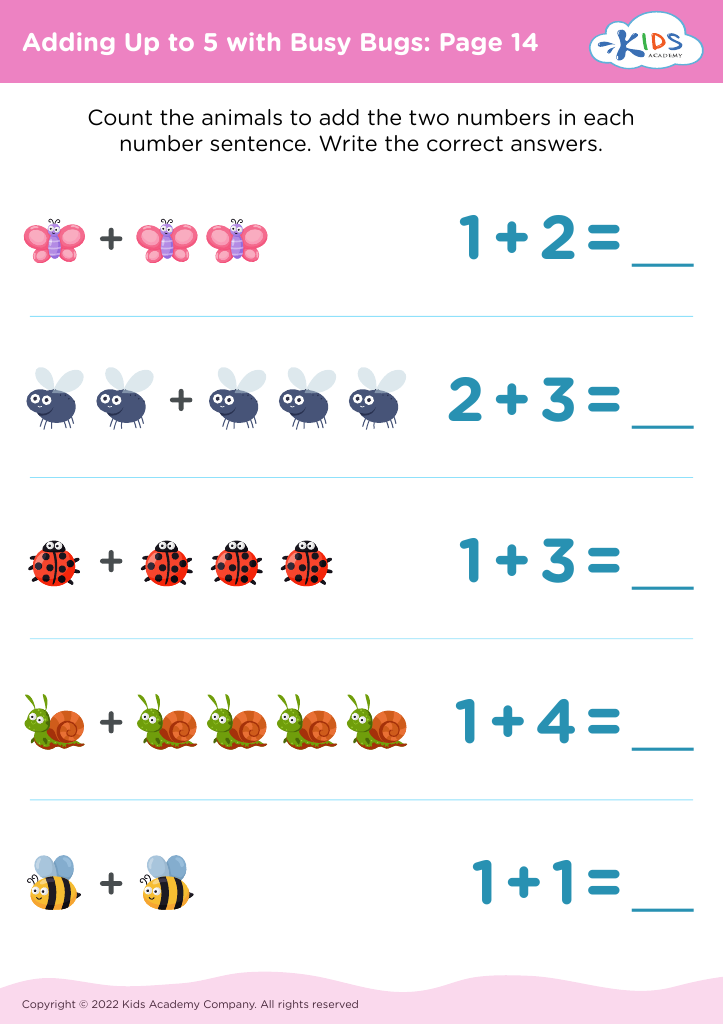
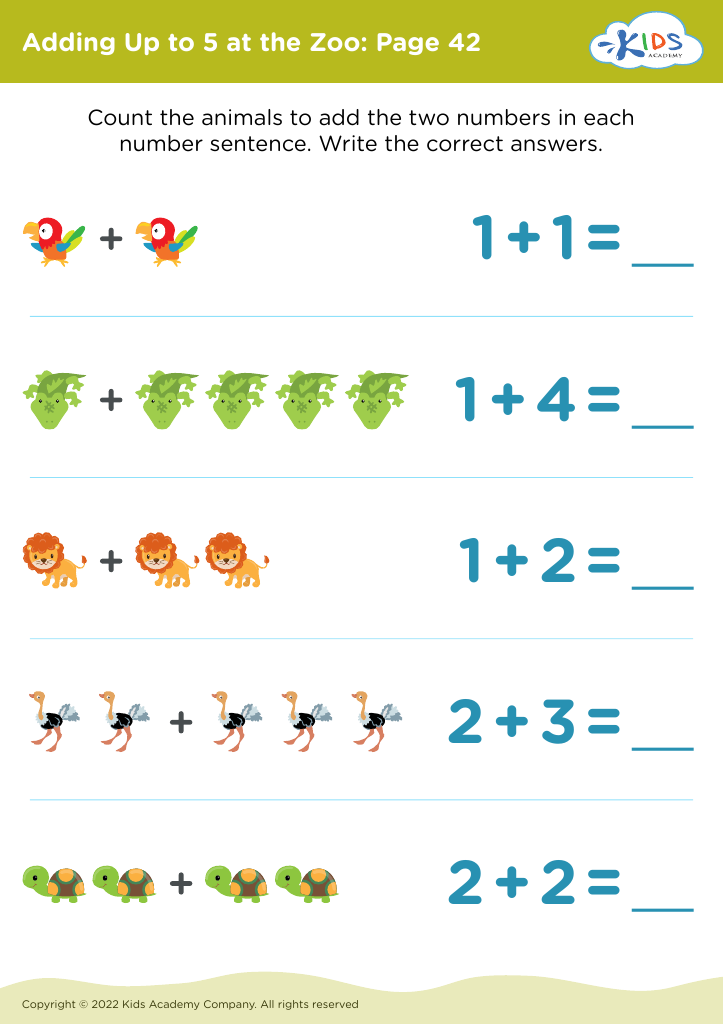
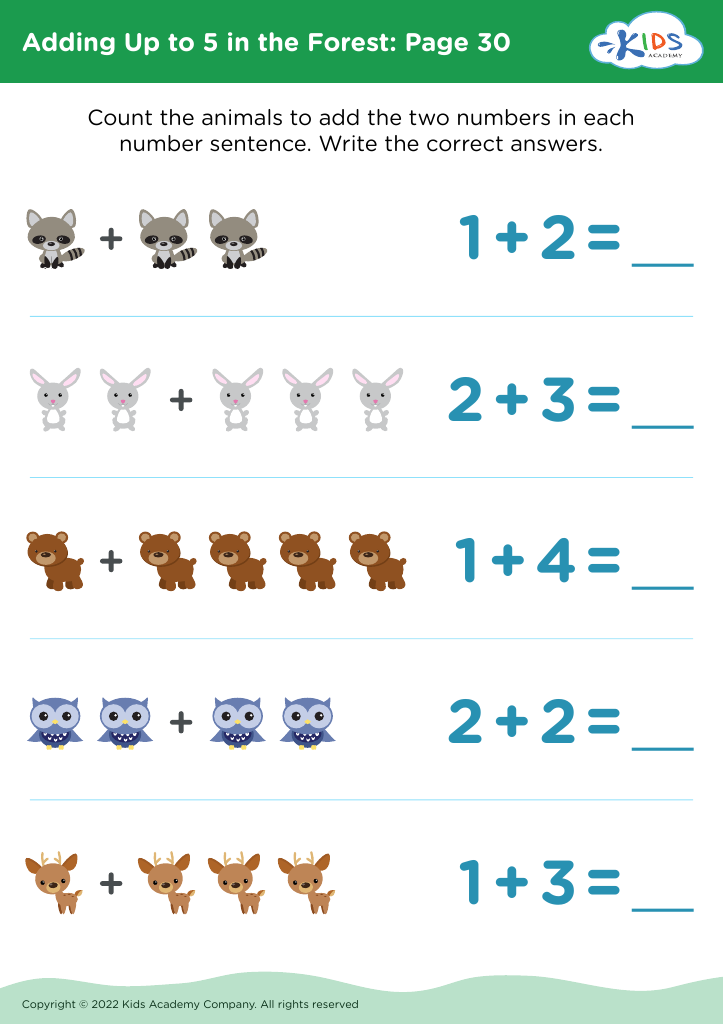
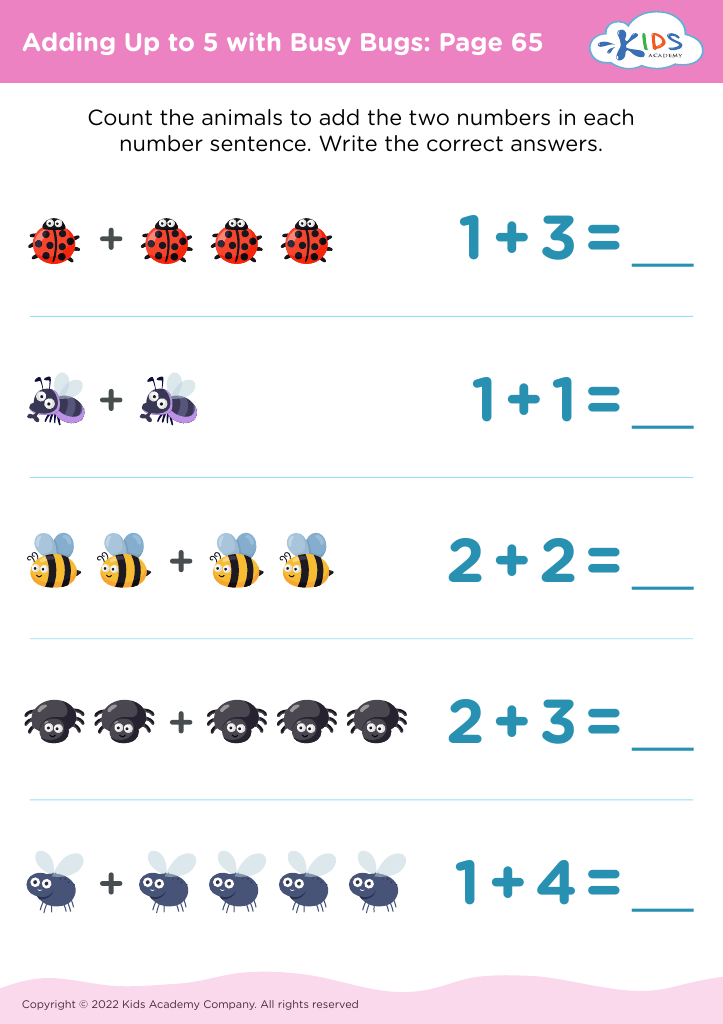
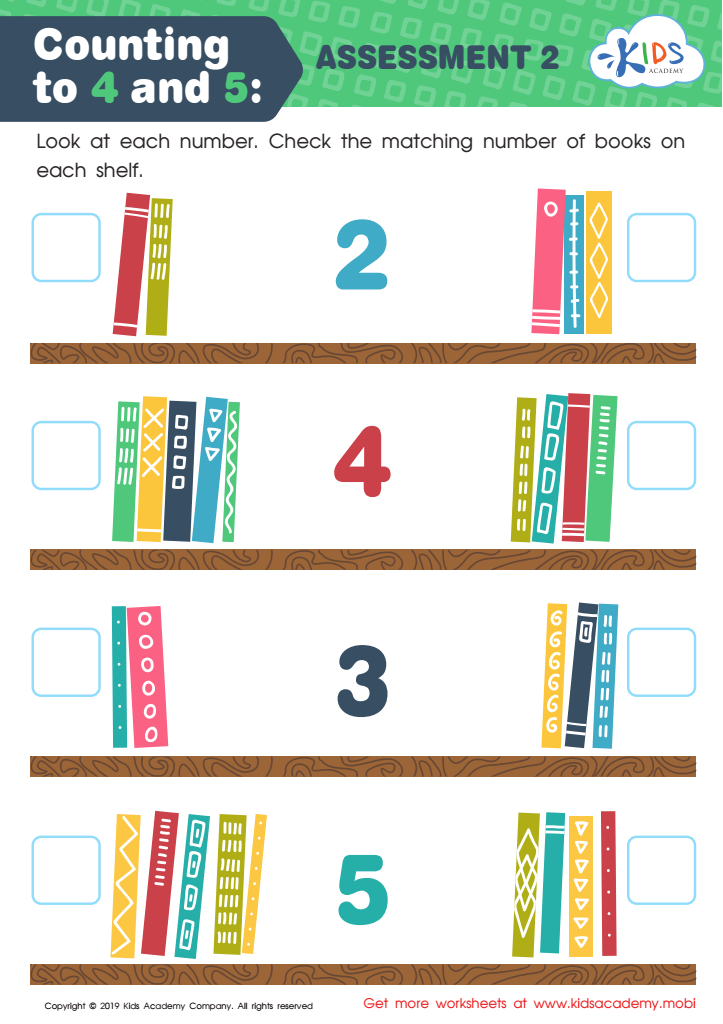
Counting to 4 and 5: Assessment 2 Worksheet








Fine motor skills are crucial for preschoolers as they lay the foundation for writing and mathematical abilities. Developing these skills involves the coordination of small muscles in the hands and fingers, essential for tasks like holding a pencil, using scissors, or manipulating small objects. Teachers and parents should prioritize fine motor skill development because they directly influence a child's academic success and overall confidence.
In writing, strong fine motor skills enable children to form letters and eventually words, fostering better communication. If children struggle with these skills, they may experience frustration, affecting their motivation to learn. In math, fine motor skills support activities like counting with little manipulatives or drawing shapes, giving children a tangible understanding of concepts.
Additionally, enhancing fine motor skills promotes cognitive development, which is key for problem-solving. Engaging children in fun activities, such as playdough manipulation or crafting, can make the learning process enjoyable while promoting skill development. Additionally, strong fine motor skills are essential for later stages of education, where more complex tasks and writing demands arise. By investing time in cultivating these skills, parents and teachers set children on a productive path toward academic achievement and lifelong learning.