Hand-eye Coordination Preschool Math Worksheets - Page 2
39 filtered results
-
From - To
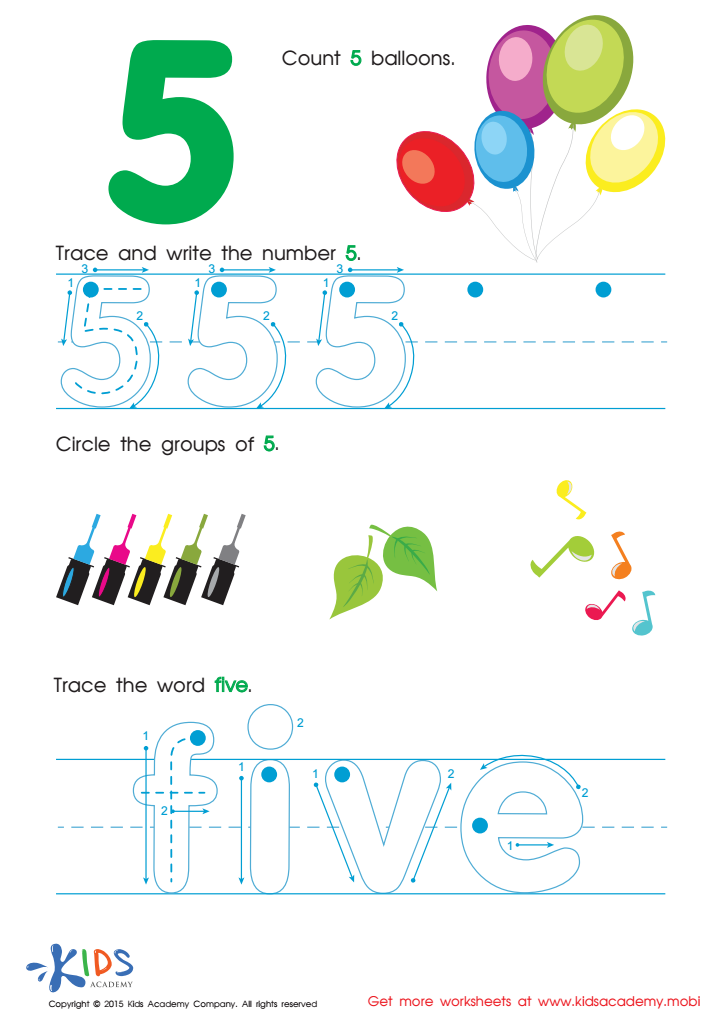
Practice Writing Number 5 Worksheet
 Assign to My Students
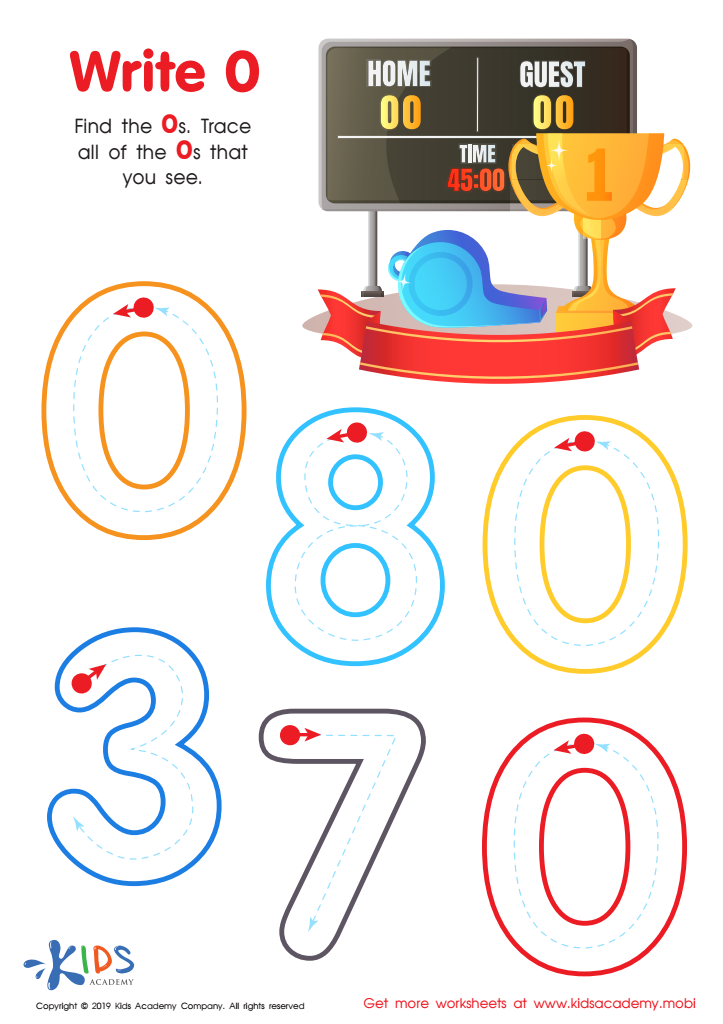
Write 0 Worksheet
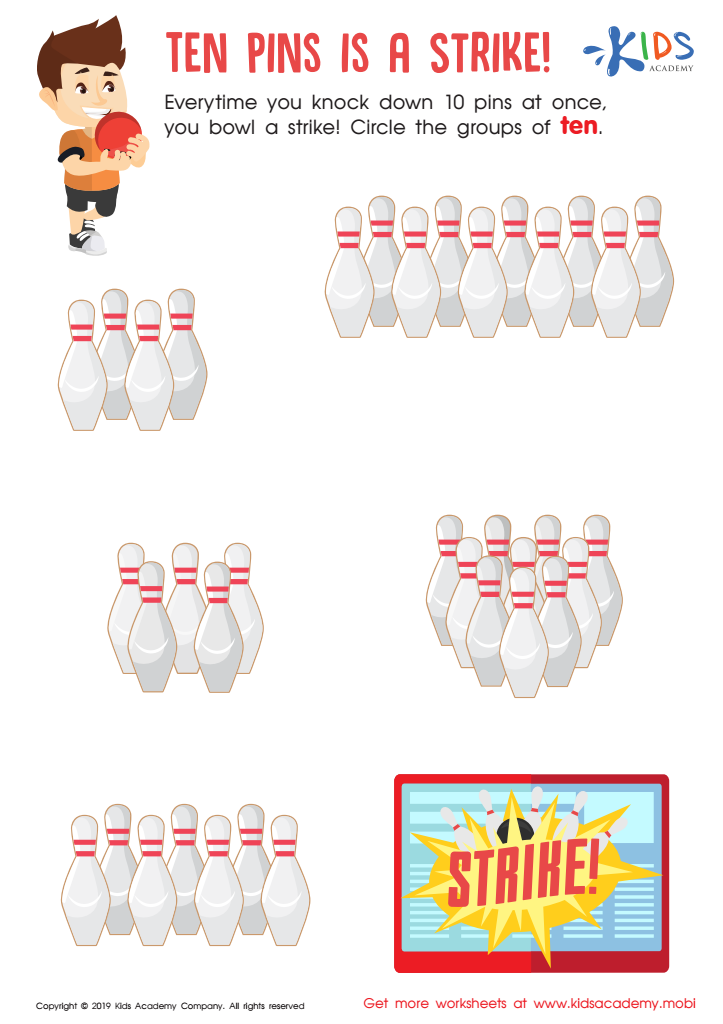
Ten Pins is a Strike Worksheet
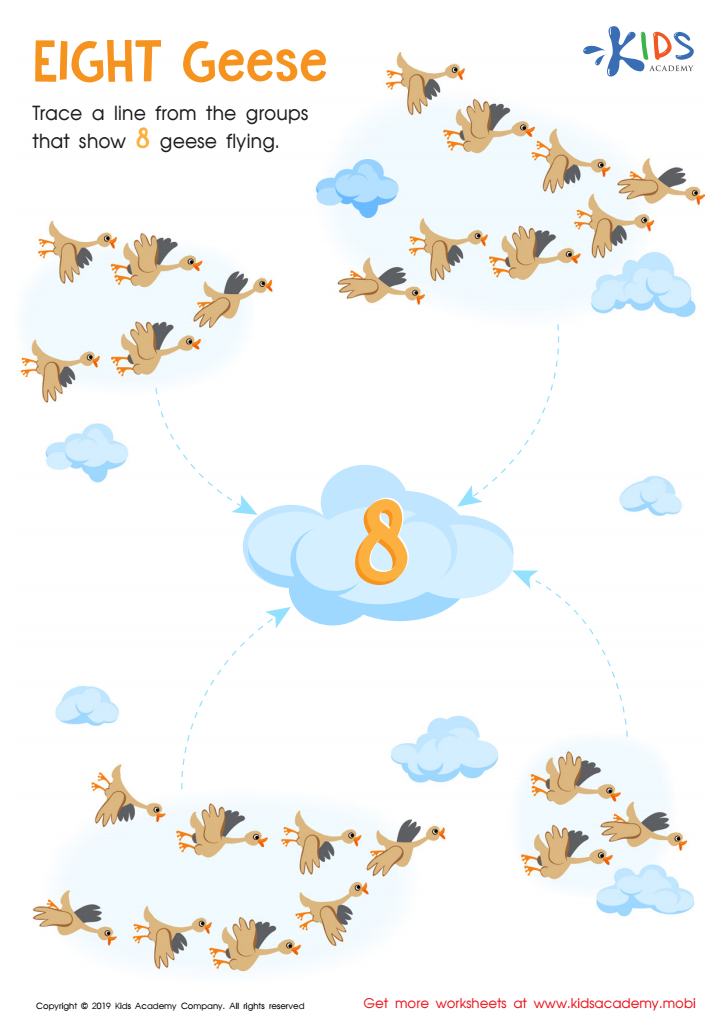
Eight Geese Worksheet
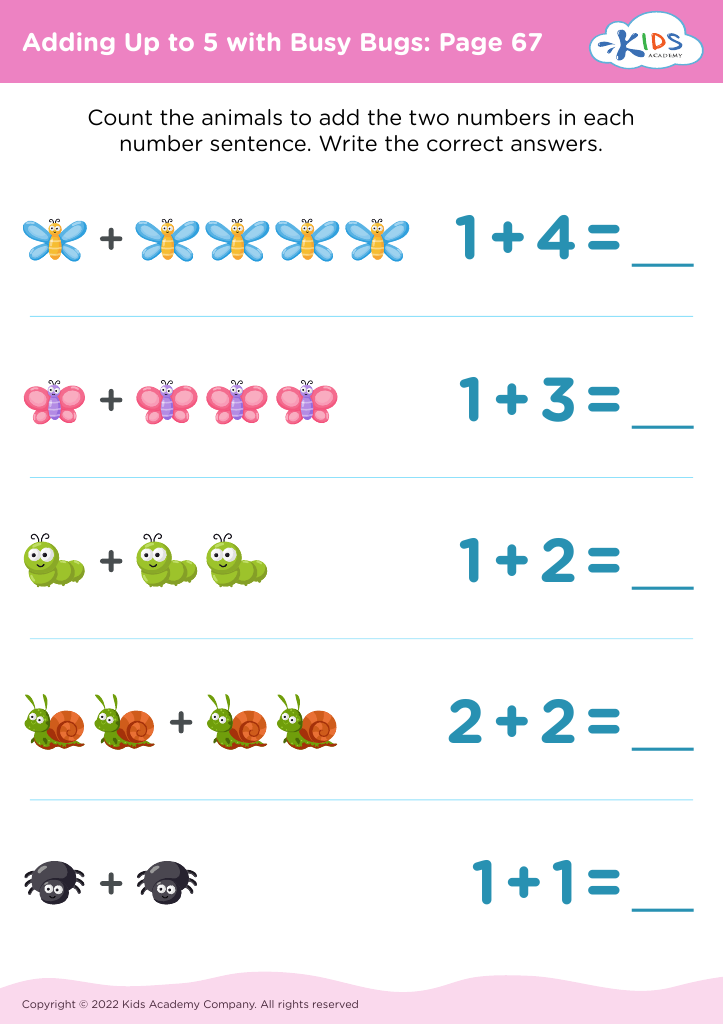
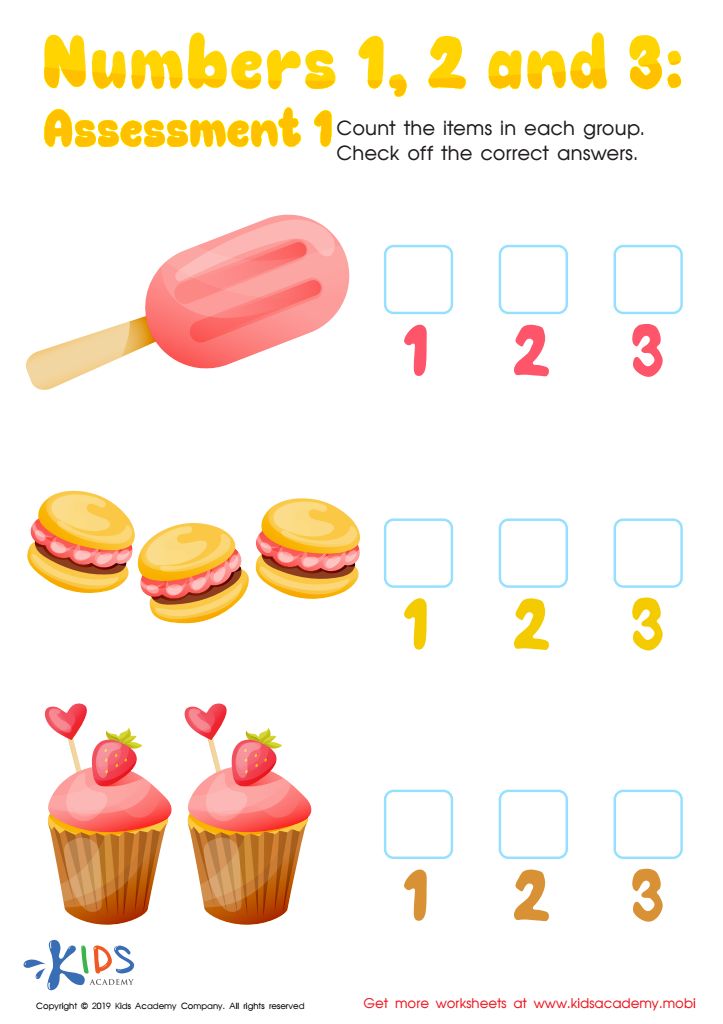
Numbers 1, 2 and 3: Assessment 1 Worksheet
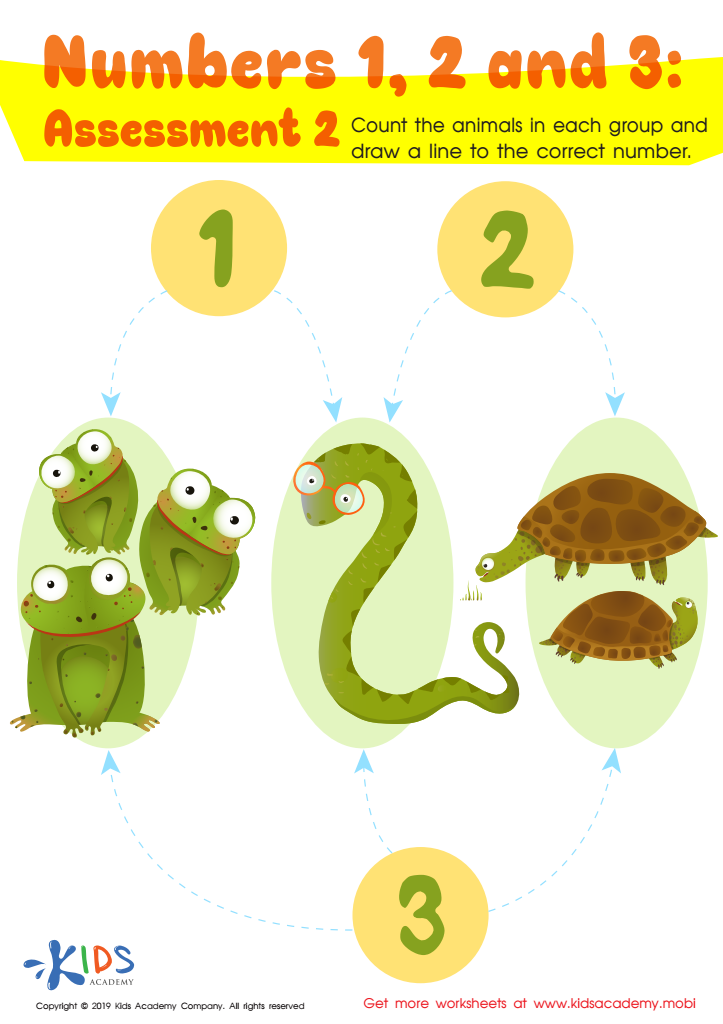
Numbers 1, 2 and 3: Assessment 2 Worksheet
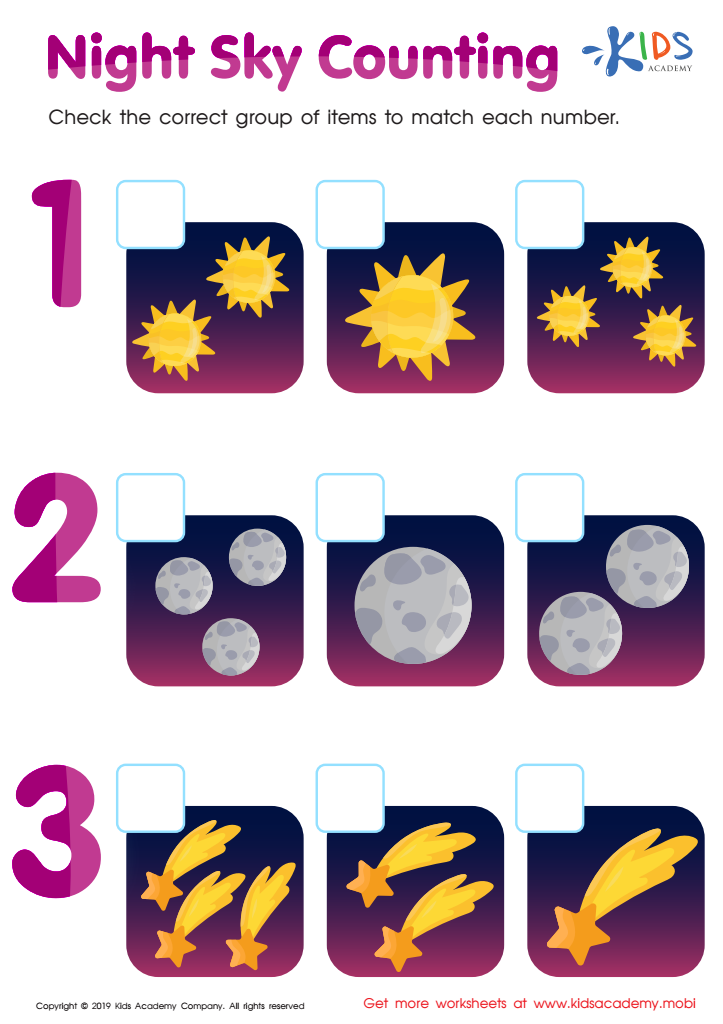
Night Sky Counting Worksheet
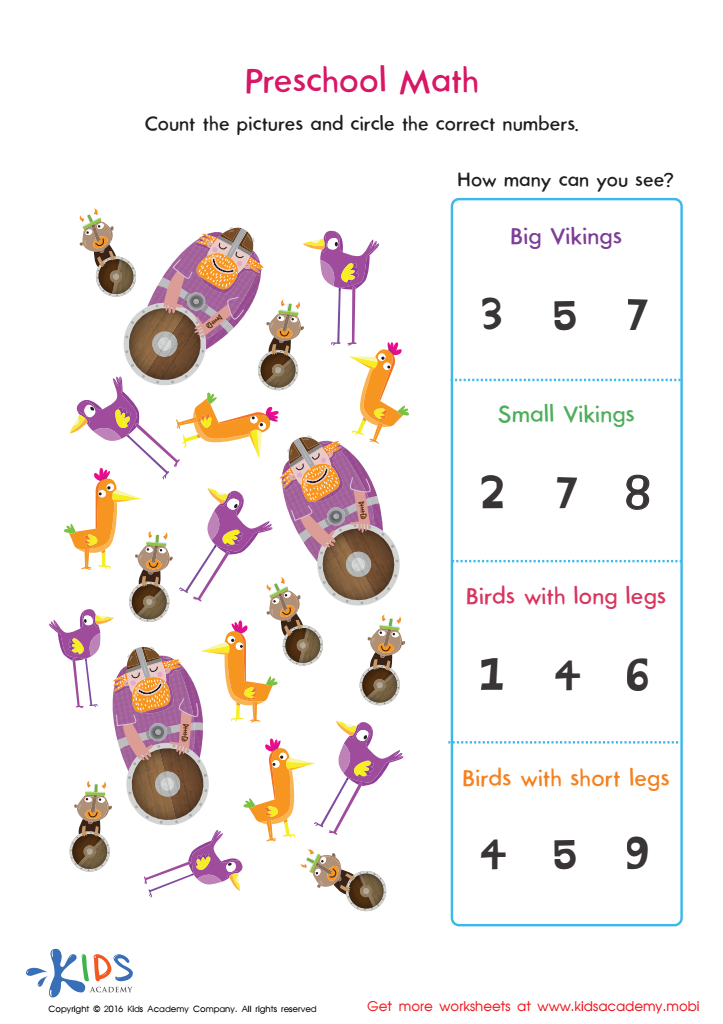
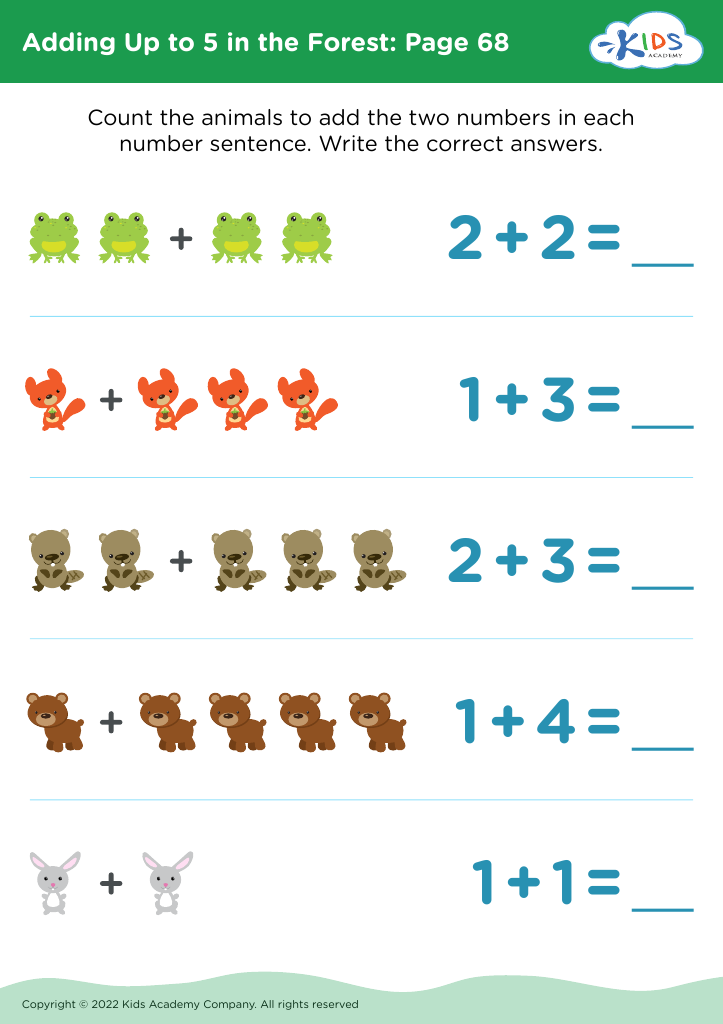
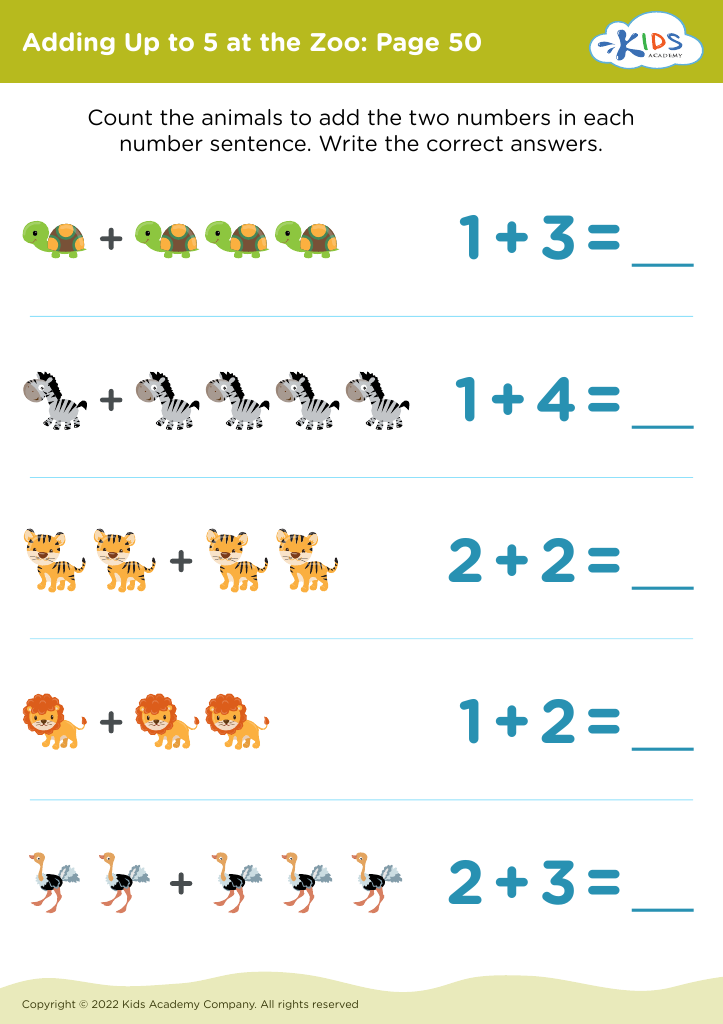






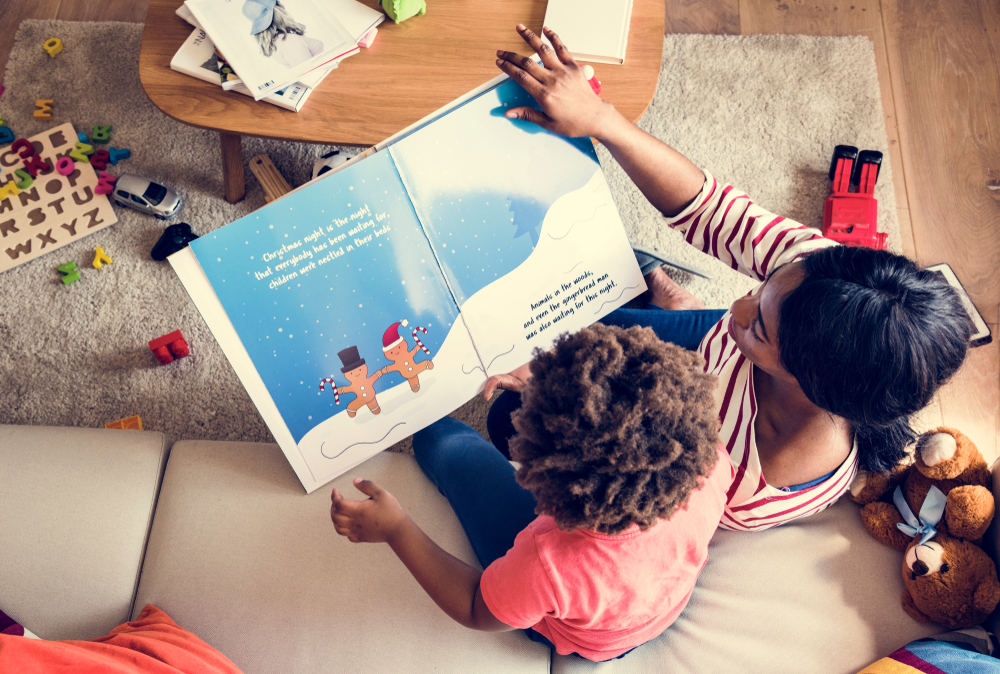

Hand-eye coordination (HHC) is a crucial skill that significantly impacts a child's ability to engage with preschool math concepts. As children manipulate various tools and materials, such as blocks, counting beads, and drawings, they develop HHC, which directly enhances their mathematical thinking.
Incorporating activities that boost hand-eye coordination, such as threading beads or experimenting with modeling clay, promotes fine motor skills essential for tasks like writing and using scissors. When children can effectively use their hands and eyes together, they are better equipped to understand spatial relationships, a fundamental aspect of math.
Moreover, strong hand-eye coordination allows children to improve their focus and concentration, leading to increased confidence and participation in math-related activities. Activities requiring HHC can transform math learning into a playful and engaging experience, making concepts more relatable and easier to grasp.
Ultimately, parents and teachers who prioritize hand-eye coordination in preschool math recognize its broader implications. By fostering this skill early on, they set the stage for successful learning not just in mathematics, but across all subjects, promoting overall cognitive development and preparing children for future academic challenges. Supporting HHC in early years lays a strong foundation for lifelong learning and problem-solving abilities.