Hand-eye Coordination Kindergarten Math Worksheets
32 filtered results
-
From - To
Boost your kindergarteners' learning with our engaging Hand-Eye Coordination Math Worksheets! Designed to enhance essential skills, these worksheets combine exciting activities and math concepts to develop dexterity and hand-eye coordination. Children will enjoy tracing shapes, connecting dots, and completing various pattern exercises, all while learning fundamental math skills such as counting, identifying numbers, and understanding quantities. Our worksheets are perfect for classroom use or at-home practice, making learning fun and interactive. Help your child build a solid foundation in mathematics while nurturing their fine motor skills. Explore our collection today and watch your little learners thrive!
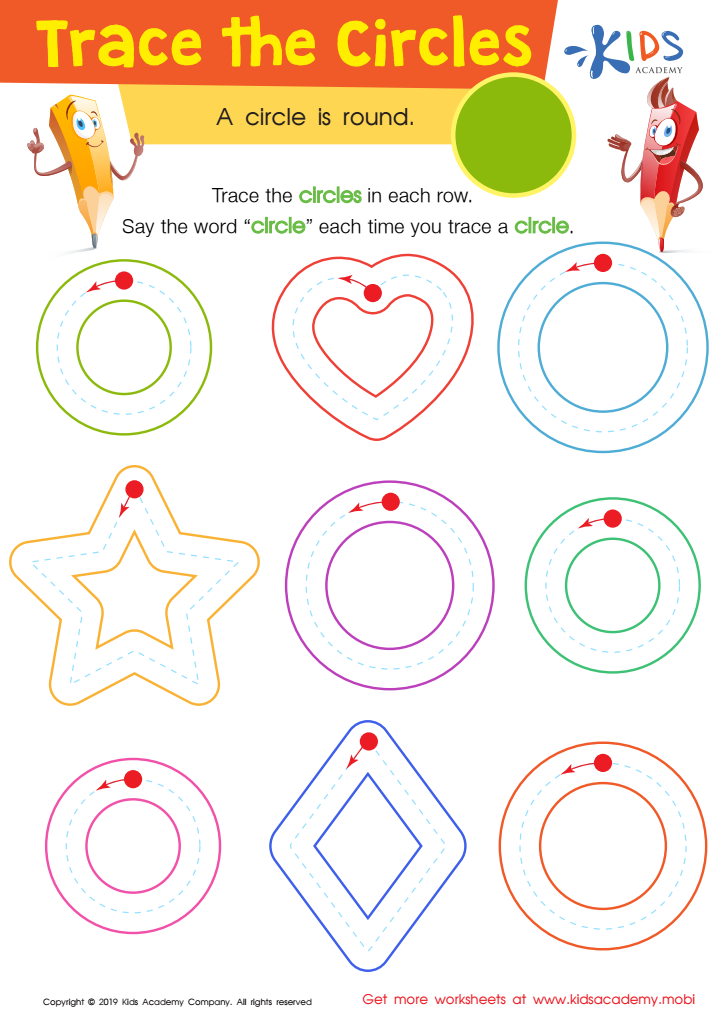
Trace The Circles Worksheet
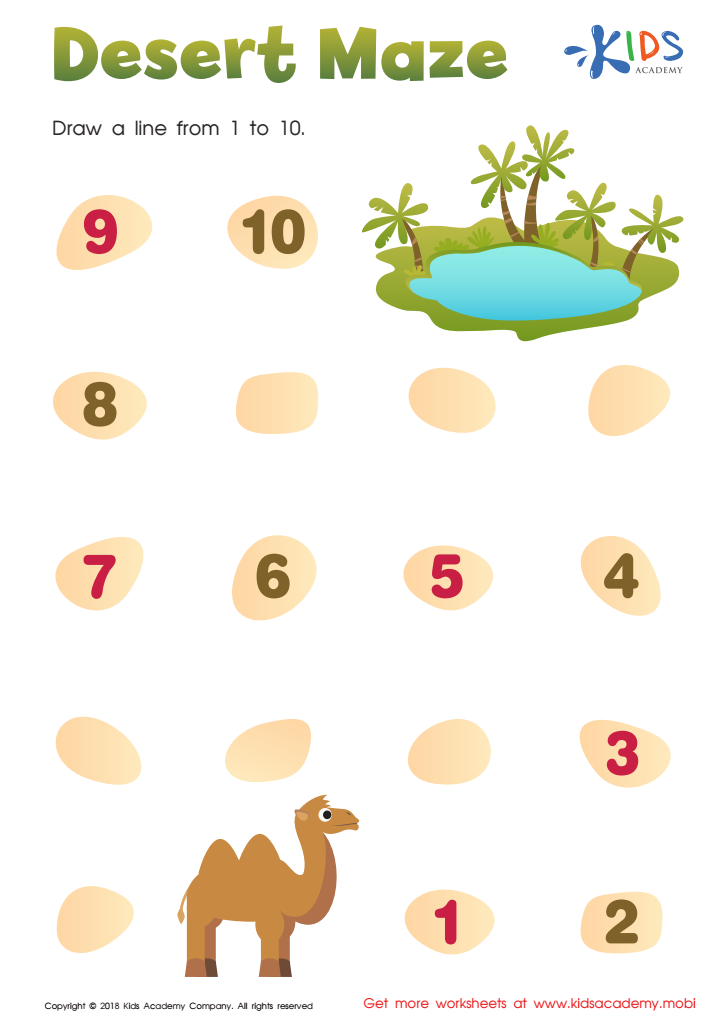
Desert Maze Worksheet
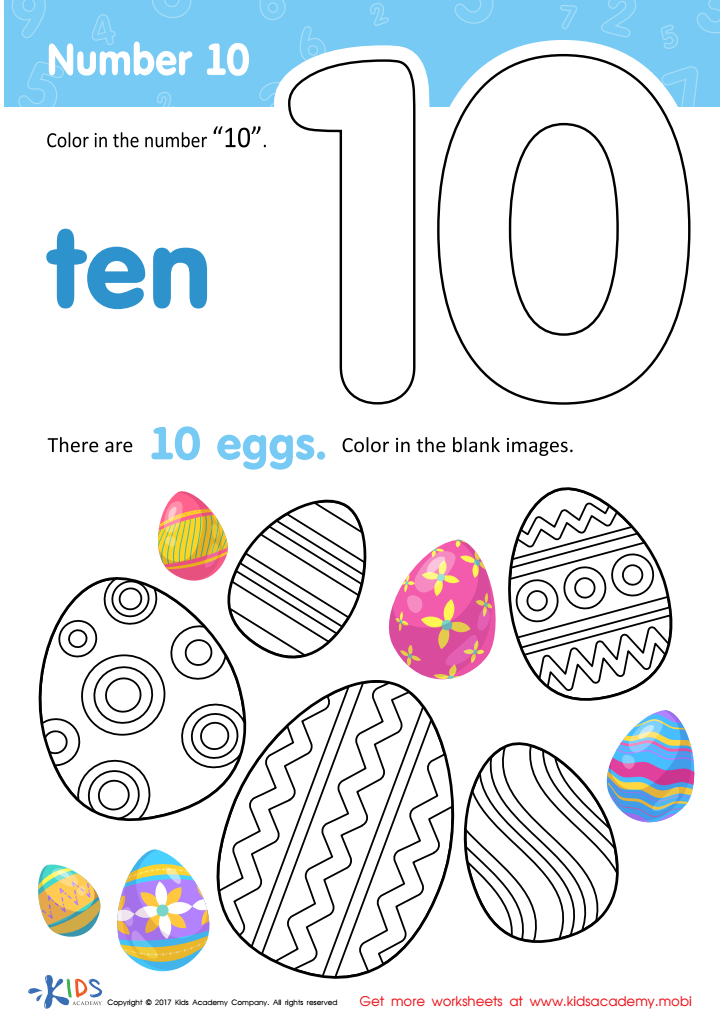
Number 10 Printable
 Assign to My Students
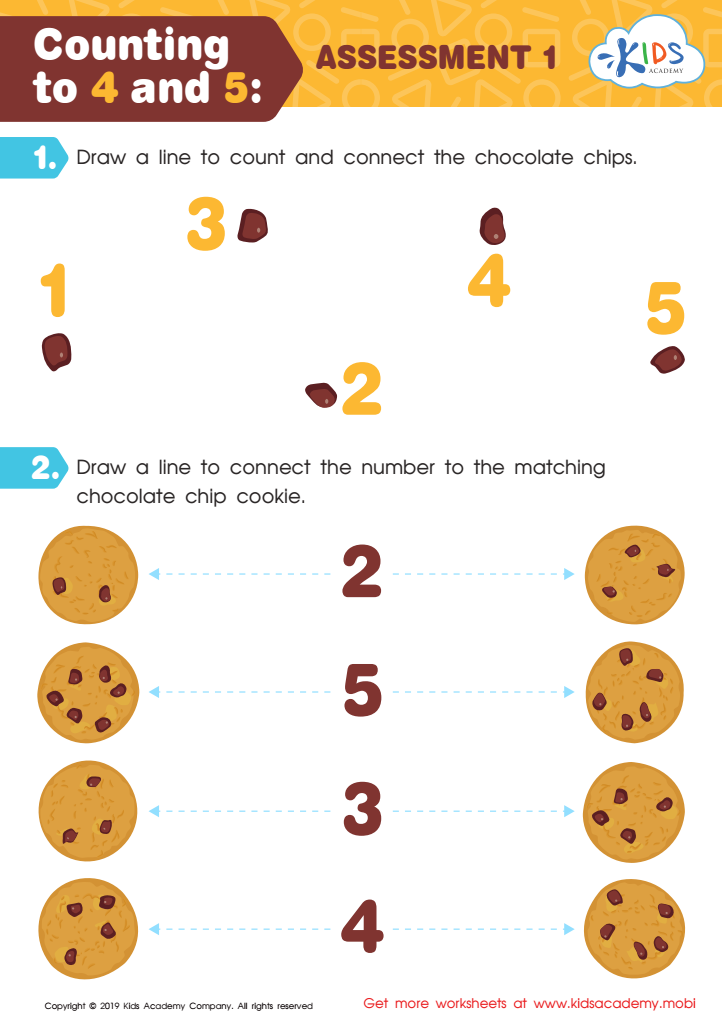
Counting to 4 and 5: Assessment 1 Worksheet
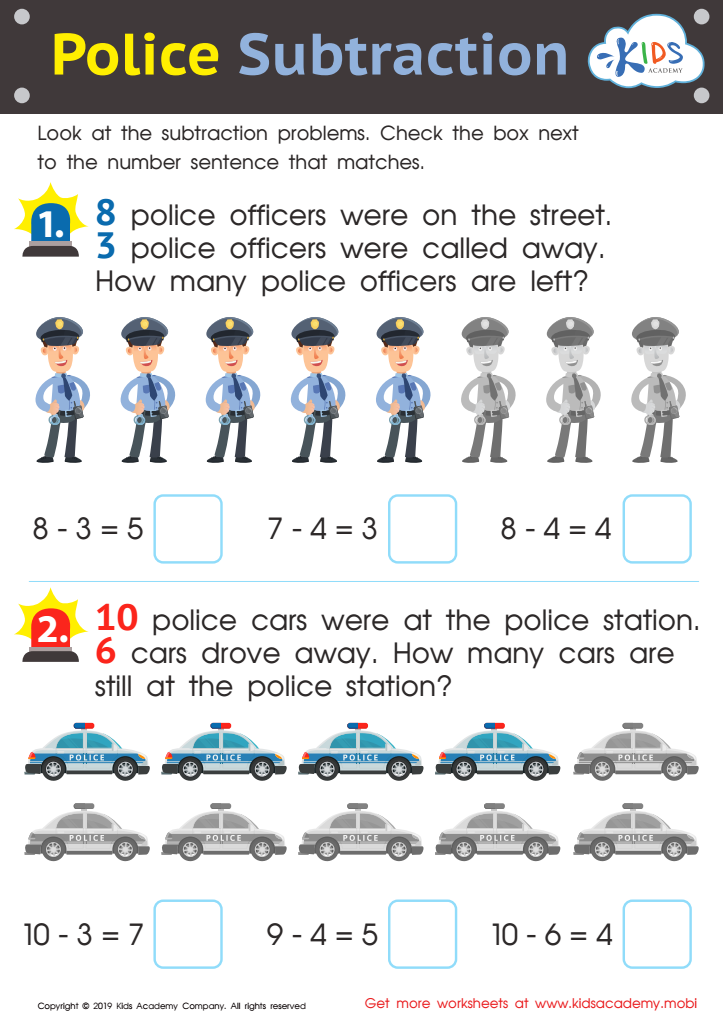
Police Subtraction Worksheet
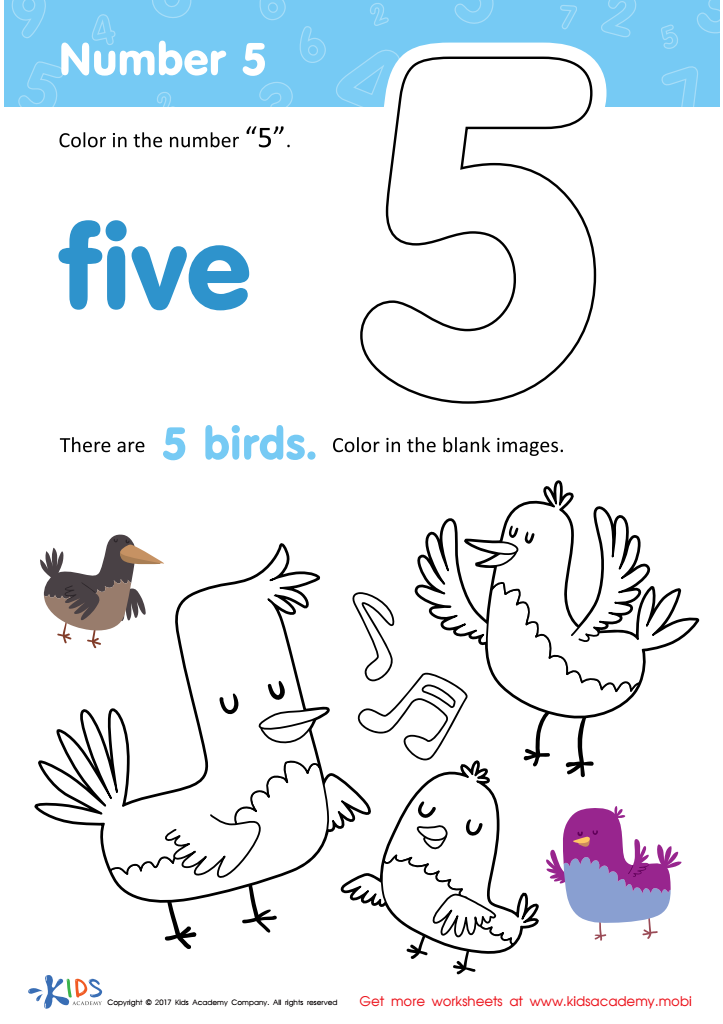
Number 5 Printable
Assign to My Students
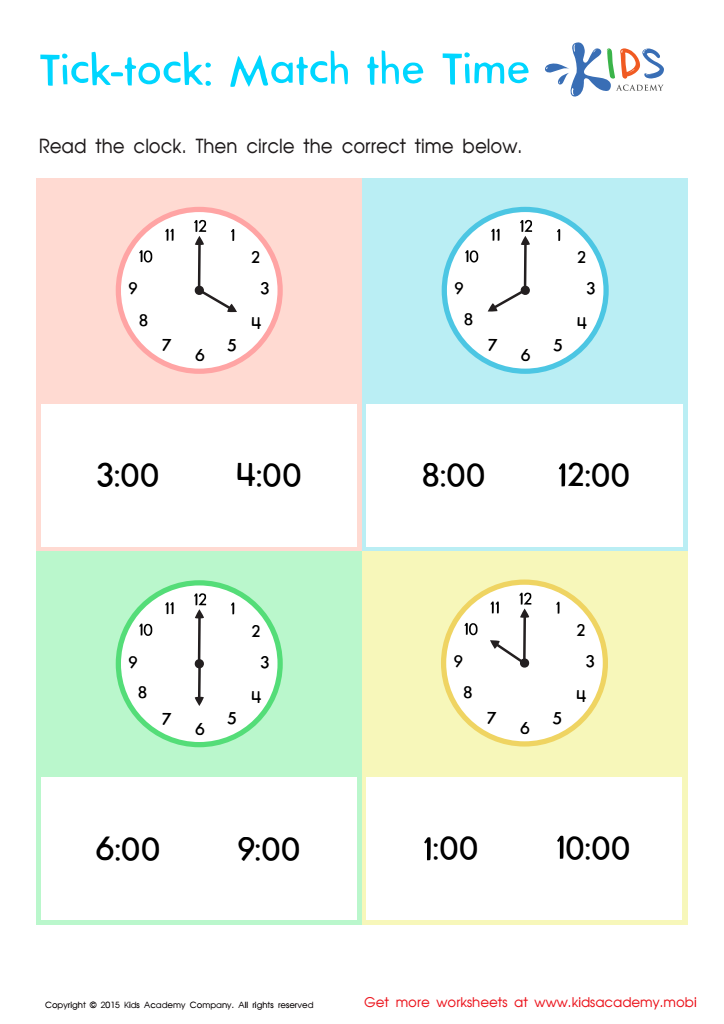
Telling The Time Worksheet: Part 4
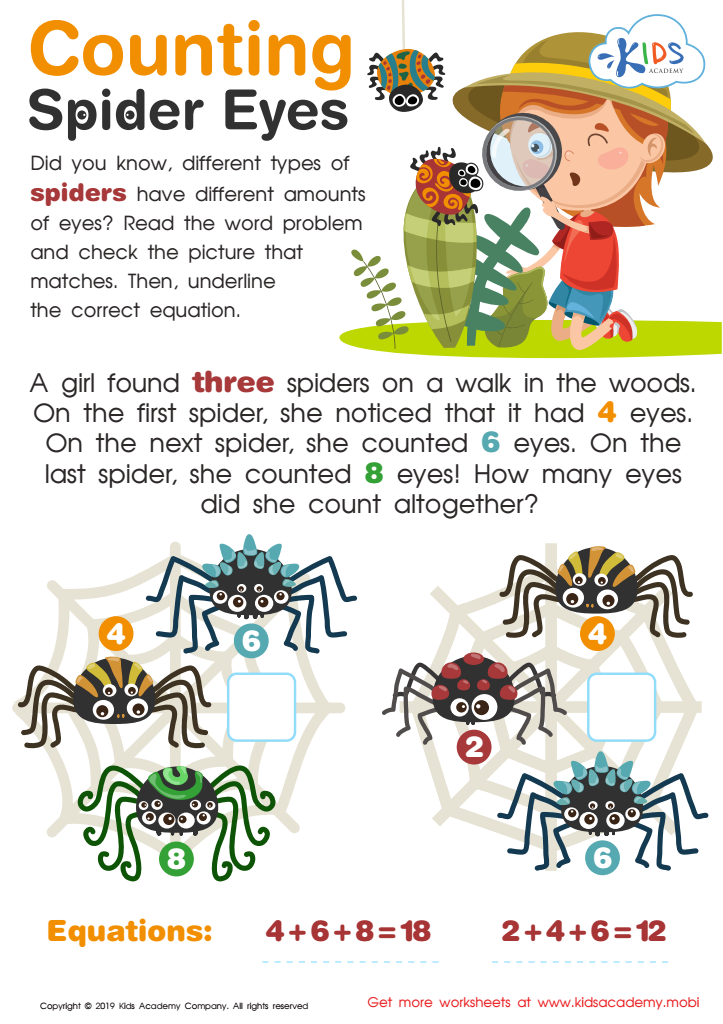
Counting Spider Eyes Worksheet
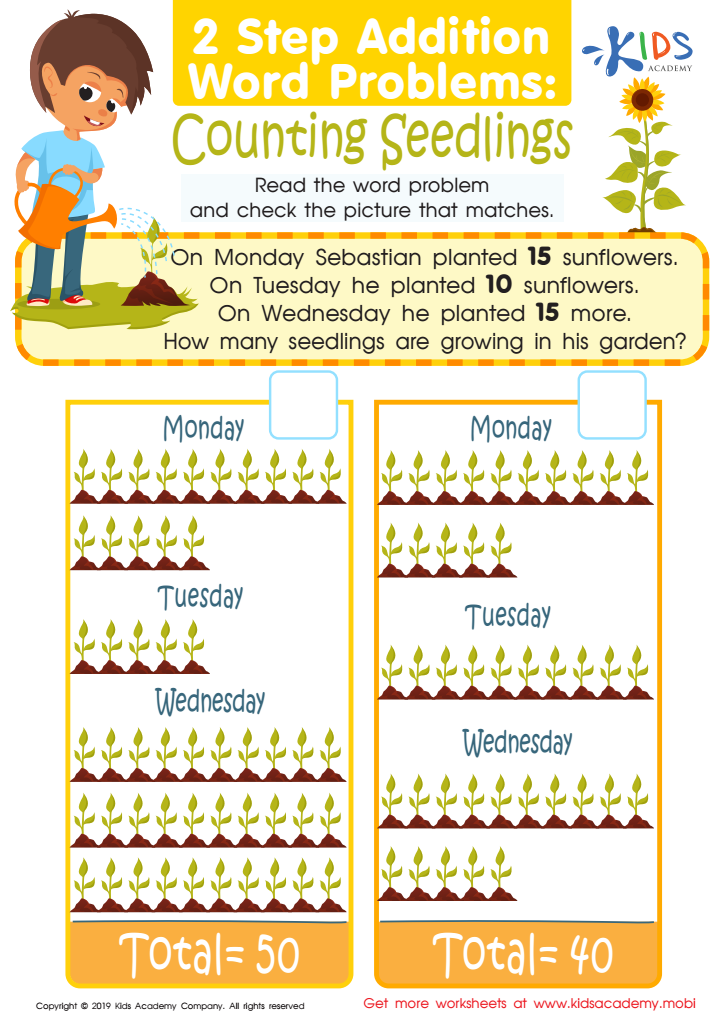
Counting Seedlings Worksheet
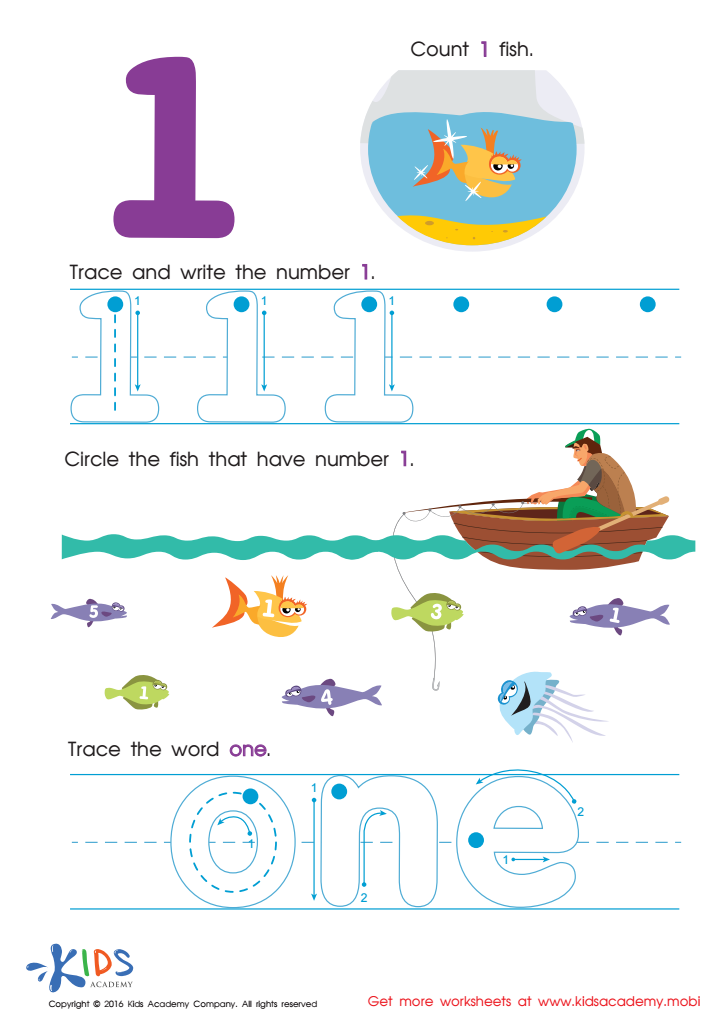
Learning to Write 1 Worksheet
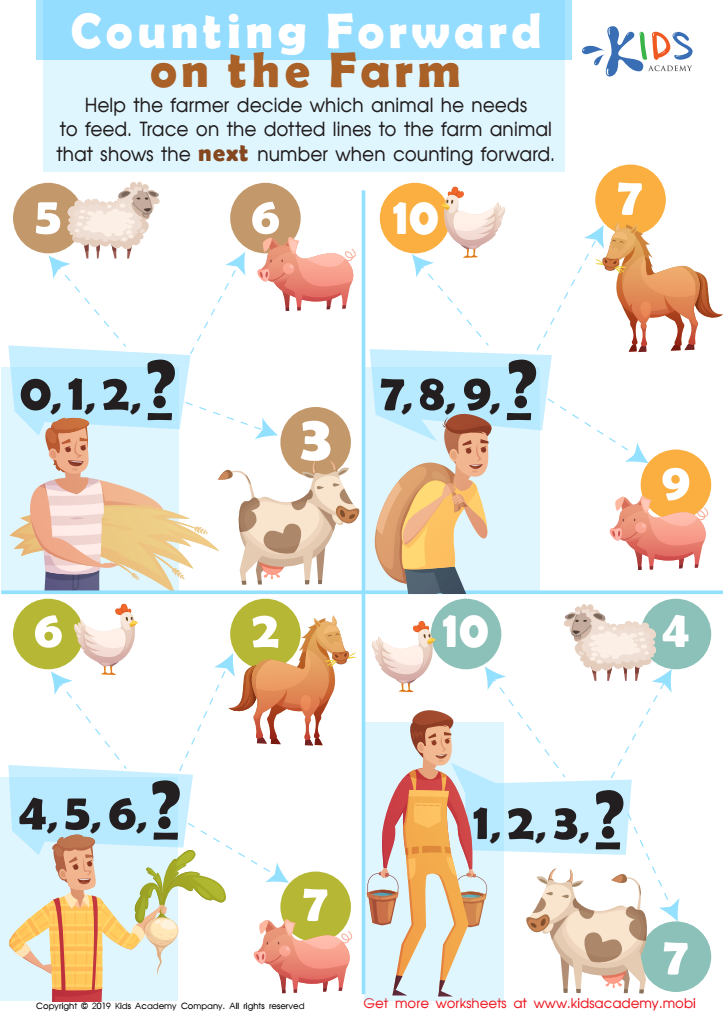
Counting Forward On the Farm Worksheet
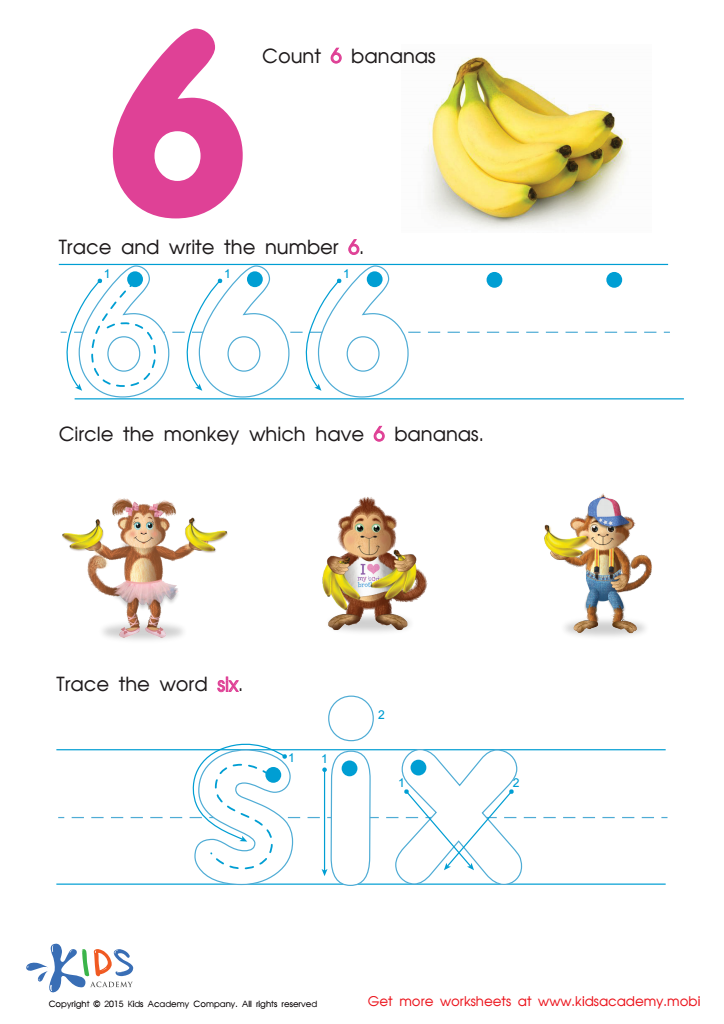
Tracing And Writing Number 6 Worksheet
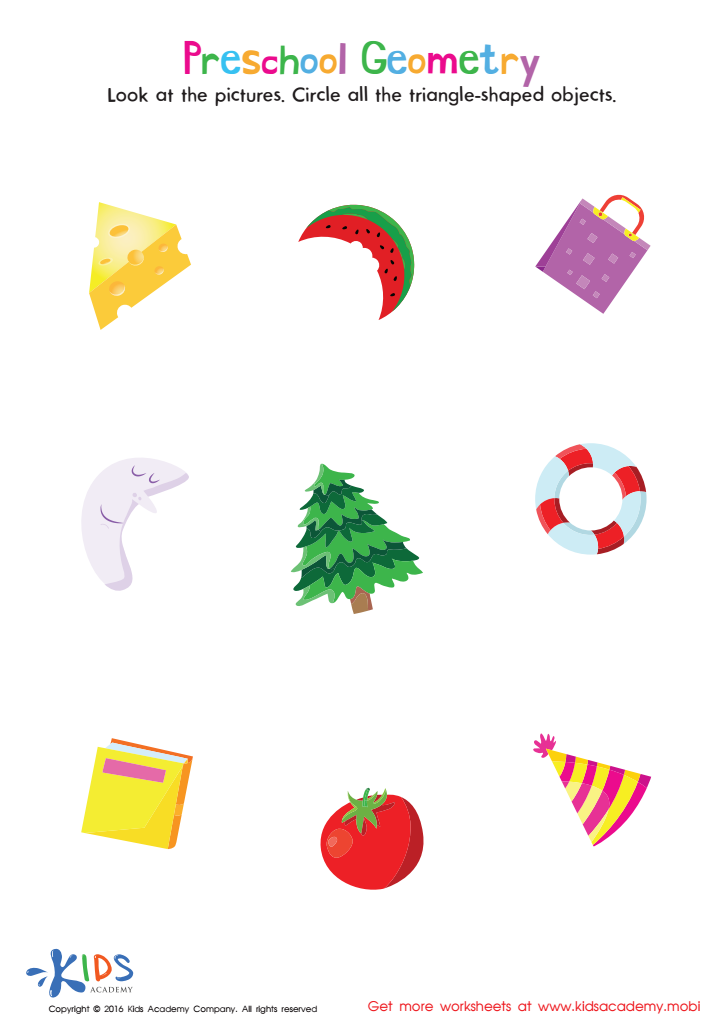
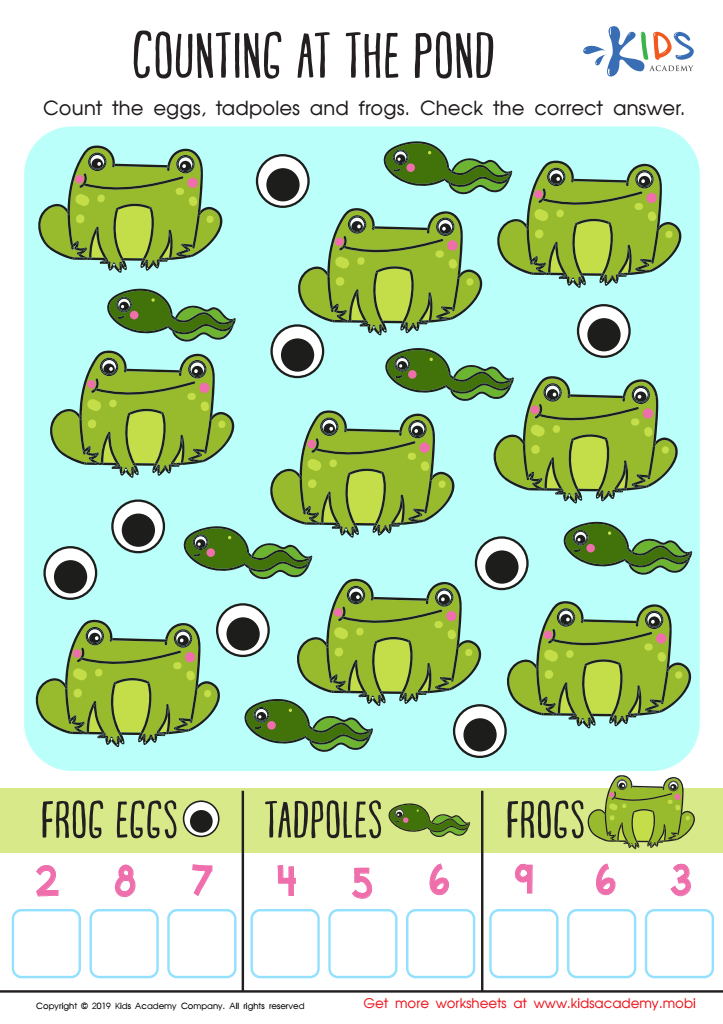
Counting at the Pond Worksheet
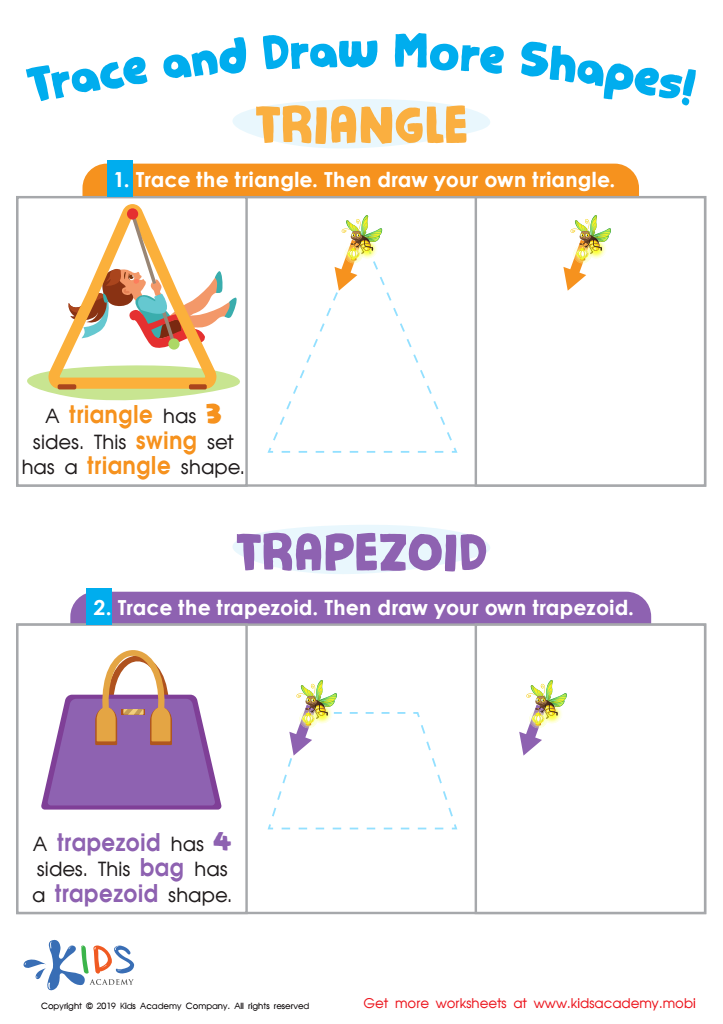
Trace and Draw More Shapes Worksheet
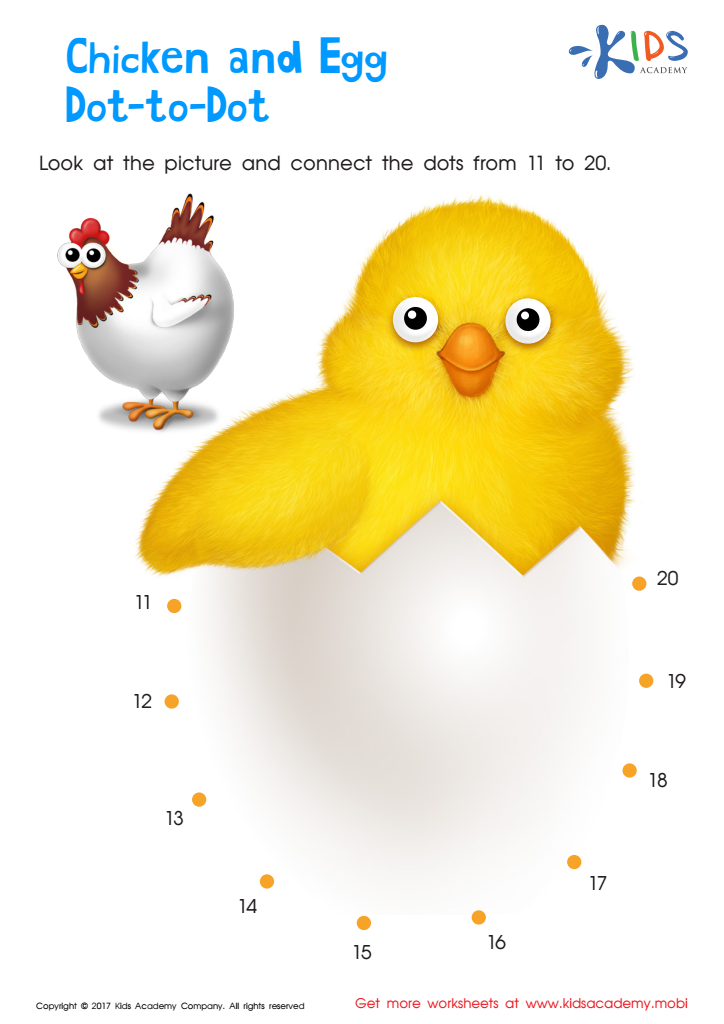
Ordering 11–20: Chicken & Egg Dot–to–dot Worksheet
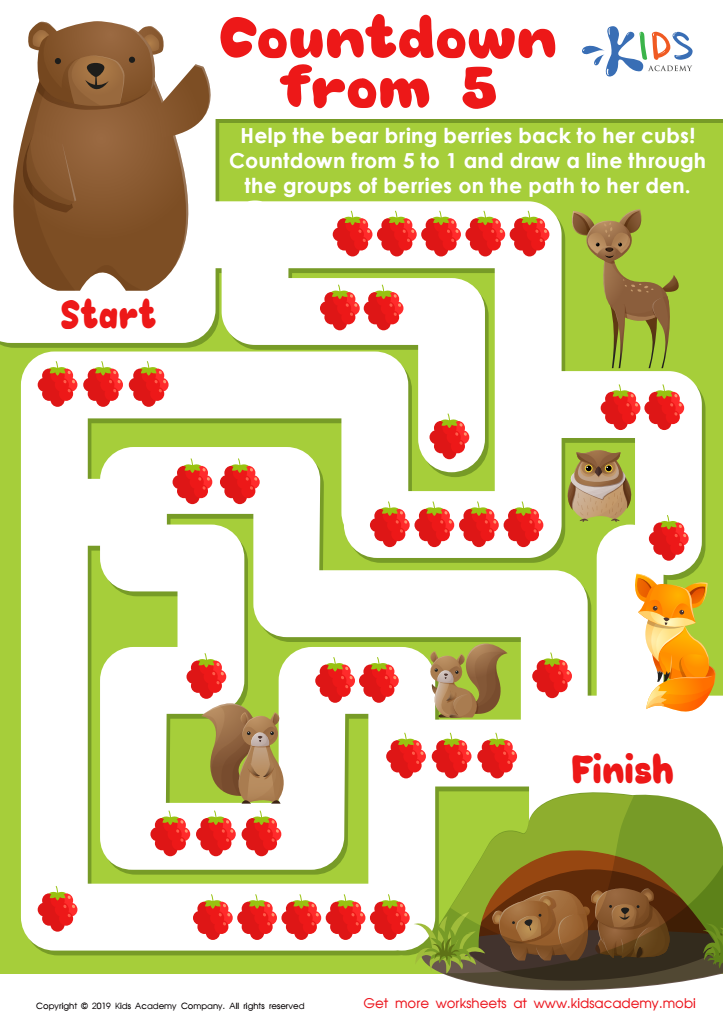
Countdown from 5 Worksheet
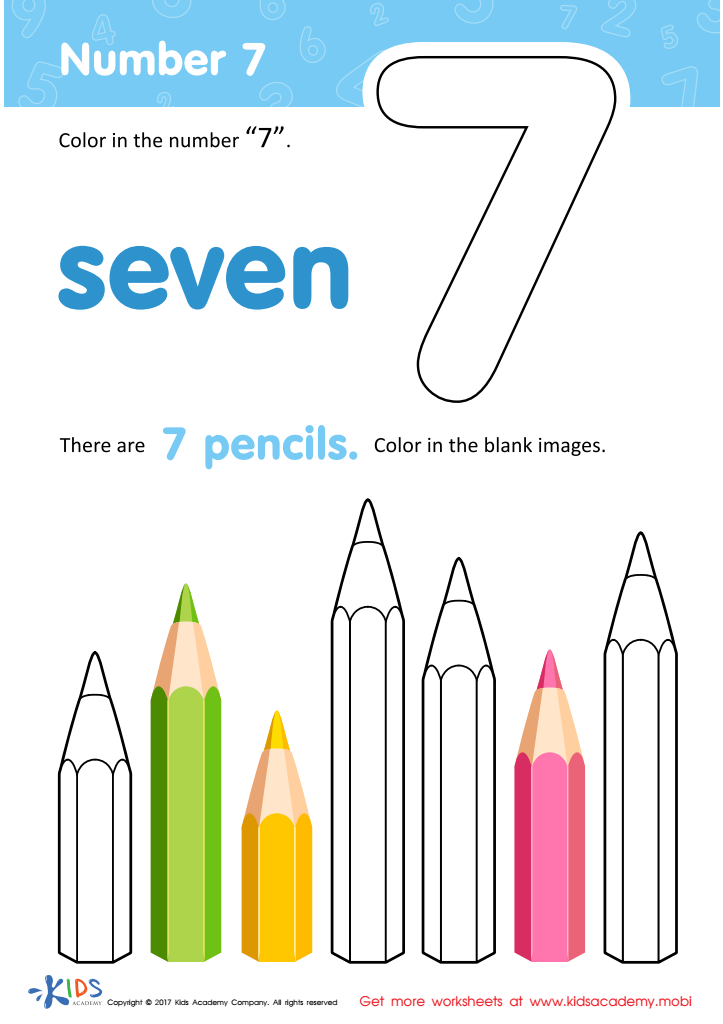
Number 7 Worksheet
Assign to My Students
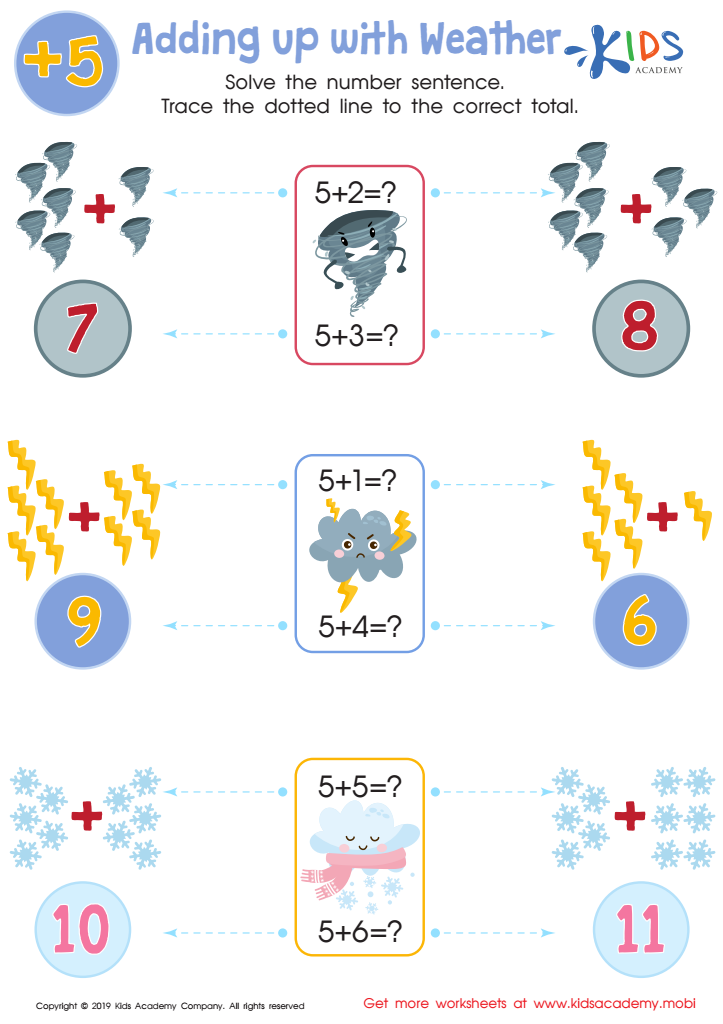
Adding up With Water Worksheet
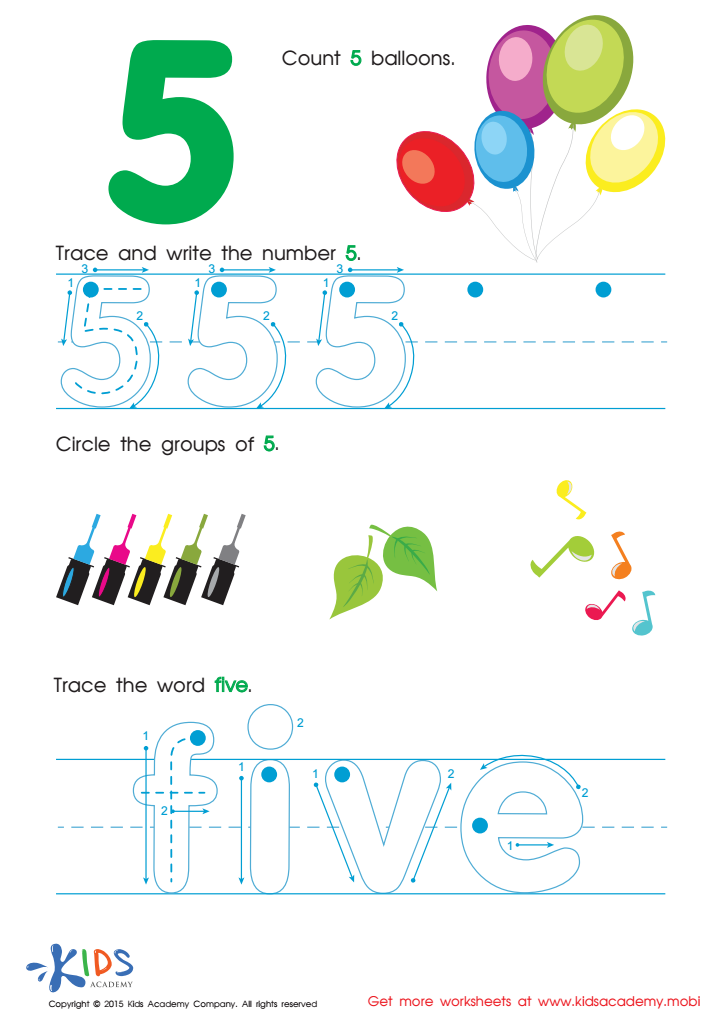
Practice Writing Number 5 Worksheet
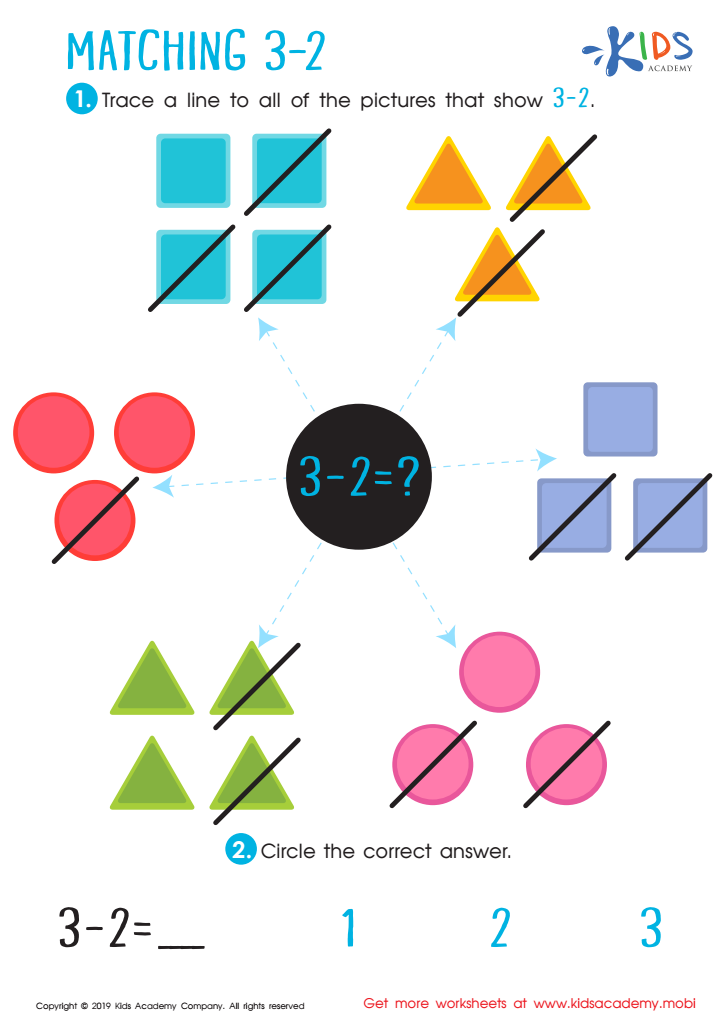
Matching 3-2 Worksheet
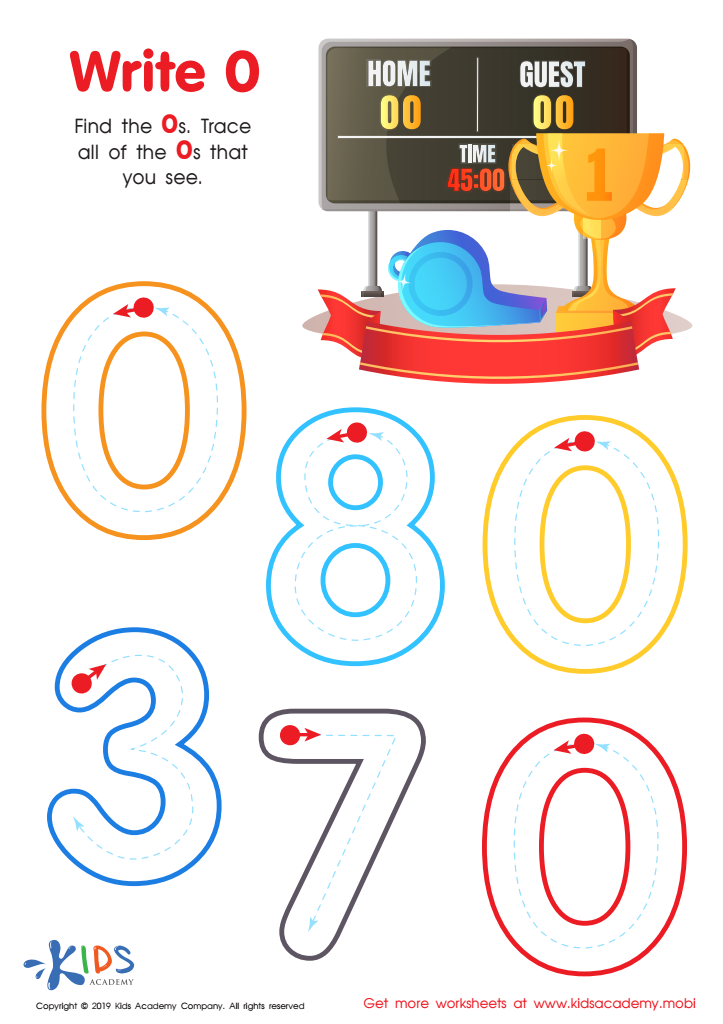
Write 0 Worksheet
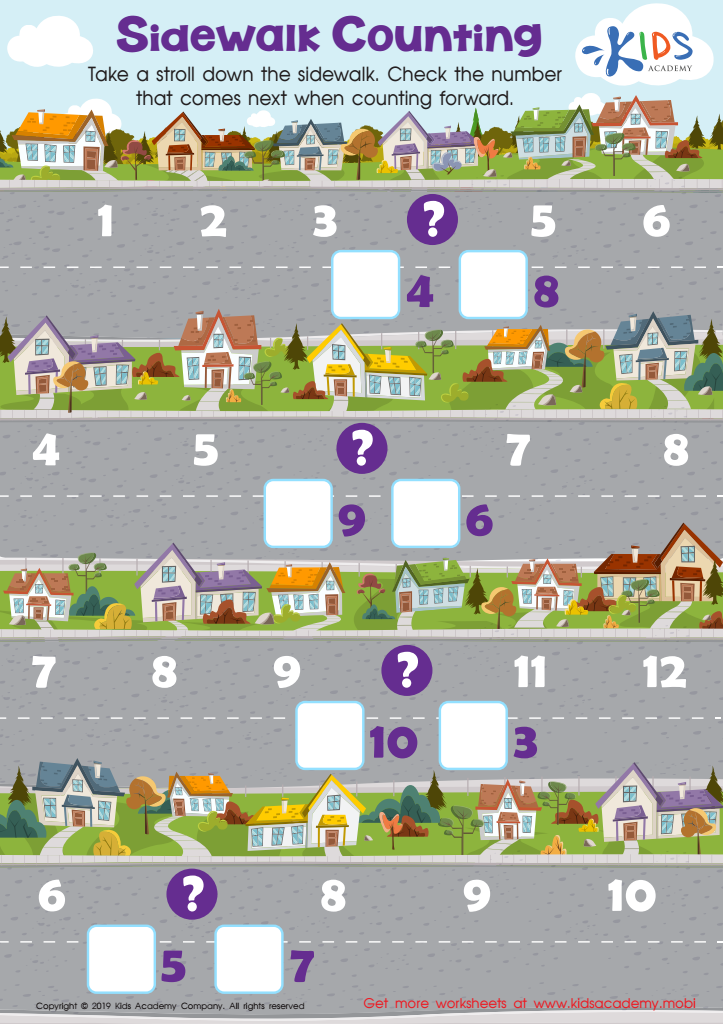
Sidewalk Counting Worksheet
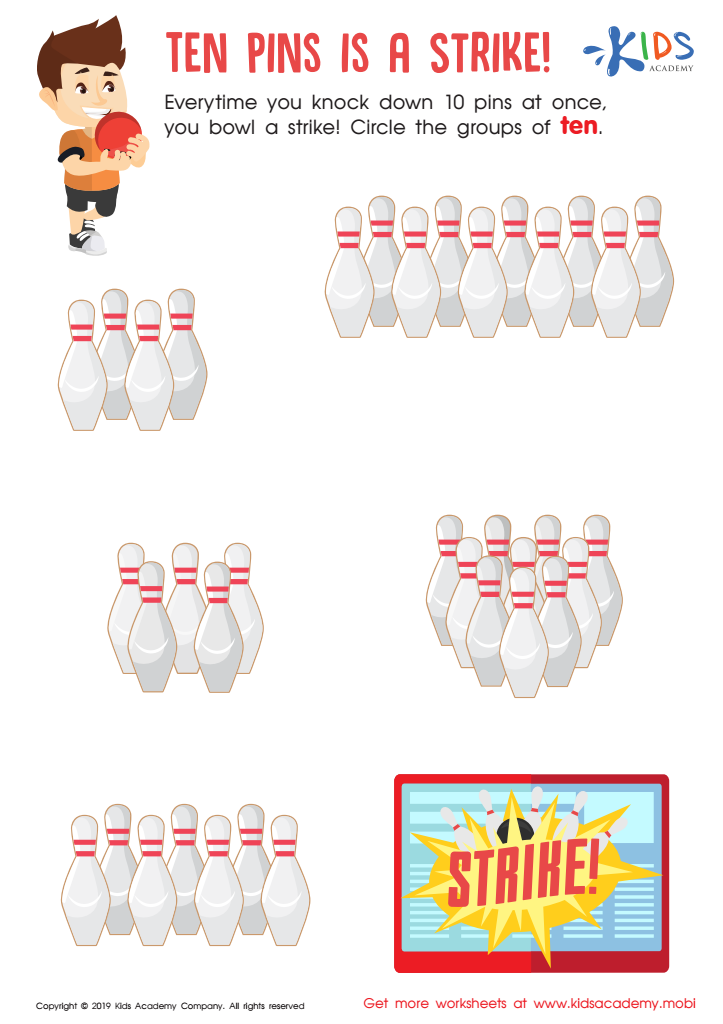
Ten Pins is a Strike Worksheet







.jpg)
Hand-eye coordination plays a crucial role in a child's overall development, particularly in their early academic experience, such as kindergarten math. This fundamental skill refers to the ability to synchronize visual input with physical actions, and it is vital for various activities, including writing, measuring, and manipulating math tools like blocks, counters, or manipulatives.
Firstly, strong hand-eye coordination aids in fine motor skills, which are essential for performing tasks like holding pencils, cutting paper, and organizing materials. As children engage in math activities involving counting or sorting objects, these skills are intertwined with their ability to successfully complete math problems.
Moreover, developing hand-eye coordination expands a child's capacity for problem-solving and critical thinking. Participating in hands-on math activities increases engagement and allows children to physically explore mathematical concepts, making them more relatable and easier to understand. This kinesthetic approach enhances retention and promotes confidence in math skills, setting a solid foundation for future learning.
In summary, fostering hand-eye coordination in kindergarten math encourages dexterity, engages children's curiosity, and builds critical skills necessary for lifelong learning, making it essential for parents and teachers to prioritize this aspect of early education.








