Filters

32 filtered results

Clear all filters
Favorites
With answer key
Interactive

32 filtered results

Difficulty Level

Grade


Check out this FREE Kindergarten Trial Lesson on Math!

Write 11-20

Favorites
With answer key
Interactive
  • Kindergarten
  • Hand-eye Coordination
  • Math
Number tracing worksheet for kindergarten

Number Tracing Worksheet For Kindergarten

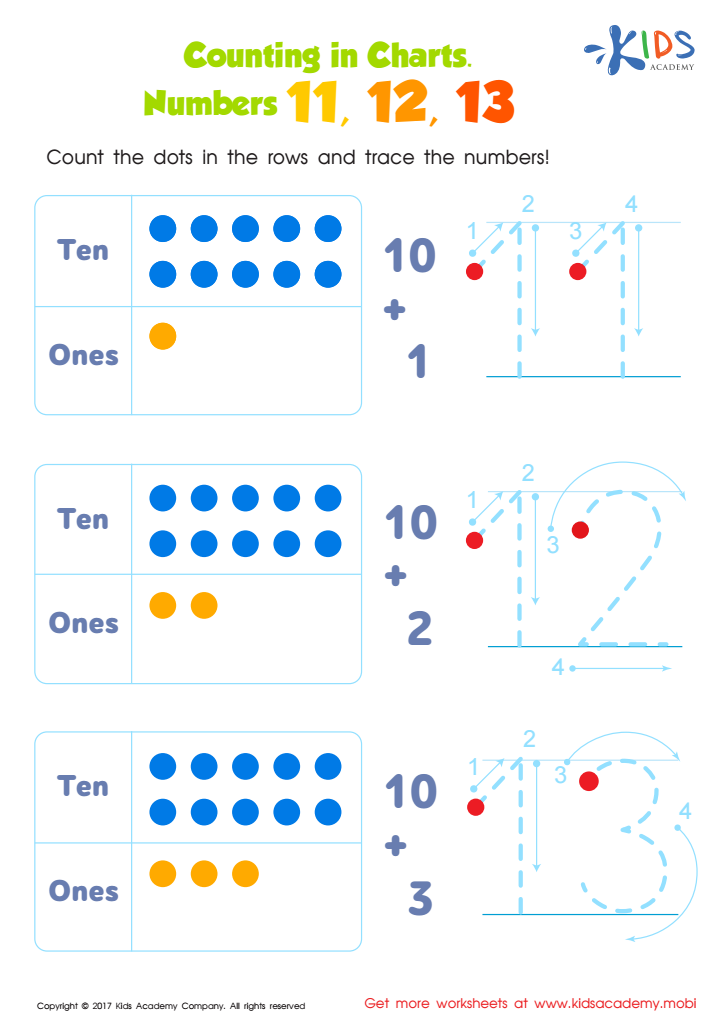
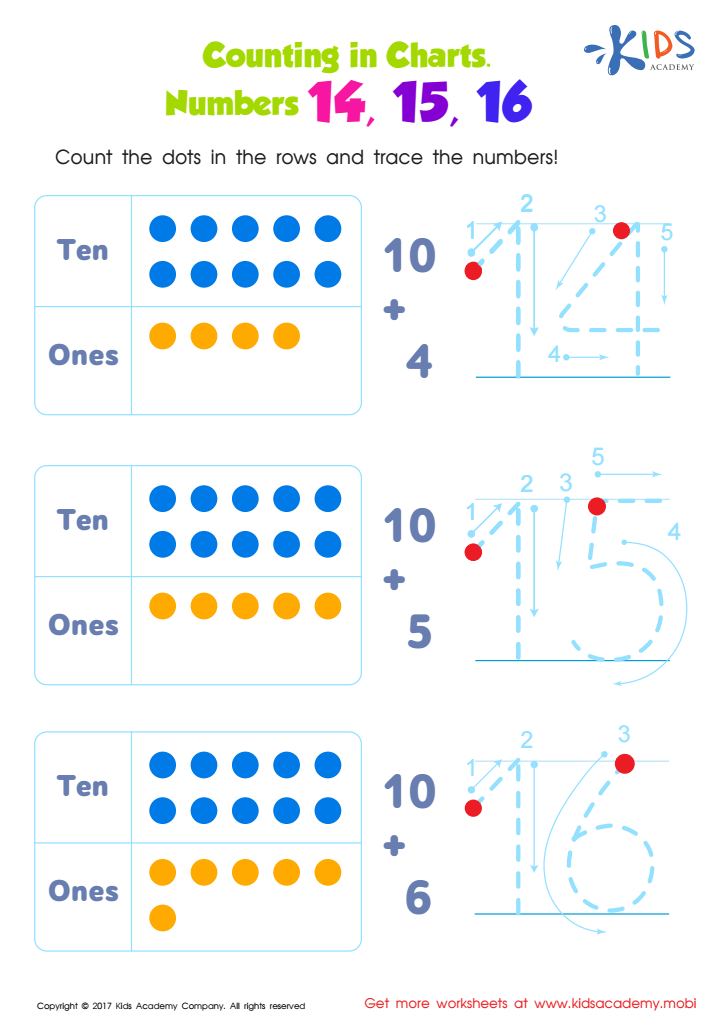
Help your child develop addition skills and improve number recognition with this easy-to-use worksheet. Have them count the dots and add to solve each problem. Then, trace over the number to complete each row! It's a fun and simple way for kindergarteners to practice their math skills.
Number Tracing Worksheet For Kindergarten
Worksheet
Eight Geese Worksheet

Eight Geese Worksheet

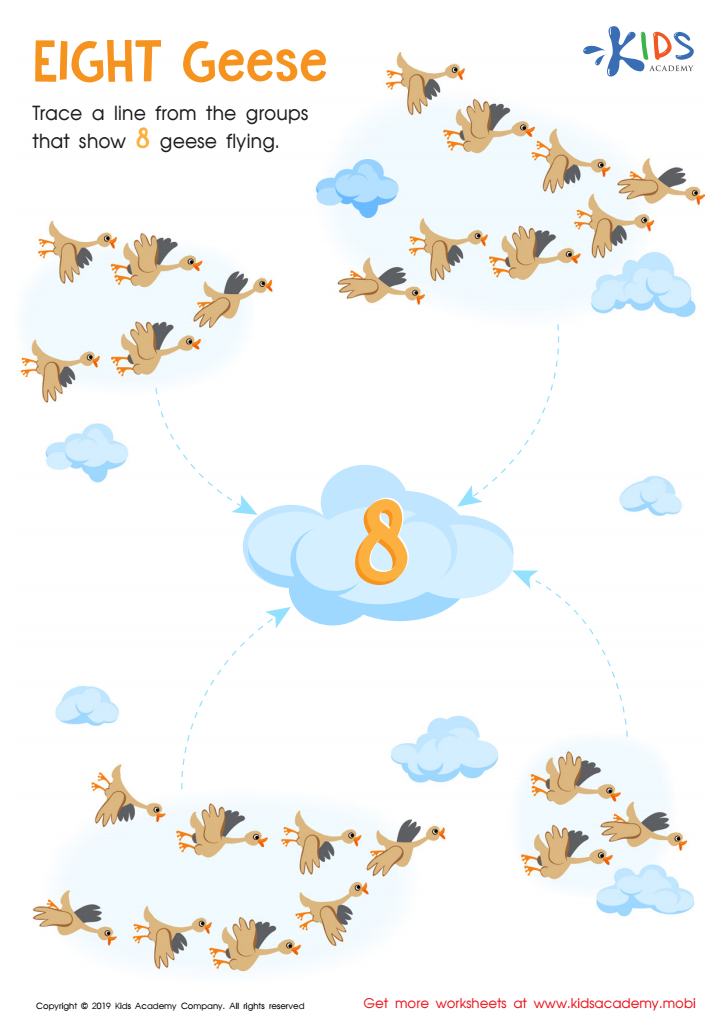
Assess your child's counting skills with this worksheet. Help them count the geese in each group, then trace a line from the groups showing 8. Give your kids a boost by providing lots of exercises and learning aids to help with counting. They likely count objects they come across, like spoons and stones. Use this opportunity to give them practice and help them learn.
Eight Geese Worksheet
Worksheet
Numbers 1, 2 and 3: Assessment 1 Worksheet

Numbers 1, 2 and 3: Assessment 1 Worksheet

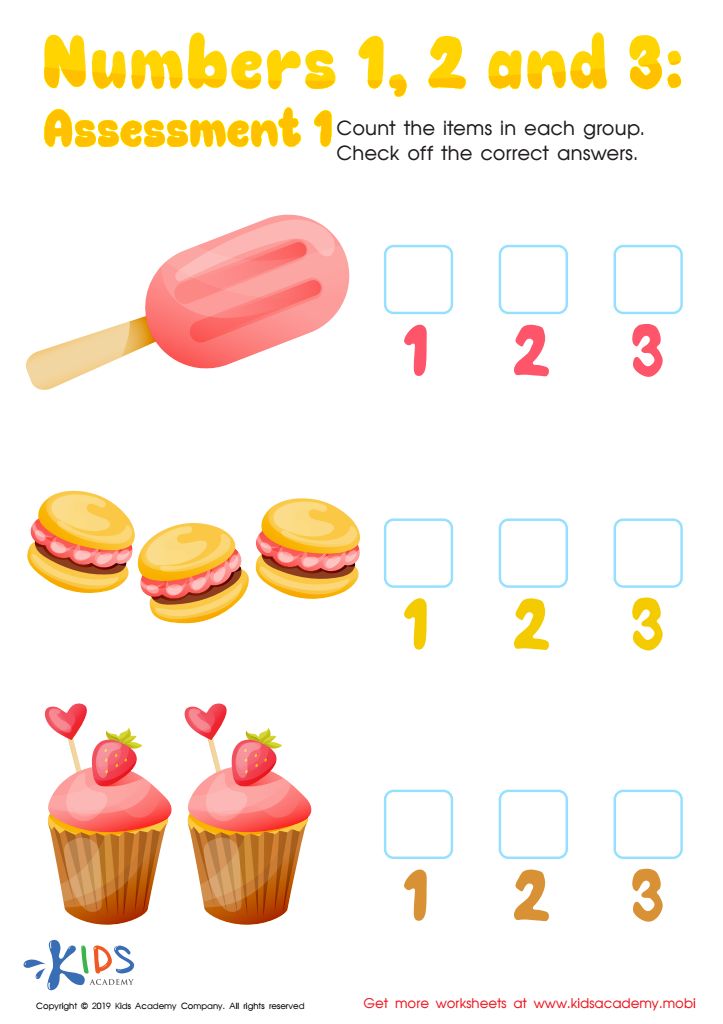
This bright and colorful numbers assessment worksheet is a great way to assess your child's numeracy skills. It provides a sweet treat for them, and helps them recognise 1, 2 or 3 objects. One-to-one representation is key for foundational math skills, and this PDF helps your child build these essential skills.
Numbers 1, 2 and 3: Assessment 1 Worksheet
Worksheet
14 in School Worksheet

14 in School Worksheet

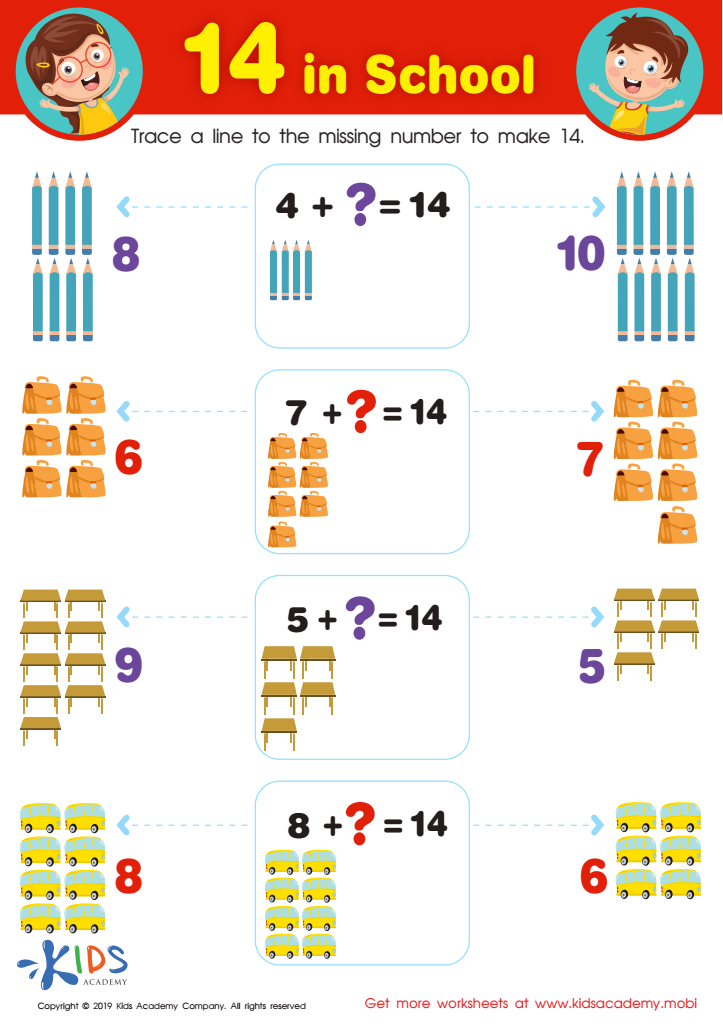
Remind your kids that adding different sets of numbers can give the same total (e.g. 2+3=5, 4+1=5). Ask them for more examples. Afterwards, work through the exercise. Help them count the objects and trace a line to the missing number that makes the total 14.
14 in School Worksheet
Worksheet
Numbers 1, 2 and 3: Assessment 2 Worksheet

Numbers 1, 2 and 3: Assessment 2 Worksheet

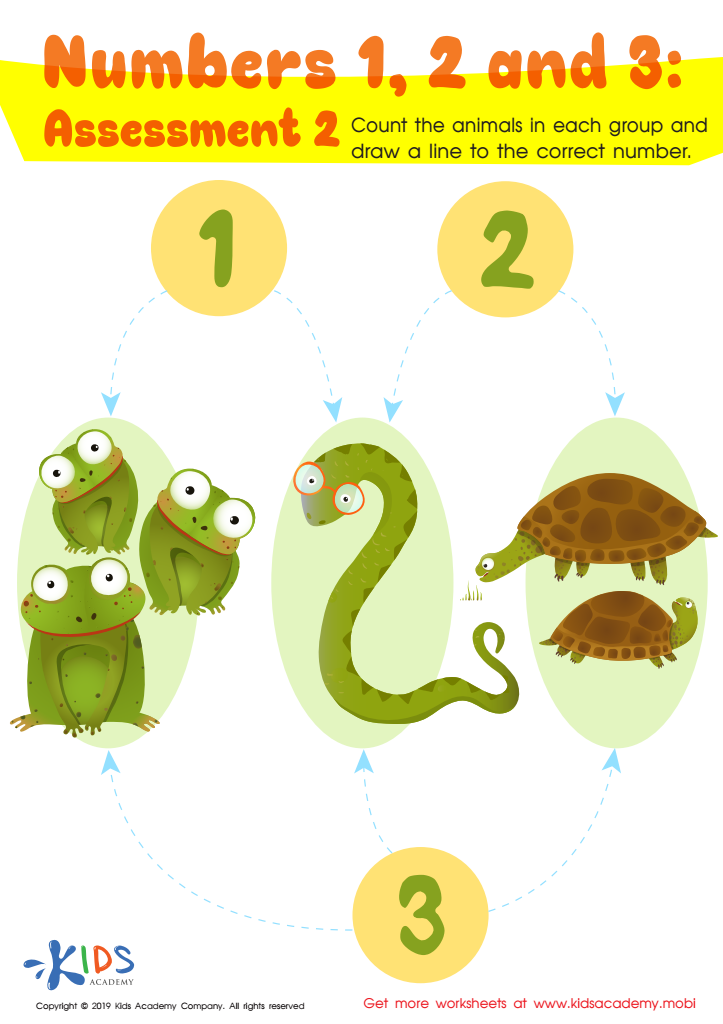
Introduce your young student to some new friends! With traceable lines and adorable pictures, they'll practice matching numbers and pictures while strengthening number and counting skills. They'll also work on their fine-motor ability, but they'll just think they're having fun with loopy lines.
Numbers 1, 2 and 3: Assessment 2 Worksheet
Worksheet
Night Sky Counting Worksheet

Night Sky Counting Worksheet

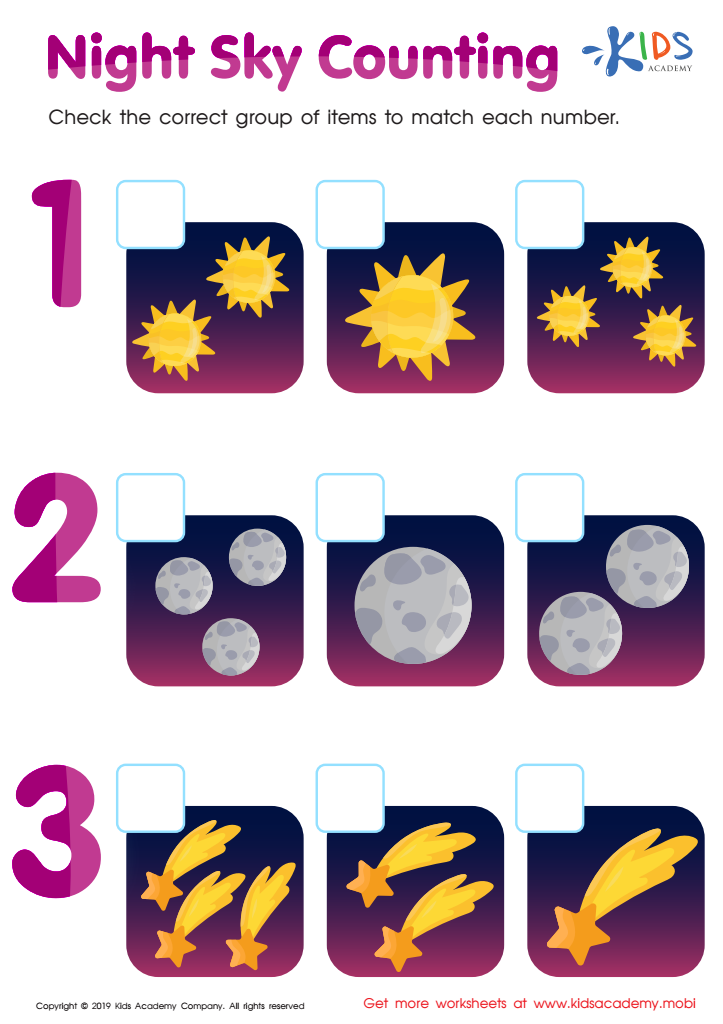
Twinkle, little star! Counting is fun with this Night Sky worksheet. Kids use colorful pictures and basic counting skills to match numerals with their corresponding group of items. It's a great way to let them practice number sense and one-to-one representation while having fun!
Night Sky Counting Worksheet
Worksheet
Number tracing PDF worksheet

Number Tracing Worksheet

Kids learn math with counters and place value! This handy worksheet helps form a foundation for math skills and number sense! Have your child count the dots and trace the answers to the addition problems. It's a great way to support their math skills!
Number Tracing Worksheet
Worksheet
Printable Counting Worksheet for Preschool

Counting Worksheet: Preschool Math

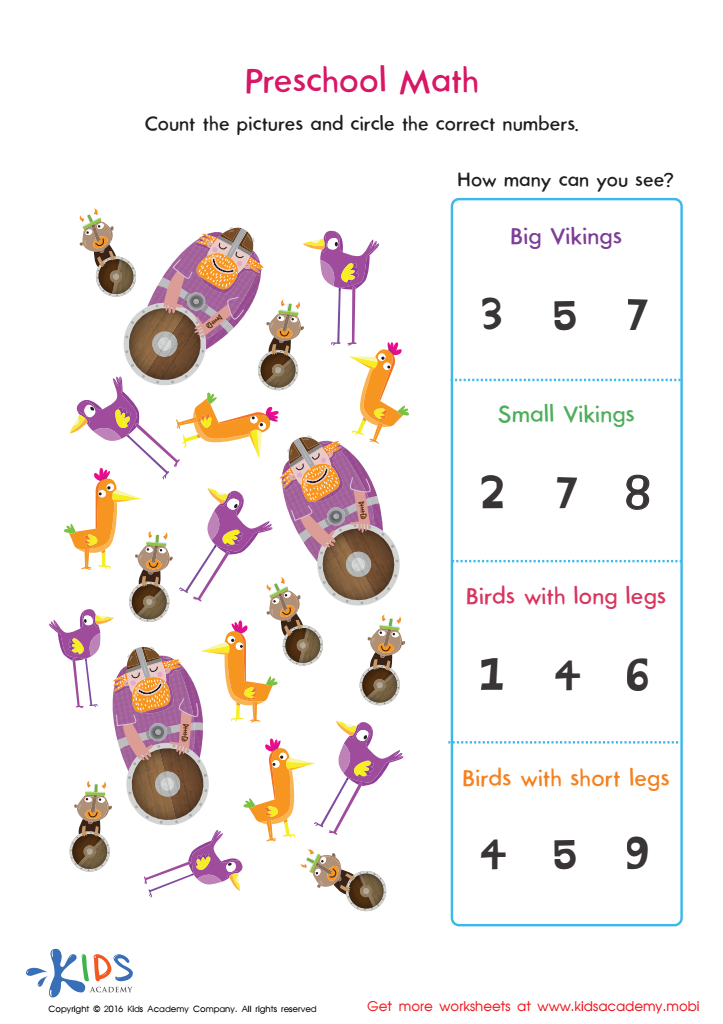
Help your child practice counting and reading at the same time!
Counting Worksheet: Preschool Math
Worksheet


Hand-eye coordination plays a crucial role in a child's overall development, particularly in their early academic experience, such as kindergarten math. This fundamental skill refers to the ability to synchronize visual input with physical actions, and it is vital for various activities, including writing, measuring, and manipulating math tools like blocks, counters, or manipulatives.

Firstly, strong hand-eye coordination aids in fine motor skills, which are essential for performing tasks like holding pencils, cutting paper, and organizing materials. As children engage in math activities involving counting or sorting objects, these skills are intertwined with their ability to successfully complete math problems.

Moreover, developing hand-eye coordination expands a child's capacity for problem-solving and critical thinking. Participating in hands-on math activities increases engagement and allows children to physically explore mathematical concepts, making them more relatable and easier to understand. This kinesthetic approach enhances retention and promotes confidence in math skills, setting a solid foundation for future learning.

In summary, fostering hand-eye coordination in kindergarten math encourages dexterity, engages children's curiosity, and builds critical skills necessary for lifelong learning, making it essential for parents and teachers to prioritize this aspect of early education.