Fine Motor Skills Preschool Numbers 0–10 Worksheets - Page 2
46 filtered results
-
From - To
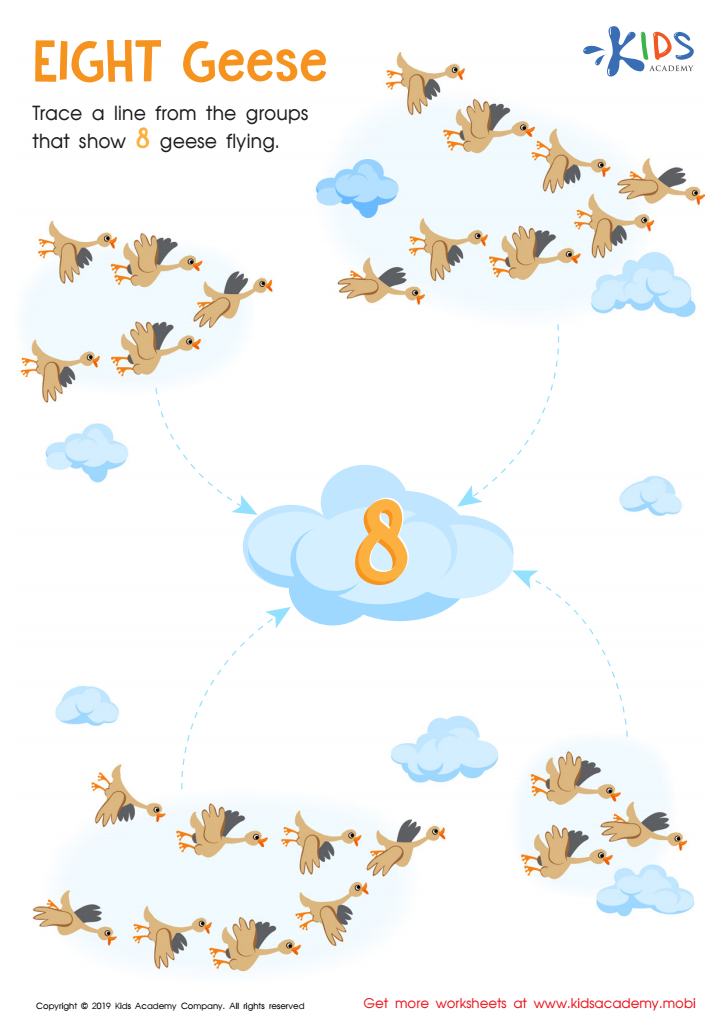
Eight Geese Worksheet
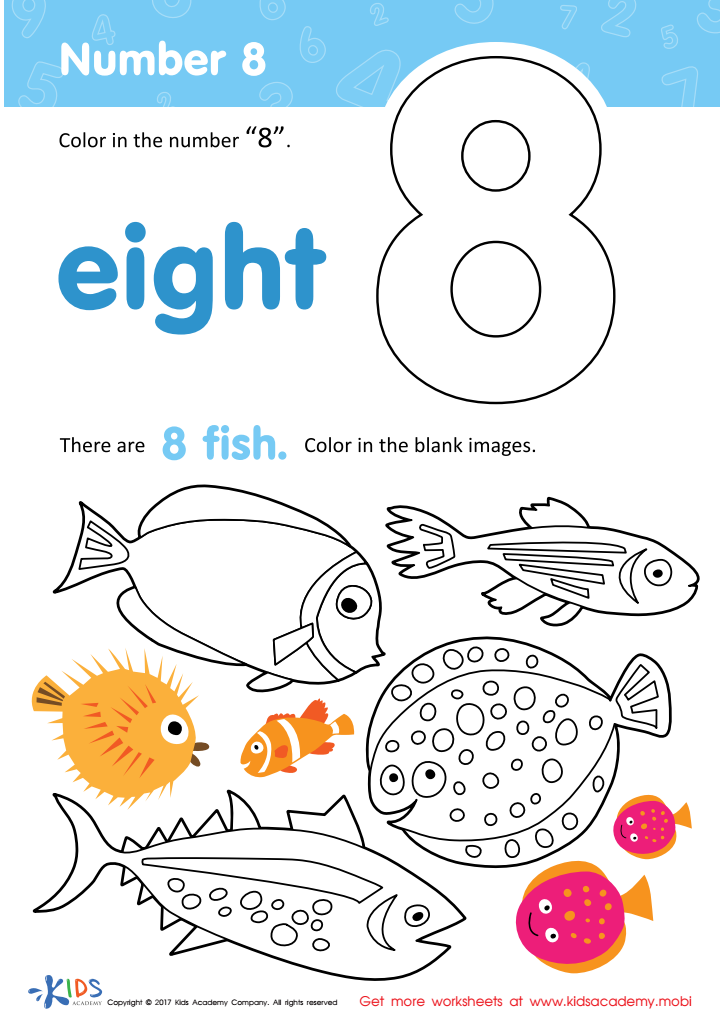
Number 8 Printable
 Assign to My Students
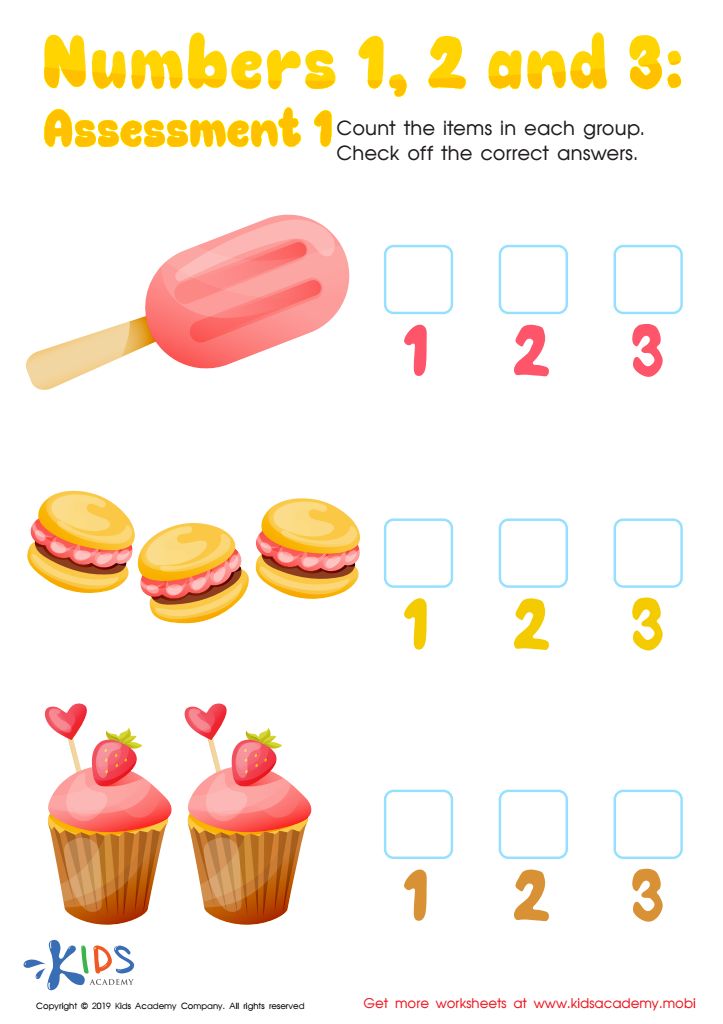
Numbers 1, 2 and 3: Assessment 1 Worksheet
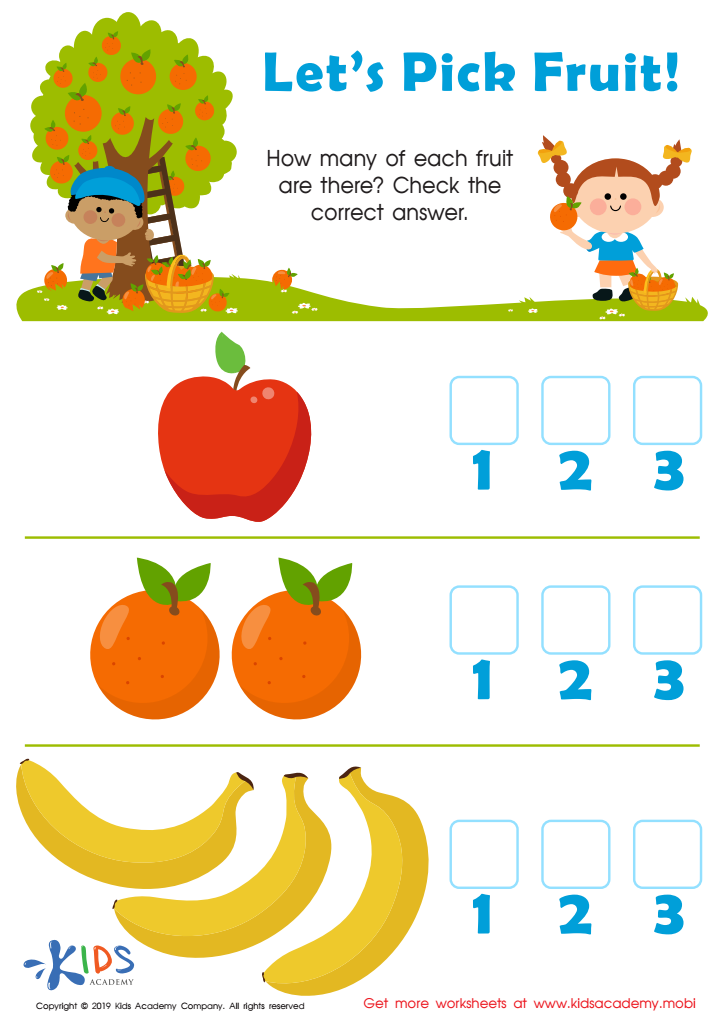
Let's Pick Fruit Worksheet
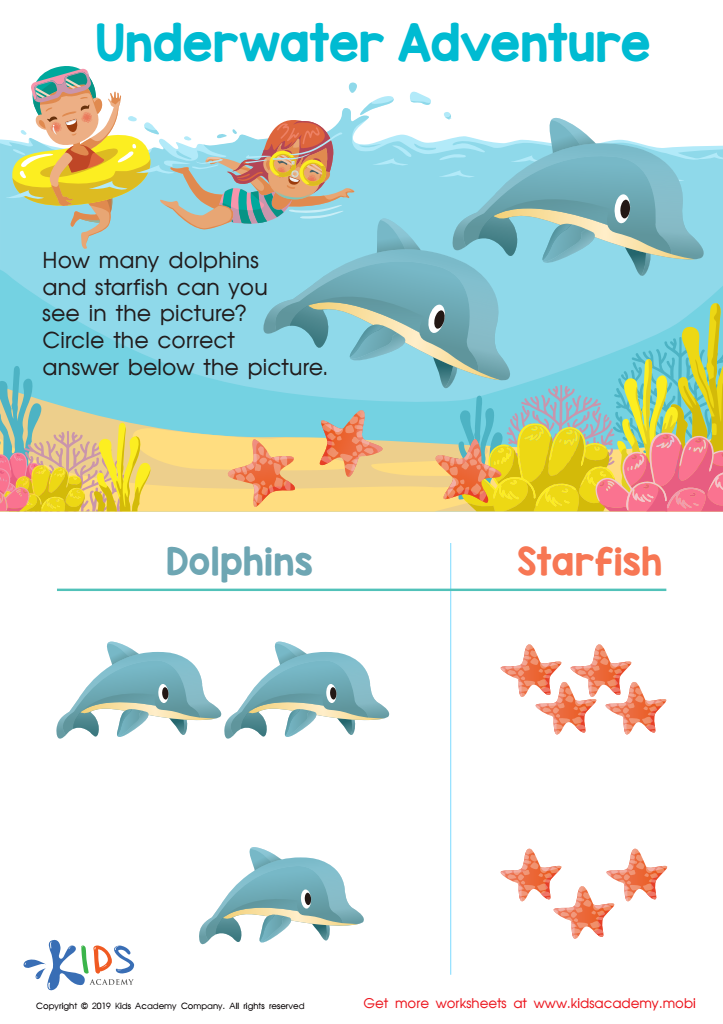
Underwater Adventure Worksheet
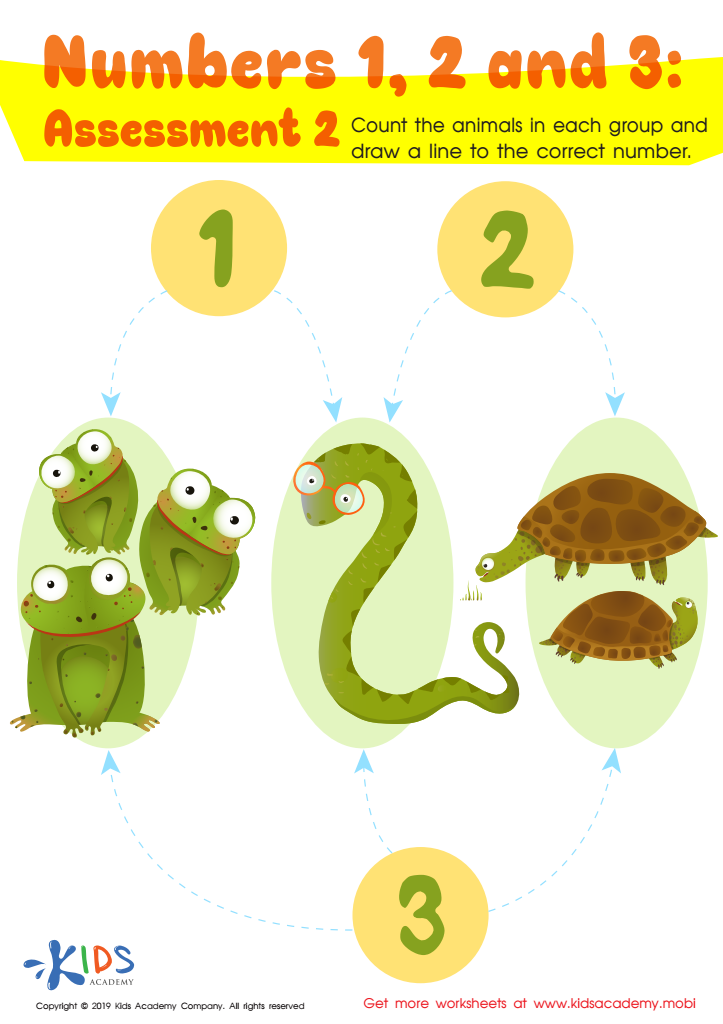
Numbers 1, 2 and 3: Assessment 2 Worksheet
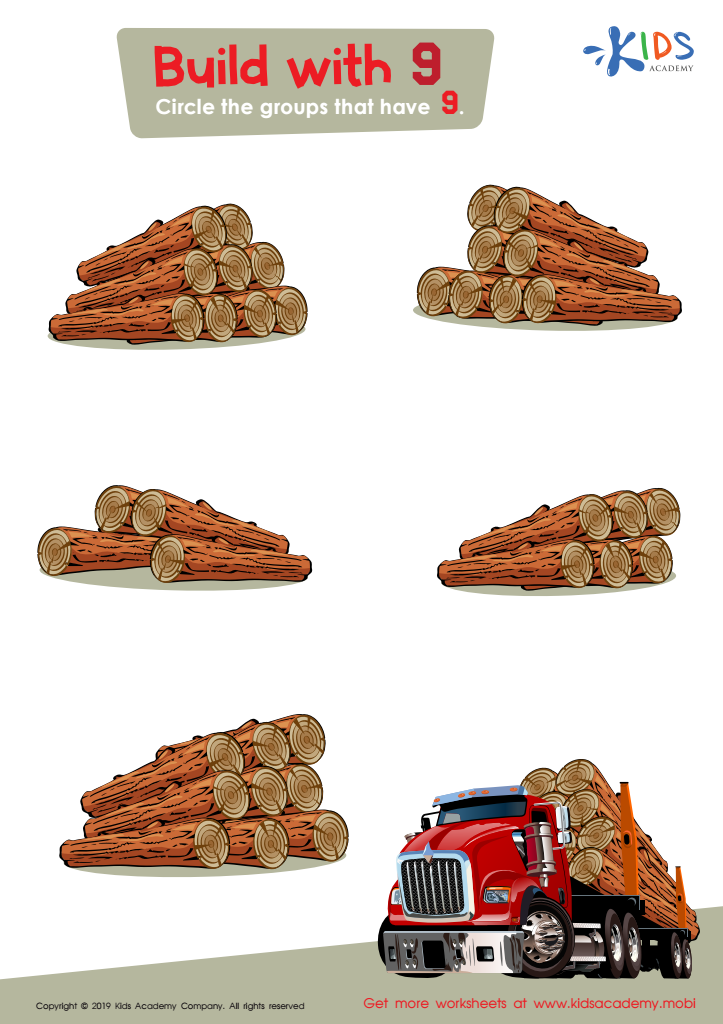
Build with 9 Worksheet
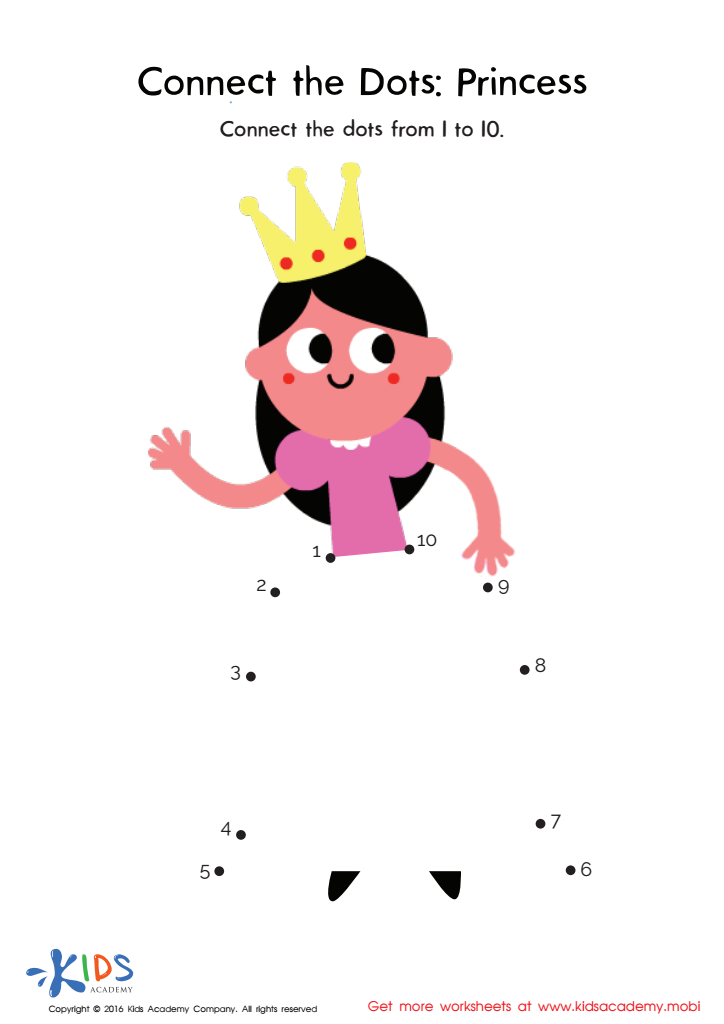
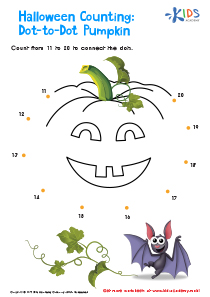
Princess Connect Dots Worksheet
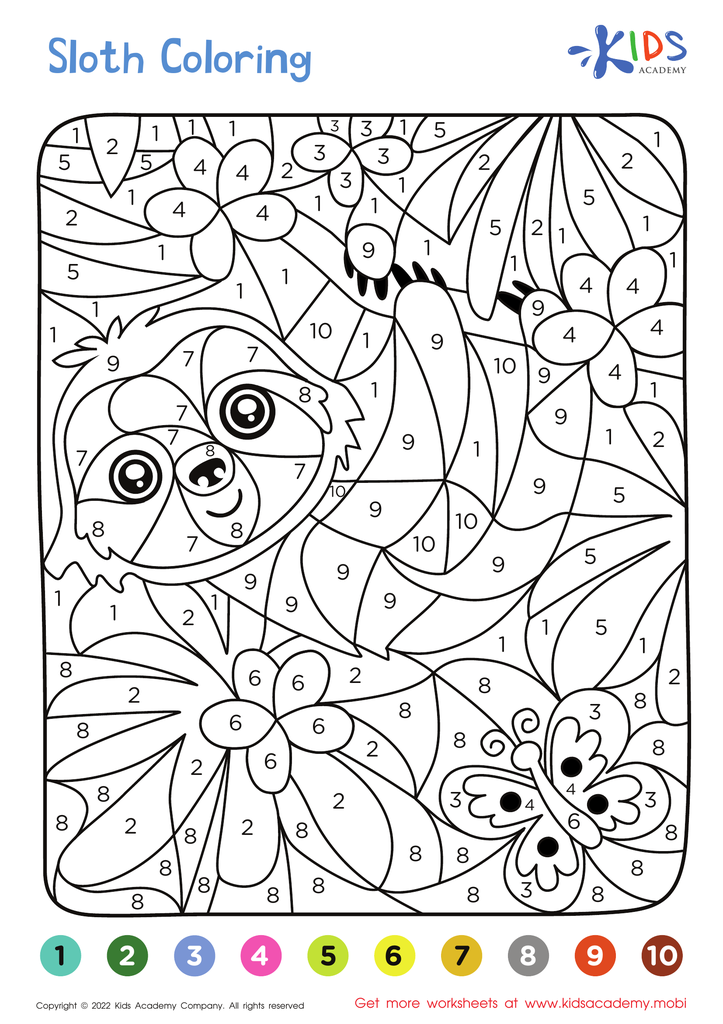
Sloth – Coloring by Numbers
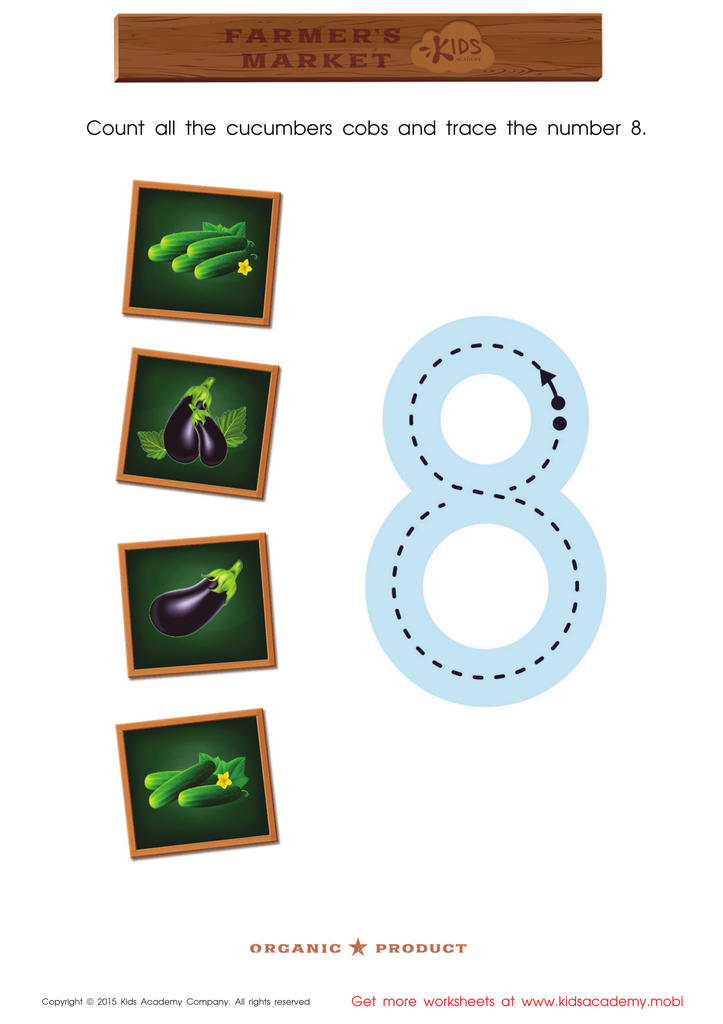
Count the Cucumbers and Trace the Number 8 Printable
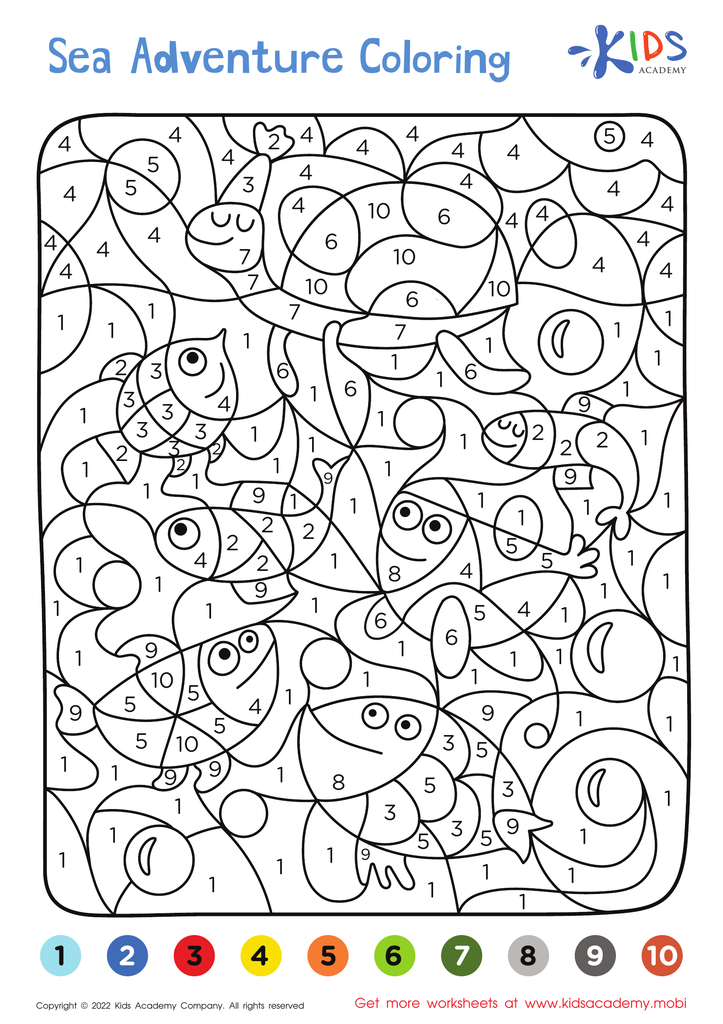
Sea Adventure – Coloring by Numbers
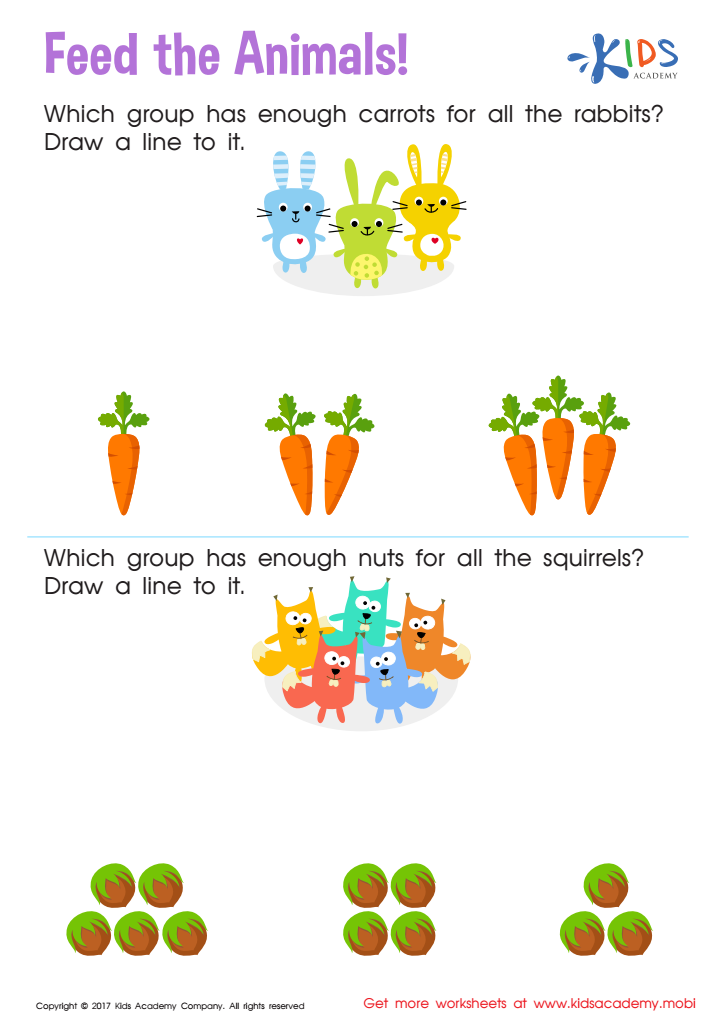
Count and Match: Feed the Animals Worksheet
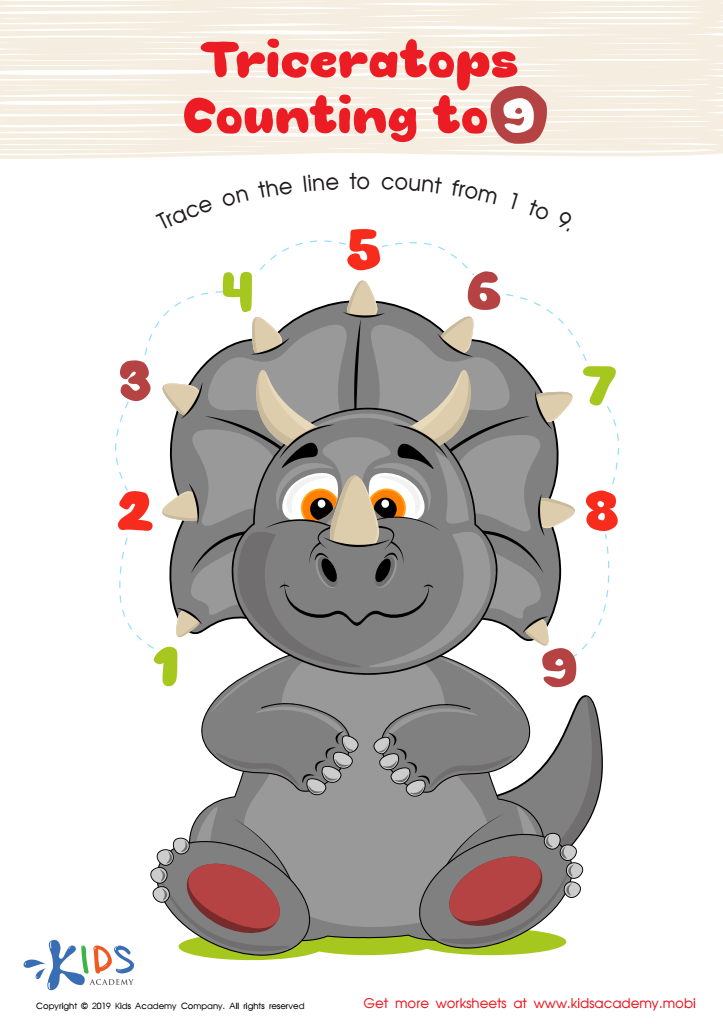
Triceratops Counting to 9 Worksheet
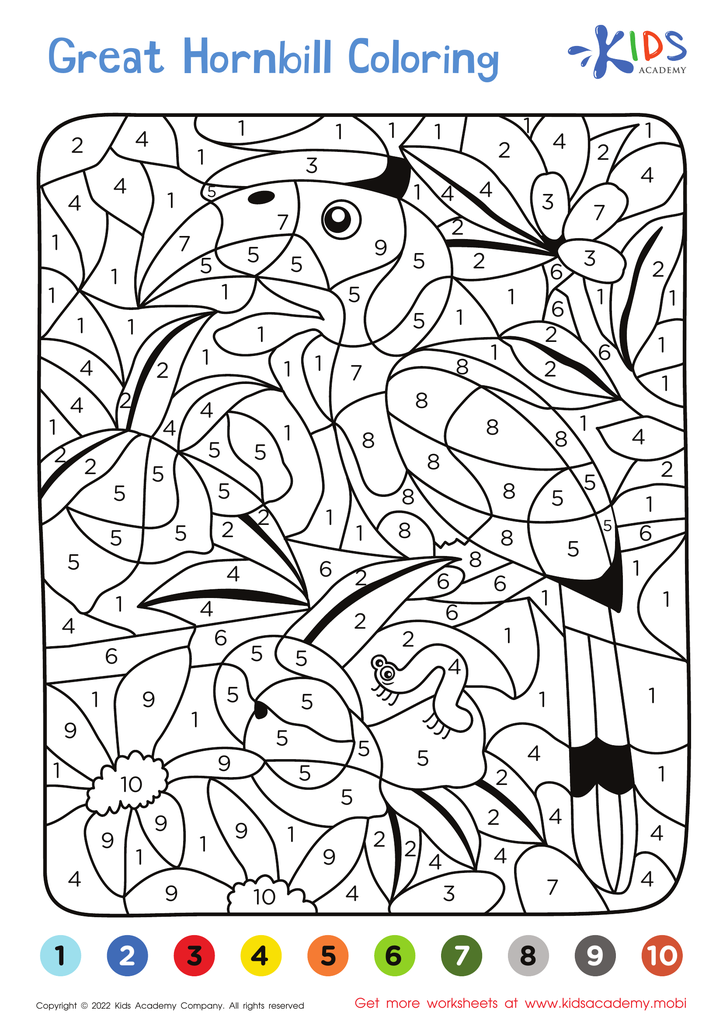
Great Hornbill – Coloring by Numbers
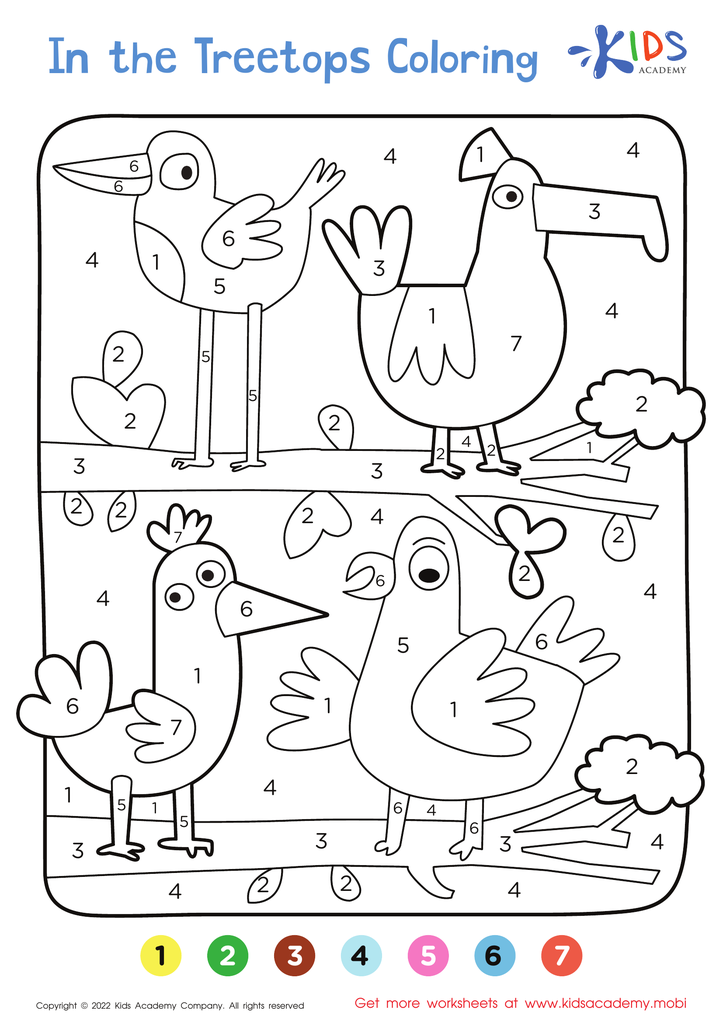
In the Treetops – Coloring Page
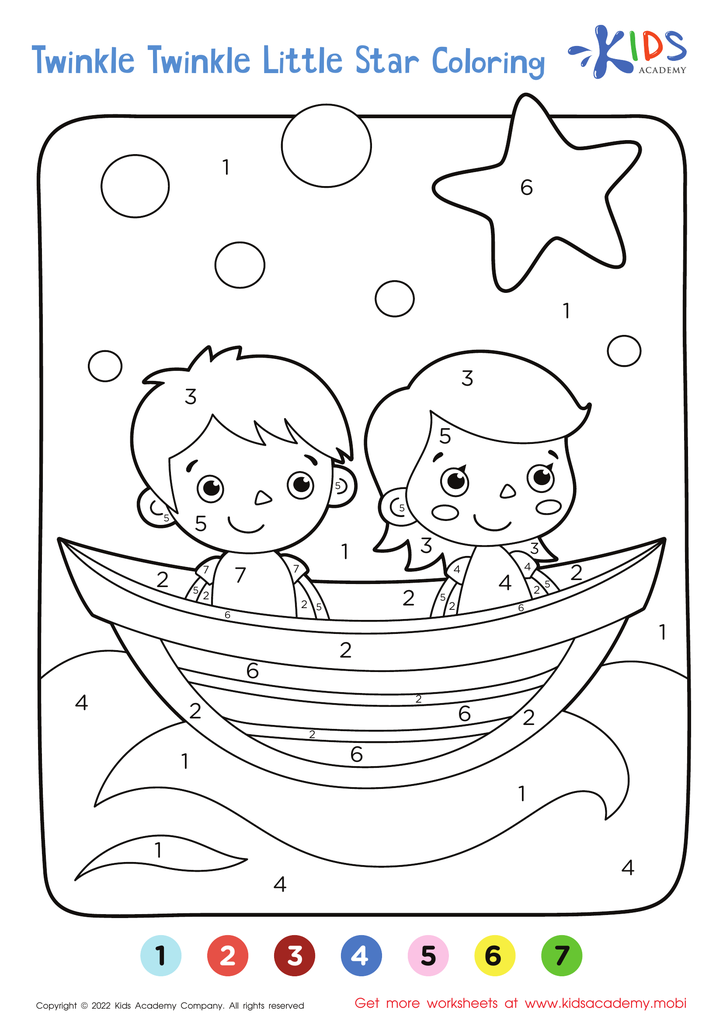
Twinkle, Twinkle, Little Star – Coloring by Numbers
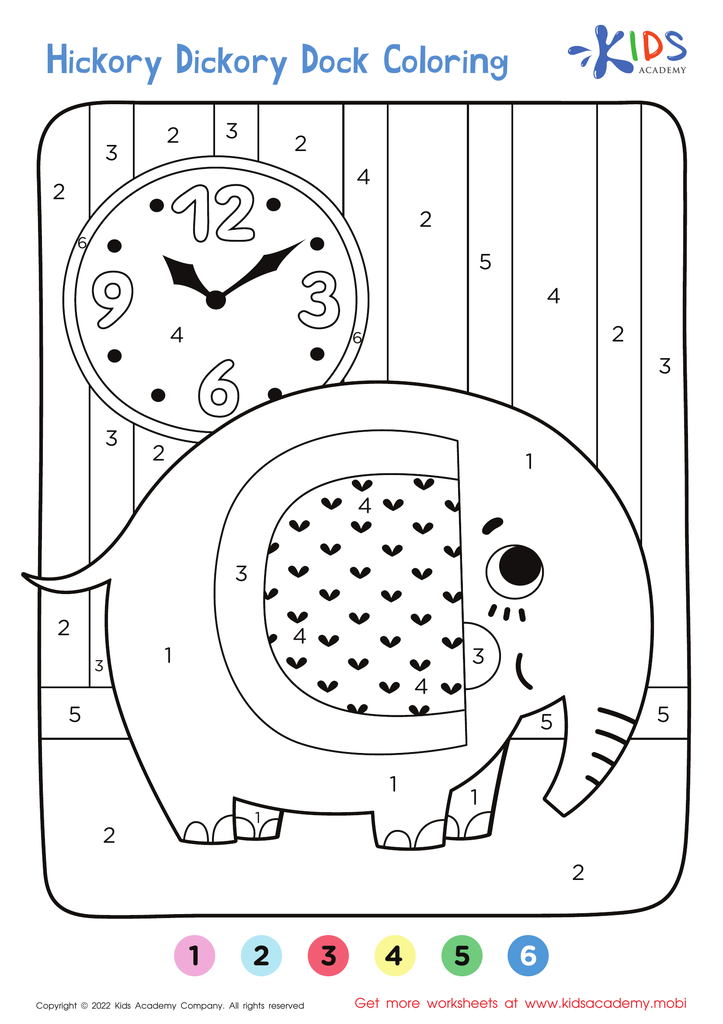
Hickory Dickory Dock – Coloring by Numbers

Night Sky Numbers Worksheet
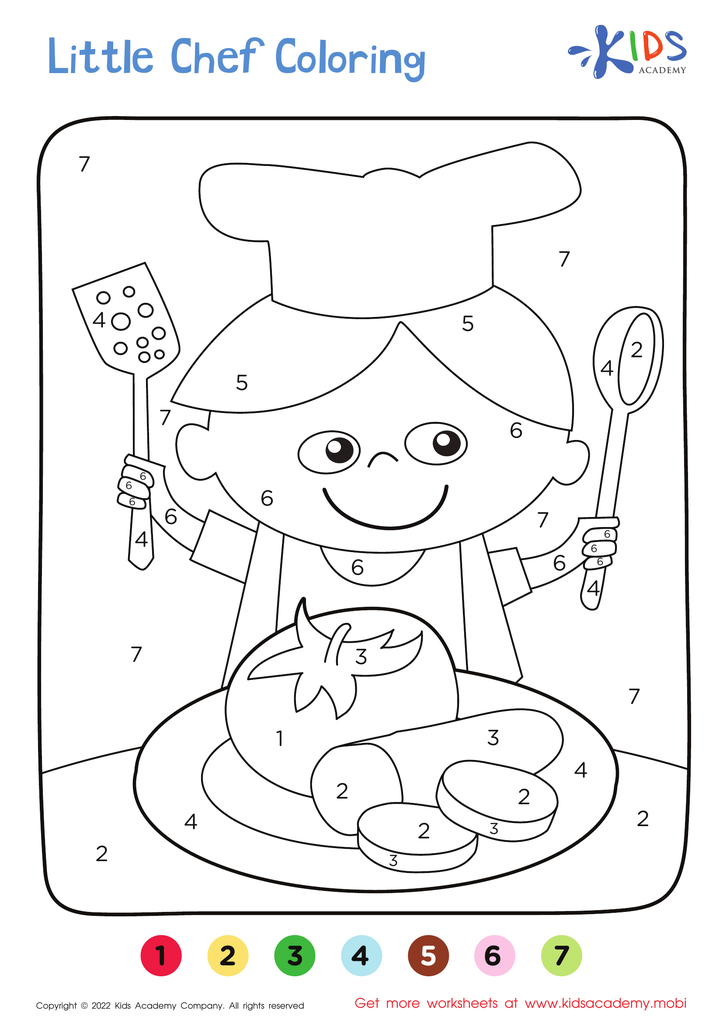
Little Chef – Coloring by Numbers
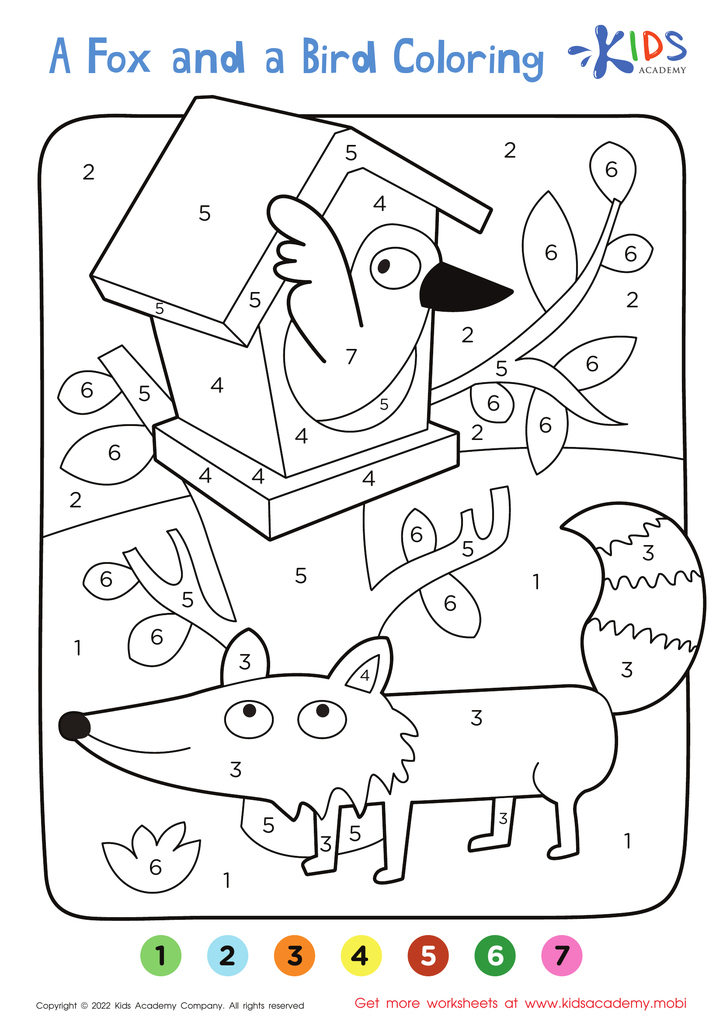
A Fox and a Bird – Coloring by Numbers
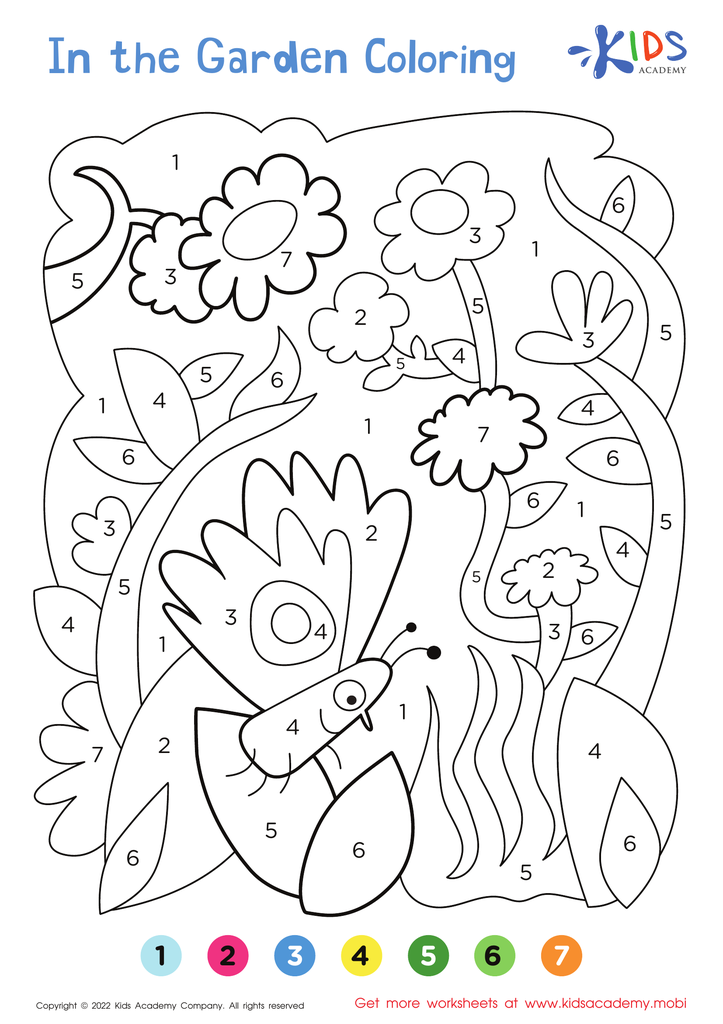
In the Garden – Coloring by Numbers
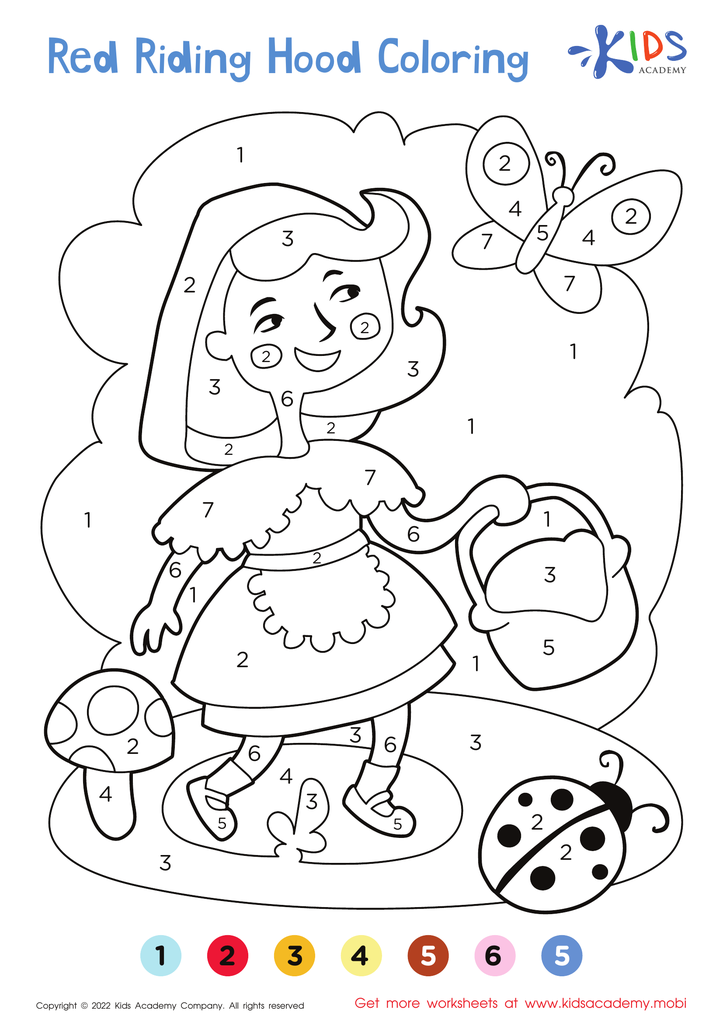
Little Red Riding Hood – Coloring by Numbers



Parents and teachers should care about fine motor skills while helping preschoolers learn numbers 0–10 because these skills are essential for a child's overall development and academic success. Fine motor skills involve the coordination of small muscles in the hands and fingers, enabling tasks like holding a pencil, buttoning a shirt, and manipulating objects. When children engage in activities focused on numbers 0-10, they not only learn basic math concepts but also improve these crucial motor skills.
Completing tasks such as tracing, drawing, and using manipulatives like blocks or counting beads can enhance children's dexterity and hand-eye coordination. These activities build the strength and precision needed for more advanced tasks, such as writing letters and completing more complex math problems in the future.
Moreover, improving fine motor skills at an early age can boost children's confidence and independence. It can make learning more enjoyable and easier, leading them to be more eager and motivated to participate in educational activities. As foundational math skills develop alongside fine motor prowess, students become better prepared for the academic challenges that lie ahead. This combined growth fosters a well-rounded early learning experience, paving the way for ongoing educational success and lifelong learning habits.