Fraction comparison Preschool Building Vocabulary Worksheets
3 filtered results
-
From - To
Introducing our engaging "Fraction Comparison Preschool Building Vocabulary Worksheets," designed to enhance young learners' understanding of fractions while boosting their vocabulary skills. These interactive worksheets make learning fun, helping children grasp basic fraction concepts through a variety of activities that encourage critical thinking and comparison skills. Each worksheet is thoughtfully crafted to foster early math literacy, enabling preschoolers to identify and differentiate between fractions visually and conceptually. Perfect for classroom use or at-home learning, our resources support educators and parents in providing a strong foundation for mathematical reasoning, paving the way for future success in mathematics. Explore our worksheets today and watch your child thrive!
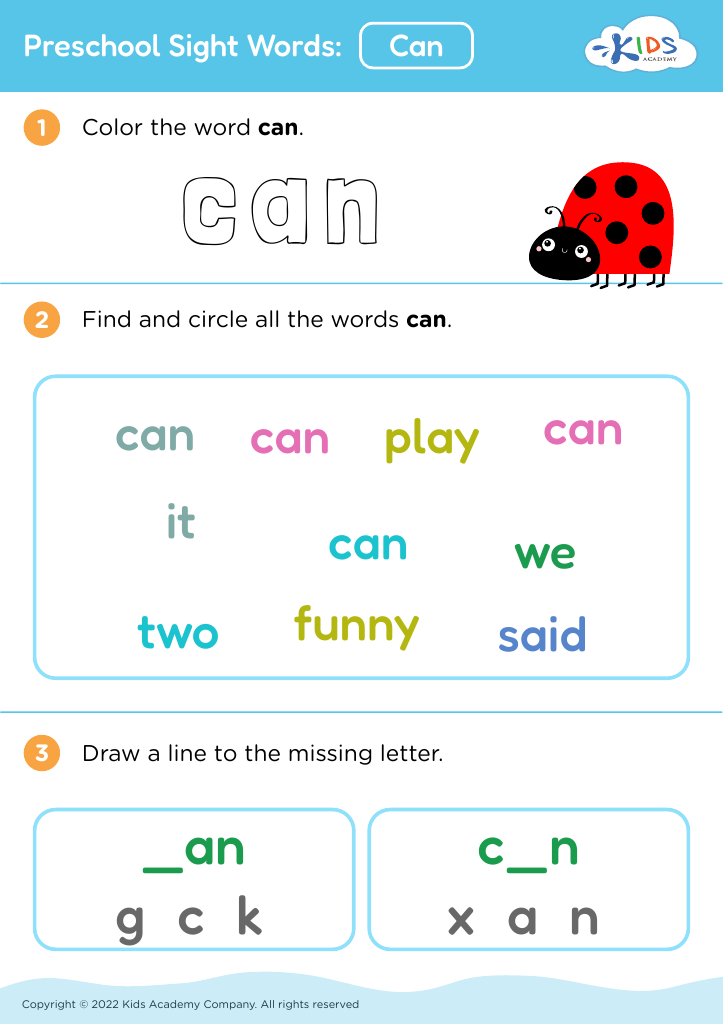







Parents and teachers should prioritize fraction comparison in preschool as it lays an essential foundation for early mathematical understanding. Introducing young learners to fractional concepts helps develop their number sense and mathematical vocabulary, crucial skills for future academic success. Understanding how to compare fractions builds reasoning and analytical skills, encouraging children to think critically about quantities and their relationships.
By fostering vocabulary related to fractions—such as "greater than," "less than," "equal," and "part of"—educators enhance children's ability to express mathematical ideas clearly. This early exposure facilitates cognitive development and prepares children for more complex concepts in later grades.
Moreover, fraction comparison aligns with everyday experiences, allowing children to relate learning to real-life situations, such as sharing food or dividing toys. Engaging in these tangible comparisons reinforces their comprehension and promotes collaborative learning when working with peers.
Furthermore, parents who support fraction comparison at home through games and activities become crucial partners in their child’s education. They can instill a love for learning while demystifying math, helping children approach future challenges with confidence. Overall, nurturing a strong understanding of fractions at a young age empowers children for math success down the line.