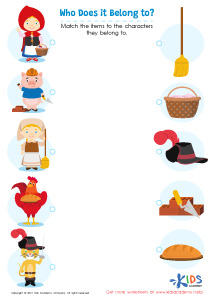
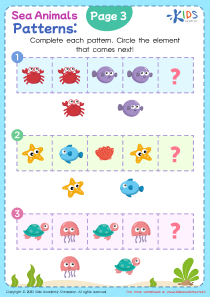
Understanding fractions Preschool Building Vocabulary Worksheets
10 filtered results
Difficulty Level
Grade
Age
-
From - To
Subject
Activity
Standards
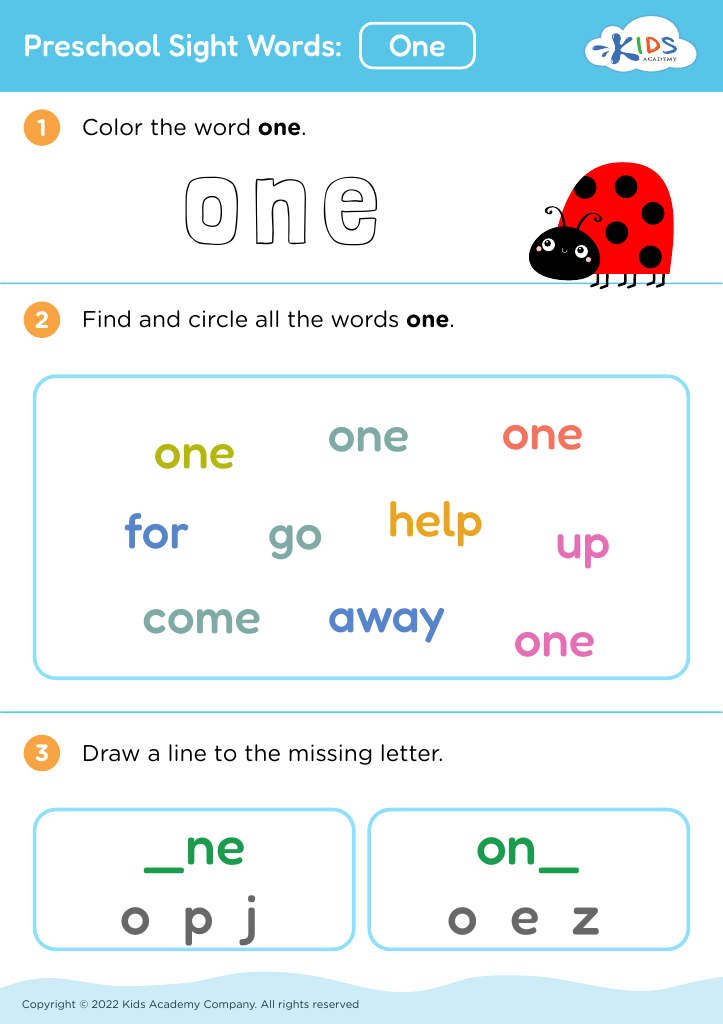
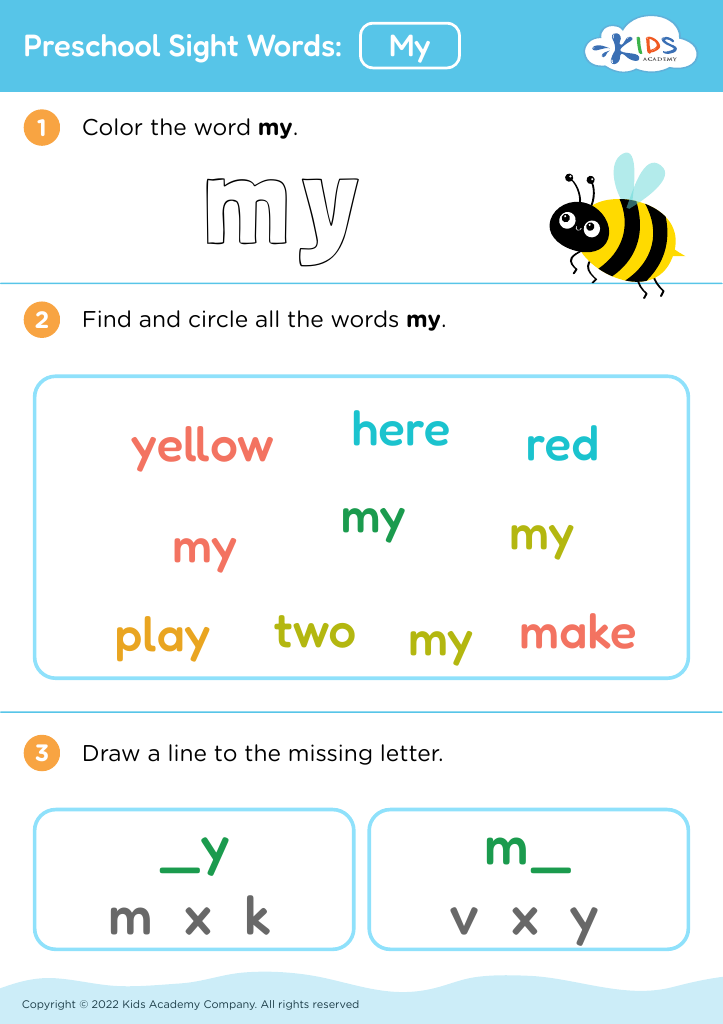
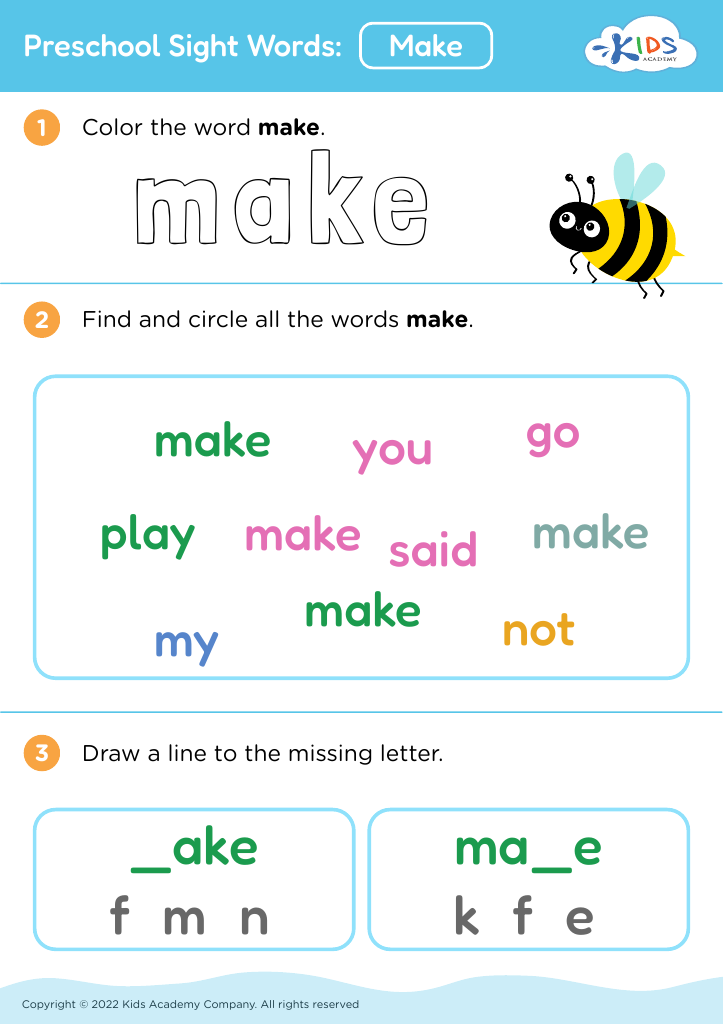
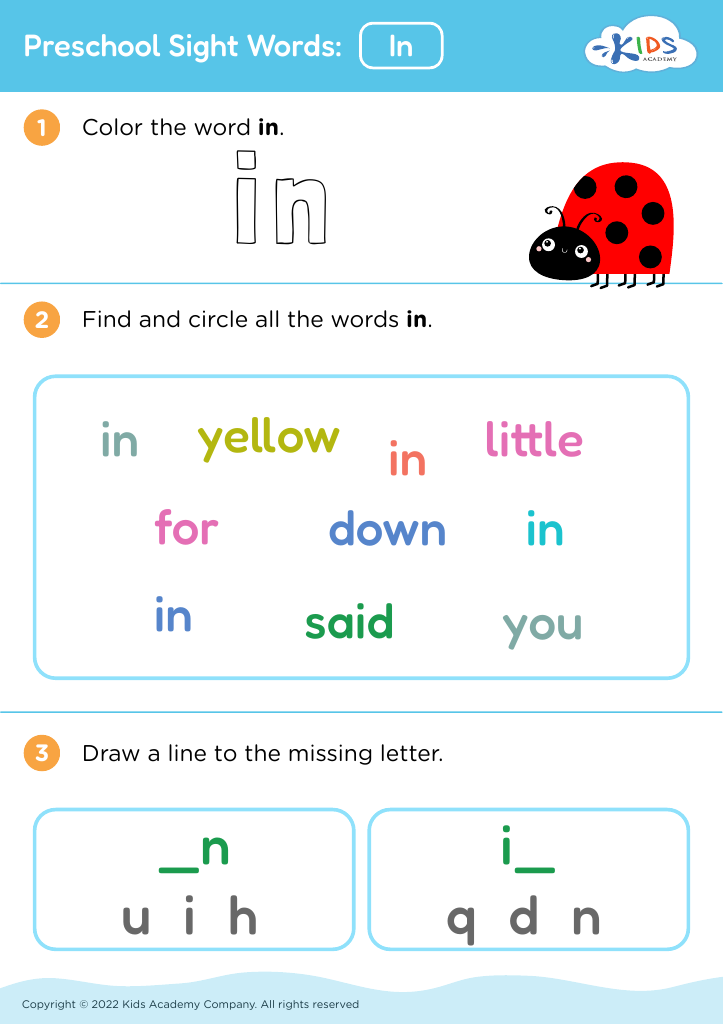
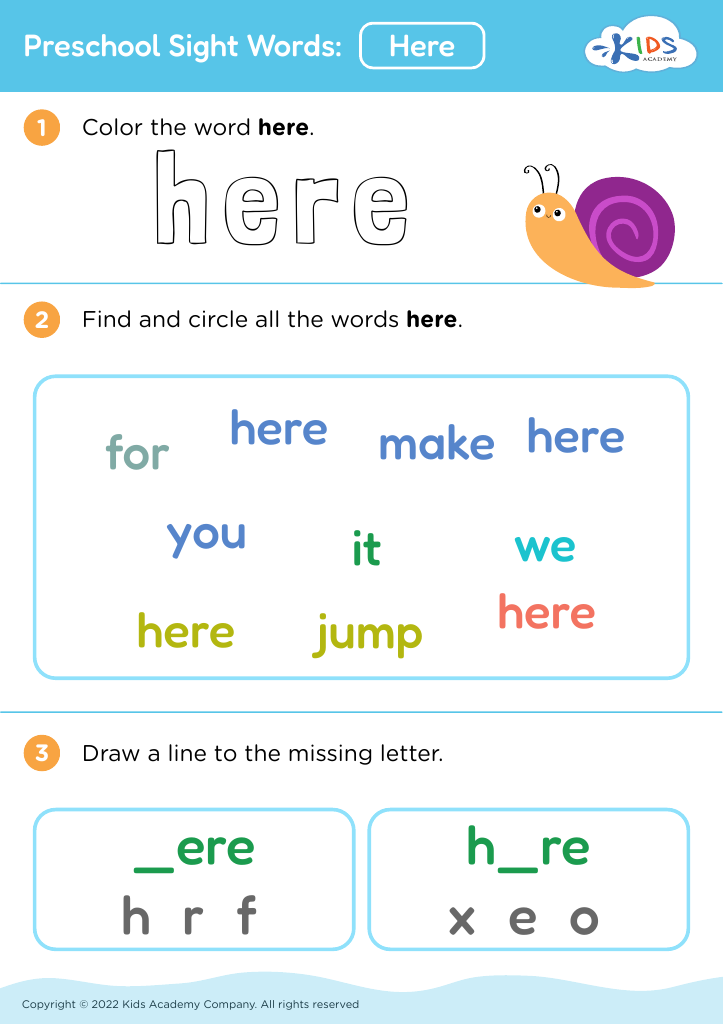
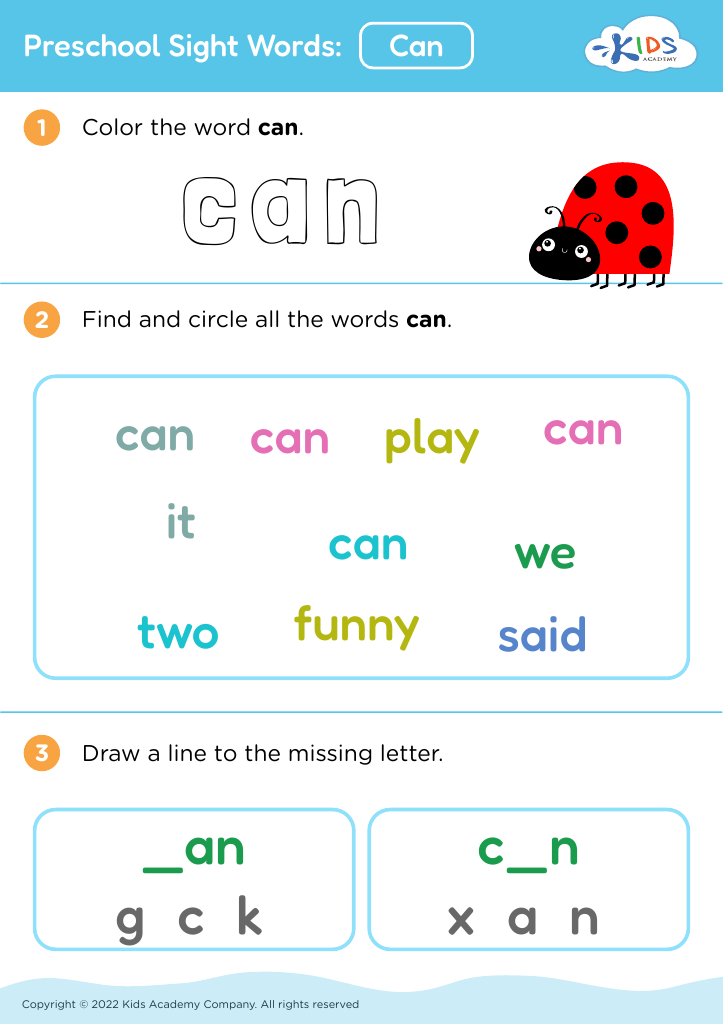
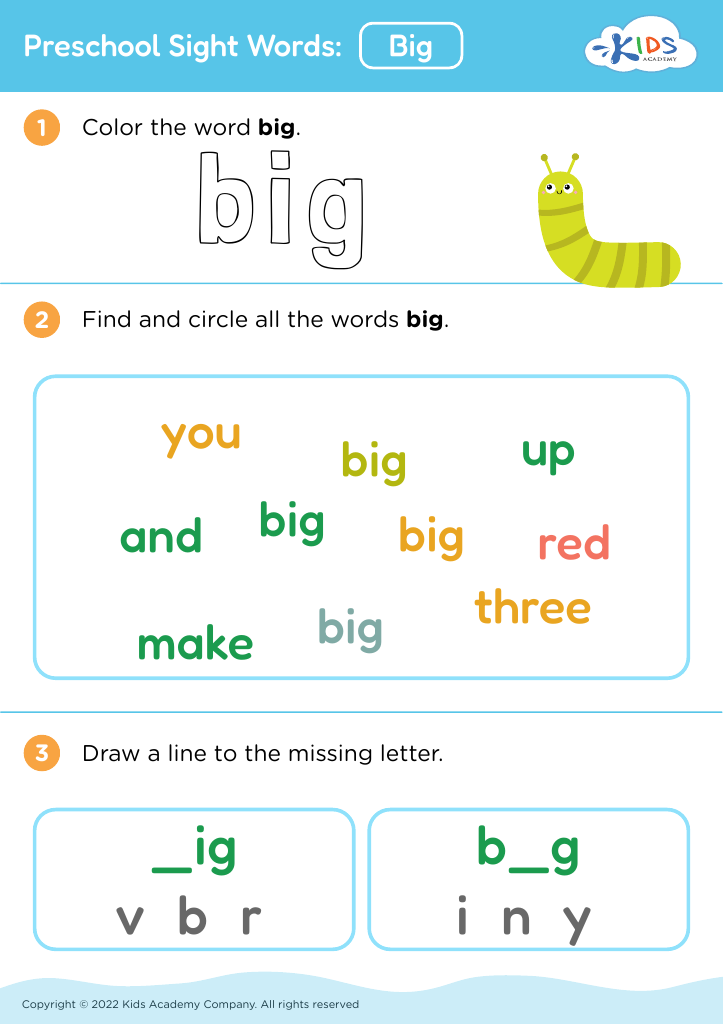
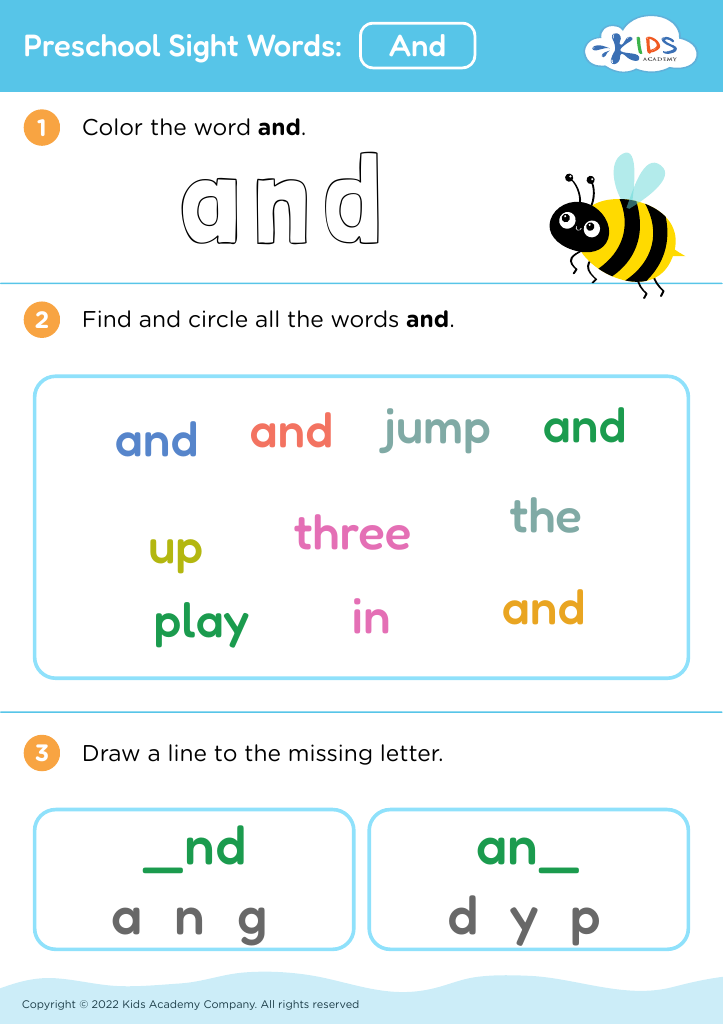
Introducing our "Understanding Fractions Preschool Building Vocabulary Worksheets," designed to help young learners grasp the concept of fractions in a fun and engaging way. These carefully crafted worksheets use colorful visuals and interactive exercises to build vocabulary and reinforce understanding of basic fractions. Preschoolers will explore parts of a whole through relatable examples and hands-on activities, making math both accessible and enjoyable. This resource aims to enhance critical thinking and language skills while nurturing a solid foundation for future math concepts. Empower your child's learning journey with these valuable tools that combine education and creativity for an enriching preschool experience!
Favorites
With answer key
Interactive
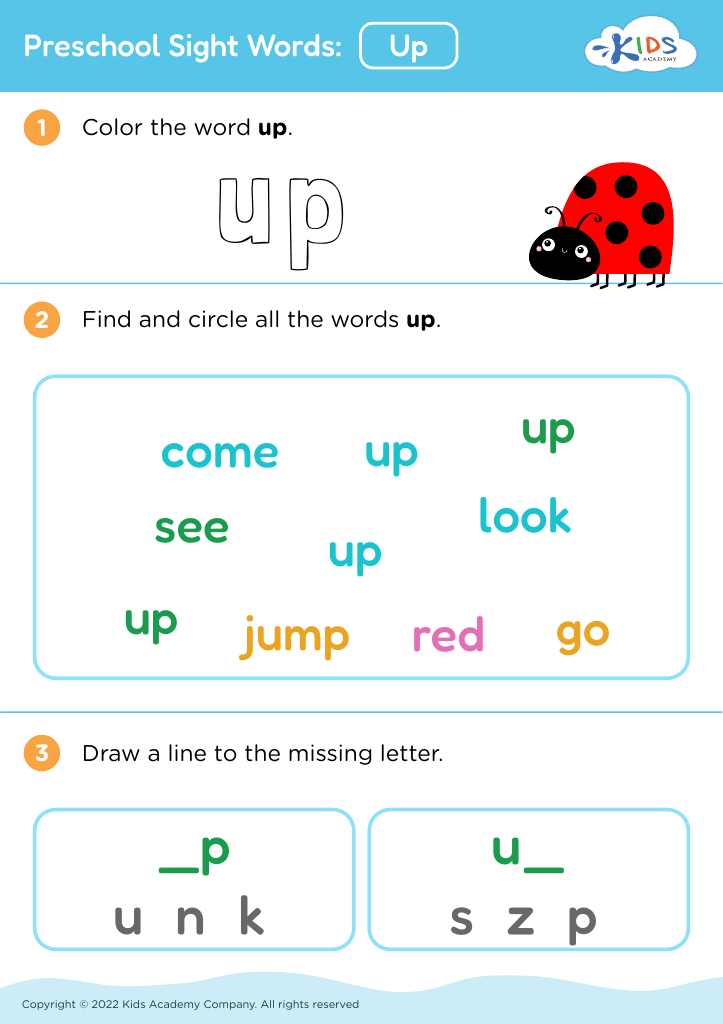
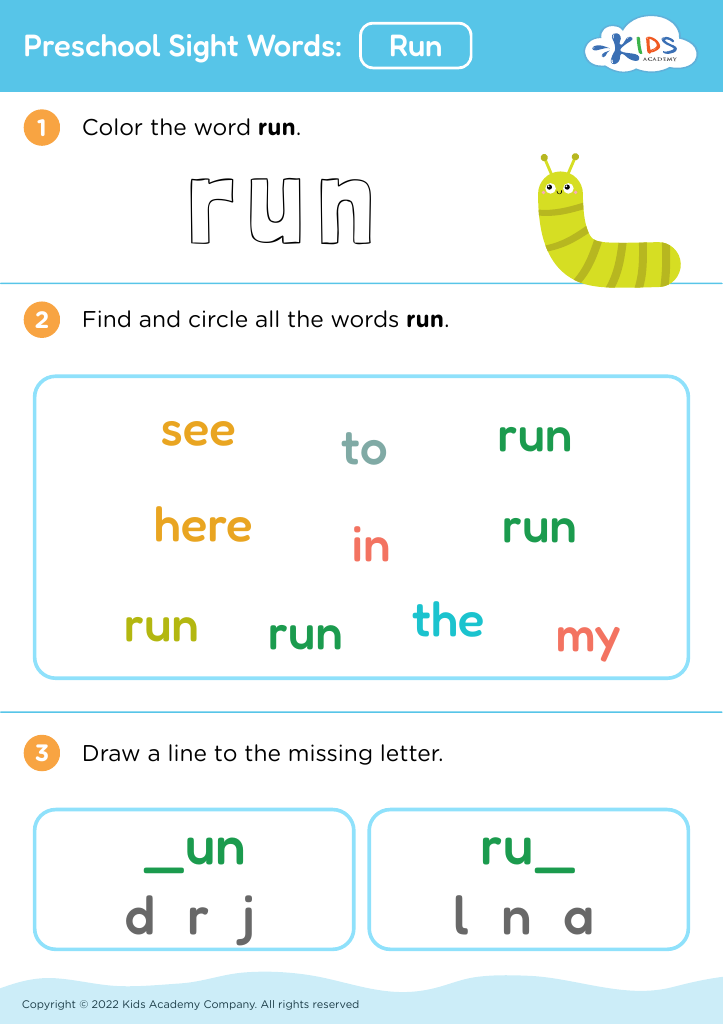
Join Kids Academy for Free
Who is primarily going to use this learning content?







Understanding fractions in preschool is crucial for building early mathematical foundations and vocabulary. When parents and teachers introduce children to fractions, they provide a pathway to developing critical thinking skills and number sense. Early exposure to basic fraction concepts, such as halves, quarters, and thirds, allows young learners to grasp the idea of division and parts of a whole, which are essential skills for future mathematical success.
Building vocabulary around fractions—like pie, share, and equal—is key to enhancing comprehension. When children are familiar with specific terms, they can articulate their thoughts and understand relationships between quantities. This vocabulary facilitates conversations around sharing, cooking, or measuring, thereby integrating math into daily life.
Additionally, discussing fractions aids in cognitive development. It encourages children to visualize problems, recognize patterns, and make connections across various subjects, from art to science. By nurturing an understanding of fractions early on, parents and teachers promote confidence in math, reduce anxiety around the subject, and foster a love for learning. Ultimately, addressing fractions at a young age helps set the stage for advanced mathematical concepts, ensuring that children are equipped with the tools necessary for academic success in the future.