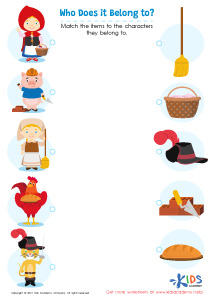
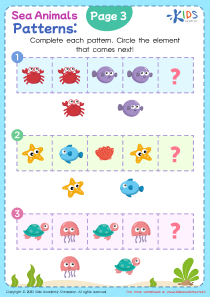
Understanding patterns Preschool Building Vocabulary Worksheets
3 filtered results
-
From - To
Welcome to our "Understanding Patterns Preschool Building Vocabulary Worksheets"! Designed for early learners, these engaging worksheets help young children recognize and understand patterns, a crucial skill for early literacy and cognitive development. Through fun activities and colorful visuals, kids will enhance their vocabulary while exploring various types of patterns in everyday life. These worksheets promote critical thinking and problem-solving as children identify, describe, and create patterns. Ideal for classroom settings or at-home learning, our resources support educators and parents in nurturing foundational skills for future success in reading and math. Dive into the world of patterns and vocabulary building today!
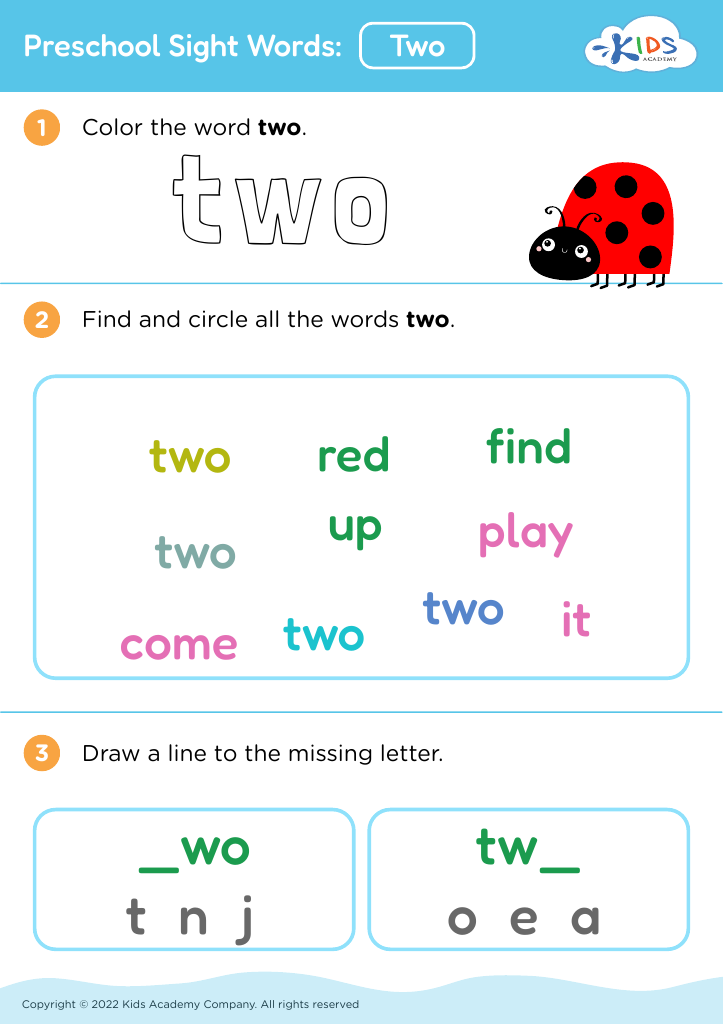
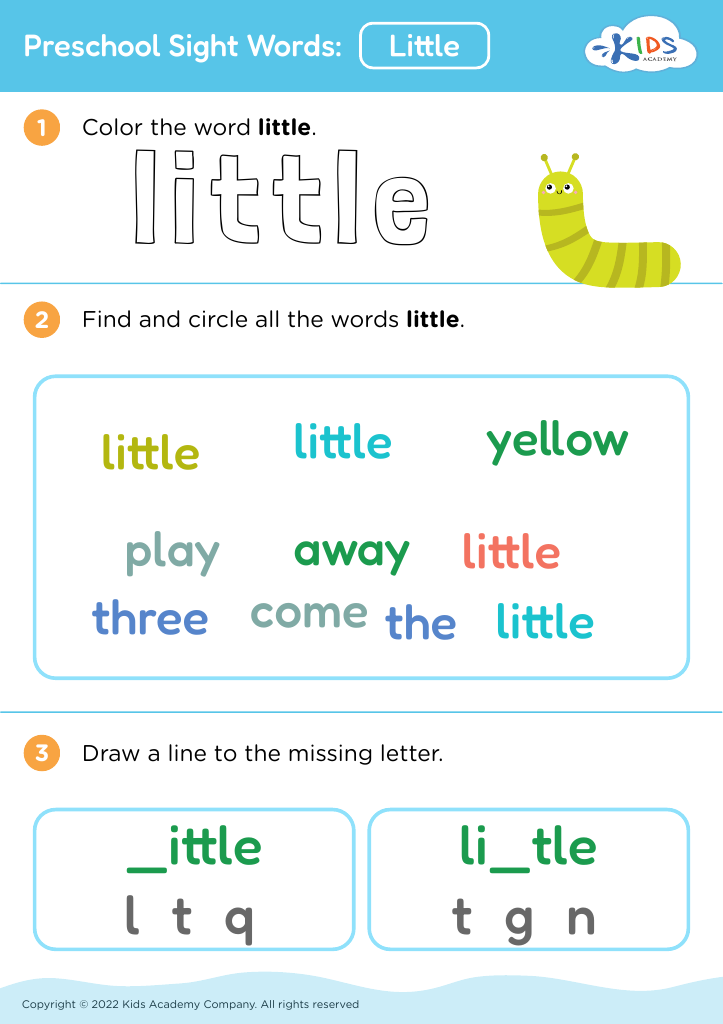
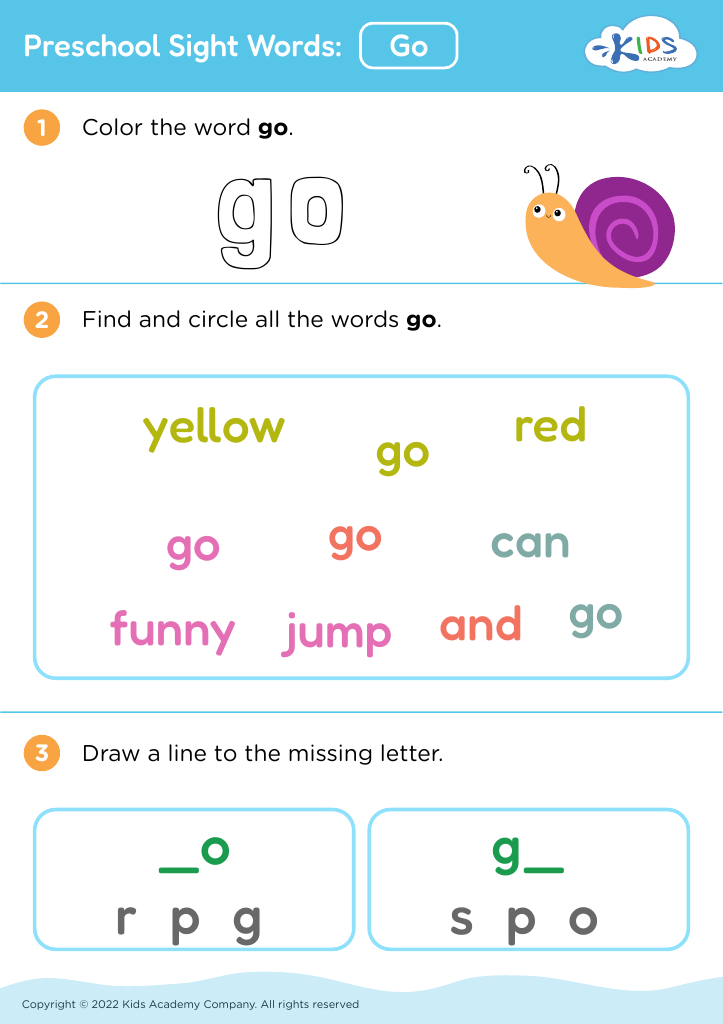







Understanding patterns is fundamental to preschool education as it lays the groundwork for critical thinking and problem-solving skills. When parents and teachers focus on teaching patterns, they are not just enhancing children's mathematical understanding; they are also supporting their overall cognitive development. Recognizing patterns helps children make connections between concepts and ideas, which is essential for effective learning across subjects.
Building vocabulary is equally vital. A rich vocabulary empowers preschoolers to express their thoughts, participate in conversations, and understand instructions, which are critical components of early literacy. When children encounter patterns in language, such as the repetition of sounds or structures in stories and songs, they develop not just vocabulary but also phonemic awareness.
Moreover, patterns are everywhere in daily life, from patterns in nature to routines at home. When parents and teachers take the time to highlight these patterns, they encourage observational skills and curiosity, making learning a fun and engaging experience. Ultimately, integrating the understanding of patterns with vocabulary building nurtures well-rounded, confident learners, ready to tackle future academic challenges and communicate effectively. Supporting this early development is a shared responsibility that significantly impacts a child's educational journey.