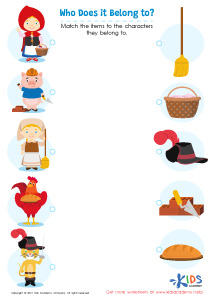
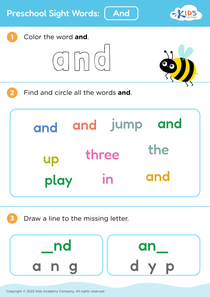
Comparing Fractions Preschool Reading Worksheets
5 filtered results
Difficulty Level
Grade
Age
-
From - To
Subject
Activity
Standards
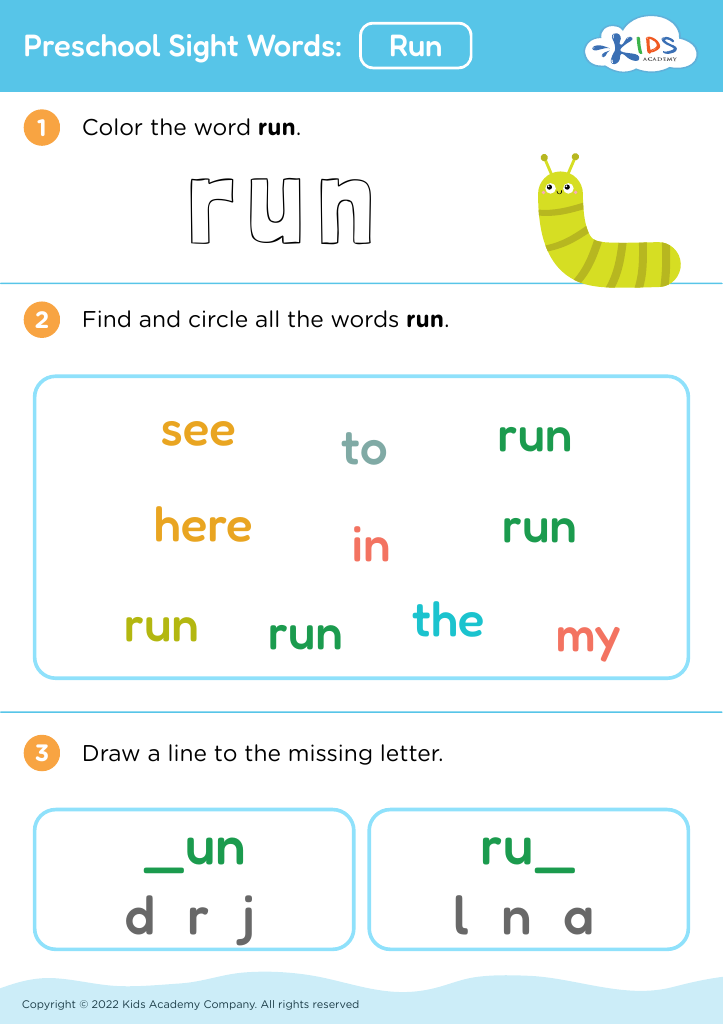
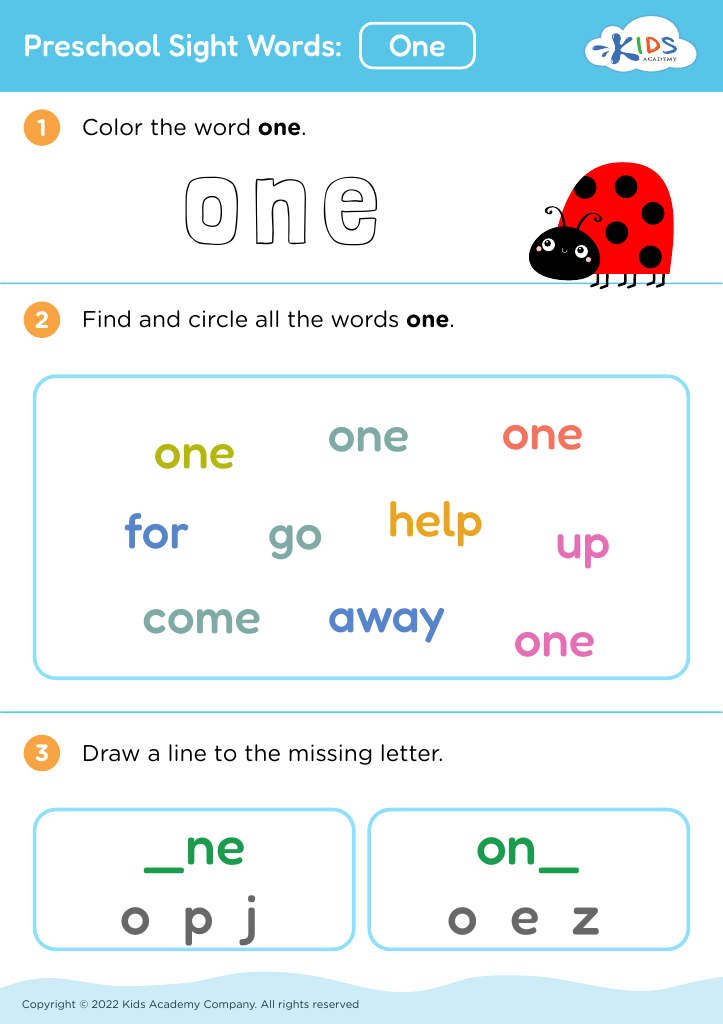
Help your preschooler grasp the basics of fractions with our Comparing Fractions Preschool Reading Worksheets! These educational resources are designed to develop early math and reading skills by introducing concepts of fraction comparison using engaging visuals and simple terms. Each worksheet includes fun activities that make learning both enjoyable and educational. With clear illustrations and easy-to-understand instructions, these worksheets are perfect for building a strong foundation in mathematics from an early age. Ideal for classroom settings or at-home learning, our Comparing Fractions Preschool Reading Worksheets will help your child develop essential skills needed for their educational journey.
Favorites
With answer key
Interactive
Join Kids Academy for Free
Who is primarily going to use this learning content?







Comparing fractions is not often introduced at the preschool level, but laying the groundwork for this mathematical concept through early reading activities can be profoundly beneficial. Parents and teachers should care about this because it builds a strong foundation for numerical literacy. When children are exposed to basic fraction concepts early on—such as understanding whole versus half through stories and illustrations— they begin to develop a more intuitive grasp of mathematical relationships.
Preschool readings that incorporate fraction concepts can enhance cognitive development by introducing terms like "half," "whole," "quarter," and "thirds" in contextually appropriate and engaging ways. Books that involve sharing (one apple divided between two, for instance) can help children comprehend division and fairness, fostering both social and mathematical understanding. These activities prompt youngsters to think critically and compare quantities, which strengthens their reasoning skills.
Additionally, early exposure to such mathematical ideas demystifies them, so children enter later grades with confidence instead of apprehension. Parents and teachers who encourage awareness of fractions in preschool children help to create an academically courageous learner, setting the stage for future success in more complex mathematical tasks. Recognizing fractions in their immediate environment through age-appropriate stories and exercises enables children to personally connect with abstract concepts, making later formal education more accessible.