Filters

6 filtered results

Clear all filters
Favorites
With answer key
Interactive

6 filtered results

Difficulty Level

Grade


Unlock the wonders of early literacy with our engaging Letter Recognition Preschool Reading Worksheets! Designed for young learners, these worksheets are perfect for reinforcing letter identification and sounds through playful activities. Children will enjoy tracing, coloring, and matching letters, making foundational reading skills fun and interactive. Each worksheet is crafted to enhance cognitive development, promoting fine motor skills while building confidence in their reading abilities. Whether at home or in the classroom, these worksheets are excellent tools for preschool teachers and parents alike. Start your child's reading journey today with our delightful and educational resources!


Check out this FREE Preschool Trial Lesson on Reading!

Identify Text Features

Favorites
With answer key
Interactive
  • Preschool
  • Letter recognition
  • Reading
Long and Short U Worksheet

Long and Short U Worksheet

Revised: Spice up your lesson on long and short vowels with this fun printout! Kids read the words "tube" and "tub," then reinforce the sound by coloring in the words and pictures. It's a great way to make phonics class enjoyable!
Download (PDF)
Assign to My Students
Long and Short U Worksheet
Worksheet
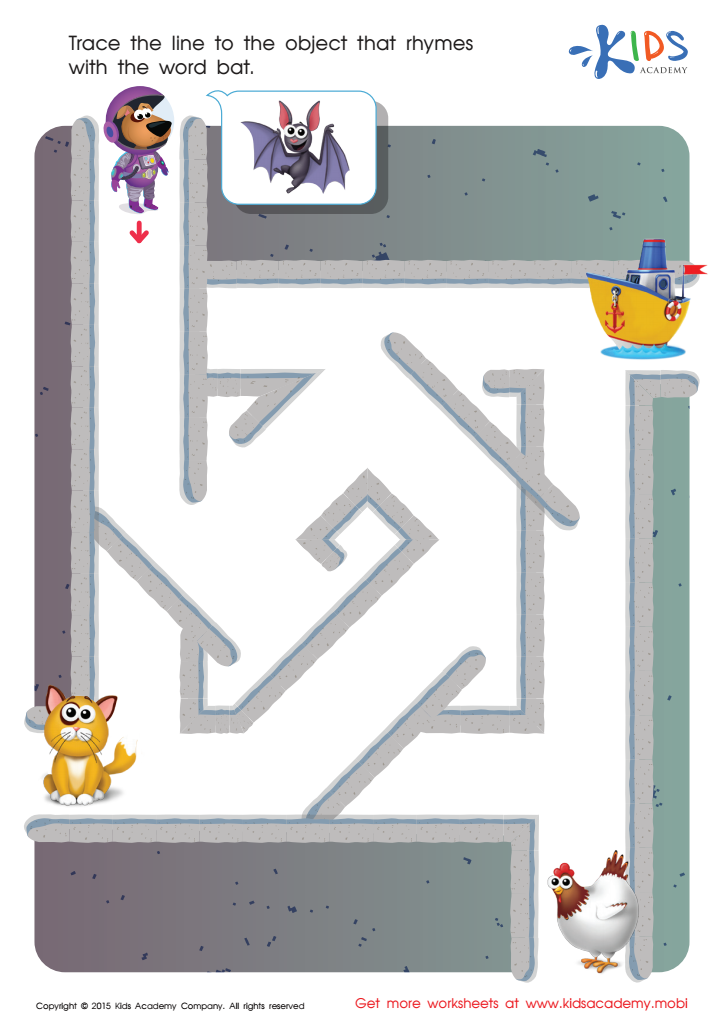
Rhyming Words PDF Worksheets, Bat

Bat Rhyming Words Worksheet

Get new reading and vocabulary worksheets to help make learning enjoyable for you and your kids. Join the dog and match the objects that rhyme. Have a blast!
Bat Rhyming Words Worksheet
Worksheet
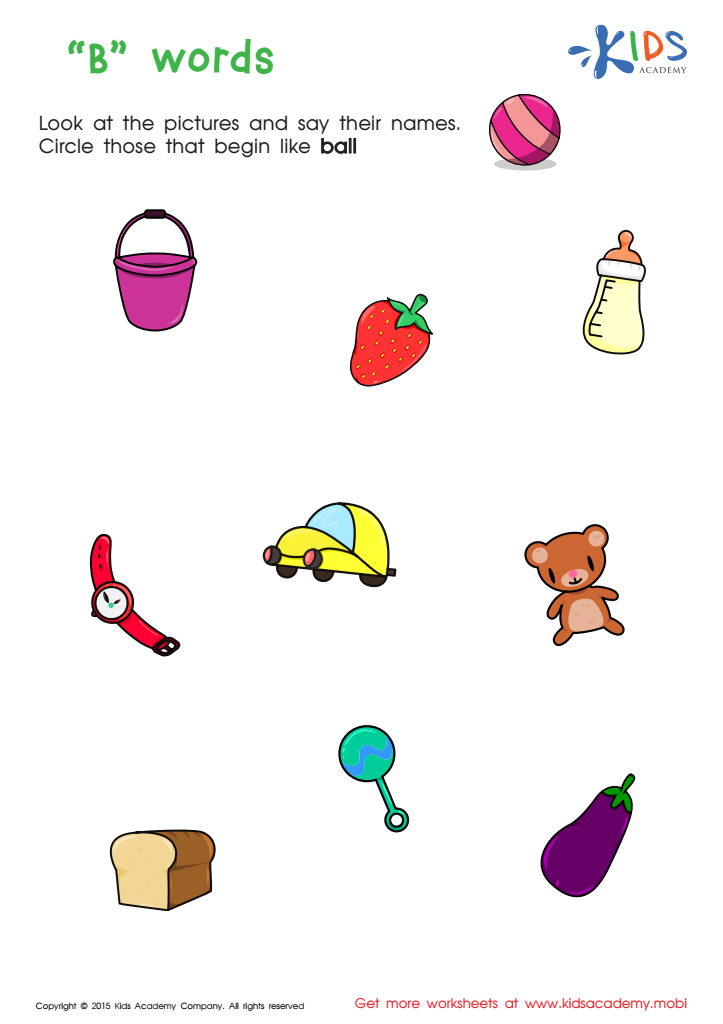
“B” Words Printable Worksheet

First Words Worksheet

Want to help your preschooler learn to read and write? Start with this 'B' words printable worksheet. It will help your child match pictures to the letters they know, sound out words, and build literacy. Once they understand the concept, they can start sounding out words and building reading skills.
First Words Worksheet
Worksheet
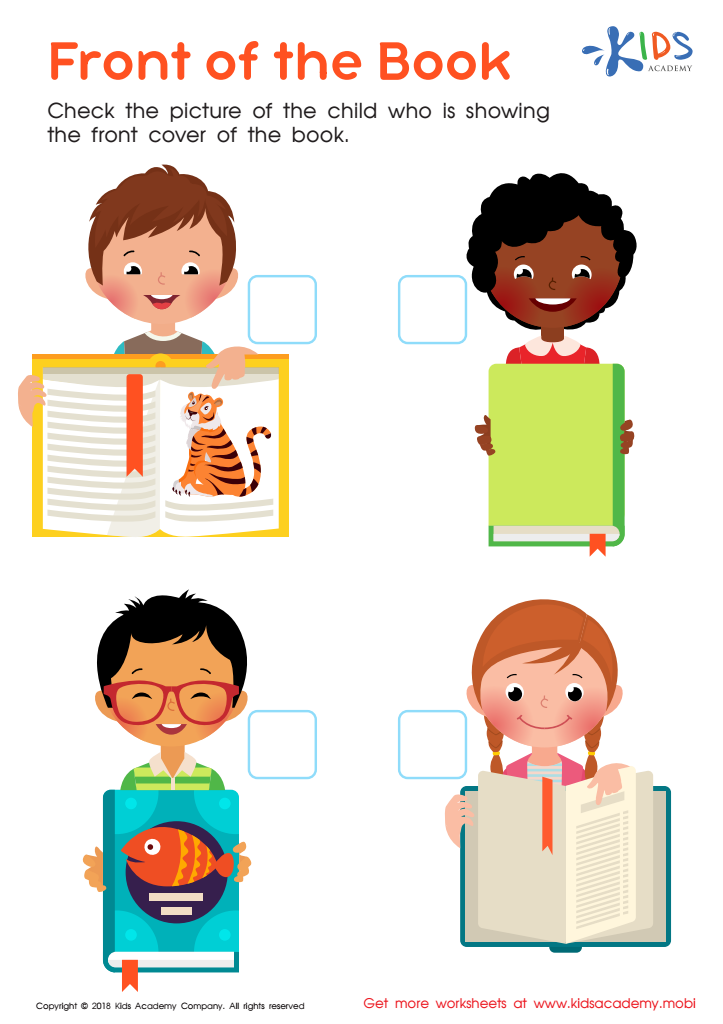
Front of the Book Worksheet

Front of the Book Worksheet

Help your child become a reader with this free worksheet! It's full of fun new friends and is designed to help kids understand concepts about the front of a book. They'll look at each picture and decide which friend is holding the book with the front cover, and check off the correct answer in the given boxes. Get your little one ready to be a reader!
Front of the Book Worksheet
Worksheet
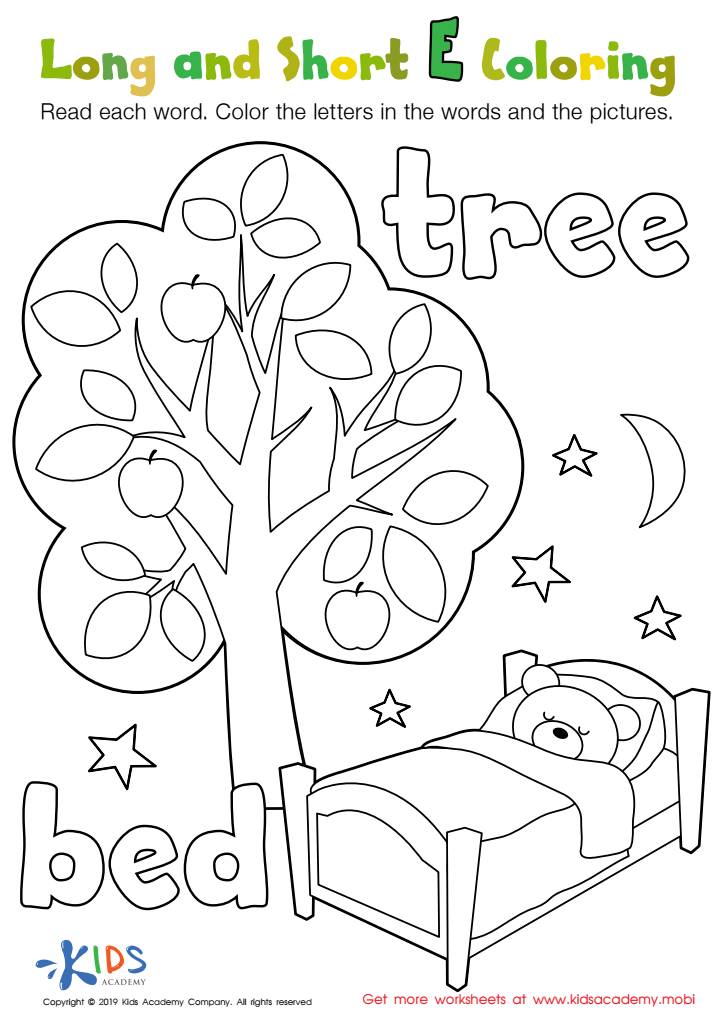
Long and Short E Worksheet

Long and Short E Worksheet

This fun printout makes learning phonics enjoyable for Grade 3 students. Get them to read the words “tree” and “bed” to recognize the different sounds of the letter “E”. After hearing the words they can color the words and the pictures to understand differences between long and short vowels.
Download (PDF)
Assign to My Students
Long and Short E Worksheet
Worksheet
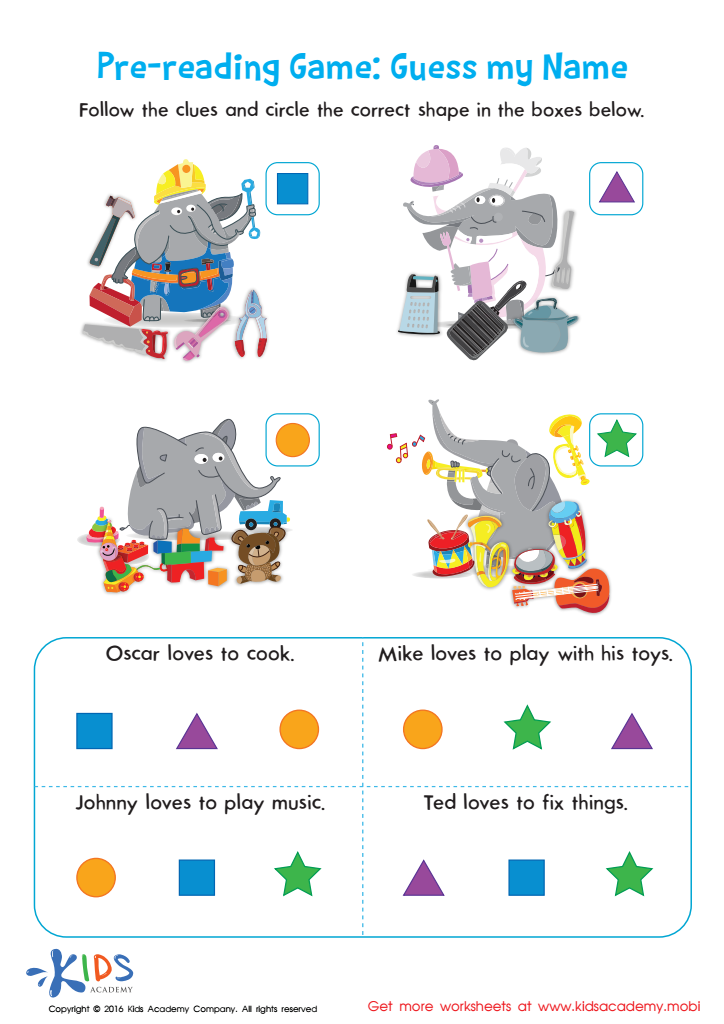
Pre reading worksheet guess my name

Pre Reading Worksheet Guess My Name

Guess My Name is a fun way to practice inference skills. Guess My Name is a fun pre-reading game to help your child practice drawing inferences from clues. With colorful illustrations, they'll use clues to match each elephant with its sentence and sharpen their inference skills.
Pre Reading Worksheet Guess My Name

Worksheet


Letter recognition is a foundational skill in preschool reading and is crucial for young children as they begin their literacy journey. Parents and teachers should care about this aspect of early reading development because it serves as the building block for all future reading skills. When children can recognize letters, they start to understand that letters represent sounds and, in turn, form words. This awareness boosts their confidence and curiosity about reading.

Moreover, letter recognition promotes crucial cognitive development. Children learn to differentiate between symbols, developing critical thinking and problem-solving skills. It nurtures phonemic awareness, allowing them to sound out words and improving their spelling abilities later on. Additionally, when children recognize letters, they can engage more readily in reading activities, making the experience enjoyable and enriching.

Parental involvement reinforces what is taught in schools. Reading together, playing letter-related games, and creating a language-rich environment at home fosters a love for reading and a commitment to learning. Ultimately, promoting letter recognition in preschool helps ensure that children are set on a path toward successful reading and academic achievement, making it an essential focus for both parents and educators.