Logical thinking Preschool Reading Worksheets
5 filtered results
-
From - To
Enhance your preschooler's reading journey with our engaging Logical Thinking Preschool Reading Worksheets! Designed to develop critical reasoning skills, these printable resources encourage young minds to think independently, make connections, and solve problems creatively. Each worksheet is tailored to support early literacy and comprehension, blending fun activities with essential logical challenges. Our worksheets cover a variety of topics to keep children entertained while fostering a love for reading. Ideal for classroom settings or home learning, these resources promote cognitive development in a playful, interactive manner. Unlock your child's potential and cultivate essential skills for future learning with our thoughtfully designed worksheets!
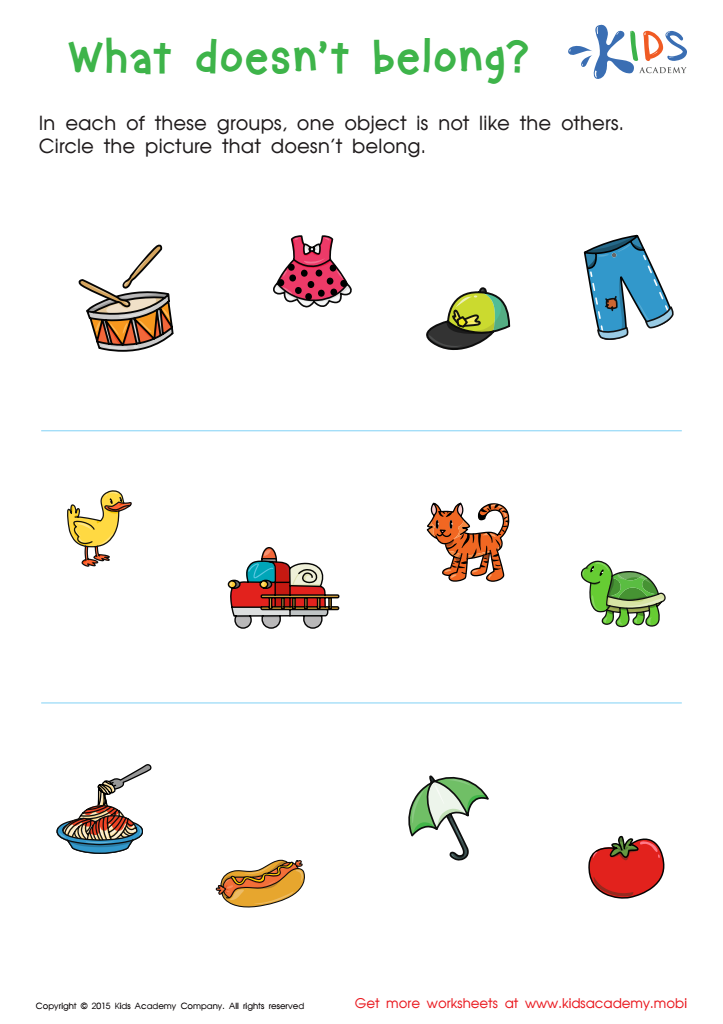
First Words: What Doesn't Belong Worksheet
 Assign to My Students
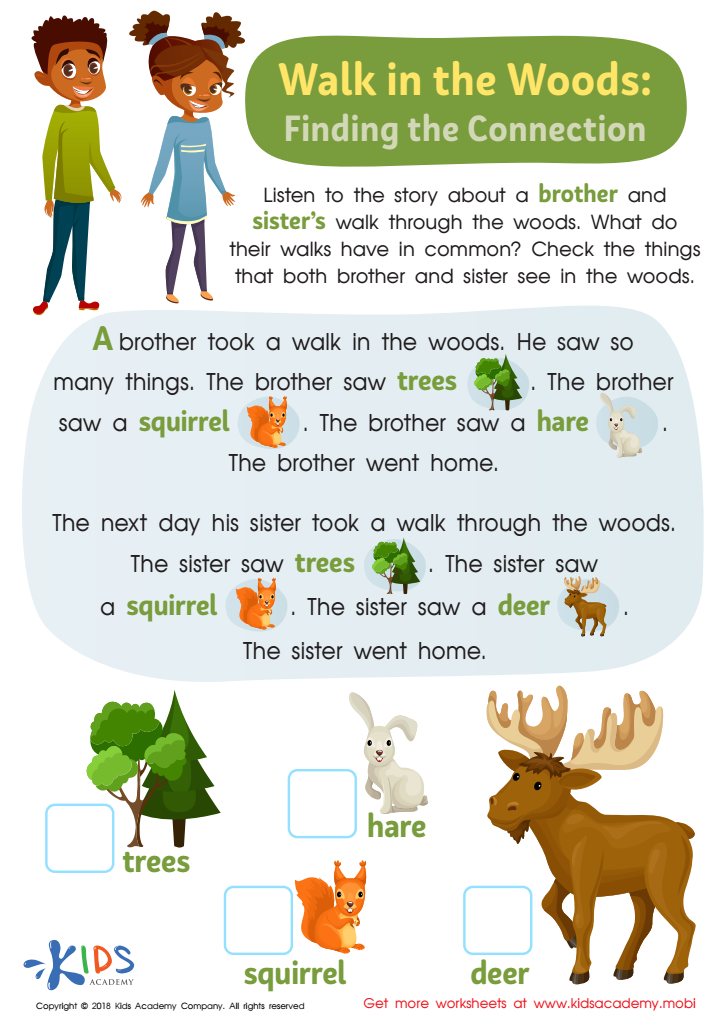
Walk In the Woods: Finding Connections Worksheet
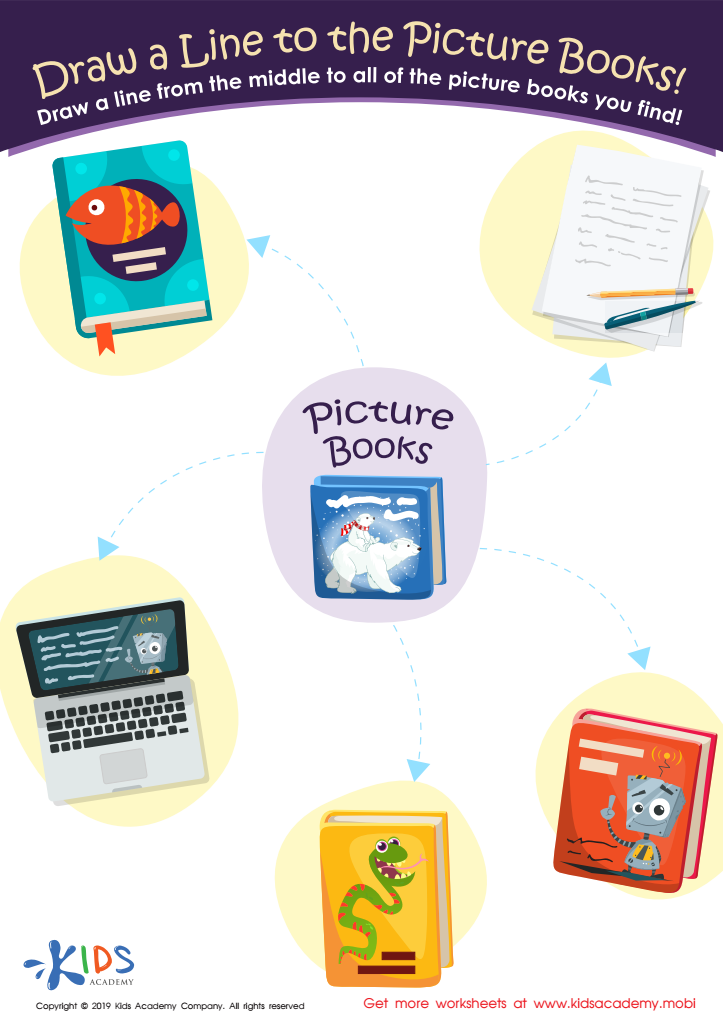
Draw a Line to the Picture Books Worksheet
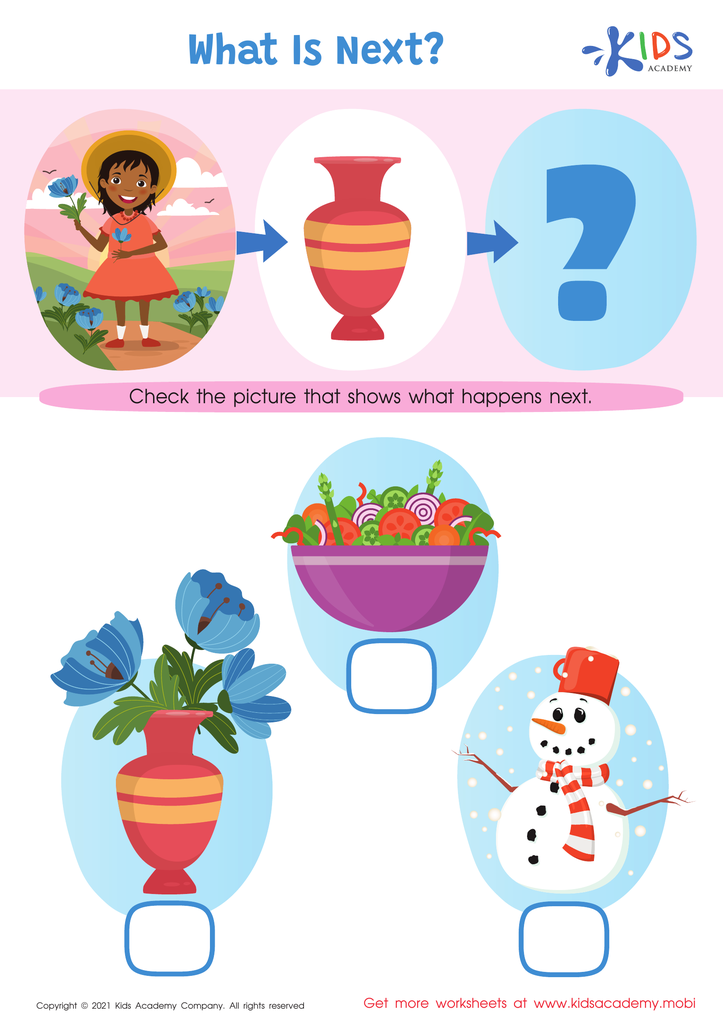
What is Next? Worksheet
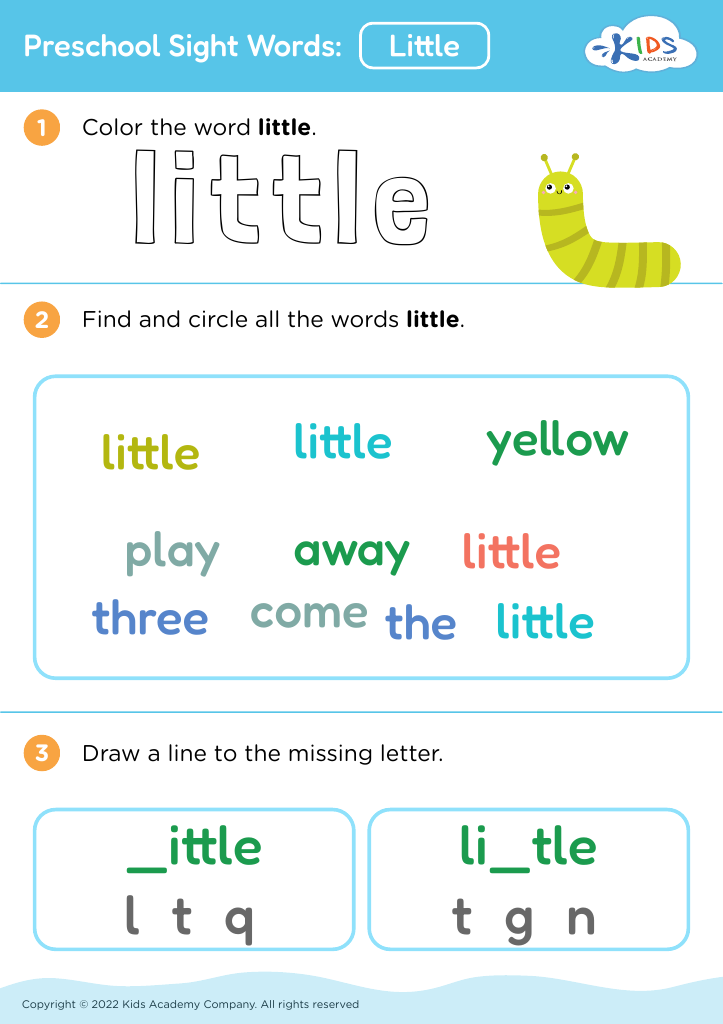




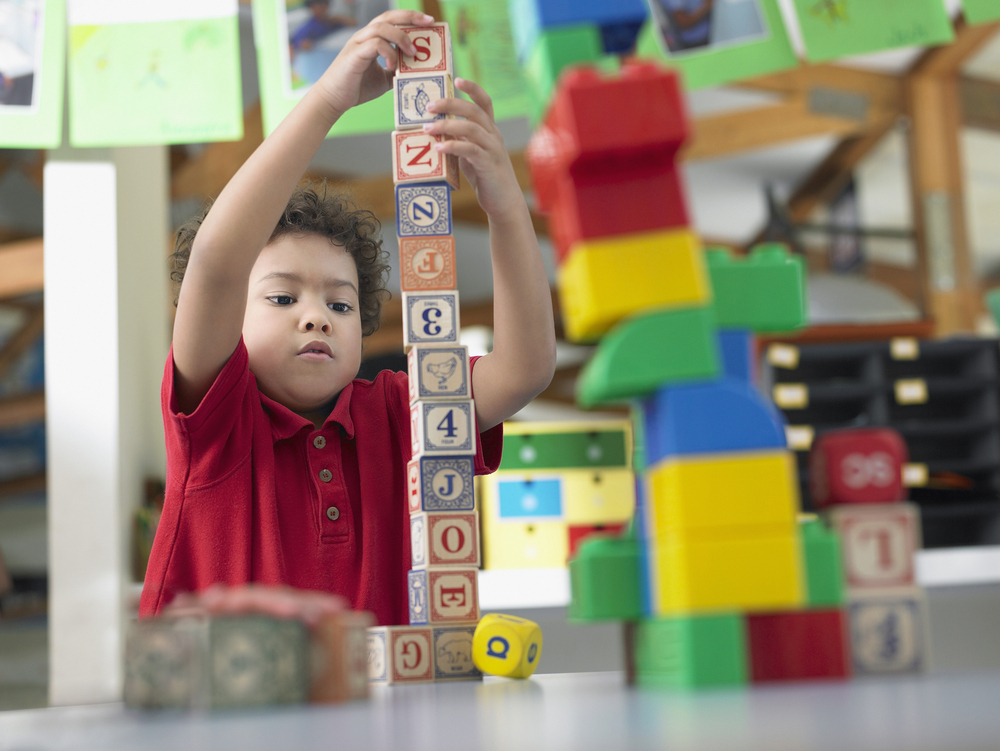



Parents and teachers should care about logical thinking in preschool reading because it lays a critical foundation for cognitive development and literacy skills. Logical thinking involves the ability to analyze situations, recognize patterns, and derive conclusions based on evidence. When children engage in reading activities that promote logical thinking, they learn to make connections between ideas, sequences, and events, which deepens their understanding of the text.
Developing logical thinking enhances a child's ability to solve problems and make informed decisions, essential skills for lifelong learning. Reading not only improves language skills but also encourages children to ask questions, hypothesize, and draw inferences, fostering critical thinking.
Moreover, research indicates that strong logical thinking skills contribute to academic success, as children who can think critically are more likely to excel in various subjects, particularly math and science. Supporting logical thinking during the preschool years creates eager, curious learners who are better prepared for future challenges.
When parents and teachers incorporate activities that promote logical reasoning – from storytelling to interactive discussions about plots and characters – they engage children’s minds and prepare them for a successful educational journey. In essence, fostering logical thinking during reading not only enhances literacy but also develops vital life skills.