Recognizing shapes Preschool Reading Worksheets
3 filtered results
-
From - To
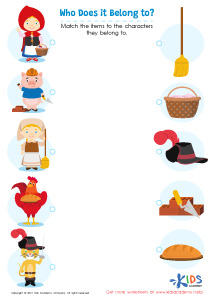
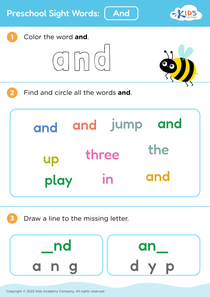
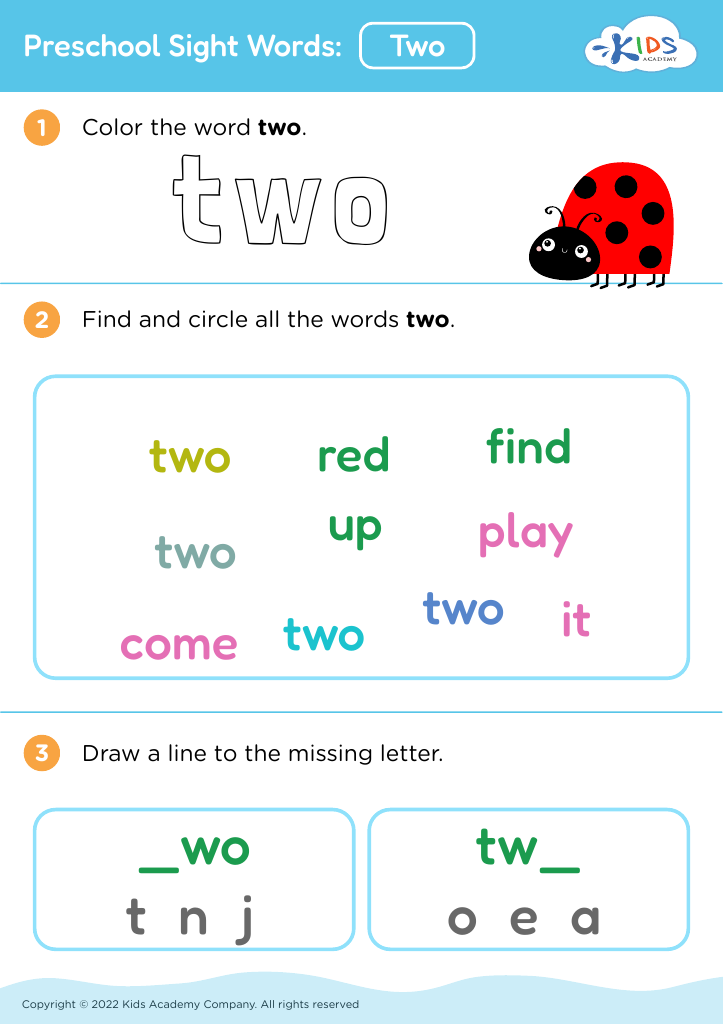
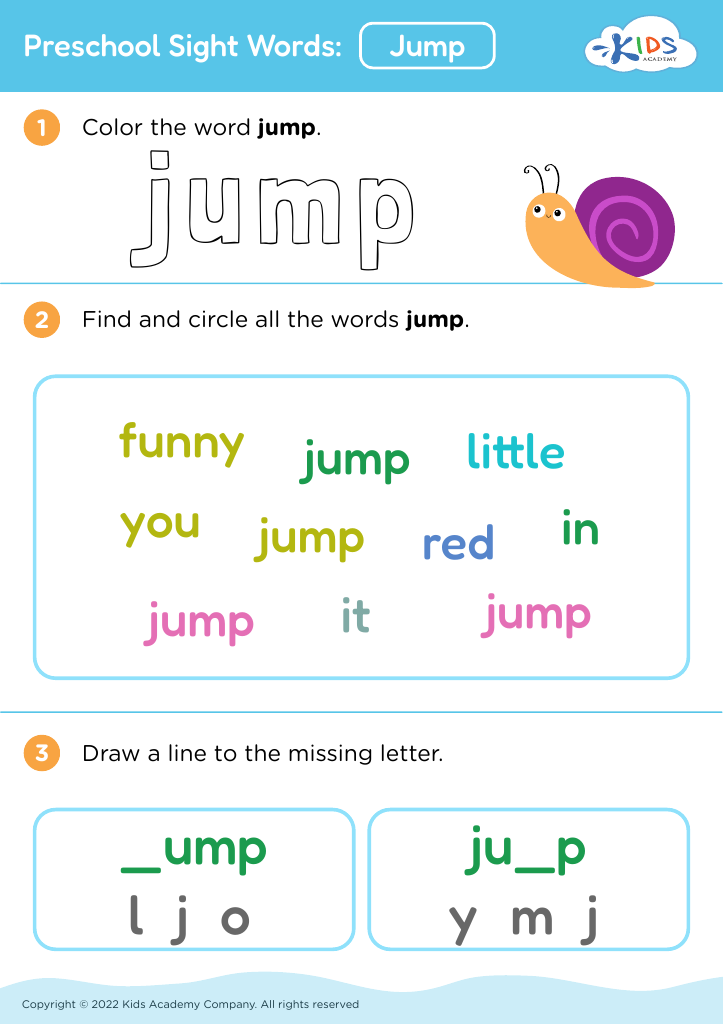
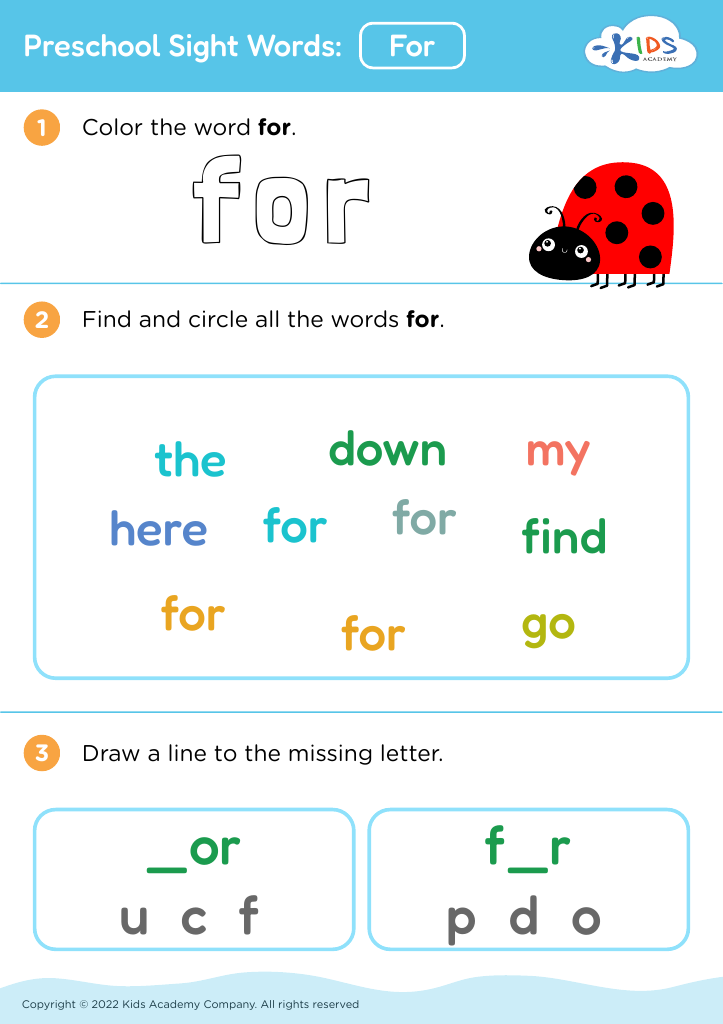
Welcome to our "Recognizing Shapes Preschool Reading Worksheets" page, designed to make learning engaging and fun for early learners! These worksheets help your preschoolers identify and name various shapes through vibrant illustrations and simple exercises. Each activity encourages young minds to recognize shapes in everyday objects, enhancing their visual literacy skills. With a combination of reading and shape recognition, children improve their coordination and cognitive development. Explore our collection to boost your child’s confidence while fostering an early love for learning. Perfect for parents and educators alike, our worksheets provide the perfect blend of education and creativity. Get started today!



.jpg)



Recognizing shapes is a foundational skill in preschool education that significantly impacts children’s cognitive and mathematical development. When parents and teachers prioritize shape recognition, they facilitate essential learning experiences that promote critical thinking and problem-solving abilities. Shapes are not only fundamental in mathematics but also play a role in understanding the world around us; children identify and categorize objects through their geometric forms.
Engaging preschoolers in shape recognition encourages confidence and creativity as they begin to express their ideas through art and play. These activities lay the groundwork for advanced skills in geometry, spatial awareness, and pattern recognition. Teaching children to recognize shapes also cultivates their language development, as they learn the vocabulary associated with different forms, enhancing their communication skills.
Furthermore, early shape recognition fosters fine motor skills as children engage in hands-on activities, like drawing or building with blocks. This holistic approach to learning supports various domains of child development, making it crucial for parents and teachers to incorporate shape recognition activities into daily routines. By emphasizing the importance of shapes in everyday life, educators and caregivers help children make connections, build confidence, and prepare for future learning challenges.