Fine Motor Skills Preschool Sight Words Worksheets
3 filtered results
-
From - To
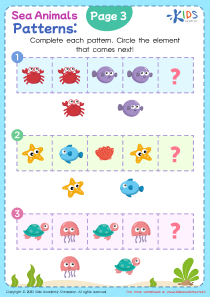
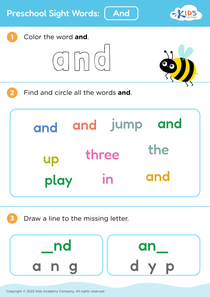
Enhance your preschooler's literacy and fine motor skills with our engaging Fine Motor Skills Preschool Sight Words Worksheets. Expertly designed for young learners, these activities combine the fun of learning sight words with the critical development of small muscle movements crucial for handwriting. Each worksheet encourages tracing, writing, and even cutting to help children grasp essential vocabulary while refining their coordination and dexterity. Perfect for both classroom and at-home practice, these worksheets support a well-rounded early education experience. Give your child the foundation they need for reading success and fine motor precision with our thoughtfully crafted resources.
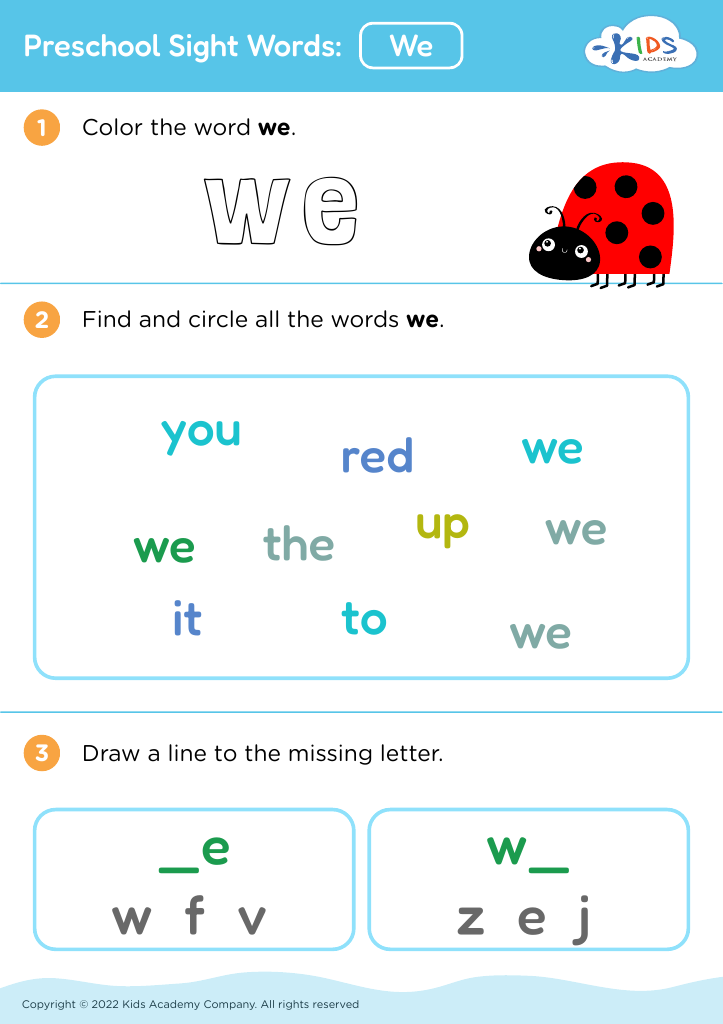
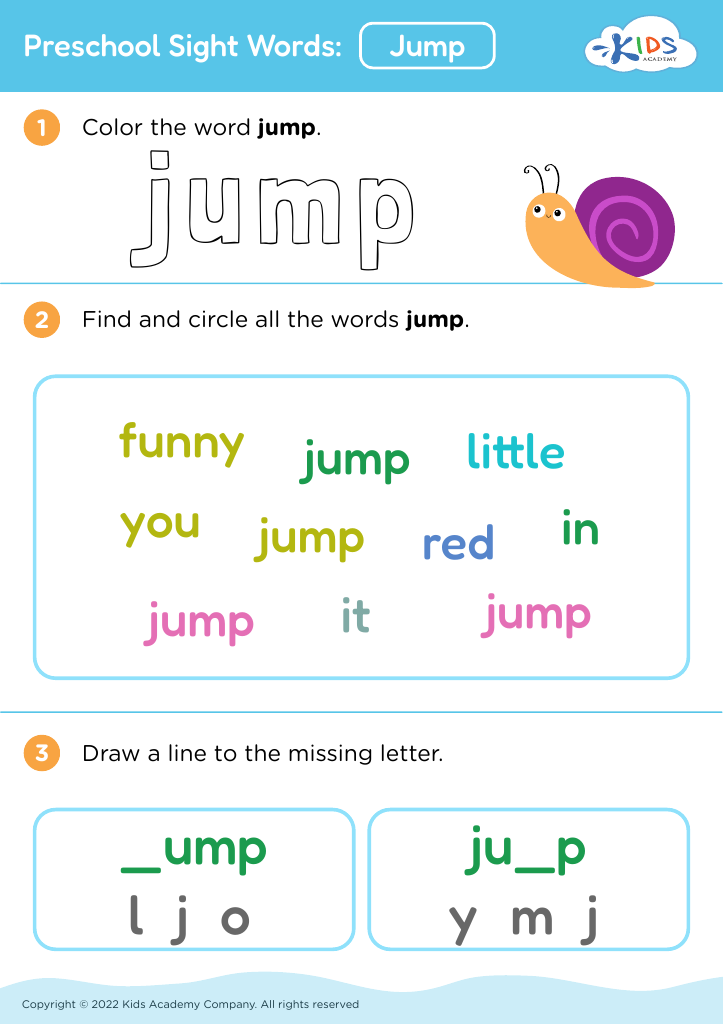
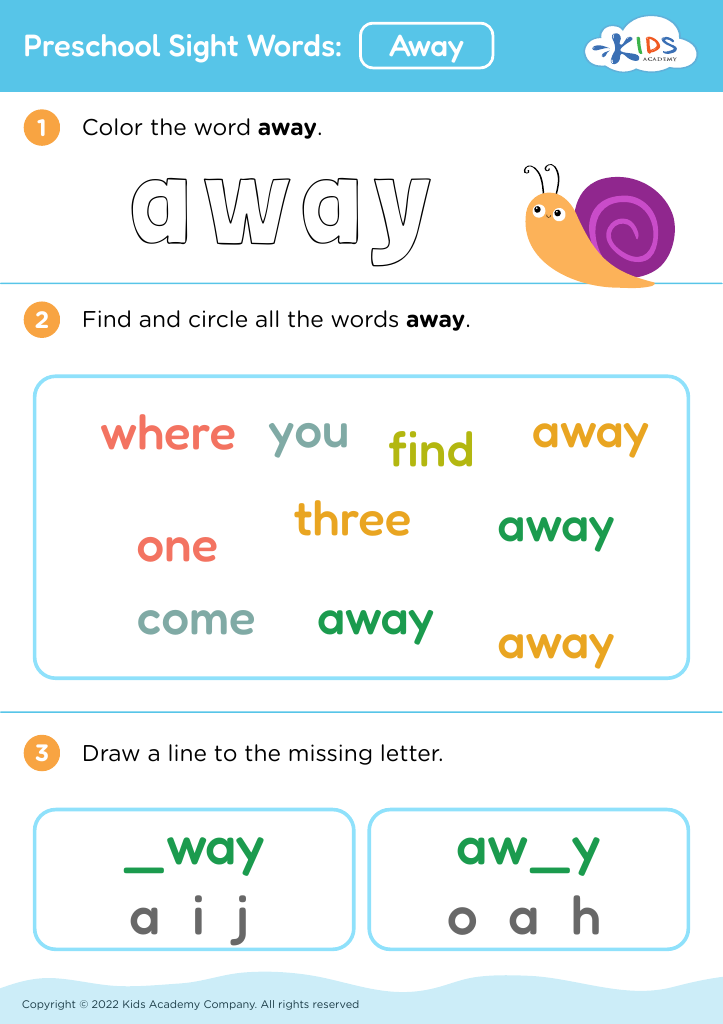








Fine motor skills and preschool sight words are essential components in early childhood development and foundational learning. Fine motor skills, which involve the coordination of small muscles in movements, are crucial for tasks like writing, buttoning clothes, and using scissors. When parents and teachers actively engage children in activities that enhance fine motor skills, they are laying down the groundwork for academic achievements and everyday self-care tasks. Actions like threading beads, drawing, or playing with playdough help strengthen hand-eye coordination and dexterity.
Simultaneously, preschool sight words—common words children are encouraged to recognize without having to sound them out—are critical for early literacy. These words, often appearing frequently in texts, help young learners improve reading fluency and comprehension. By quickly recognizing sight words, children can focus more on understanding the text rather than decoding individual words, leading to a smoother and more engaging reading experience.
When parents and teachers prioritize both fine motor skills and sight words, they are nurturing well-rounded development. Studies show that early mastery in these areas can lead to greater confidence and enthusiasm in learning environments. Fine motor proficiency supports not just writing but overall academic tasks, while sight word recognition fuels a love for reading, empowering children to become lifelong learners.