Reading Skills Reading Non-Fiction Worksheets
4 filtered results
-
From - To
Enhance your child's reading abilities with our "Reading Skills: Non-Fiction Worksheets." Designed for early graders, these engaging, printable worksheets focus on developing critical comprehension skills necessary for understanding non-fiction texts. Each worksheet includes fun activities that promote vocabulary growth, encourage analytical thinking, and provide practice in identifying main ideas and facts. By exploring a variety of subjects, students will gain confidence in navigating real-world information. Perfect for homeschooling, classroom enrichment, or extra practice, our resources foster a love for reading while ensuring your child becomes a proficient reader of non-fiction. Download these worksheets today and watch your child thrive!
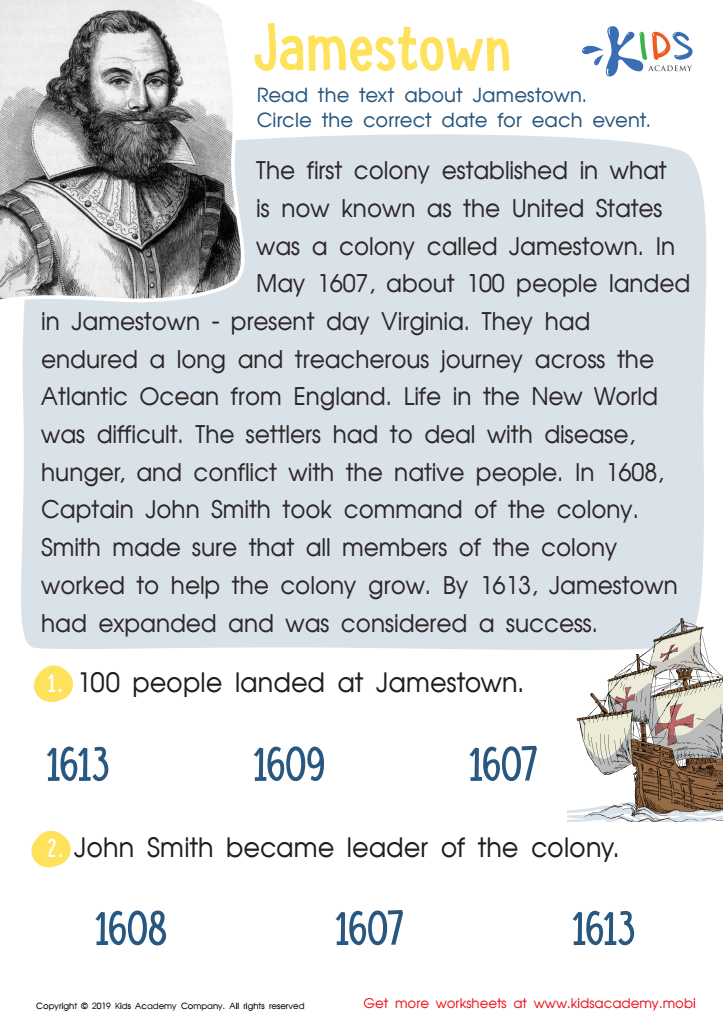
Jamestown Worksheet
 Assign to My Students
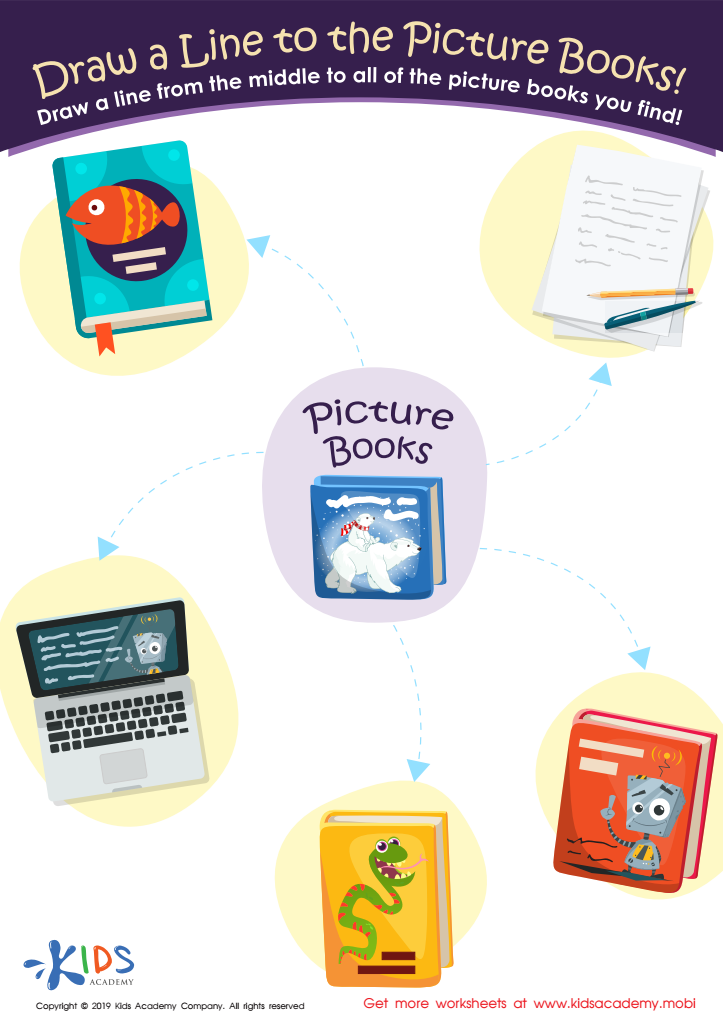
Draw a Line to the Picture Books Worksheet
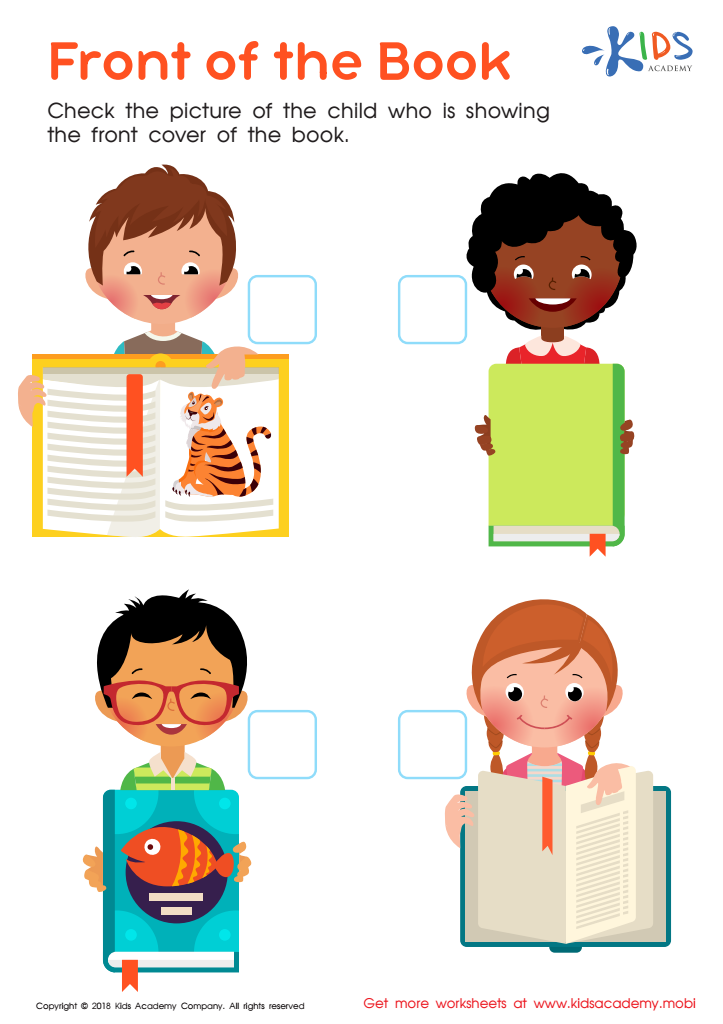
Front of the Book Worksheet
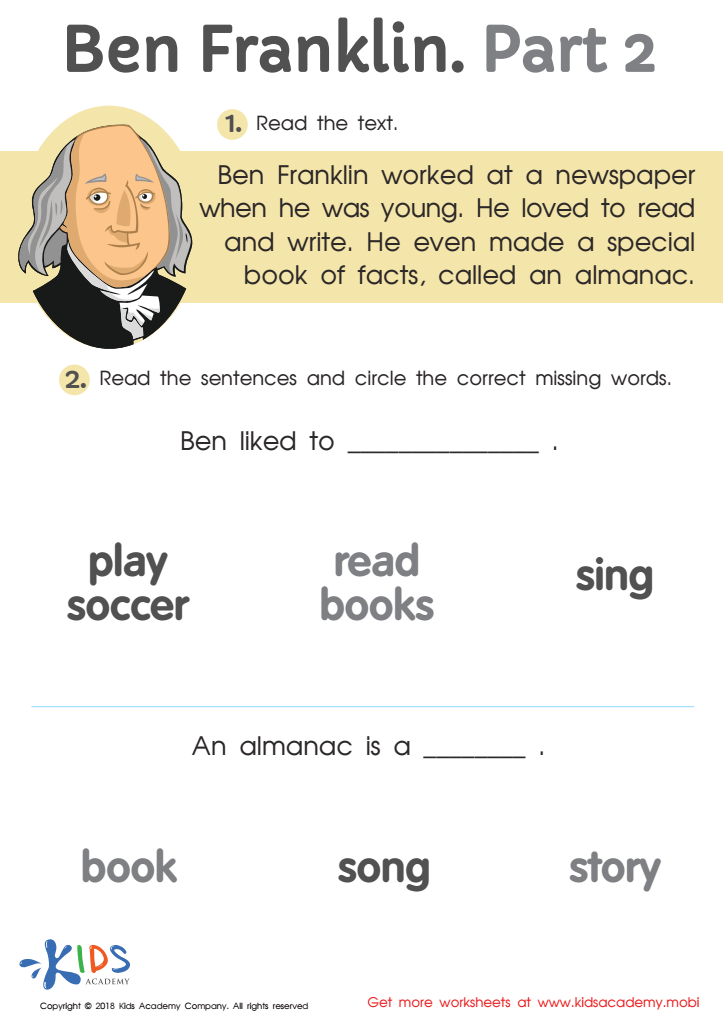
Ben Franklin Part 2 Worksheet








Reading skills, particularly in non-fiction, are essential for children's development and success in both school and life. Non-fiction texts expose students to factual information, diverse perspectives, and critical thinking opportunities. As children engage with real-world topics—such as science, history, and current events—they not only gain knowledge but also learn to evaluate information sources, which is crucial in today’s information-rich society.
For parents and teachers, fostering strong reading skills in non-fiction cultivates curiosity and a lifelong love of learning. It encourages students to ask questions and seek answers, laying the foundation for effective research and analytical skills. These abilities are vital as they progress through academic subjects and prepare for future careers.
Moreover, proficient reading in non-fiction enhances literacy by expanding vocabulary and comprehension. It supports children in meeting curriculum standards and excelling in assessments, contributing to overall academic achievement. Parents and teachers play a pivotal role in guiding children through these reading experiences, helping them understand and appreciate the value of factual content.
Ultimately, prioritizing non-fiction reading equips children with the tools they need to navigate and succeed in an increasingly complex world, emphasizing the importance of being informed and critical thinkers.








