Vocabulary development Reading Non-Fiction Worksheets
6 filtered results
-
From - To
Boost your child’s vocabulary and comprehension skills with our Vocabulary Development Reading Non-Fiction Worksheets. Designed for young learners, these engaging worksheets provide a variety of non-fiction texts that enhance language understanding through context-rich exercises and activities. Each worksheet encourages critical thinking and expands word knowledge, guiding children to make connections between words and their meanings in real-world contexts. Perfect for at-home practice or classroom reinforcement, our expertly crafted materials help build a strong vocabulary foundation, equipping students for academic success and effective communication. Explore our extensive collection and turn learning into an enjoyable adventure!
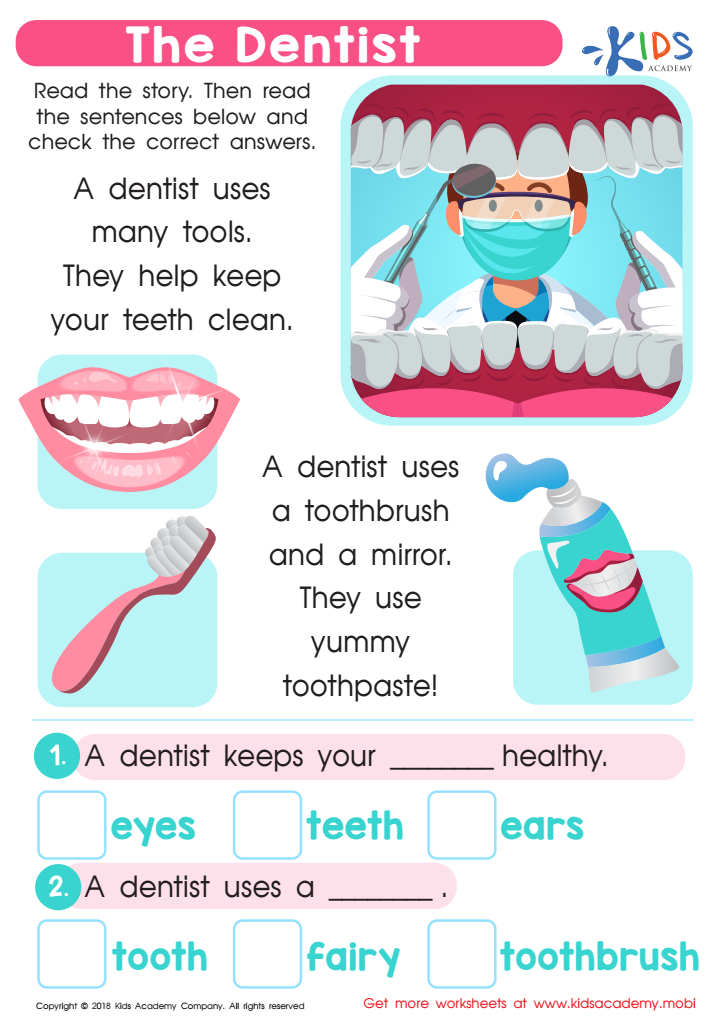
The Dentist Worksheet
 Assign to My Students
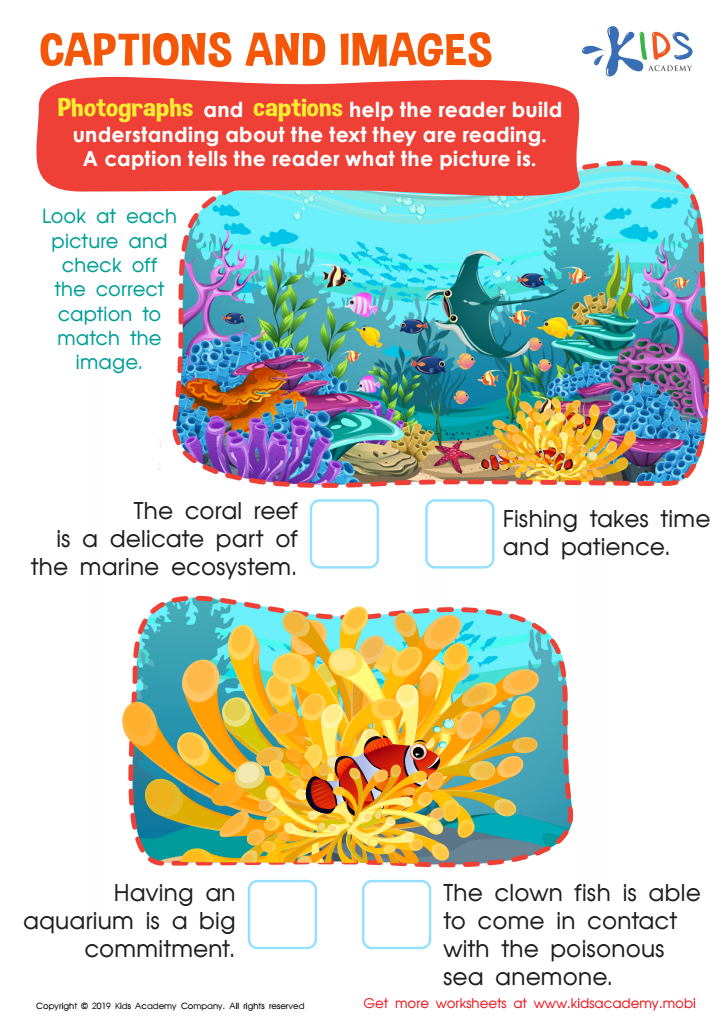
Captions and Images Worksheet
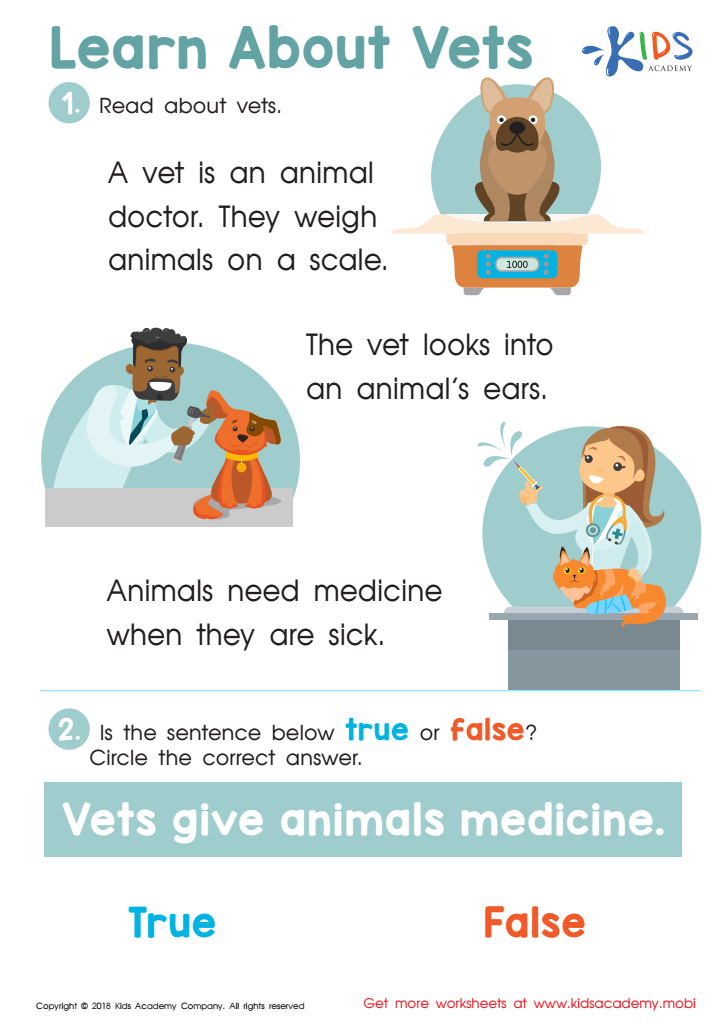
Learn About Vets Worksheet
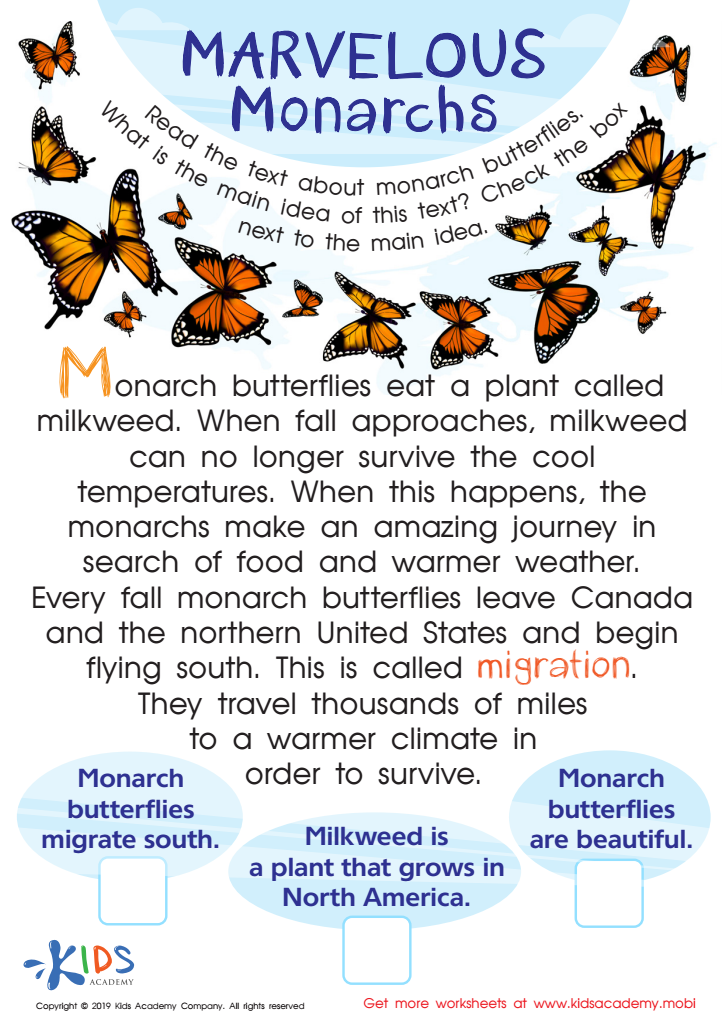
Marvelous Monarchs Worksheet
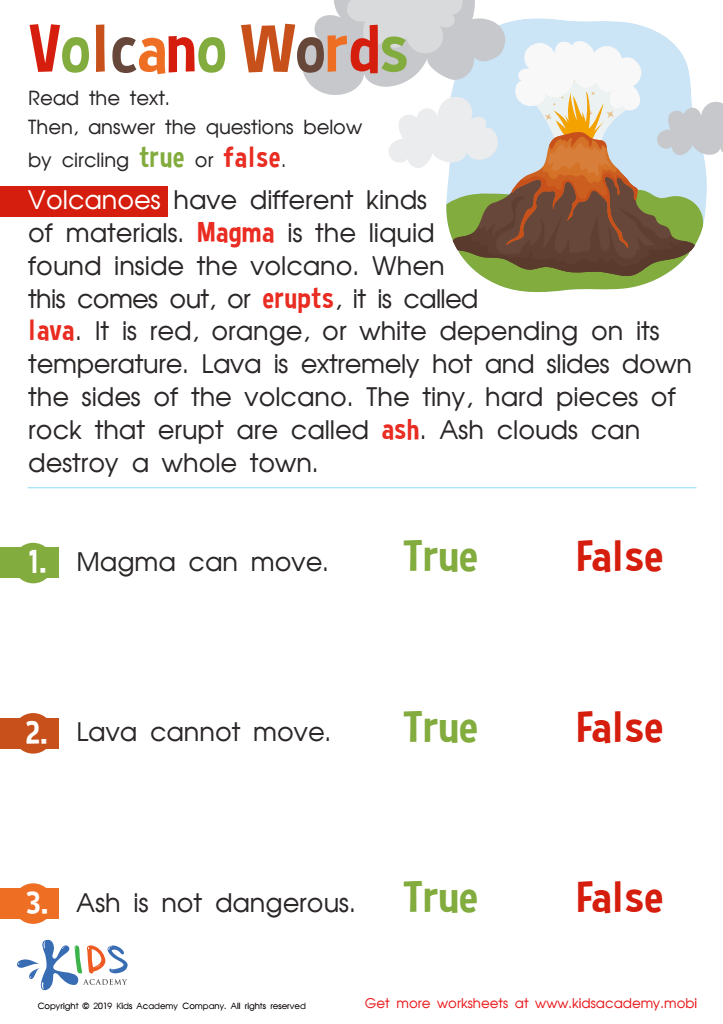
Volcano Words Worksheet
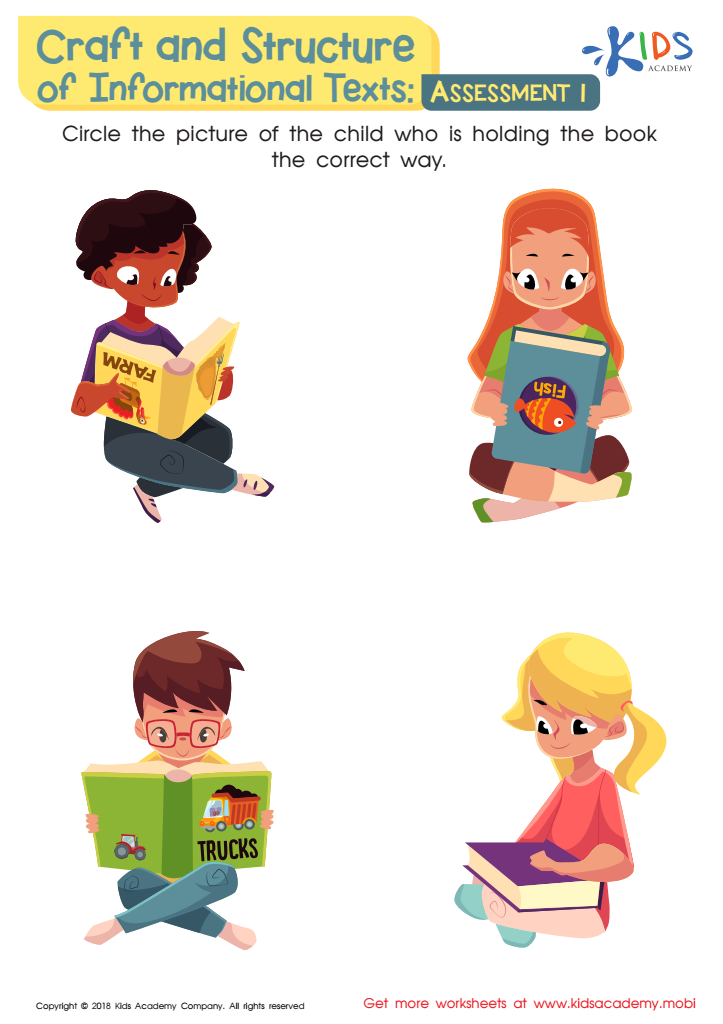
Craft and Structure of Informational Texts: Assessment 1 Worksheet








Vocabulary development, especially through reading non-fiction, is crucial for several reasons, particularly for young learners. First, a rich vocabulary enhances comprehension skills. Non-fiction texts often introduce complex terms and concepts that might not be found in everyday conversations but are essential for understanding academic subjects. By encountering and learning these words, children are better prepared to grasp advanced topics in science, social studies, and other critical disciplines.
Second, non-fiction reading fosters curiosity and a love for learning. Non-fiction books typically cover various real-world topics, from animals and history to technology and space. This variety can spark children's interests and motivate them to learn more about specific subjects, broadening their knowledge and cognitive abilities.
Additionally, a well-developed vocabulary is critical for effective communication. Understanding and using a wide range of words enables children to express their thoughts and ideas more clearly and confidently, both in writing and speaking.
Furthermore, early vocabulary development correlates with later academic success. Proficient readers tend to perform better across multiple subjects because their improved comprehension skills allow them to efficiently process and understand more complex material.
In conclusion, prioritizing vocabulary development through non-fiction reading enriches comprehension, stimulates curiosity, enhances communication skills, and influences overall academic achievement. Parents and teachers, therefore, have a strong incentive to encourage consistent non-fiction reading to support children’s holistic educational development.








