Develop critical thinking Sight Words Worksheets
3 filtered results
-
From - To
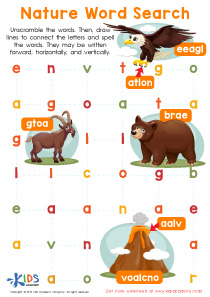
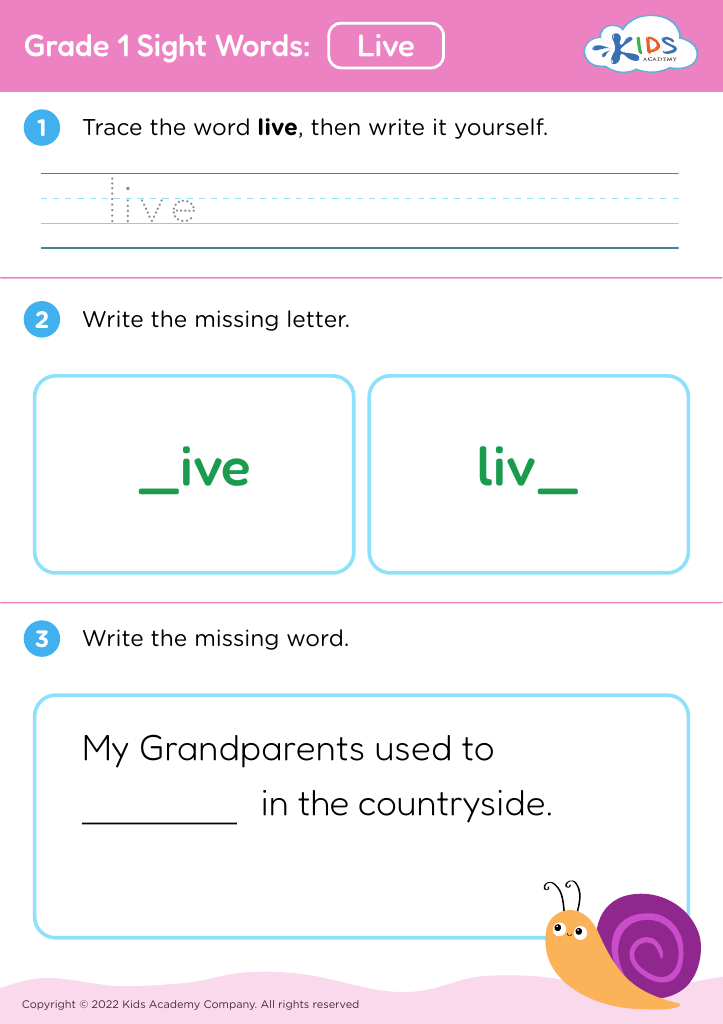
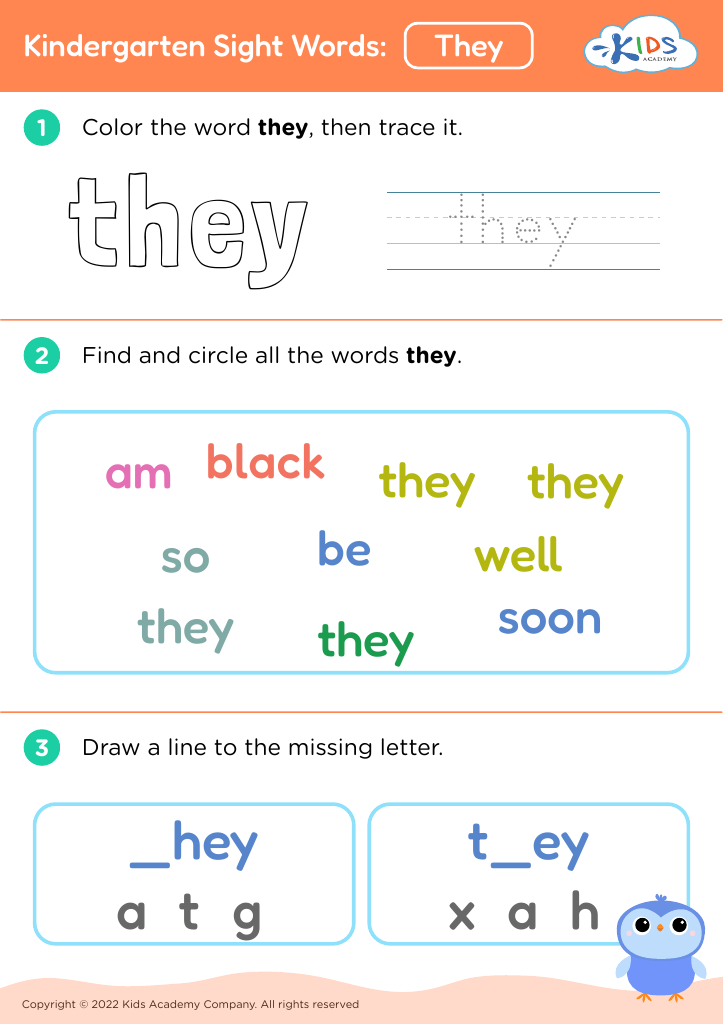
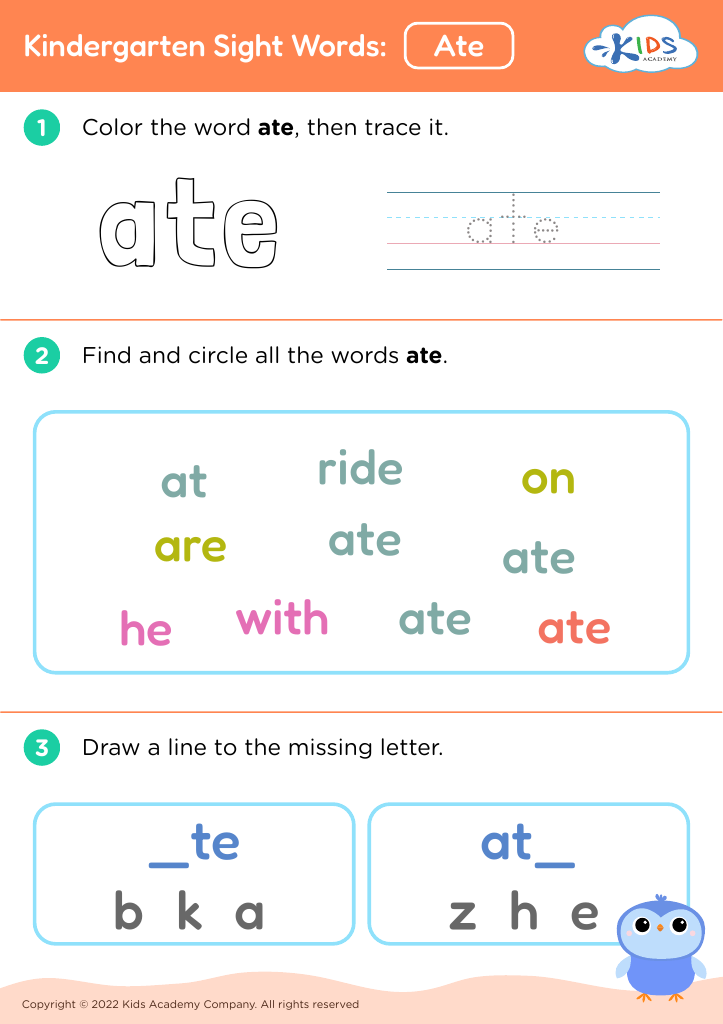
Enhance your child's reading journey with our "Develop Critical Thinking Sight Words Worksheets." Designed for early learners, these engaging worksheets aim to boost vocabulary while nurturing analytical thinking skills. Each activity encourages children to interpret context, make inferences, and engage with language meaningfully. By combining sight word recognition with critical thinking exercises, kids develop a deeper comprehension of text. These worksheets promote interactive learning through fun challenges, games, and creative tasks. Perfect for home or classroom use, our resources are ideal for educators and parents looking to enrich their children's literacy experience. Equip your little ones with essential reading strategies today!









.jpg)





Parents and teachers should prioritize developing critical thinking skills alongside teaching sight words because both are foundational to a child's literacy and intellectual growth. Sight words, the most commonly used words in reading, are essential for young learners to achieve reading fluency. Mastering these words enables children to recognize them instantly, allowing them to focus on comprehension rather than decoding.
However, merely memorizing sight words is not enough. Incorporating critical thinking encourages children to analyze, question, and make connections—skills vital for deeper understanding. When children learn to think critically about what they read, they engage more fully with the text, enhancing comprehension and retention.
Furthermore, critical thinking fosters independence and confidence. Children who can evaluate information and draw their own conclusions are better prepared for the complexities of life. This skill set promotes curiosity, creativity, and problem-solving abilities, all of which are essential in an increasingly complex world.
By combining the acquisition of sight words with a focus on critical thinking, parents and teachers create a balanced approach to literacy development that prepares children not only to read but also to interpret and engage with the world around them. This holistic strategy ultimately supports long-term academic success.