Handwriting improvement Grade 2 ABC Order Worksheets
3 filtered results
-
From - To
Enhance your second grader's handwriting skills with our engaging ABC Order worksheets! Designed specifically for Grade 2 students, these worksheets provide a fun and educational way to practice forming letters while mastering alphabetical order. Each worksheet includes exercises that prompt children to arrange words in ABC order, reinforcing letter recognition and序列学习. As students write and organize, they’ll improve their fine motor skills and confidence in handwriting. Perfect for classroom or home use, these printables cultivate an essential foundation in writing development. Boost your child’s handwriting improvement today with our age-appropriate and effective worksheets!
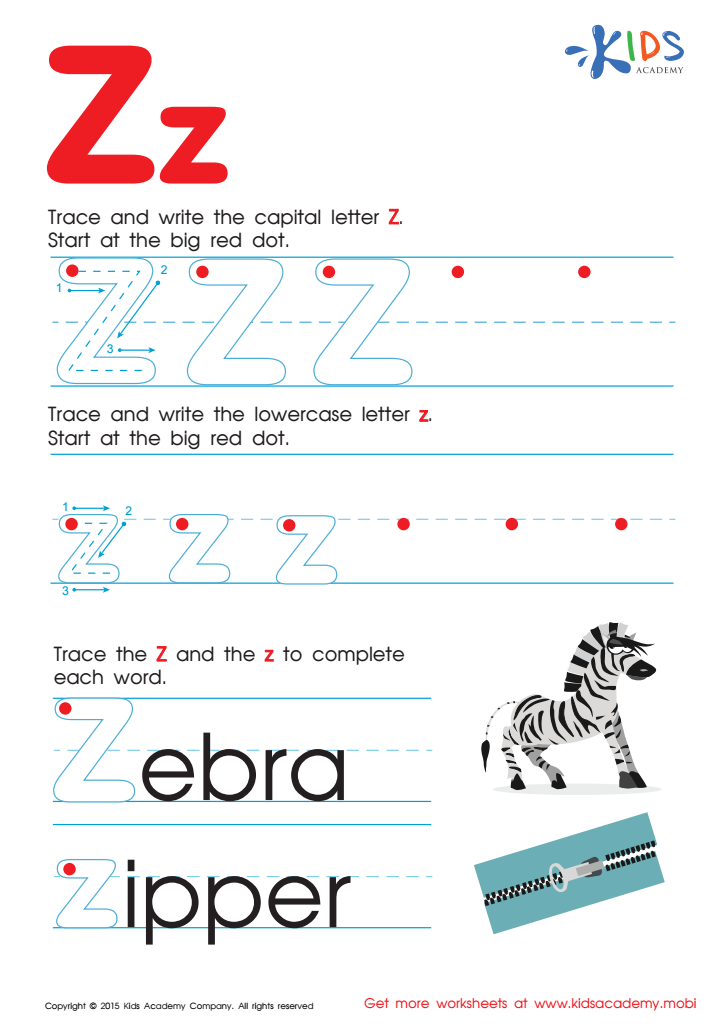
Letter Z Tracing Page
 Assign to My Students
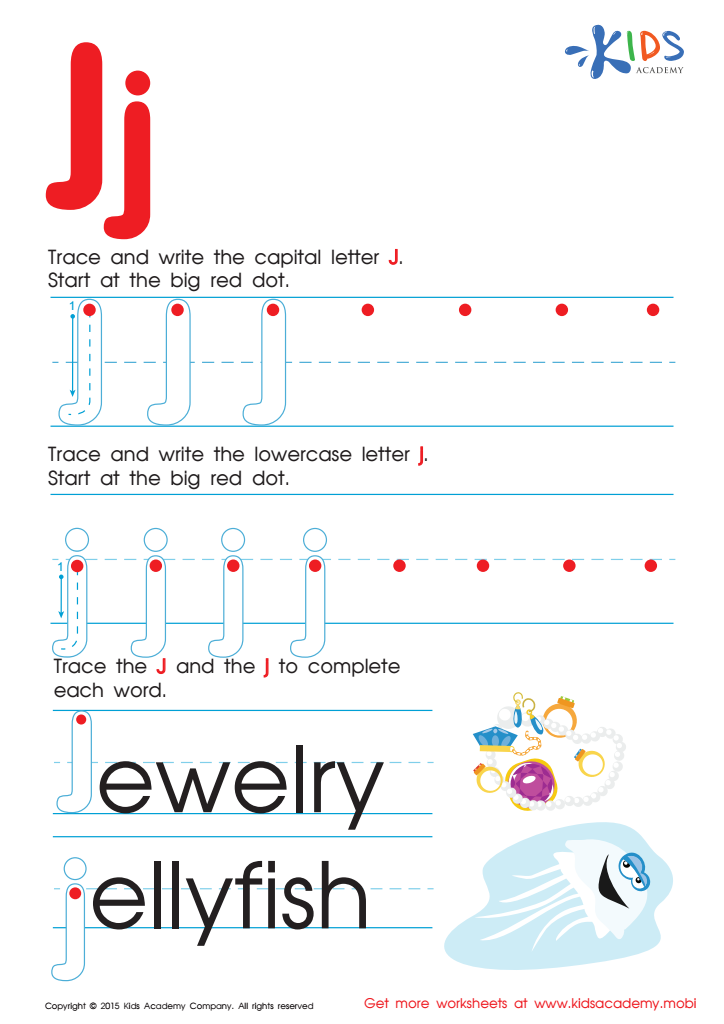
Letter J Tracing Page
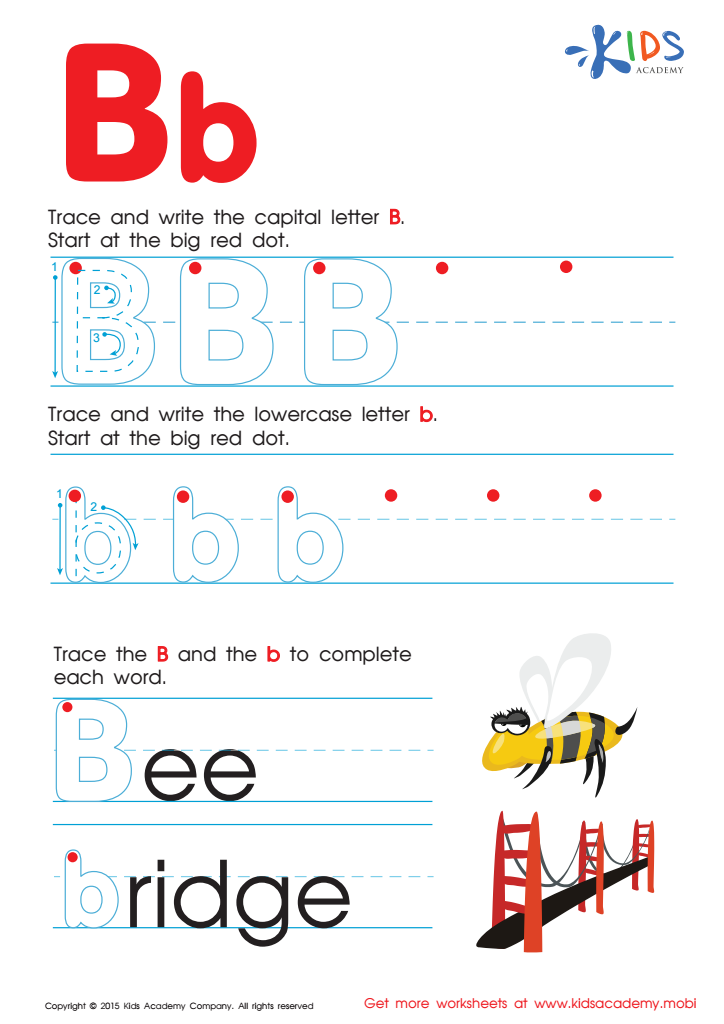
Letter B Tracing Page


Handwriting improvement is essential for second graders as it lays the foundation for effective communication skills. During this crucial developmental stage, clear and legible handwriting allows children to express their thoughts and ideas confidently, both in academic settings and beyond. As students engage in writing assignments, their ability to form letters accurately directly impacts their overall writing experience and proficiency.
Additionally, neat handwriting fosters a sense of pride in their work. When children are encouraged to improve their handwriting, they develop fine motor skills that enhance their coordination and dexterity, essential for future learning tasks. Parents and teachers should prioritize teaching students to arrange letters and words in ABC order to strengthen their understanding of letter recognition and phonic sounds while also introducing organizational skills.
Moreover, legible handwriting can minimize frustration during writing tasks; children often encounter challenges when deciphering their own or others’ writing, which can discourage them from engaging fully in learning activities. By supporting handwriting improvement, both parents and teachers invest in a child's holistic development—boosting their academic confidence, promoting effective expression, and facilitating a love for learning that goes beyond the classroom.