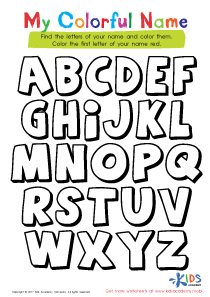
Handwriting improvement Grade 2 ABC Letters Worksheets
3 filtered results
-
From - To
Enhance your 2nd grader's handwriting skills with our engaging ABC letters worksheets! These printable resources are designed to improve fine motor control and letter formation through fun, interactive activities. Each worksheet guides students step-by-step in writing both uppercase and lowercase letters, ensuring they develop confidence in their writing abilities. Tailored specifically for Grade 2 learners, these worksheets incorporate captivating illustrations and exercises that make practicing handwriting enjoyable. Perfect for at-home practice or classroom use, these resources will support your child's educational journey and foster a love for writing. Unlock the potential of neat and legible handwriting today!
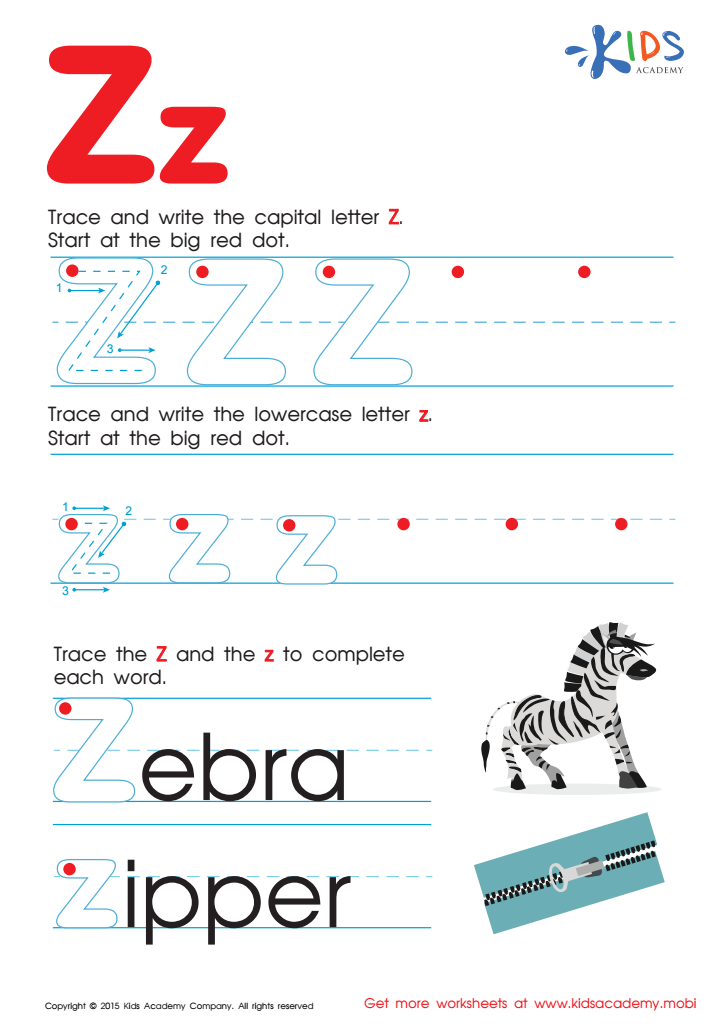
Letter Z Tracing Page
 Assign to My Students
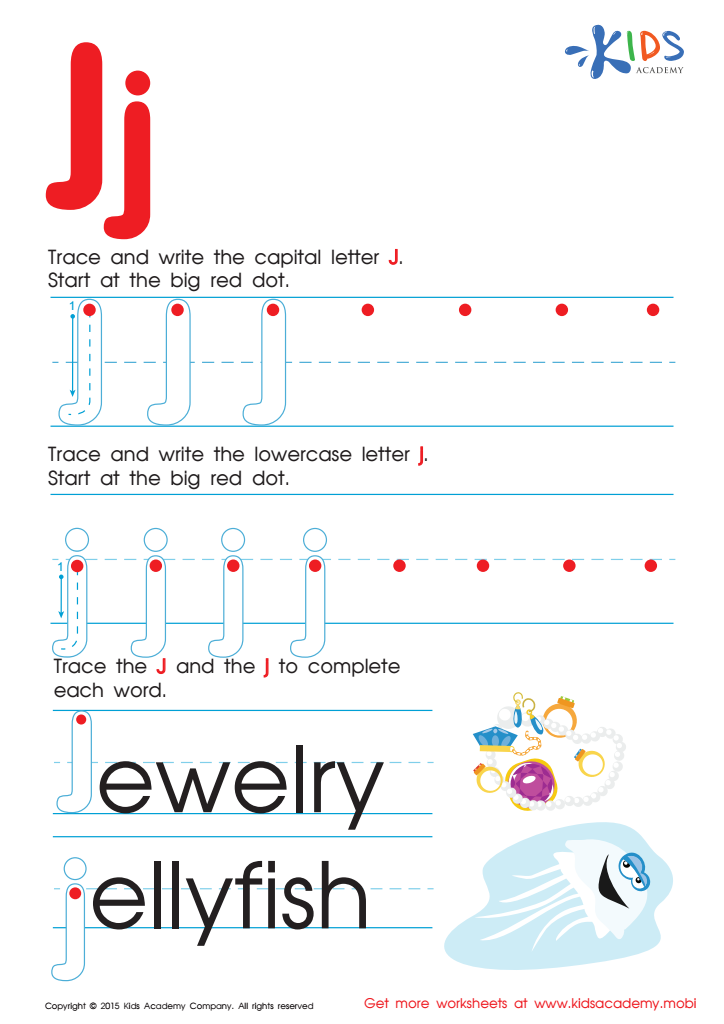
Letter J Tracing Page
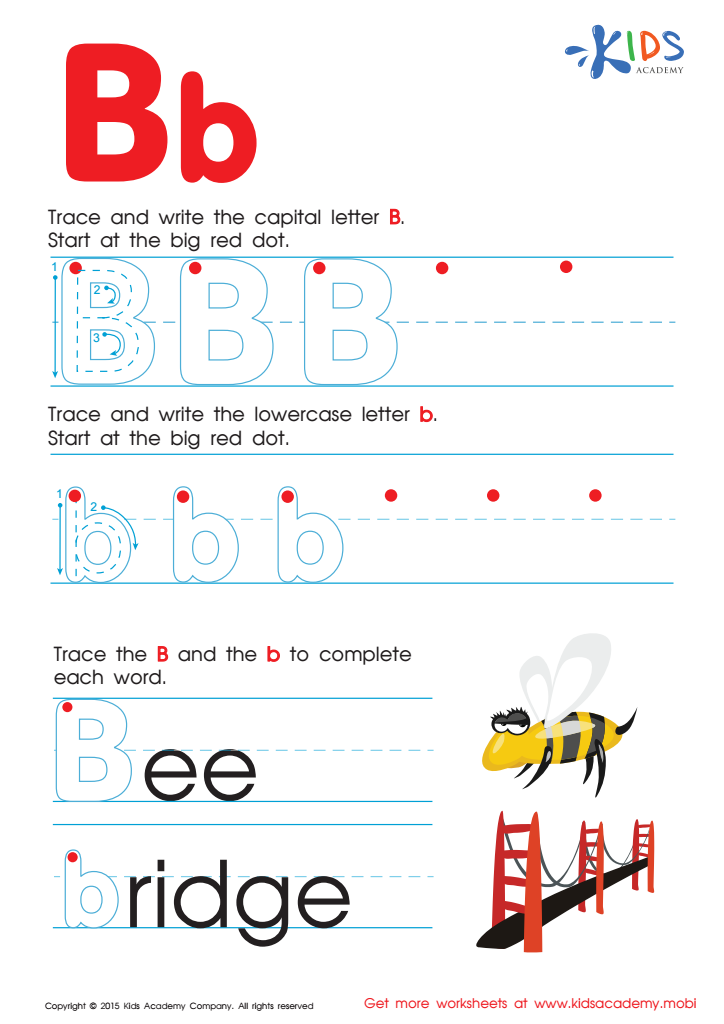
Letter B Tracing Page



Improving handwriting in Grade 2 is crucial for several reasons that benefit both students and their parents or teachers. First and foremost, clear and legible handwriting can significantly impact a child's academic performance. In Grade 2, students begin to write more complex sentences and ideas. If their handwriting is difficult to read, teachers may misinterpret their work, leading to lower grades or misunderstandings about their knowledge.
Moreover, developing good handwriting skills enhances fine motor skills and coordination, which are essential not just for writing but for other activities throughout life. A strong grasp of letter formation helps children stabilize their writing speed and fluency, encouraging them to express their thoughts without hesitance.
Furthermore, positive handwriting experiences can boost a child’s confidence and self-esteem. When students take pride in their work, they're more likely to engage fully in their learning. For parents, supporting handwriting improvement means fostering their child's academic journey and providing them with the foundational skills they need in school and beyond. Ultimately, investing in handwriting during this developmental stage sets the groundwork for effective communication, academic achievement, and personal expression, making it a worthy focus for both parents and teachers.