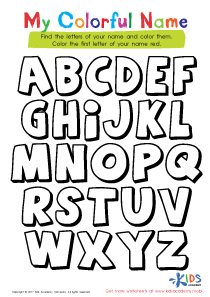
Fine motor skills development Grade 2 Letter Recognition Worksheets
3 filtered results
Difficulty Level
Grade
Age
-
From - To
Subject
Activity
Standards
Enhance your second grader's fine motor skills with our engaging letter recognition worksheets! Designed for Grade 2 students, these worksheets provide a fun and interactive way for kids to practice their letter recognition while developing essential hand-eye coordination and dexterity. Each worksheet incorporates various activities, such as tracing, coloring, and connecting letters, to make learning enjoyable. These exercises not only reinforce alphabet knowledge but also support overall fine motor development, crucial for writing readiness. Explore our thoughtfully crafted resources and watch your child build confidence in their literacy skills as they master letter recognition with our printable worksheets!
Favorites
With answer key
Interactive
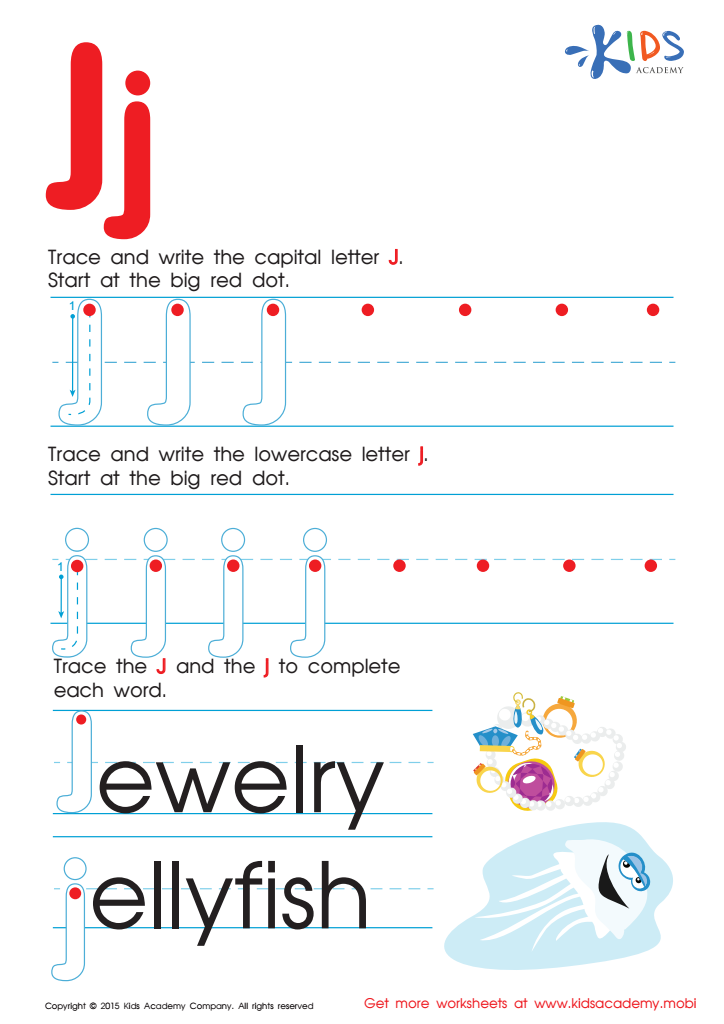
Letter J Tracing Page
Trace and write the letter "J" with our ABC worksheet - start at the big red dot! Have fun completing words like jewelry, jellyfish and more. Check out our kindergarten activities for more alphabet practice.
Letter J Tracing Page
Worksheet
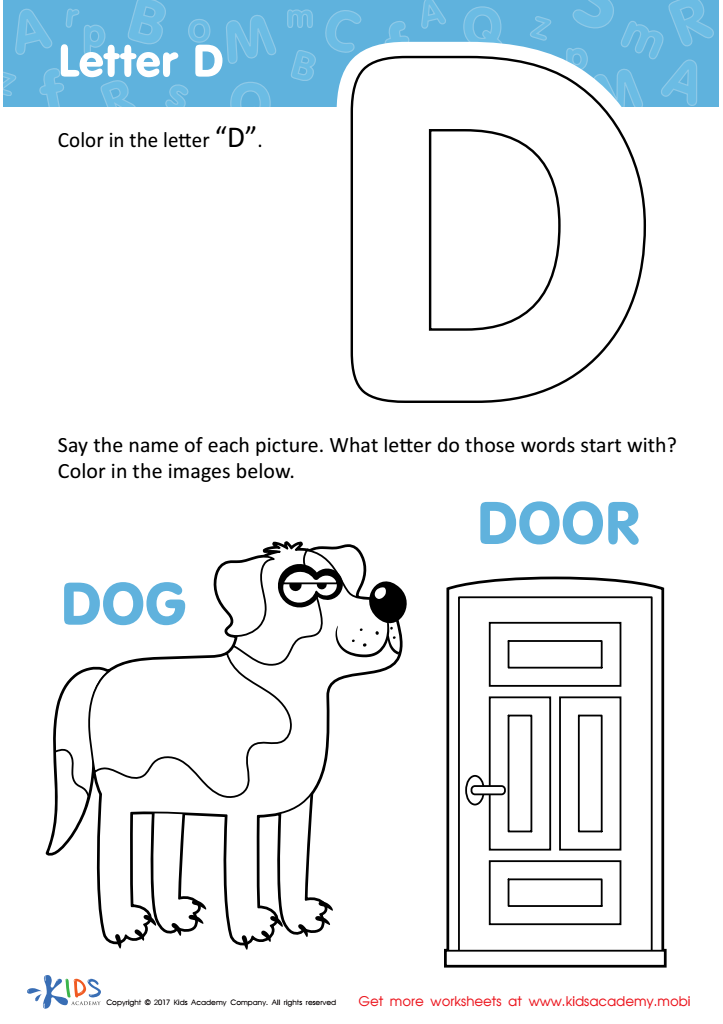
Letter D Coloring Sheet
Coloring with this letter "D" page is a great way to encourage your child's creativity while they learn the letter "D" and its sound. It's a fun activity to stimulate their imagination!
Download (PDF)
 Assign to My Students
Assign to My Students
Letter D Coloring Sheet
Worksheet
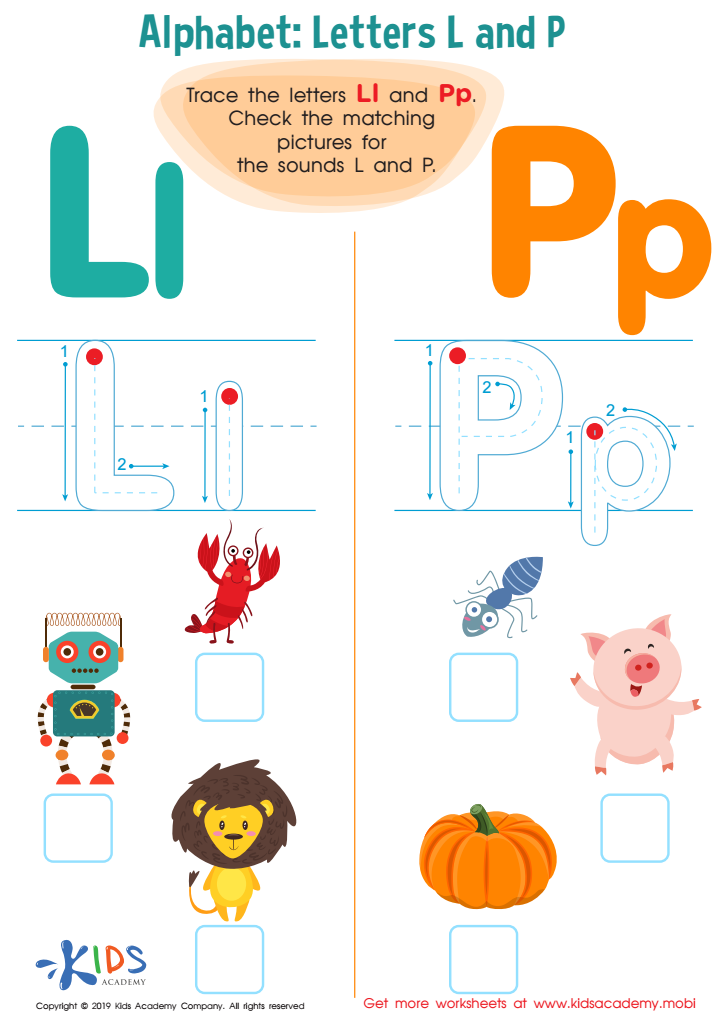
Letter L and P Tracing Worksheet
This traceable worksheet can motivate your students to learn and practice core skills. They'll trace the letters 'L' and 'P' and identify the pictures next to them. With this exercise, they'll unlock their learning abilities and excel in the subject!
Letter L and P Tracing Worksheet
Worksheet
Join Kids Academy for Free
Who is primarily going to use this learning content?




Fine motor skills development is crucial for Grade 2 students, particularly in the context of letter recognition. This skill set involves the coordination of small muscle movements, particularly in the hands and fingers, which is essential for tasks like writing, drawing, and using educational tools. As students progress in literacy, strong fine motor skills support their ability to form letters correctly, utilize writing instruments effectively, and engage in creative expression through art.
Specific to letter recognition, fine motor skills like grasping and manipulating pencils help children focus on forming letters and understanding their structures. Improved dexterity allows students to experience writing letters confidently, which reinforces their cognitive association between letter shapes and sounds. This connection is significant for reading development, as recognizing letters becomes integral to word formation and overall literacy.
Moreover, when parents and teachers prioritize fine motor skills, they contribute to a child’s self-esteem and motivation. Children who can write well and recognize letters are more likely to participate in class and enjoy learning. Therefore, fostering fine motor skills not only promotes academic success but also builds a strong foundation for lifelong learning, making it essential for educators and parents to engage children in relevant activities that stimulate their fine motor development.