Handwriting practice Grade 2 Letter Recognition Worksheets - Page 2
32 filtered results
-
From - To
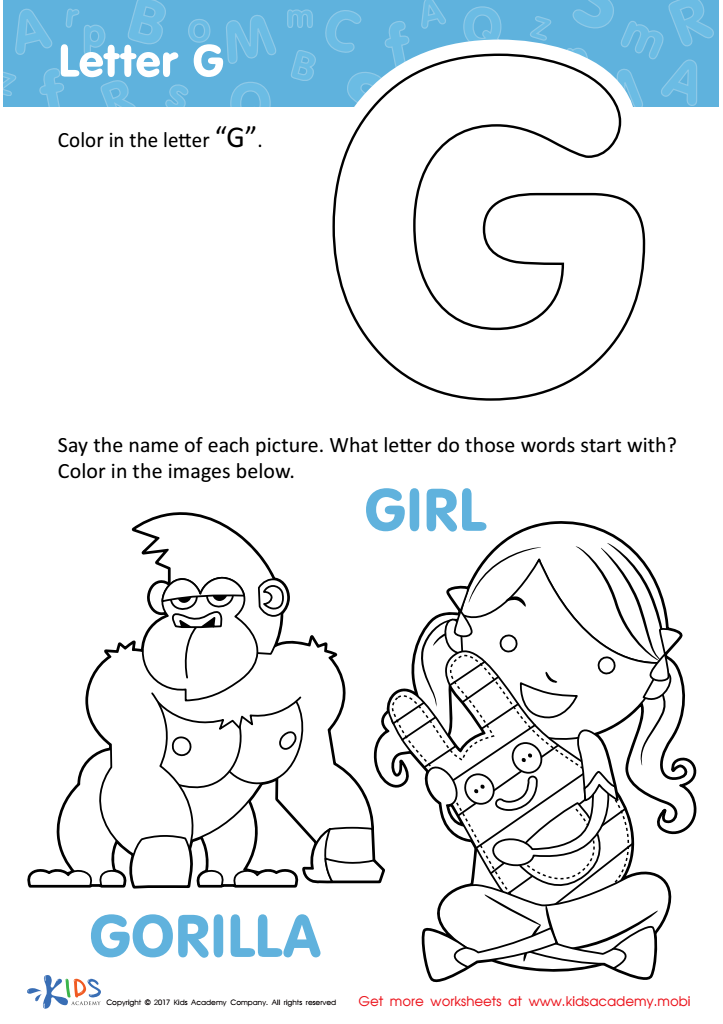
Letter G Coloring Sheet
 Assign to My Students
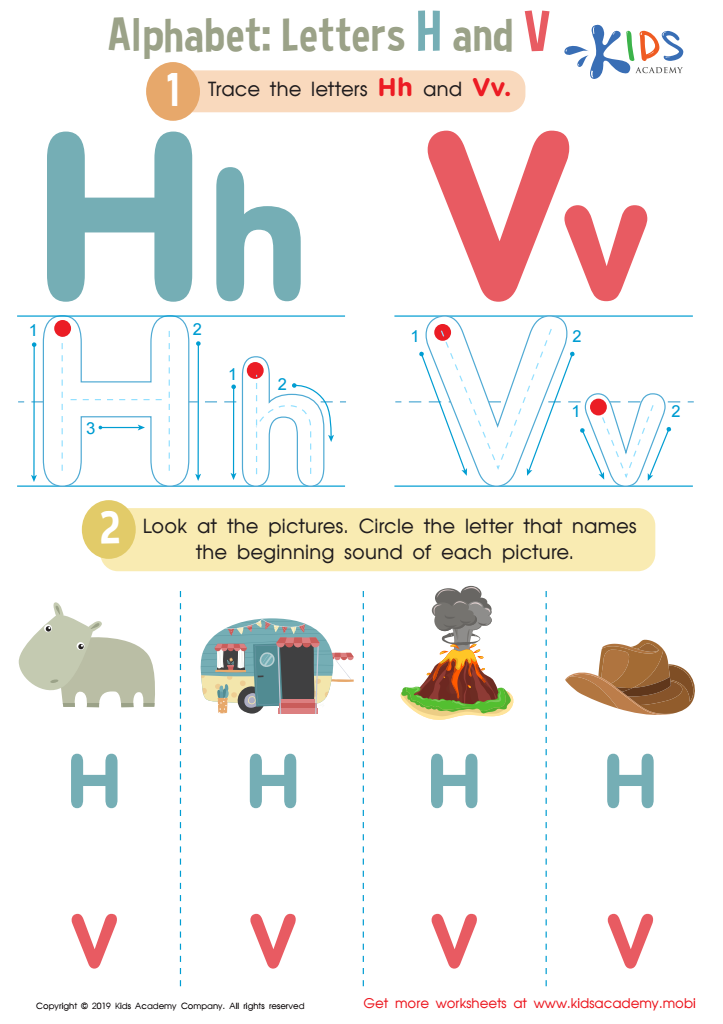
Letters H and V Tracing Worksheet
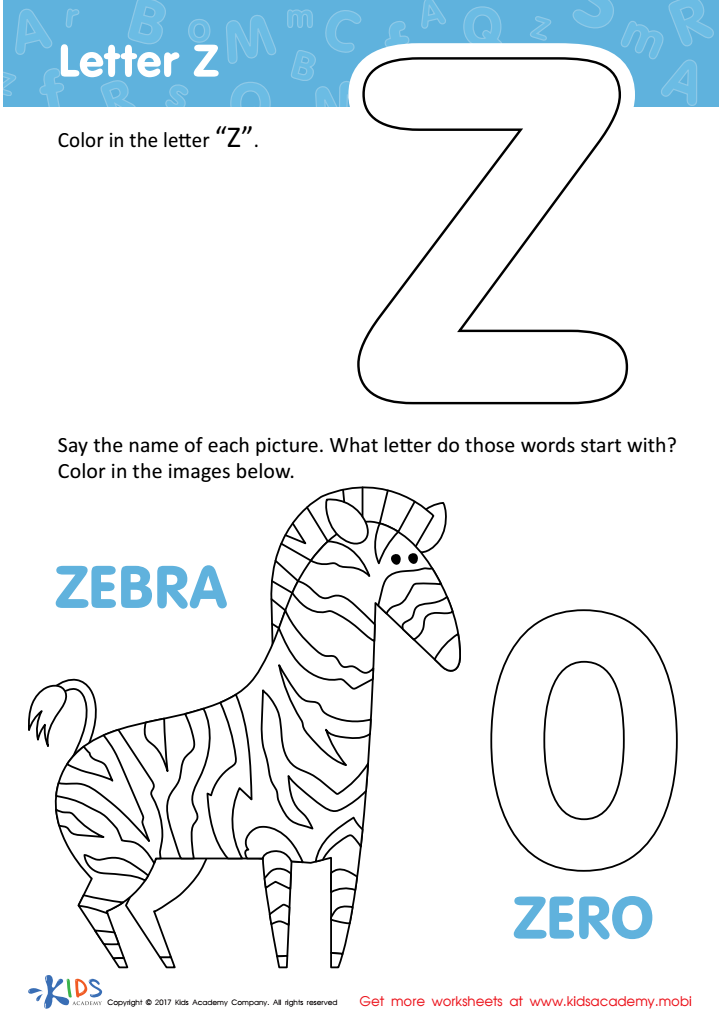
Letter Z Coloring Sheet
Assign to My Students

Letter J Coloring Sheet
Assign to My Students
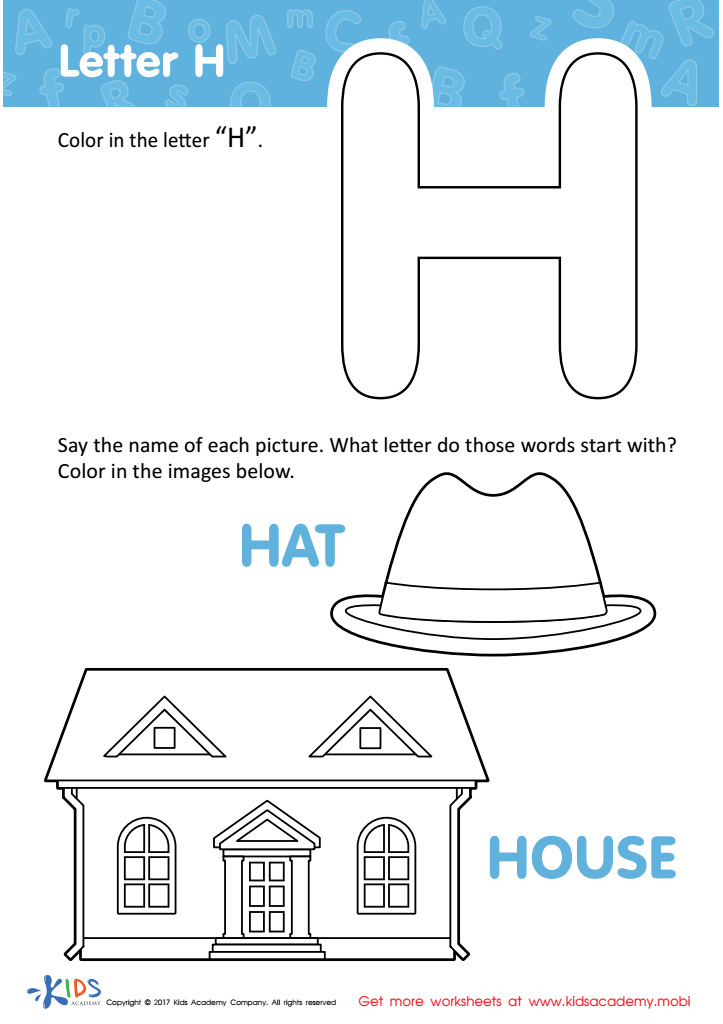
Letter H Coloring Sheet
Assign to My Students
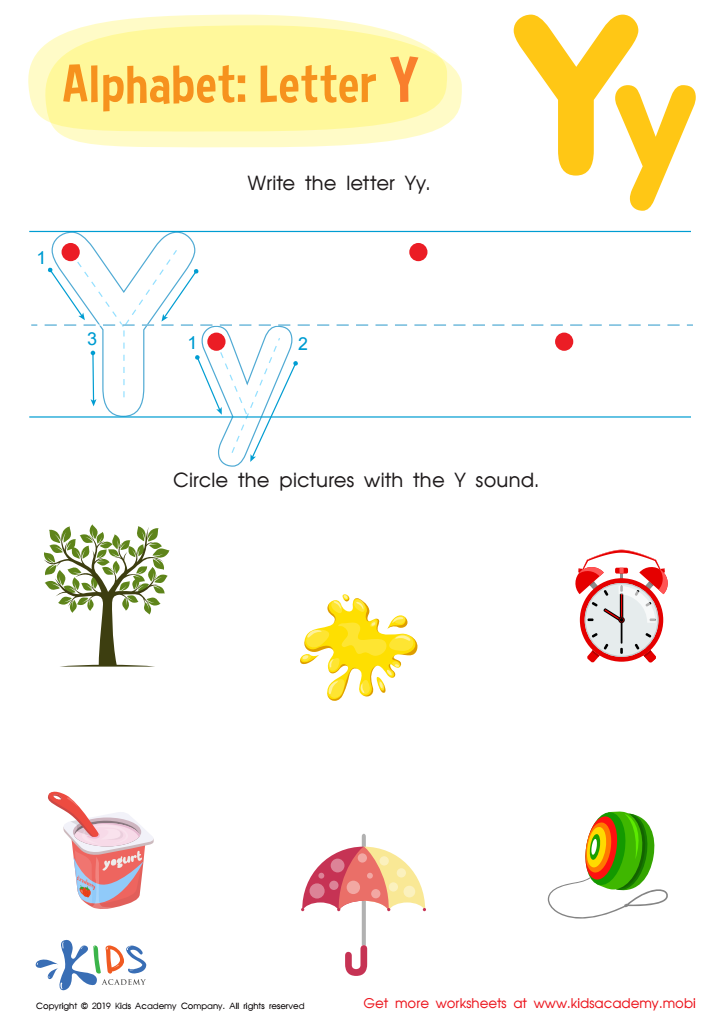
Letter Y Tracing Worksheet
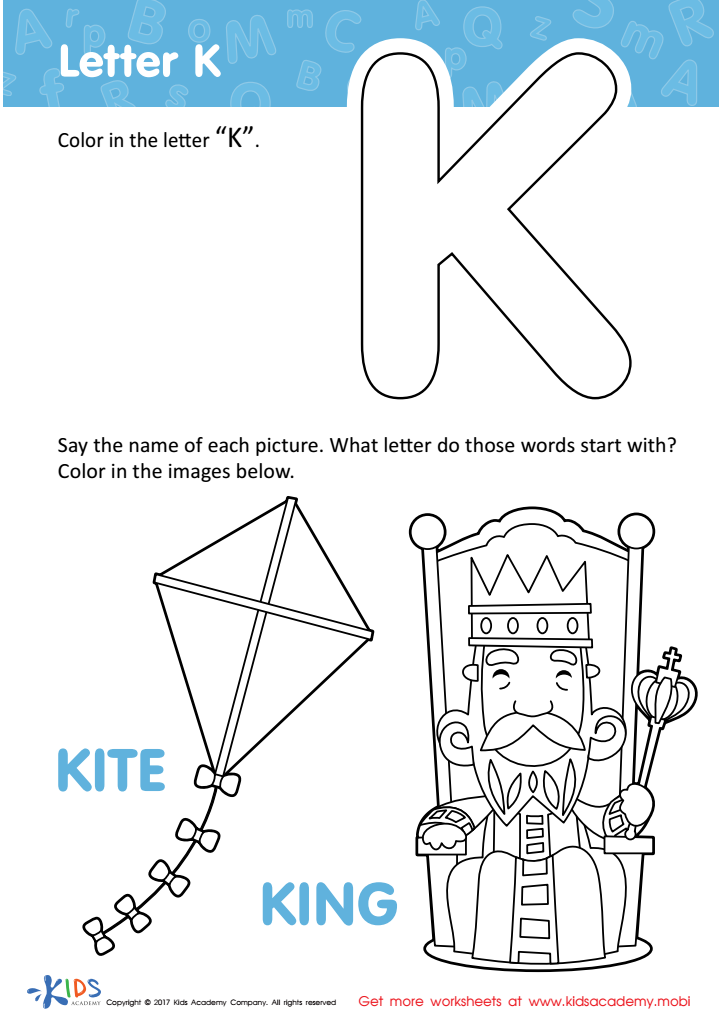
Letter K Coloring Sheet
Assign to My Students
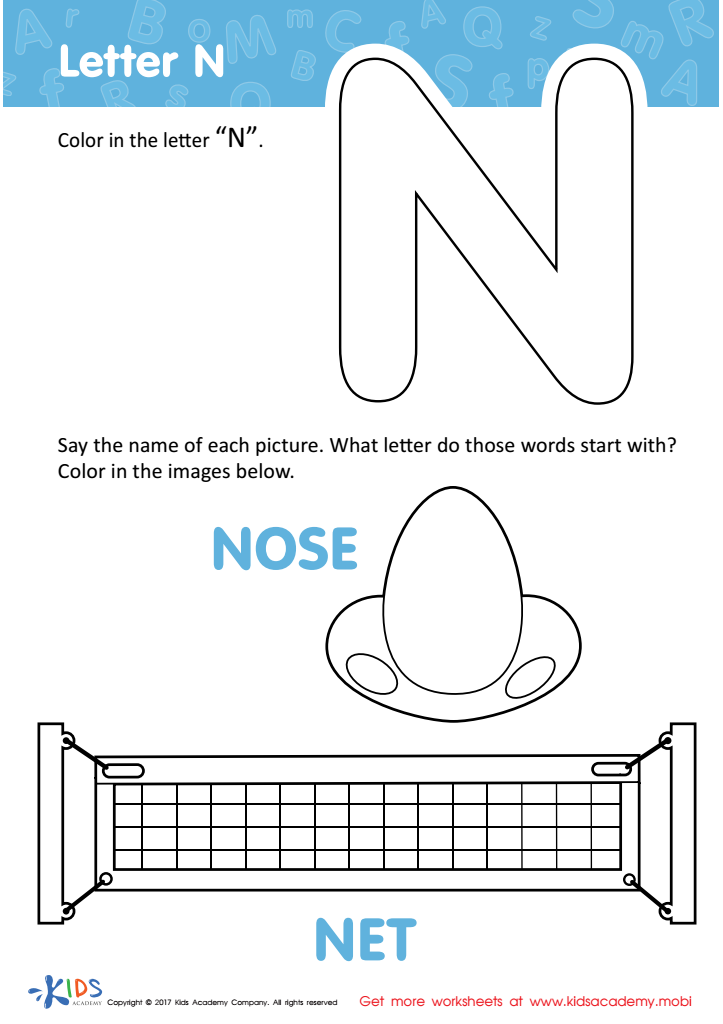
Letter N Coloring Sheet
Assign to My Students




Handwriting practice and letter recognition are fundamental components of literacy development in Grade 2 students. For parents and teachers alike, investing time in these skills is crucial for several reasons.
First, handwriting enhances fine motor skills, which are essential for various academic activities. As students practice forming letters, they develop finger strength and coordination that contribute to overall handwriting proficiency. Good handwriting fosters clarity in written communication, helping students express their thoughts more effectively.
Second, letter recognition is pivotal in reading development. By mastering the letters, students build the foundation for phonics, enabling them to sound out words and comprehend texts. This foundational skill directly impacts their reading fluency and academic success across subjects.
Additionally, engaging parents in handwriting practice at home creates a collaborative learning environment. It reinforces classroom learning and helps parents understand the skills their children are mastering.
In today's digital age, where typing is prevalent, reinforcing traditional handwriting ensures students can navigate both written and digital landscapes proficiently. By prioritizing handwriting practice and letter recognition, we equip children with essential skills to succeed academically and communicate effectively in the future.