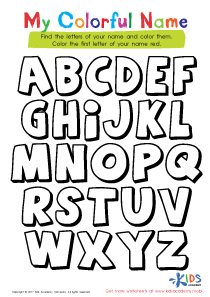
Motor skills development Grade 2 Letter Recognition Worksheets
5 filtered results
-
From - To
Boost your Grade 2 students' motor skills and letter recognition with our engaging worksheets! Designed specifically for young learners, these activities will help improve fine motor skills while reinforcing the foundations of the alphabet. Each worksheet offers clear, interactive tasks that encourage children to trace, identify, and practice letters in a fun way. By combining physical activity with learning, students will enhance their handwriting, coordination, and overall confidence in reading. Whether for classroom use or at-home practice, these letter recognition worksheets are the perfect resource to support your child's literacy journey while fostering essential motor skills. Start exploring today!

Letter H Tracing Page
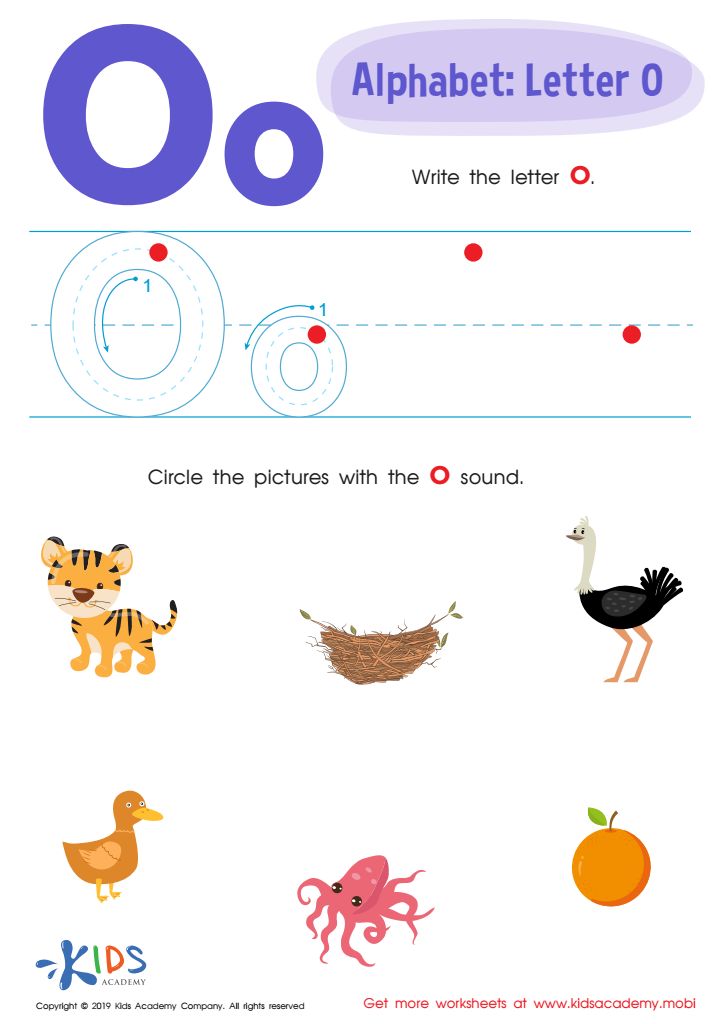
Letter O Tracing Worksheet
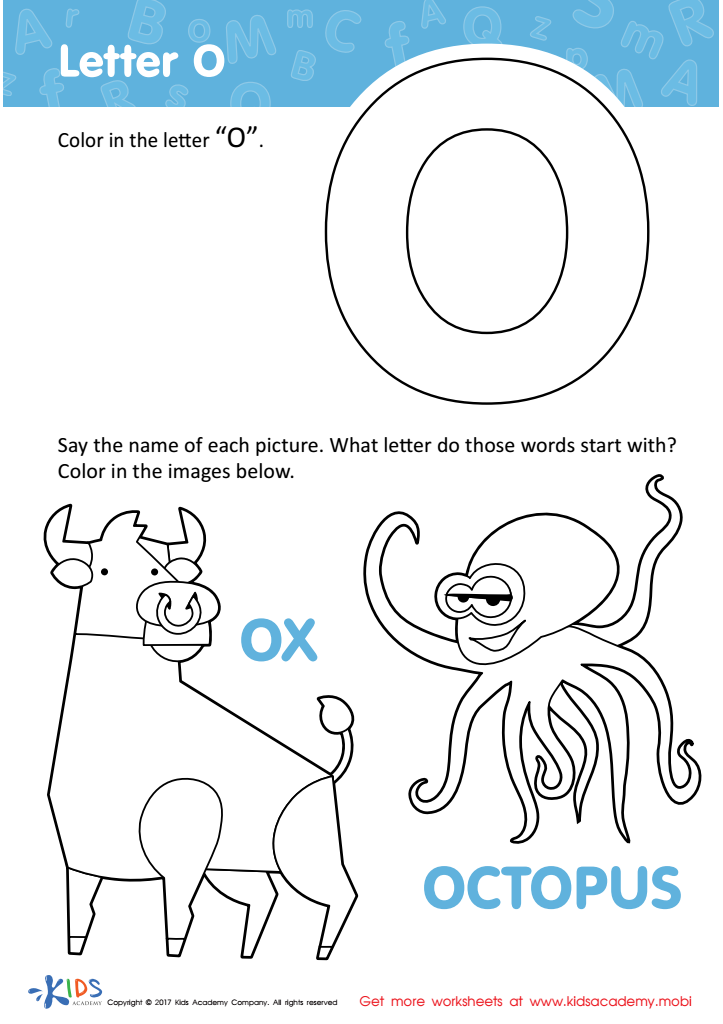
Letter O Coloring Sheet
 Assign to My Students
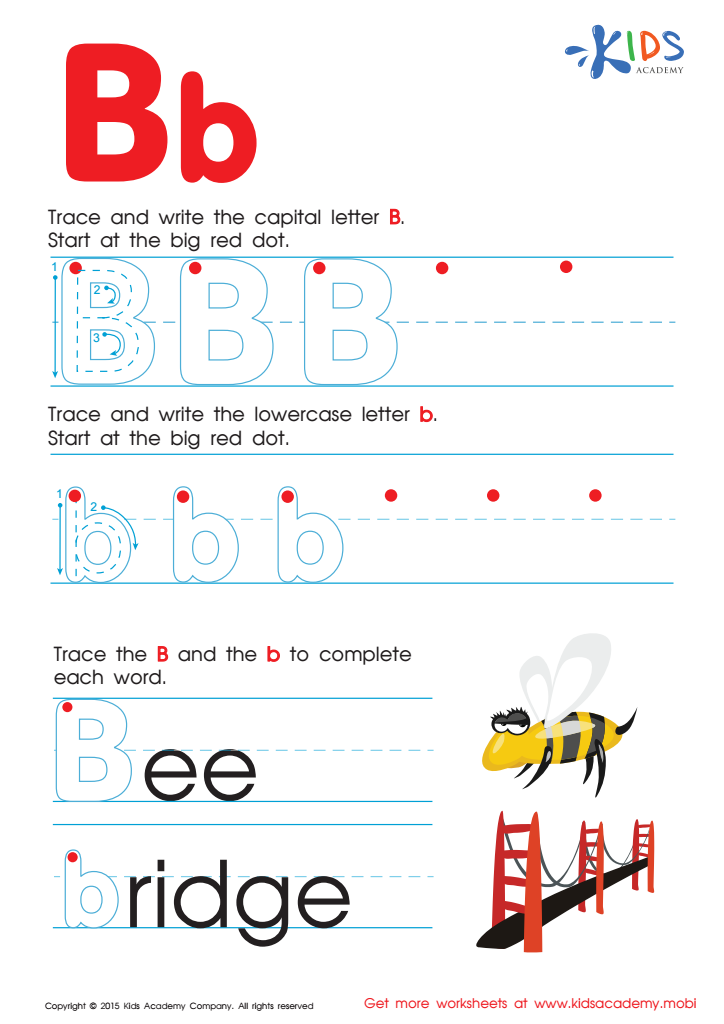
Letter B Tracing Page
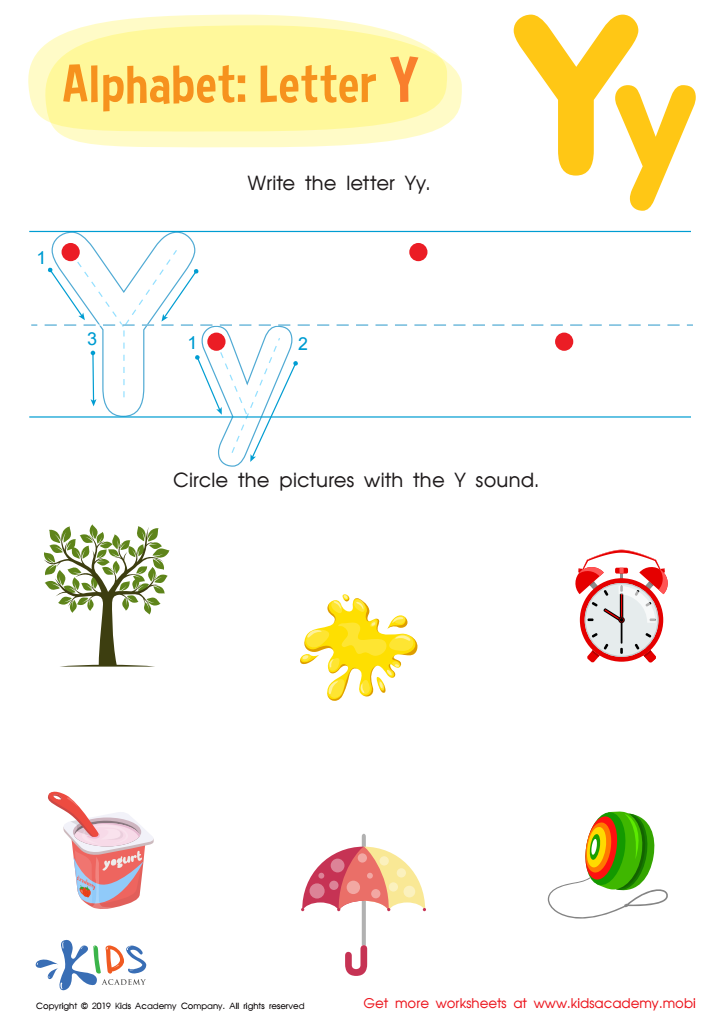
Letter Y Tracing Worksheet




Motor skills development, particularly in the context of grade 2 letter recognition, is crucial for young learners. At this stage, children are not only refining their ability to identify letters but also working on fine motor skills that are essential for writing and other academic tasks. Parents and teachers should care about this development because strong motor skills contribute to a child's ability to express themselves effectively, engage confidently in classroom activities, and grasp more complex literacy concepts later on.
When children practice letter recognition through activities that involve fine motor skills—like tracing, drawing, or crafting letters—they enhance their finger dexterity and hand-eye coordination. This holistic approach fosters an engaging learning environment, making literacy not just an academic task but also an enjoyable experience.
Moreover, proficient letter recognition lays the groundwork for reading and spelling, which are vital for overall academic success. Delays in motor skills development can lead to challenges in literacy that may impact a child’s self-esteem and motivation to learn. By prioritizing motor skills in letter recognition, parents and teachers create a stronger foundation for children's lifelong learning and help nurture their confidence as learners. Therefore, investing time and resources in this area is beneficial for every child's educational journey.