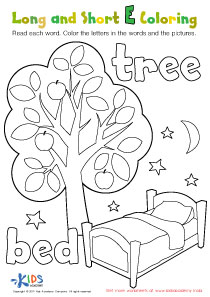
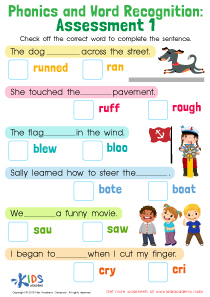
Phonics practice Grade 2 Long Vowels Worksheets
3 filtered results
-
From - To
Enhance your Grade 2 phonics skills with our engaging Long Vowels Worksheets! Perfect for young learners, these worksheets focus on helping students recognize and pronounce long vowel sounds. Featuring a variety of exercises, including fill-in-the-blank activities, word searches, and matching games, children will master long vowels in a fun and interactive way. Designed to support your teaching curriculum, our resources are ideal for classroom lessons or at-home practice. Encourage your child's reading and writing skills with comprehensive phonics practice that builds confidence and fluency. Explore our collection of printable worksheets today to make learning exciting and effective!
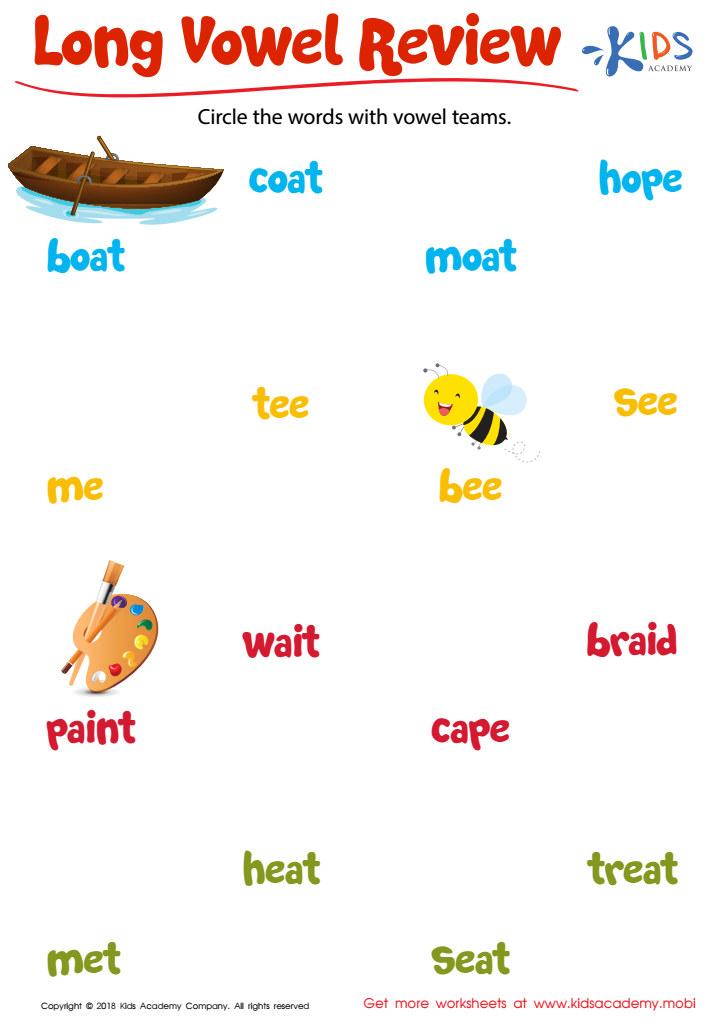
Long Vowel Review Worksheet
 Assign to My Students
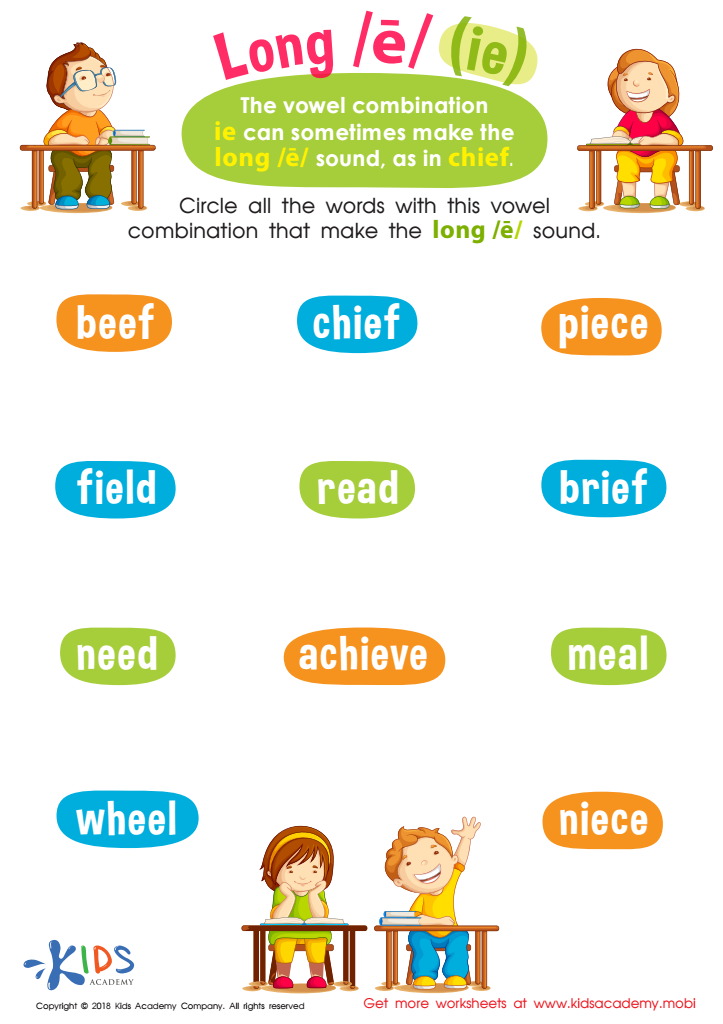
Reading: Long E and IE Worksheet
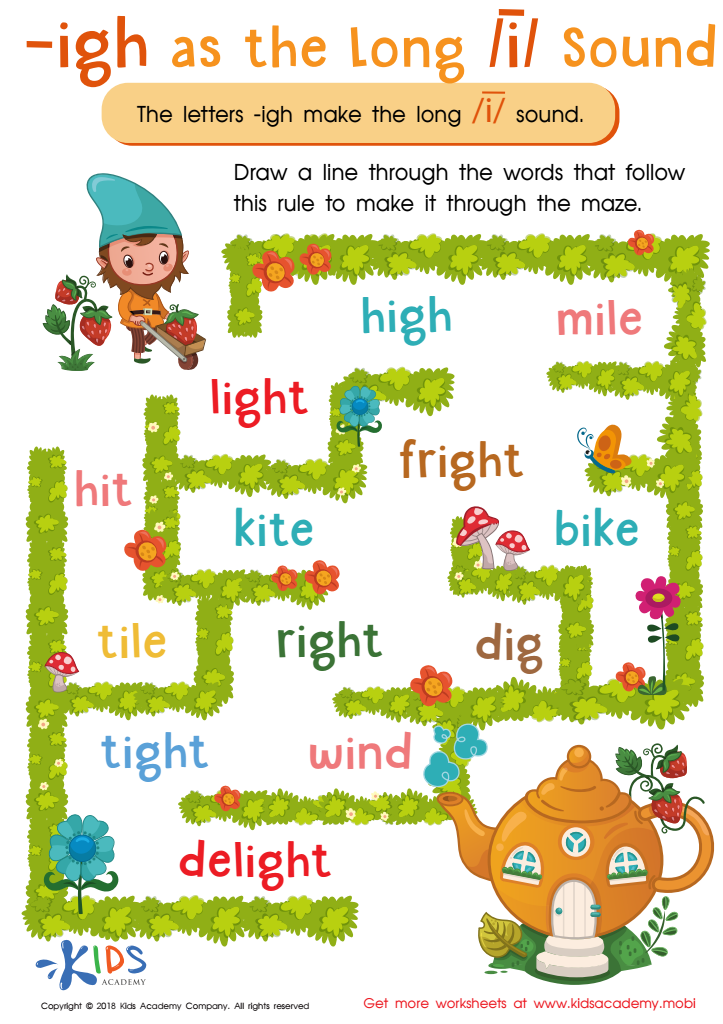
Reading: IGH as Long I Worksheet



Phonics practice, particularly focused on Grade 2 long vowels, is crucial for young learners as it lays a strong foundation for reading and writing skills. At this stage, children transition from recognizing letters and sounds to more complex decoding techniques that aid in fluency and comprehension. Long vowels, which can significantly alter the meaning of words (e.g., "made" vs. "mad"), need to be understood to avoid confusion in reading instruction.
For parents and teachers, consistent phonics practice helps improve a child’s confidence and ability to tackle more challenging texts as they progress in their literacy journey. Mastering long vowels not only enhances verbal communication but also forms the basis of spelling and word recognition skills. Furthermore, engaging in phonics activities can make learning fun, prompting children to develop a positive association with reading.
Additionally, these skills are fundamental in fostering critical thinking, as children begin to decode unfamiliar words independently. By emphasizing the importance of phonics practice, parents and teachers can ensure that children achieve literacy milestones and develop a lifelong love for reading, effectively preparing them for further educational challenges.