Vocabulary expansion Grade 2 Short Vowels Worksheets
5 filtered results
Difficulty Level
Grade
Age
-
From - To
Subject
Activity
Standards
Enhance your second graders' vocabularies with our engaging Short Vowels Worksheets, specifically designed for vocabulary expansion! Our printable resources focus on reinforcing short vowel sounds while building essential word skills. Students will enjoy fun activities that encourage the exploration of new words, allowing them to improve their reading and writing abilities. Each worksheet promotes phonemic awareness, helping young learners connect sounds to letters effectively. Ideal for both classroom and home practice, these worksheets ensure that vocabulary growth is exciting and interactive. Unlock the power of short vowels and watch your child's confidence soar in their language skills today!
Favorites
With answer key
Interactive
Reading: Long O and Short O Sounds Worksheet
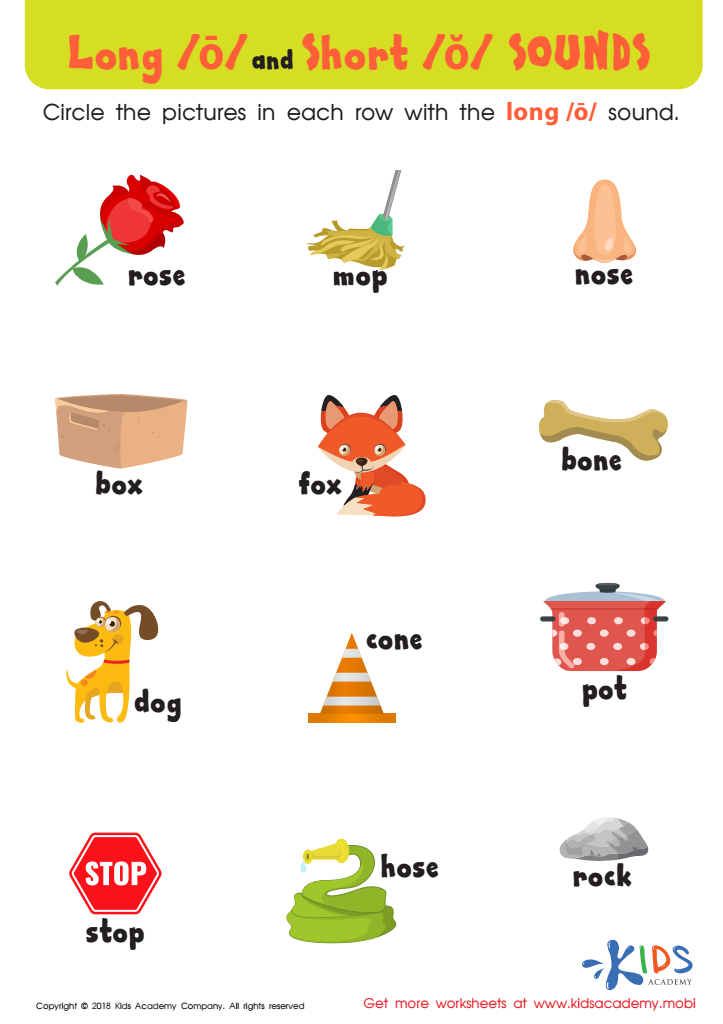
Students practice distinguishing between short and long O sounds with this reading worksheet. They sound out each word, then circle the pictures with the long O sound. Perfect for individual practice or to work with peers! Improves understanding of this skill and helps avoid confusion.
Reading: Long O and Short O Sounds Worksheet
Worksheet
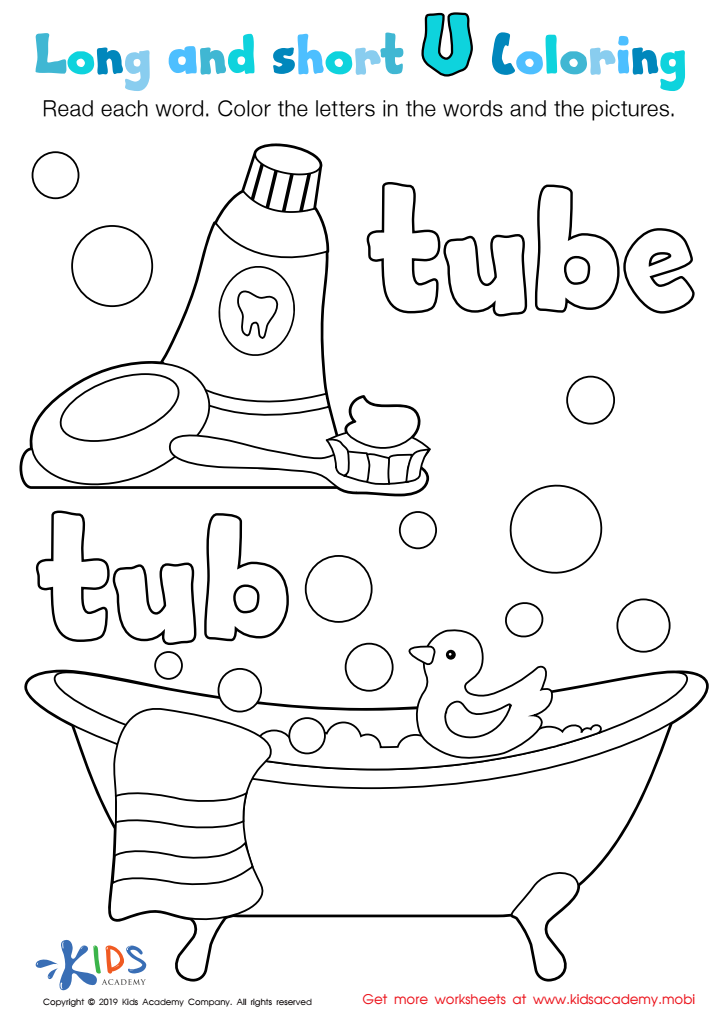
Long and Short U Worksheet
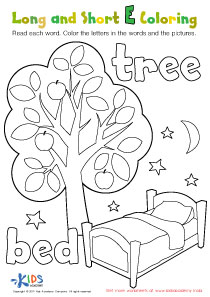
Revised: Spice up your lesson on long and short vowels with this fun printout! Kids read the words "tube" and "tub," then reinforce the sound by coloring in the words and pictures. It's a great way to make phonics class enjoyable!
Download (PDF)
 Assign to My Students
Assign to My Students
Long and Short U Worksheet
Worksheet
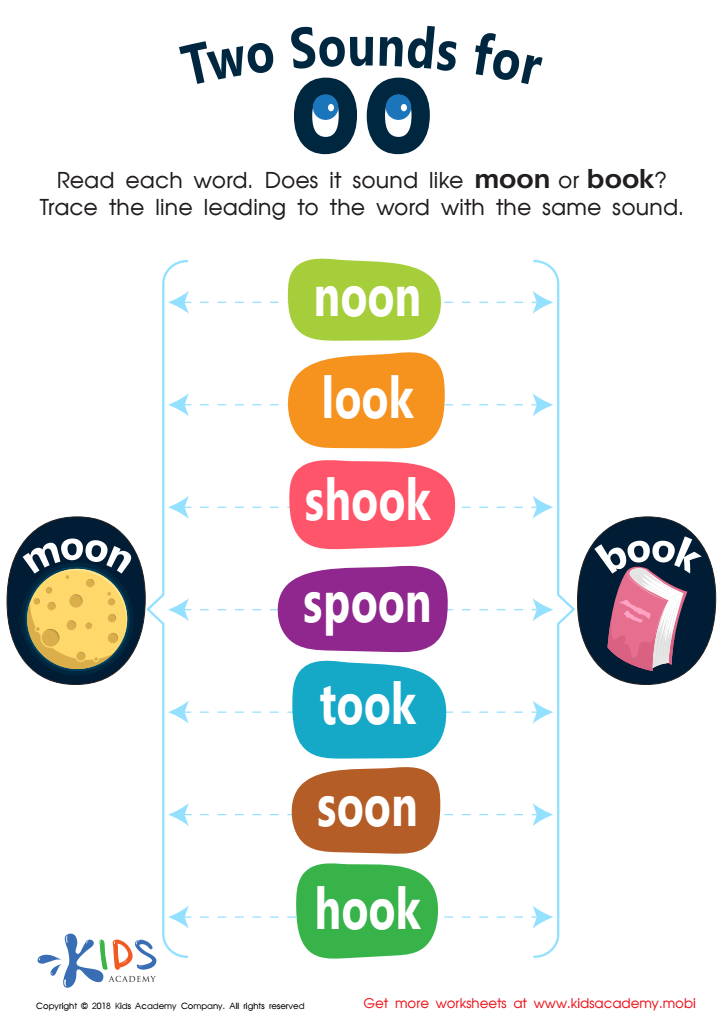
Two Sounds for OO Worksheet
This worksheet helps kids learn the different sounds of the -oo digraph. They match words based on whether they sound like moon or book, plus practice fine motor skills tracing lines. Fun and educational!
Two Sounds for OO Worksheet
Worksheet
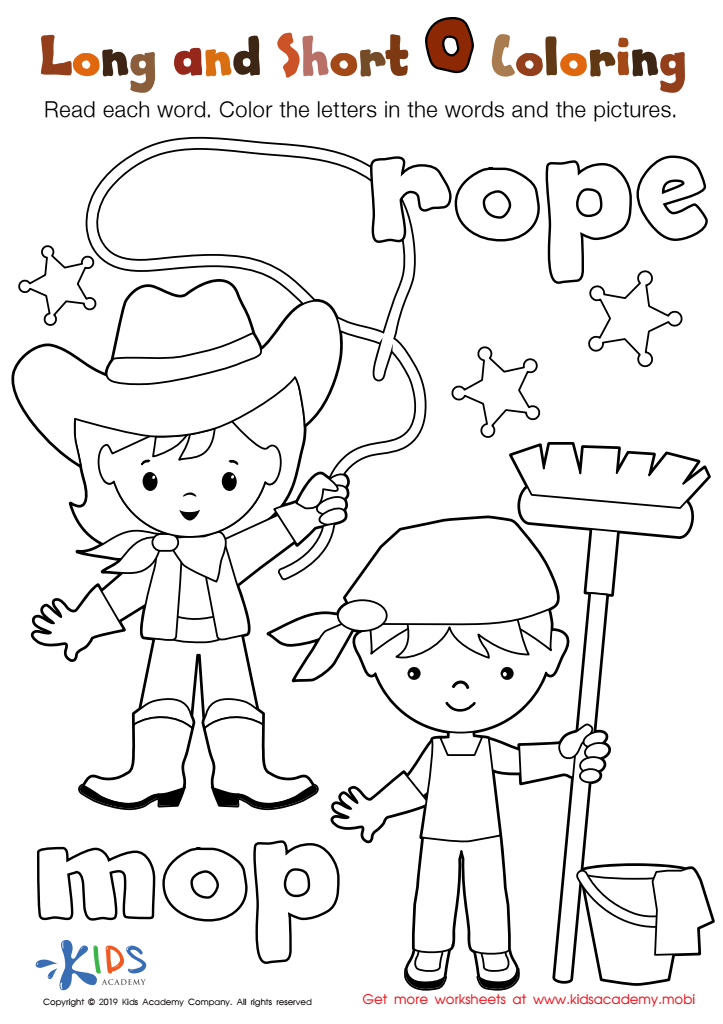
Long and Short O Worksheet
Help your students recognize the difference between long and short «Os» with this fun printout. Let them read and color-in "rope" and "mop" simultaneously. Listen to the different sounds, then color the words and pictures. Great for classes, it'll make your phonics lesson memorable and enjoyable.
Download (PDF)
Assign to My Students
Assign to My Students
Long and Short O Worksheet
Worksheet
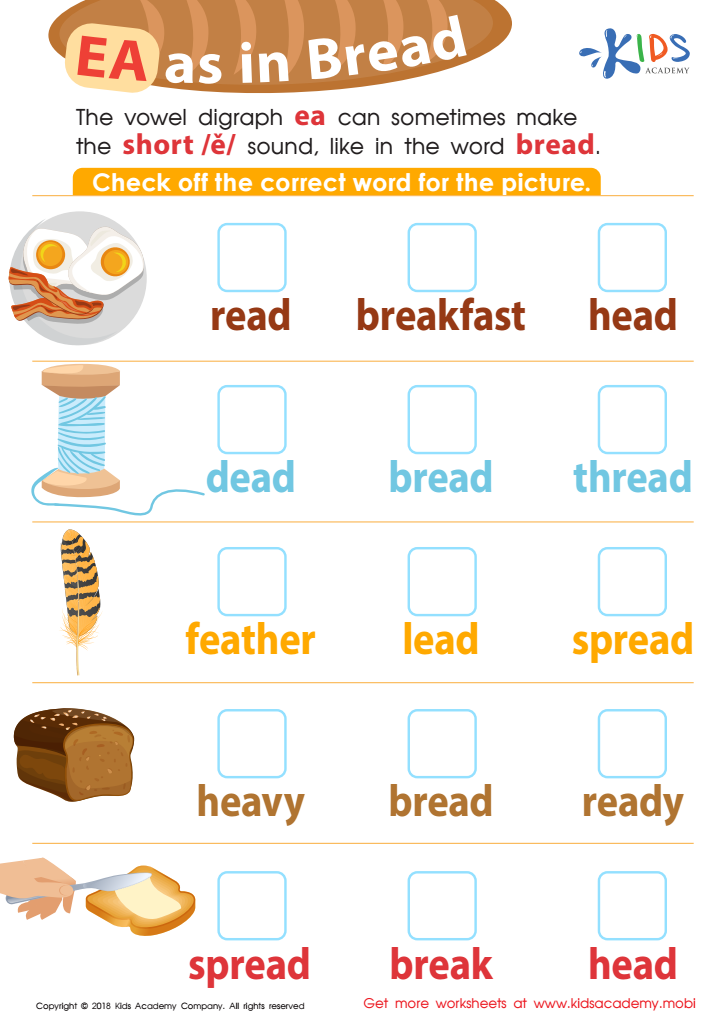
Reading: EA as in Bread Worksheet
The vowel digraph ea can be read in two ways. Examples of the long sound are "read" and "lead"; examples of the short sound are "bread" and "head". Ask your kids to give you more examples and then have them check off the correct word for the pictures on this worksheet. This will help them understand the ea sound.
Reading: EA as in Bread Worksheet
Worksheet
Join Kids Academy for Free
Who is primarily going to use this learning content?



Vocabulary expansion, especially concerning short vowels in Grade 2, plays a critical role in a child's early literacy development. Short vowels form the foundation of many words and are integral for young learners as they transition from phonics to forming coherent sentences. Understanding and mastering short vowels empower children to decode words, improving their reading fluency.
Parents and teachers should care because a robust vocabulary impacts overall academic success. Improved vocabulary leads to better comprehension skills, allowing children to grasp more complex concepts as they progress in their education. When children can recognize and articulate words with short vowels, they can express their thoughts more effectively and gain confidence in their communication skills.
Engaging with short vowel expansion also lays the groundwork for critical thinking and problem-solving. Children learn to connect words with similar patterns, enriching their linguistic awareness and enhancing their oral and written expression. Moreover, a strong vocabulary cultivates a love for reading, setting the stage for lifelong learning. Therefore, prioritize vocabulary expansion activities in classrooms and homes to foster a nurturing learning environment, ultimately guiding children toward becoming proficient readers and thoughtful communicators.