Vocabulary enhancement Grade 2 Vowel Diphthongs Worksheets
5 filtered results
-
From - To
Enhance your second grader's vocabulary with our engaging Vowel Diphthongs Worksheets! Designed specifically for Grade 2 students, these resources focus on improving phonetic skills through a fun and interactive approach. Each worksheet incorporates vowel diphthongs, helping kids recognize these combinations in words while expanding their vocabulary. Children will enjoy various exercises, including matching, fill-in-the-blanks, and word searches, all tailored to boost reading proficiency. By incorporating these worksheets into your child's study routine, you'll support their language development and reinforce essential phonics skills. Perfect for classroom use or homeschooling, our worksheets make learning enjoyable and effective!
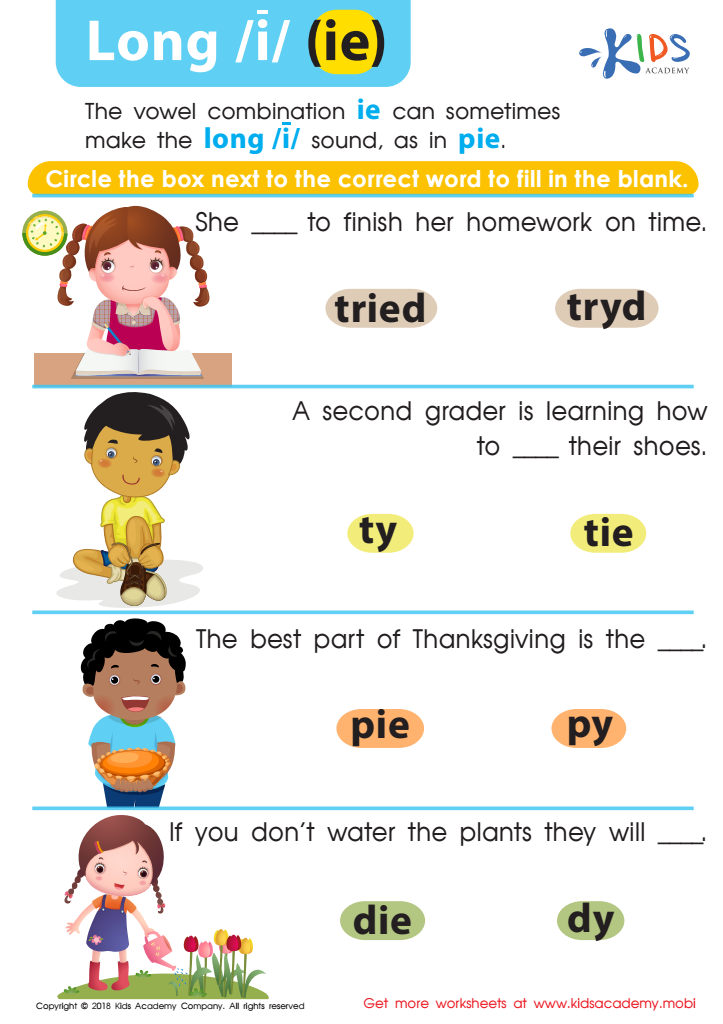
Reading: Long I and IE Worksheet
 Assign to My Students
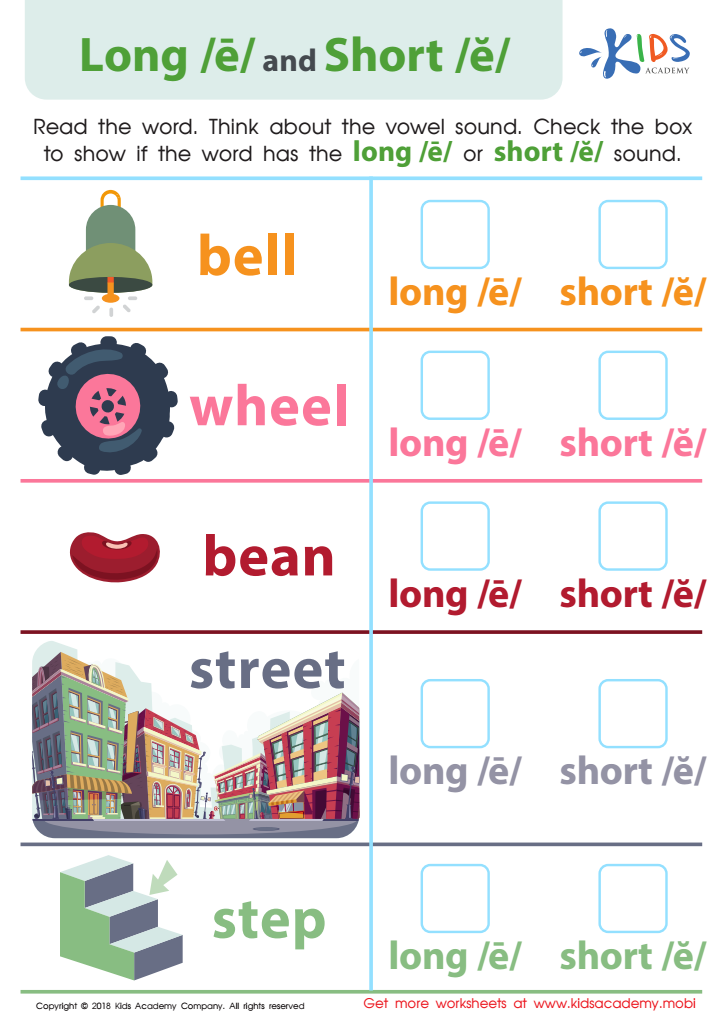
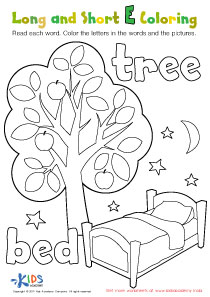
Reading: Long E and Short E Worksheet
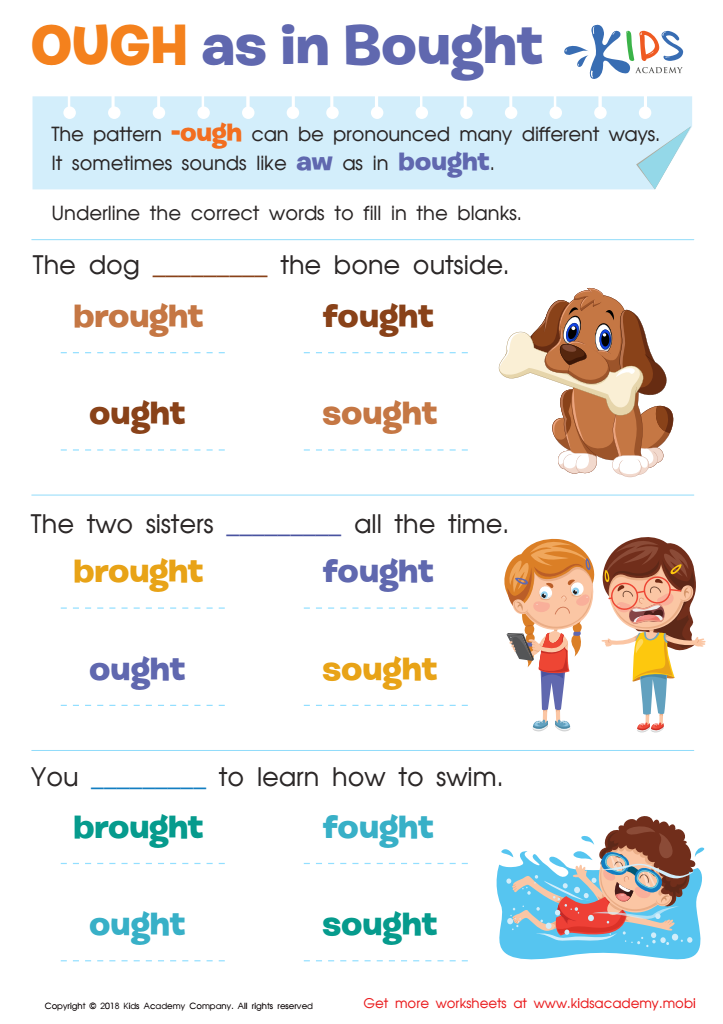
OUGH as in Bought Worksheet
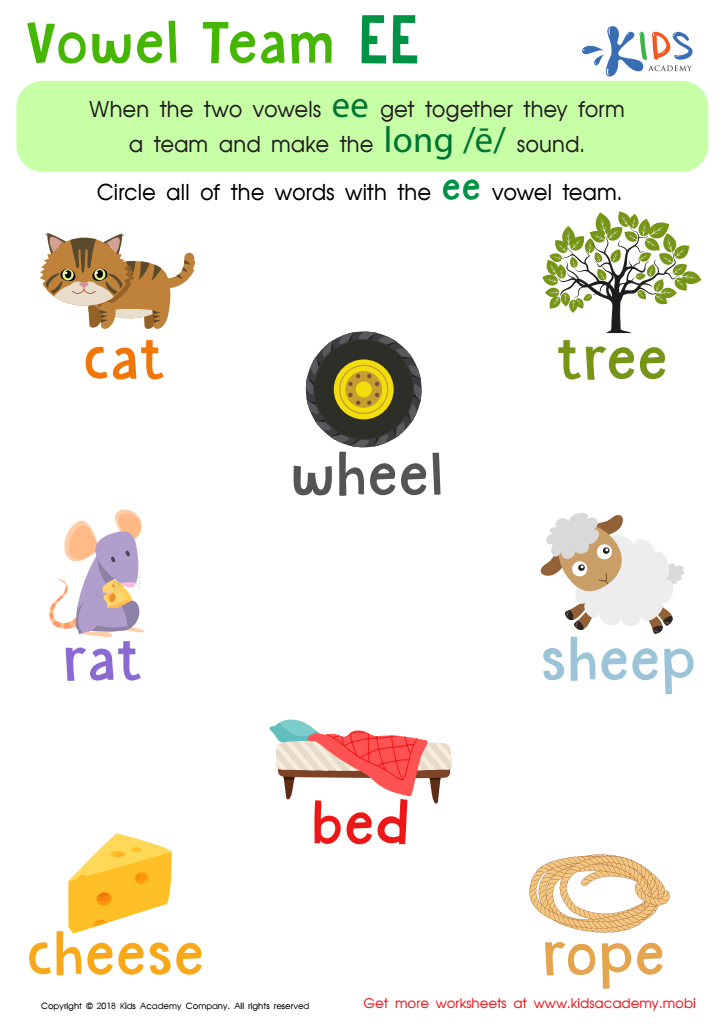
Reading: Vowel Team EE Worksheet
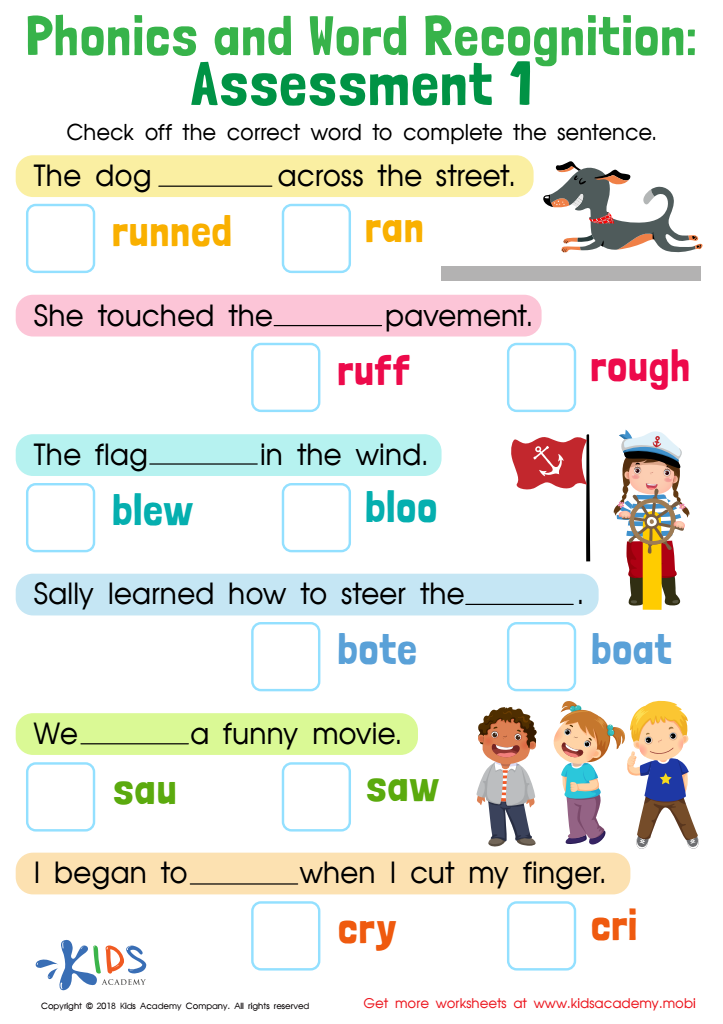
Phonics and Word Recognition: Assessment 1 Worksheet


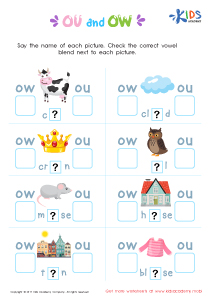
Vocabulary enhancement, particularly focusing on vowel diphthongs in Grade 2, is essential for several reasons. First, mastering diphthongs—combinations of vowel sounds within a single syllable (like "oy" in "toy" or "ow" in "how")—greatly enriches a child's vocabulary and pronunciation skills. This understanding helps students decode unfamiliar words, fostering their reading fluency and comprehension.
Second, a strong vocabulary foundation is linked to overall academic success. As children progress through grades, a robust vocabulary allows for better engagement with texts, facilitating improved writing and communication skills.
Additionally, studies show that early exposure to complex language constructs positively impacts cognitive development. By recognizing vowel diphthongs, students enhance their phonemic awareness—a critical skill for reading development.
Moreover, caregivers who emphasize vocabulary growth cultivate a lifelong love for learning and exploration in children, setting them up for future academic and professional opportunities.
In short, prioritizing vocabulary enhancement, particularly with vowel diphthongs, equips young learners with essential language tools, promotes confidence and curiosity, and supports their overall educational journey. Therefore, parents and teachers should be proactive in integrating engaging activities and lessons that highlight these important linguistic components in their curriculum.