Color Identification Grade 2 Animals Worksheets
4 filtered results
-
From - To
Discover our engaging "Color Identification Grade 2 Animals Worksheets" designed to enhance your child's color recognition skills while introducing them to fascinating animals. Perfect for second graders, these worksheets combine fun and education by allowing children to color vibrant animal illustrations. With activities curated to reinforce color vocabulary, boost fine motor skills, and spark a love for wildlife, our worksheets make learning enjoyable and effective. Whether used in the classroom or at home, these printables provide an interactive way to develop essential learning skills. Download now from Kids Academy and watch your child's knowledge and creativity flourish!
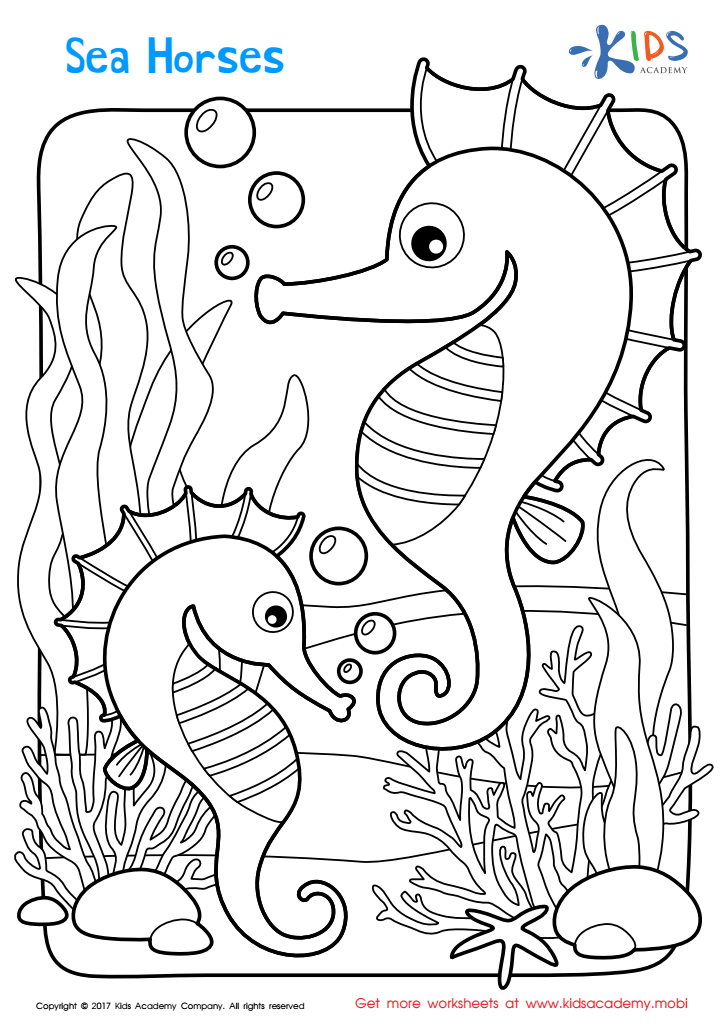
Sea Horses Printable
 Assign to My Students
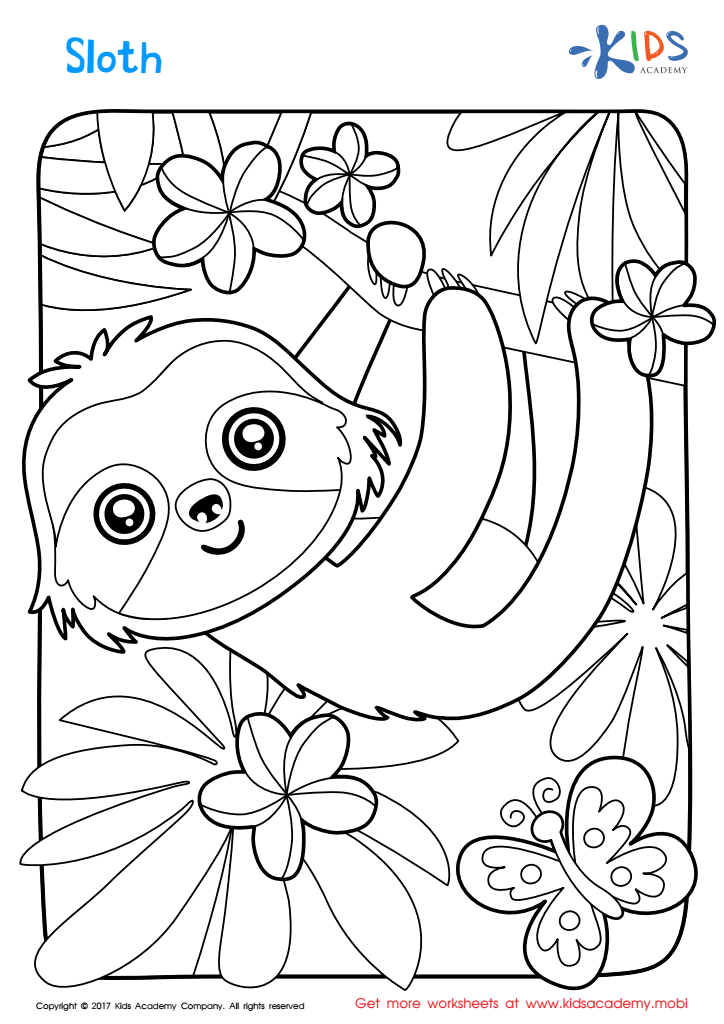
Sloth Worksheet
Assign to My Students
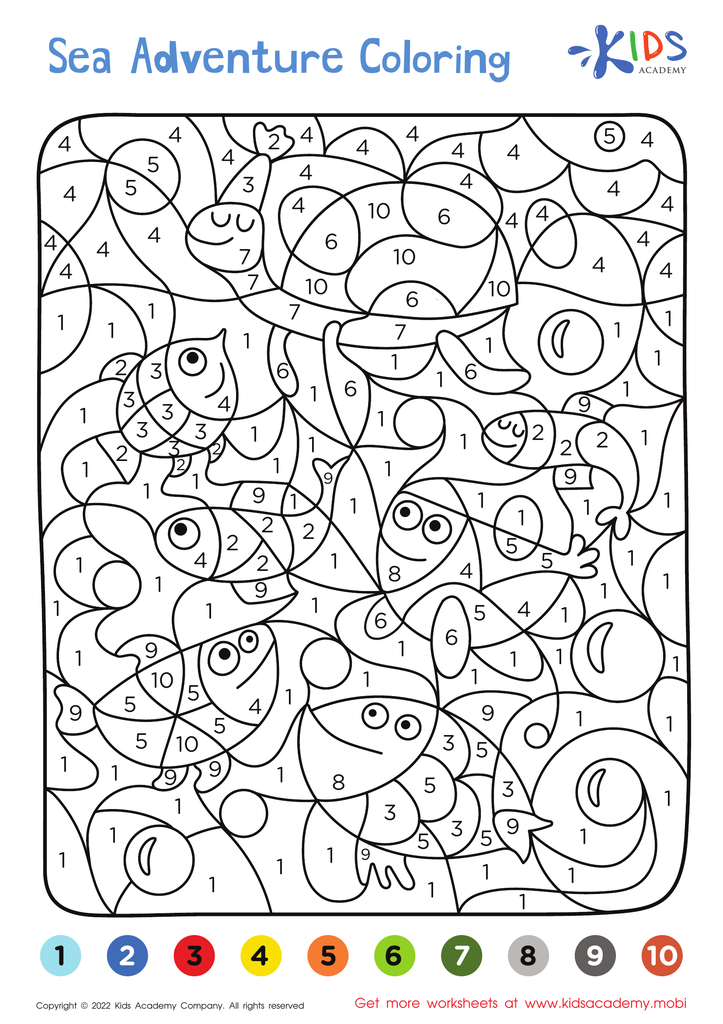
Sea Adventure – Coloring by Numbers
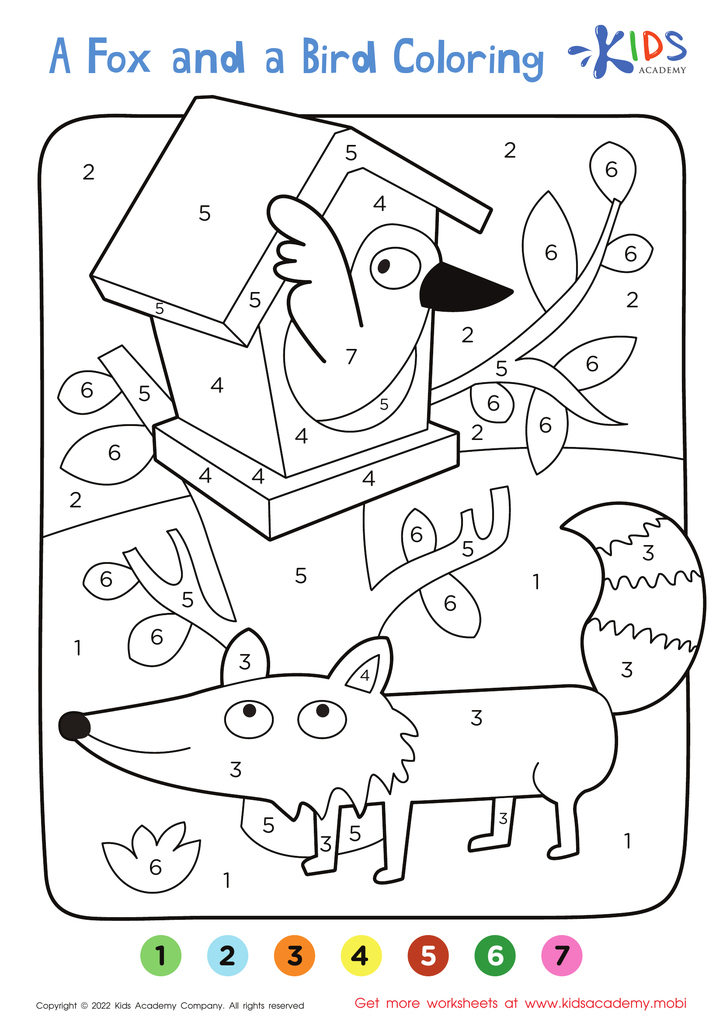
A Fox and a Bird – Coloring by Numbers



Color identification is a crucial aspect of early childhood education, particularly in activities like those featuring animals for 2nd graders. Parents and teachers should care about these activities for several key reasons:
Cognitive Development: At this age, children are honing their observational skills and ability to distinguish among visual details. Identifying colors helps them to categorize and describe objects accurately, which is fundamental for later academic learning.
Language Skills: Describing animals using colors expands children's vocabulary and oral communication skills. It enables them to articulate their thoughts more precisely, fostering better language development and literacy.
Attention to Detail: Noticing specific features like color encourages mindfulness and attention to details—skills beneficial in all areas of education, from reading to science.
Creativity and Imagination: Colorful, visually engaging activities stimulate creativity. By associating animals with colors, children are inspired to think imaginatively about the world around them.
Emotional Engagement: Children often feel more connected and excited about learning when it's visually appealing. Colorful animal activities can make learning more enjoyable, helping to foster a love of learning.
Cultural References: Understanding colors can also lead to discussions about diverse species and habitats, providing cultural and environmental awareness.
Engaging in activities that require color identification is not just about fun; it's a multifaceted approach to fostering critical developmental skills in young learners.