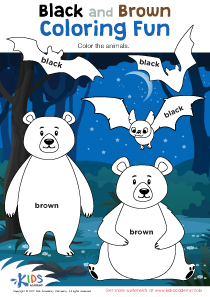
Letter Tracing Grade 2 English for Beginners Worksheets
6 filtered results
-
From - To
Discover our engaging "Letter Tracing Grade 2 English for Beginners Worksheets" designed to enhance young learners' writing skills. Tailored specifically for second graders, these worksheets provide a fun and interactive way to practice letter formation through tracing activities. Each worksheet offers clear and colorful letters, helping students develop their handwriting, fine motor skills, and letter recognition essential for early literacy. Ideal for both classroom and home use, our resources make learning enjoyable. Encourage children to build confidence in their writing abilities while mastering the English alphabet. Explore our collection and support your child's educational journey today!
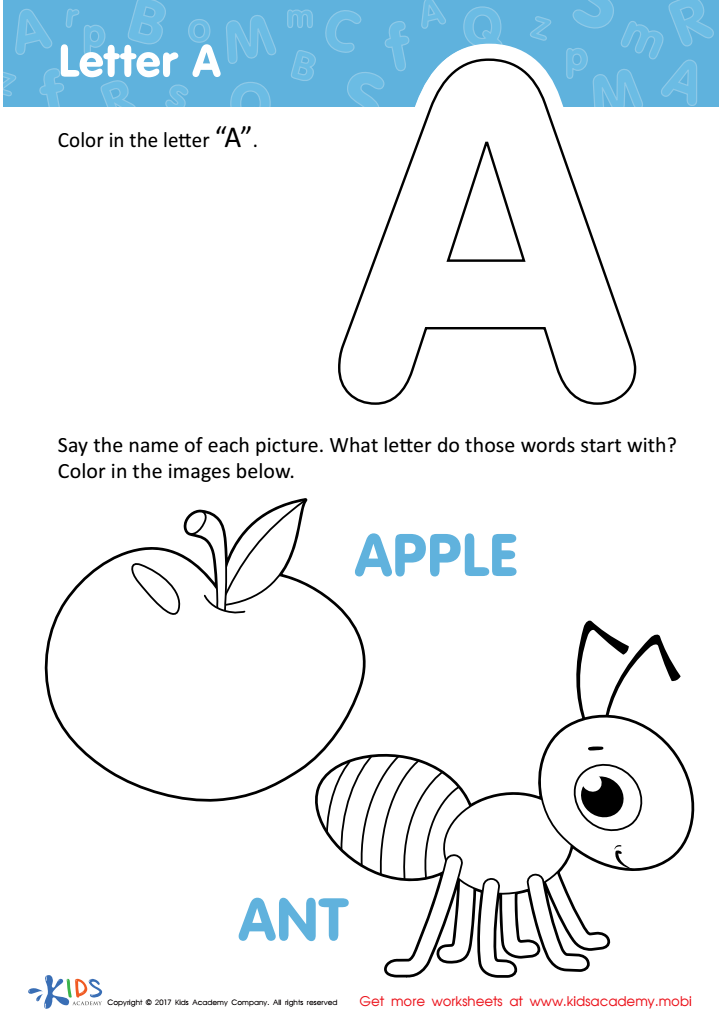
Letter A Coloring Sheet
 Assign to My Students
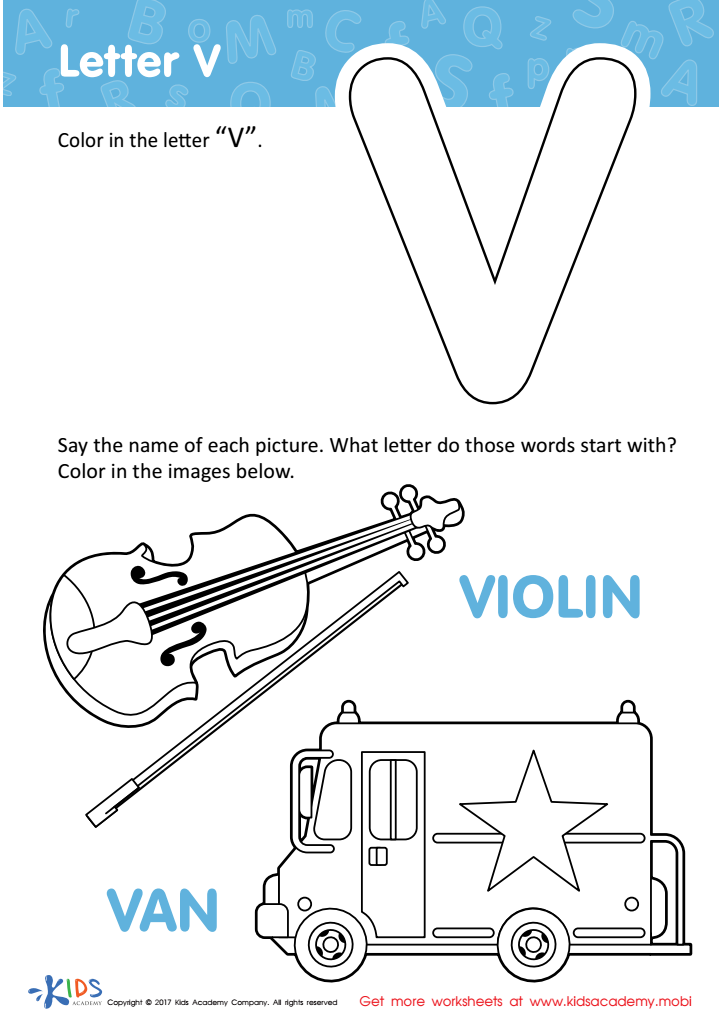
Letter V Coloring Sheet
Assign to My Students
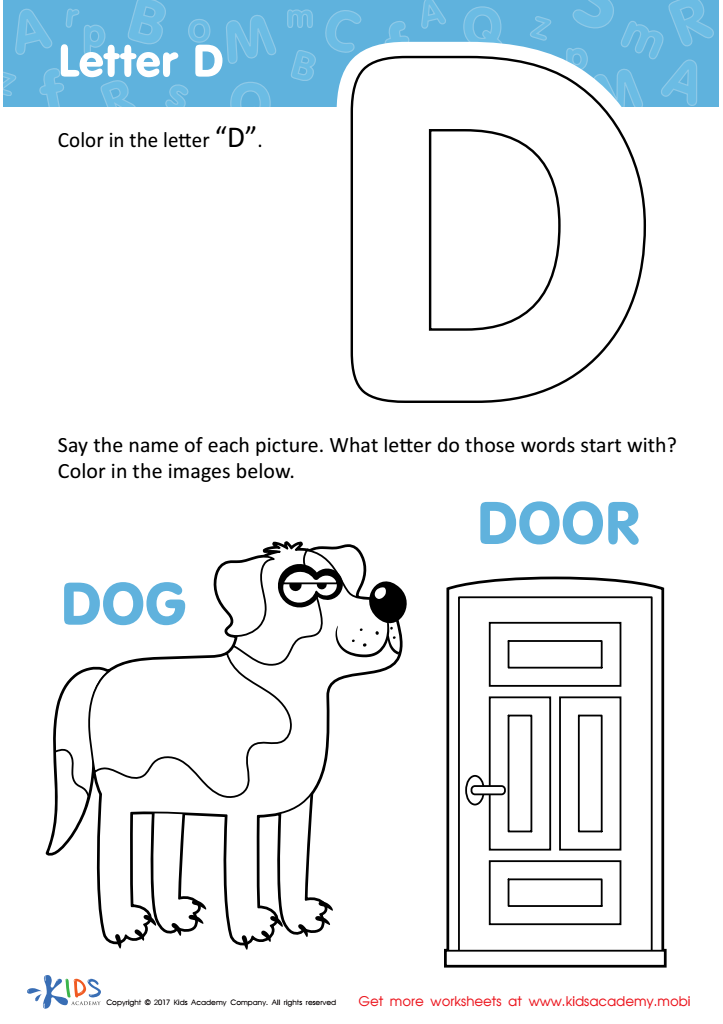
Letter D Coloring Sheet
Assign to My Students

Letter O Coloring Sheet
Assign to My Students
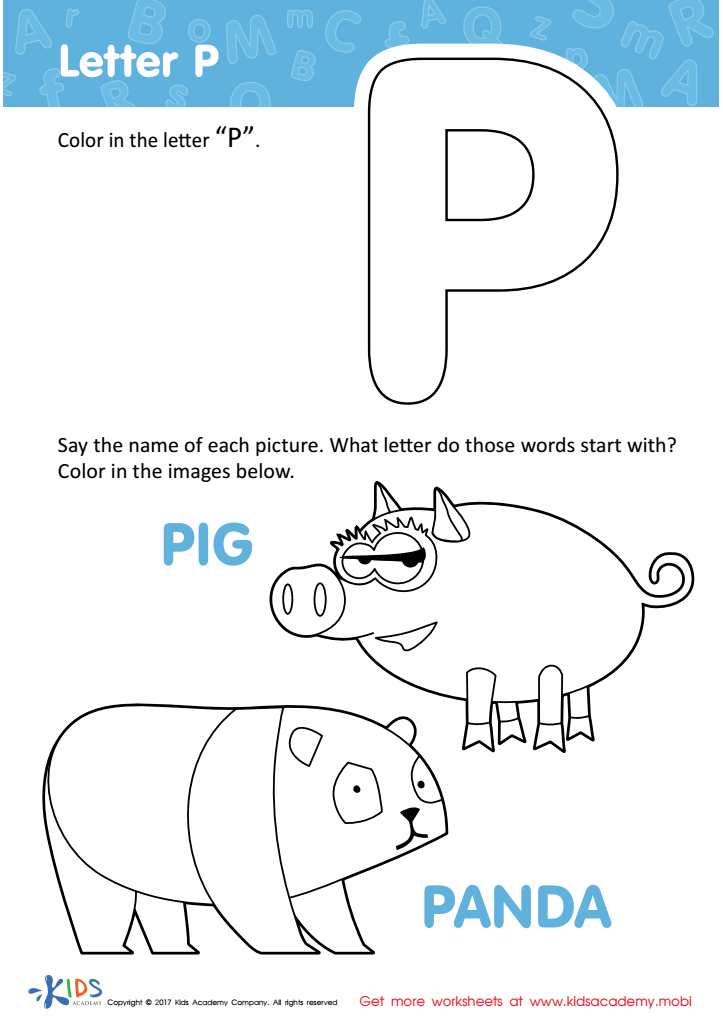
Letter P Coloring Sheet
Assign to My Students
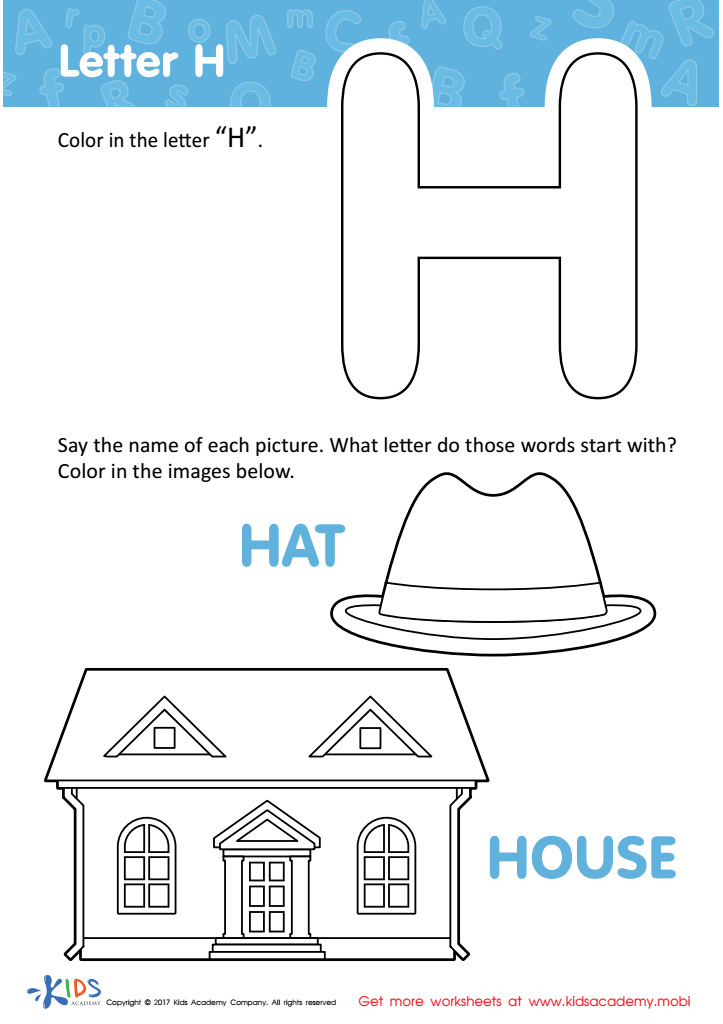
Letter H Coloring Sheet
Assign to My Students


Letter tracing is a crucial activity in Grade 2 English for several reasons that parents and teachers should recognize. Firstly, it enhances fine motor skills, allowing young learners to develop the hand-eye coordination necessary for writing and other tasks. As children practice tracing letters, they also learn the correct formation of each character, laying a solid foundation for cursive and legible handwriting.
Moreover, letter tracing reinforces phonemic awareness and letter-sound associations, critical components of early literacy development. As children trace letters, they can simultaneously verbalize the sounds associated with each one, enhancing their reading and writing skills. This multisensory approach caters to diverse learning styles, making it more accessible and engaging for beginners.
Encouraging children to trace can also boost their confidence in writing, as they gain familiarity with letter shapes and pencil grip. This confidence translates into a more positive attitude toward writing tasks in general. Lastly, tracing activities can be personalized, allowing children to practice their names or words of interest, which fosters a sense of ownership and relevance in their learning. In summary, letter tracing is not merely writing practice; it is fundamental to children's cognitive and linguistic development.