Writing practice Grade 2 English for Beginners Worksheets
13 filtered results
-
From - To
Enhance your child's writing skills with our "Writing Practice Grade 2 English for Beginners Worksheets." Tailored for young learners, these engaging worksheets focus on foundational writing techniques, including sentence structure, grammar, and vocabulary expansion. Perfect for second graders and ESL students, our dynamic activities promote creativity and boost confidence in a fun, supportive environment. Each worksheet is designed to build essential writing skills through guided exercises, tracing, and interactive prompts. Ideal for classroom or at-home practice, our resources cultivate a love for writing and pave the way for academic success. Explore our vast collection to give your child a head start in writing!
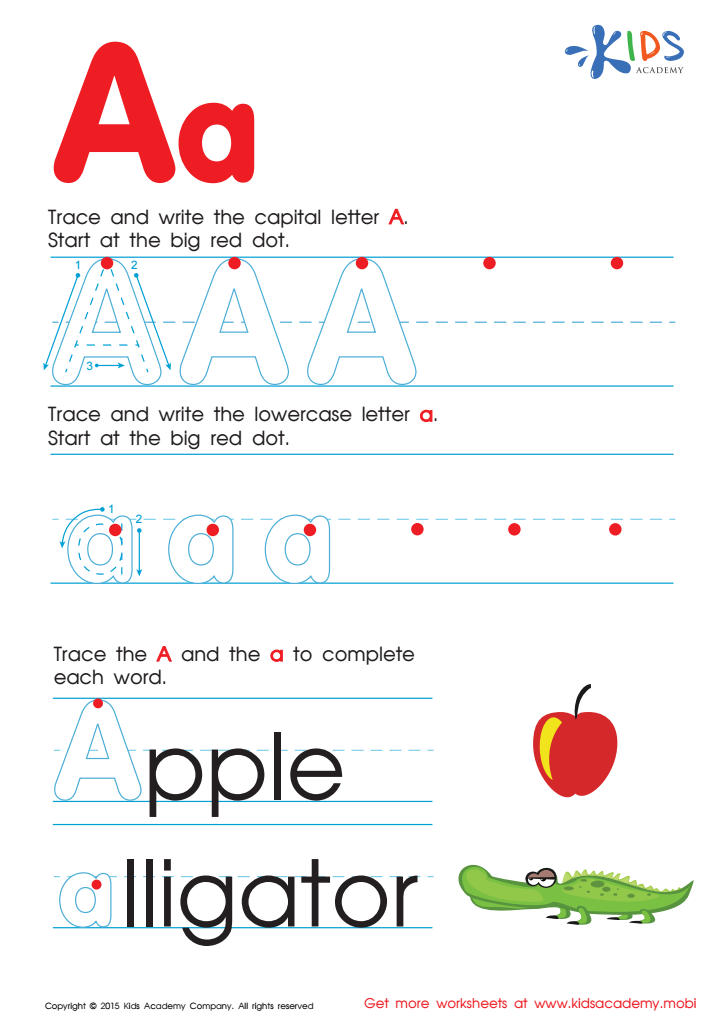
Letter A Tracing Page
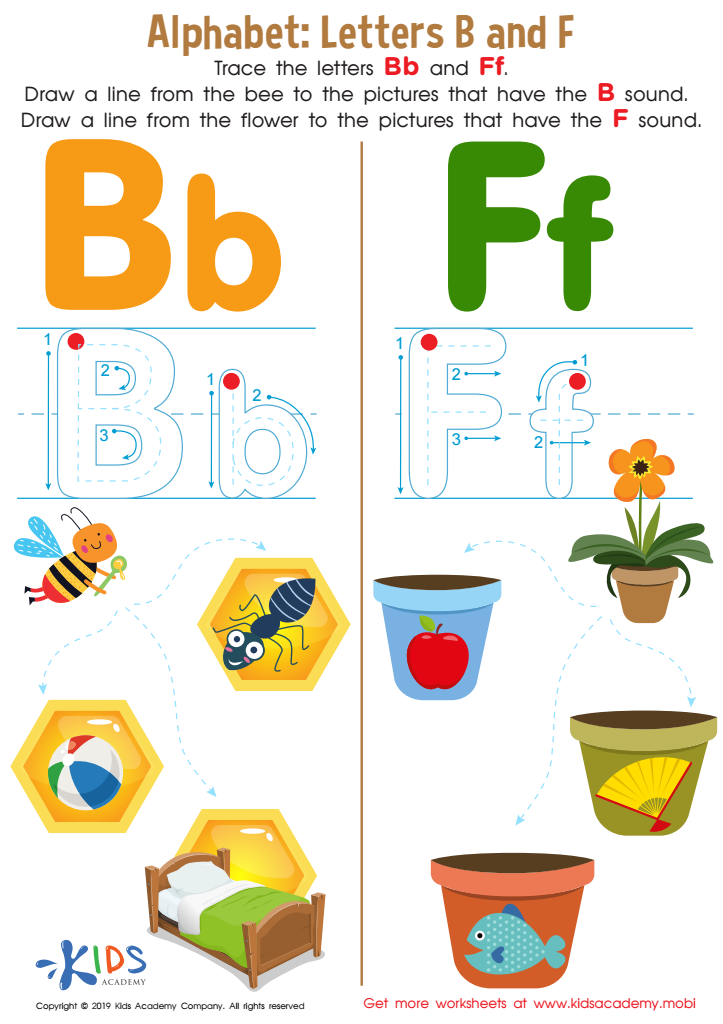
Letters B and F Tracing Worksheet
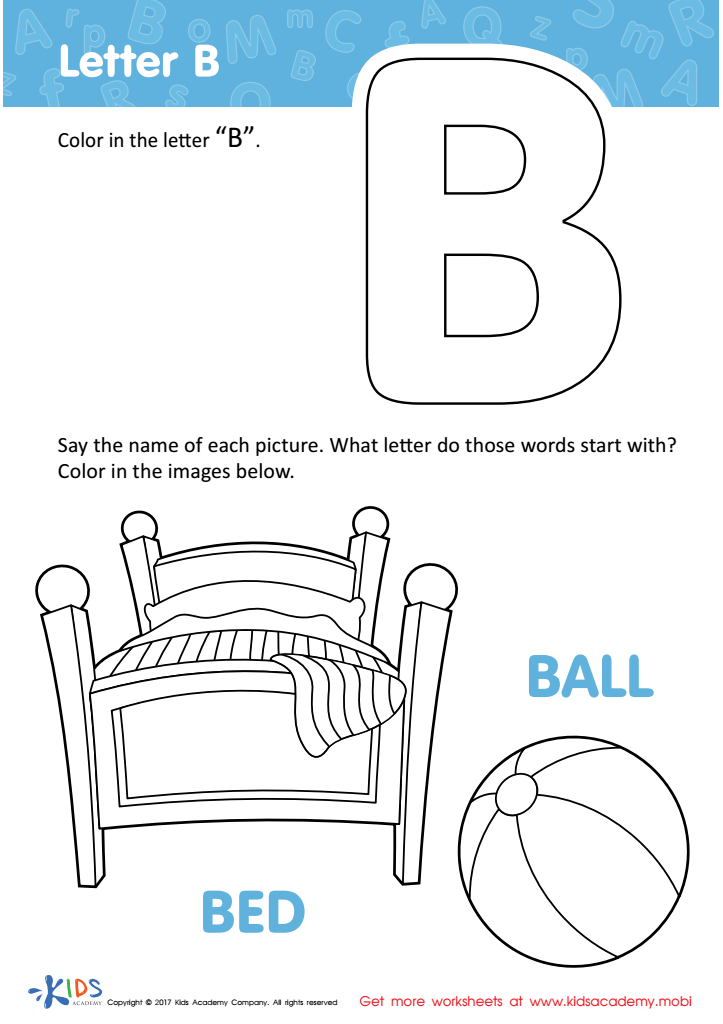
Letter B Coloring Sheet
 Assign to My Students
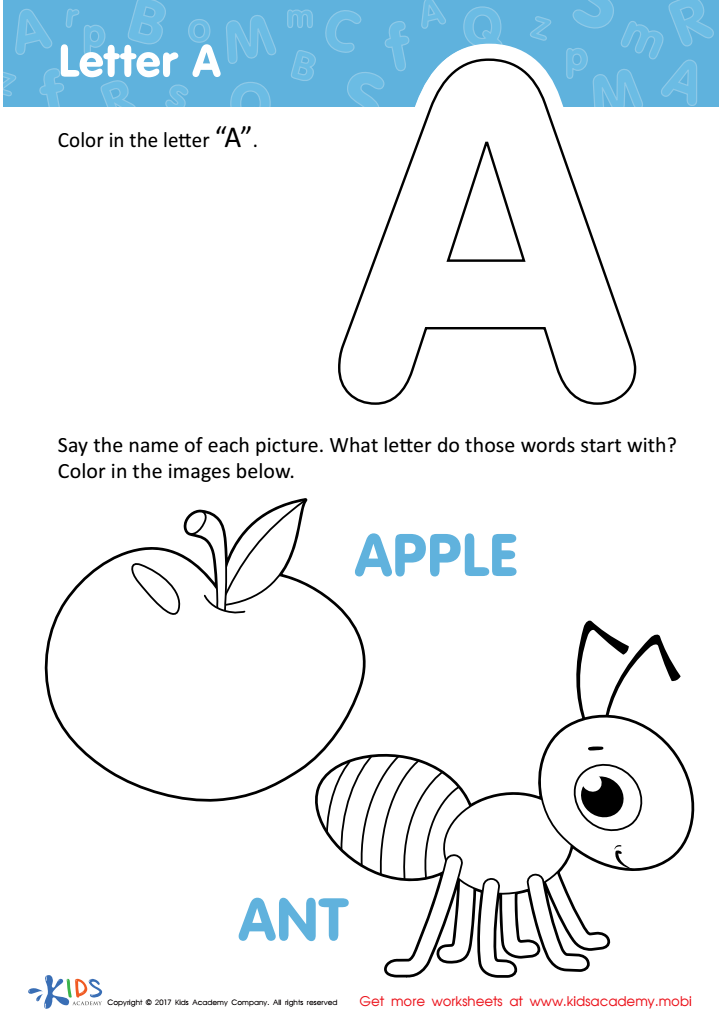
Letter A Coloring Sheet
Assign to My Students

Letter H Tracing Page
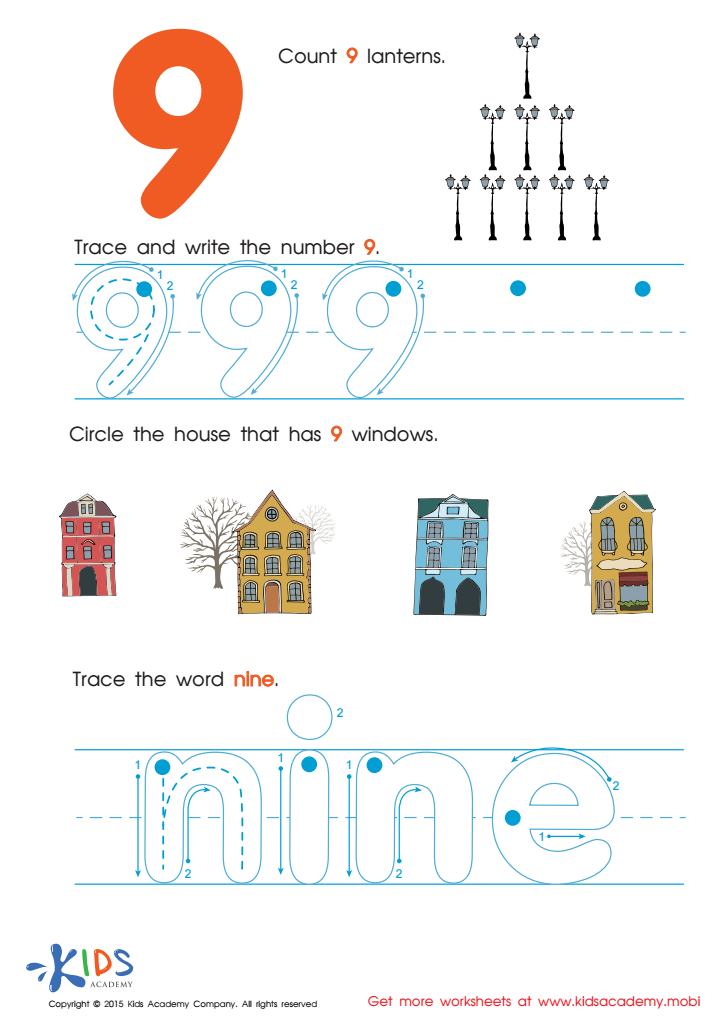
Tracing And Learning to Write Number 9 Worksheet
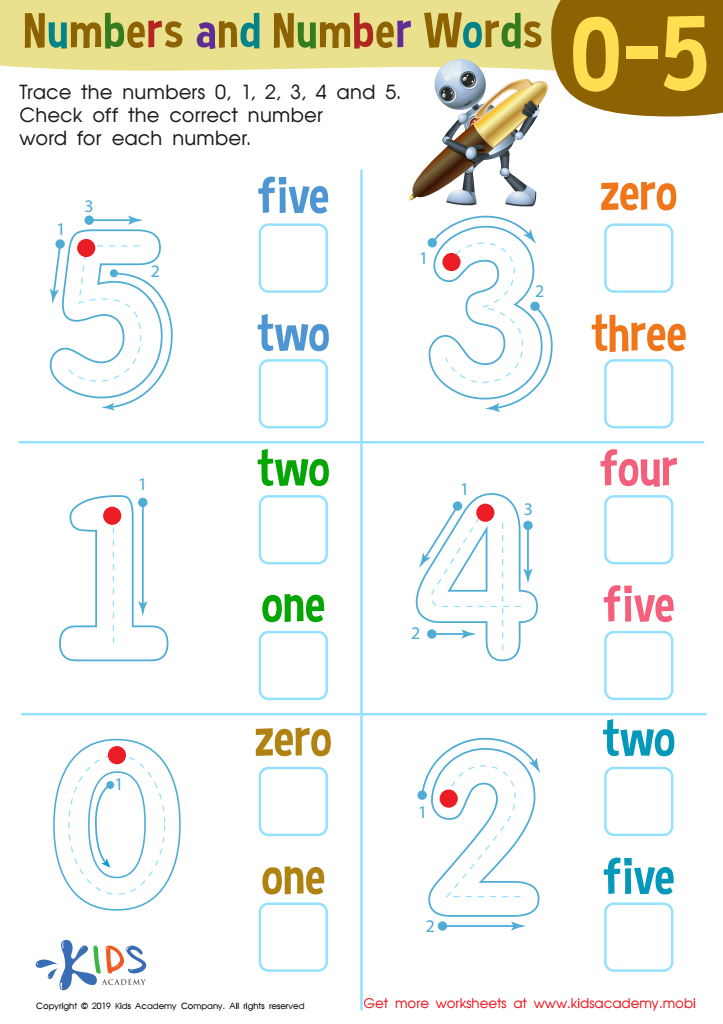
Numbers and Number Words Worksheet
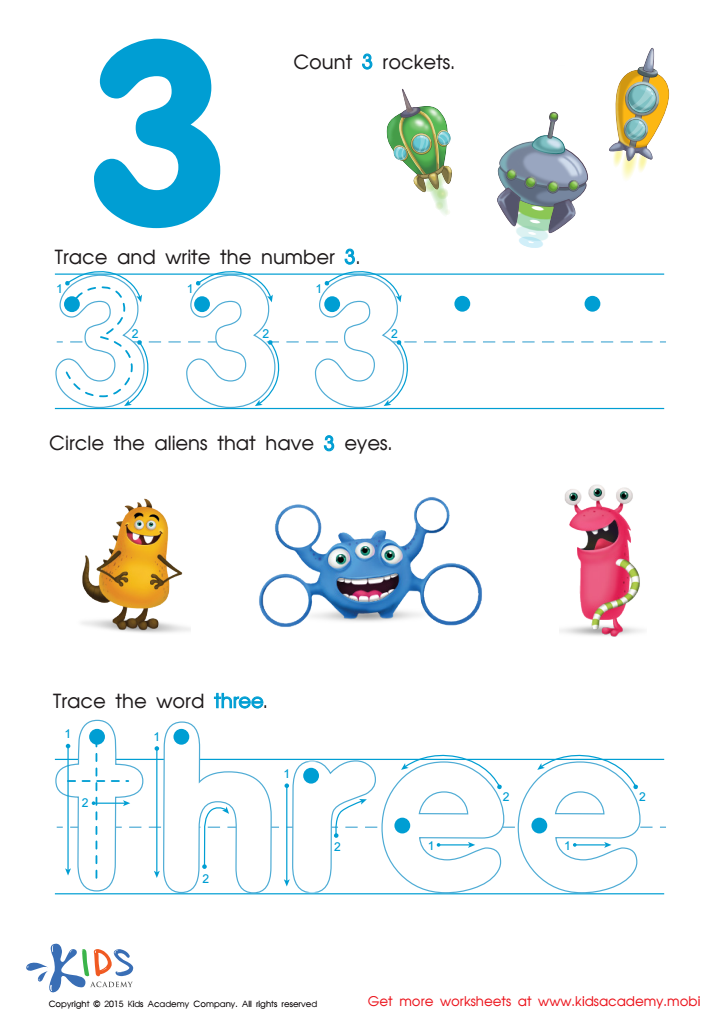
Learning Number Three Worksheet
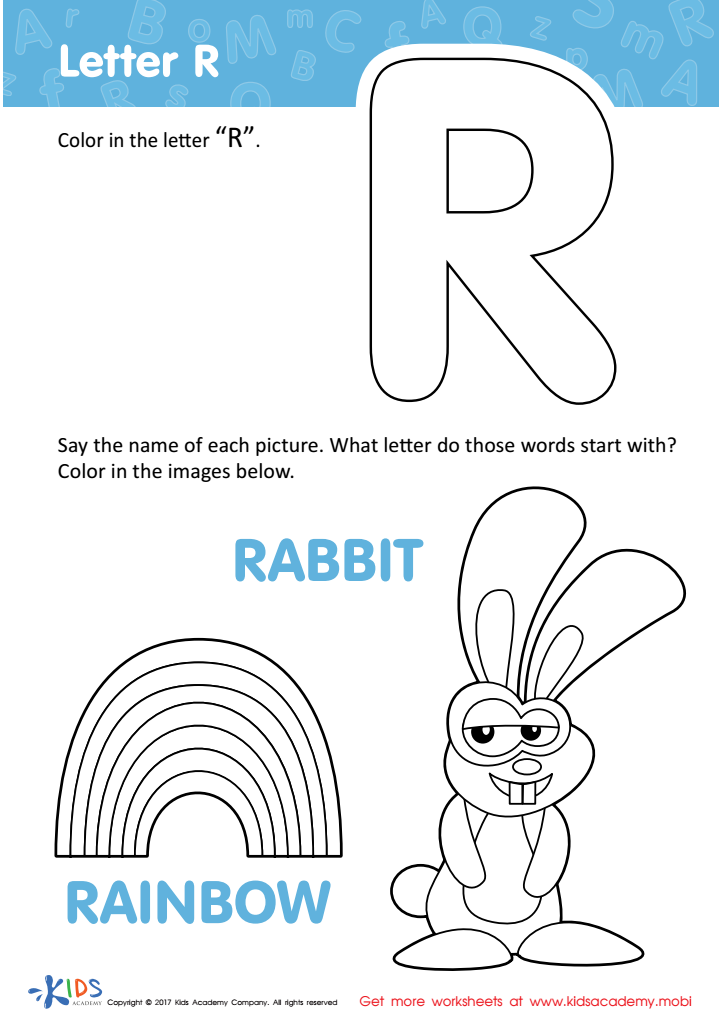
Letter R Coloring Sheet
Assign to My Students
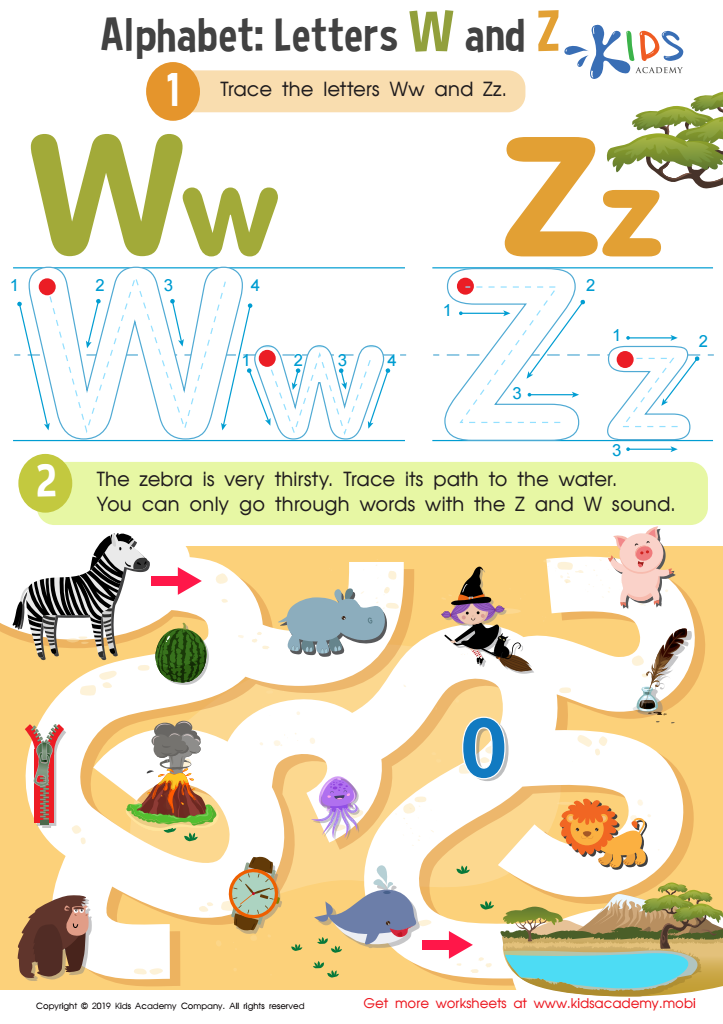
Letters W and Z Tracing Worksheet
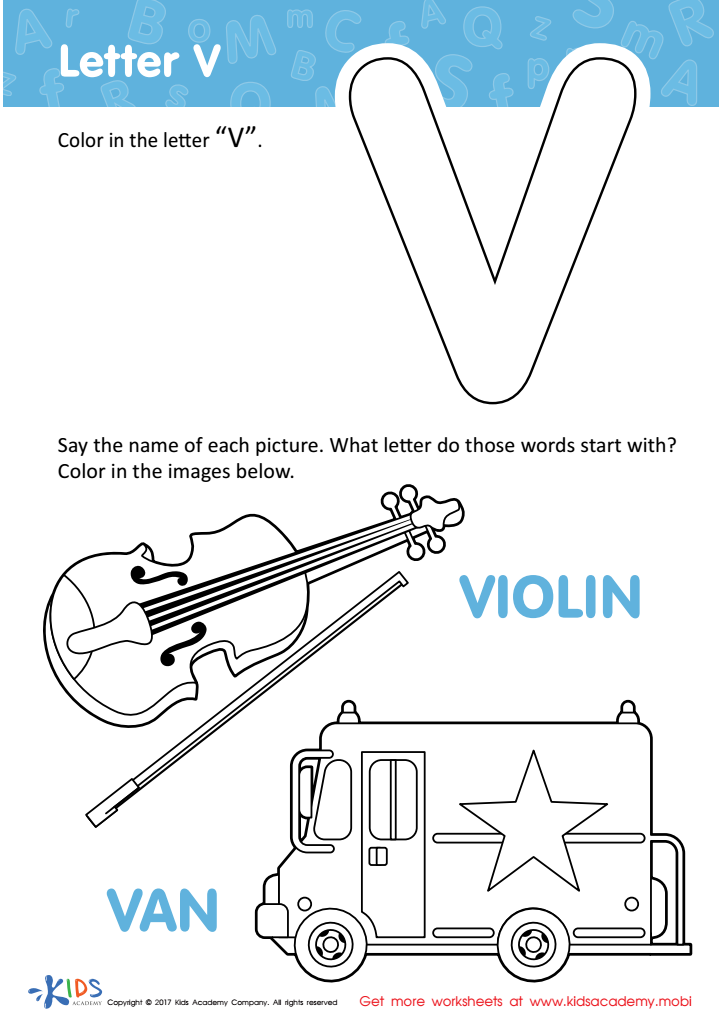
Letter V Coloring Sheet
Assign to My Students
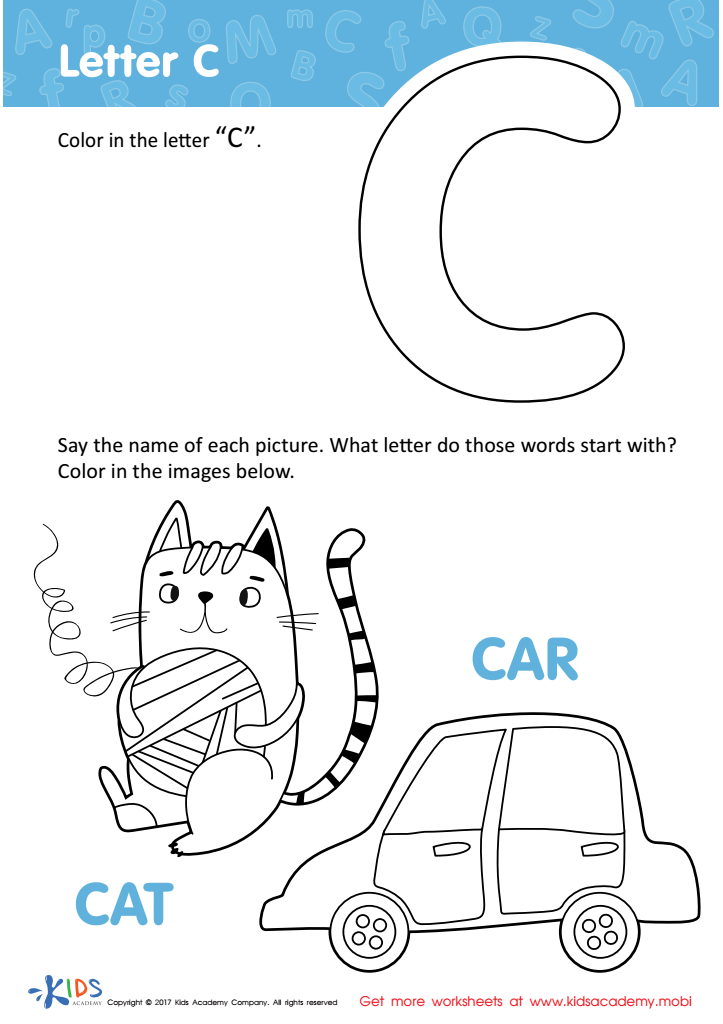
Letter C Coloring Sheet
Assign to My Students
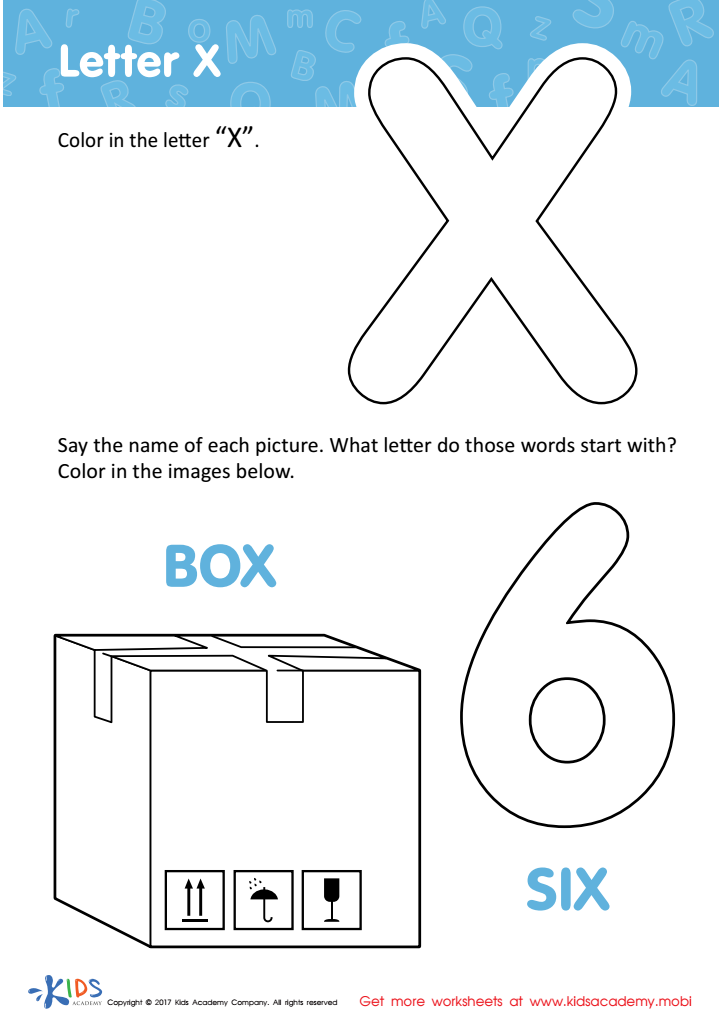
Letter X Coloring Sheet
Assign to My Students


Writing practice is crucial for Grade 2 English beginners, as it builds a strong foundation for future academic success and effective communication. First and foremost, writing enhances children’s ability to express their thoughts, ideas, and emotions clearly. This is instrumental in helping them articulate needs, ask questions, and engage socially with peers and adults.
Furthermore, writing activities promote fine motor skills, both necessary for legible handwriting and important overall in physical coordination. It also plays a critical role in the development of cognitive skills; children learn how to structure their thoughts, which increases their problem-solving abilities and critical thinking.
In addition to cognitive and motor benefits, consistent writing practice helps students internalize foundational English language principles such as grammar, punctuation, and spelling. This comprehensive understanding aids in reading proficiency, boosting their ability to understand and interpret text.
Moreover, writing provides a creative outlet, giving children the opportunity to explore their imaginations and express individuality. This can build self-esteem and confidence as they learn to share their ideas.
For parents and teachers, investing time in writing practice is essential in shaping well-rounded, proficient, and confident young learners equipped to face more intricate educational challenges ahead. Without this foundational skill, children might struggle with advanced literacy and communication needs in later grades.