Fraction simplification Grade 2 Worksheets - Page 2
61 filtered results
-
From - To
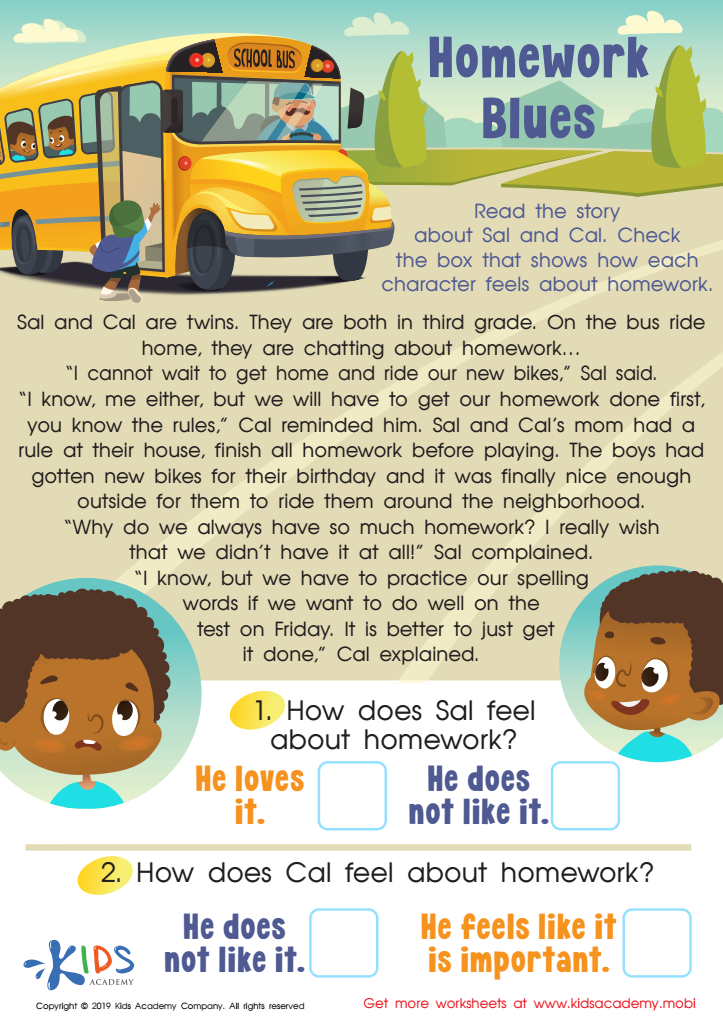
Homework Blues Worksheet
 Assign to My Students
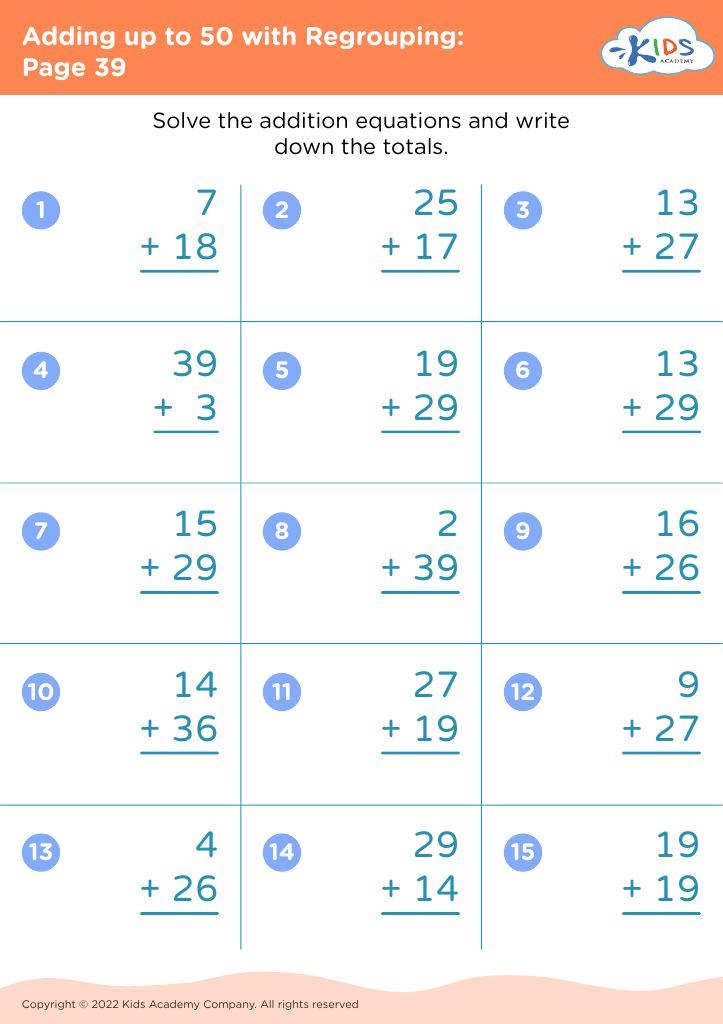
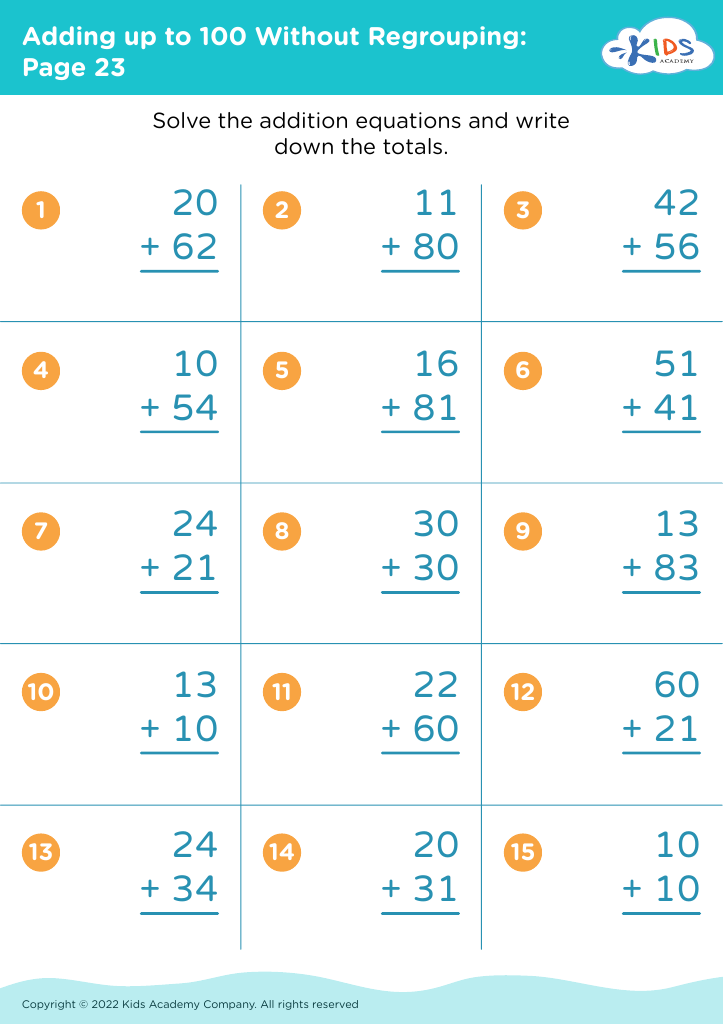








Understanding fraction simplification is crucial for Grade 2 students, setting a solid foundation for future math concepts. Parents and teachers should care about this topic because it aids in developing critical thinking and problem-solving skills that extend beyond mathematics. Simplifying fractions introduces children to essential concepts such as equivalency and number relationships, helping them understand how different fractions can represent the same value.
When young learners grasp the idea of simplifying fractions, they become more proficient in recognizing patterns and working with numerical concepts, enhancing their overall mathematical confidence. This foundational skill promotes a deeper understanding of mathematics, preparing students for more advanced topics in later grades.
Moreover, learning to simplify fractions can make complex problems more manageable, fostering a sense of accomplishment and reducing math-related anxiety. Engaging with fractions through creative activities—like visual aids or real-world applications—makes learning enjoyable and relatable.
Parents and teachers can further support this learning process by incorporating playful strategies and discussions that resonate with students’ experiences, ensuring that they grasp this important skill effectively. By paying attention to fraction simplification, adults can inspire a love of math and a solid groundwork for future learning.