Improve math skills Grade 2 Worksheets
18 filtered results
Difficulty Level
Grade
Age
-
From - To
Subject
Activity
Standards
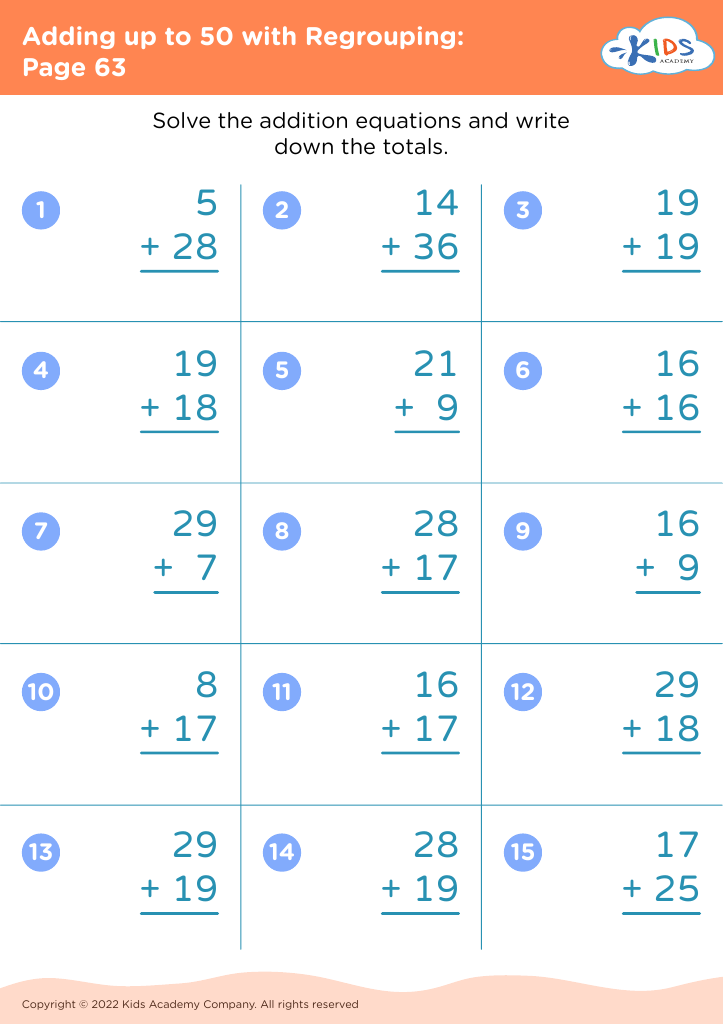
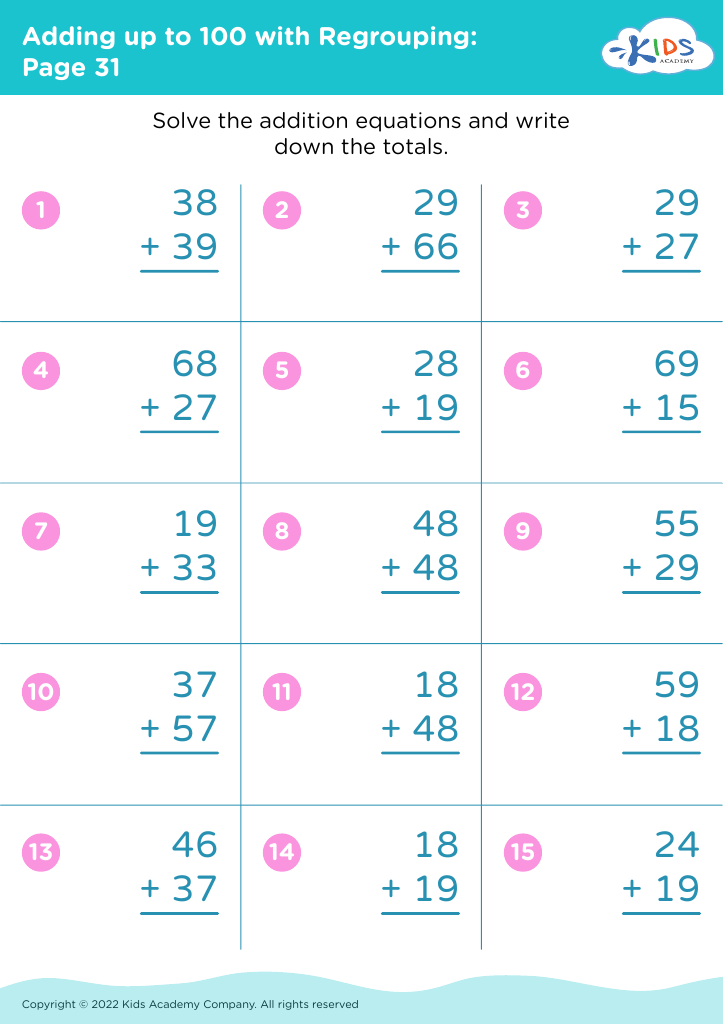
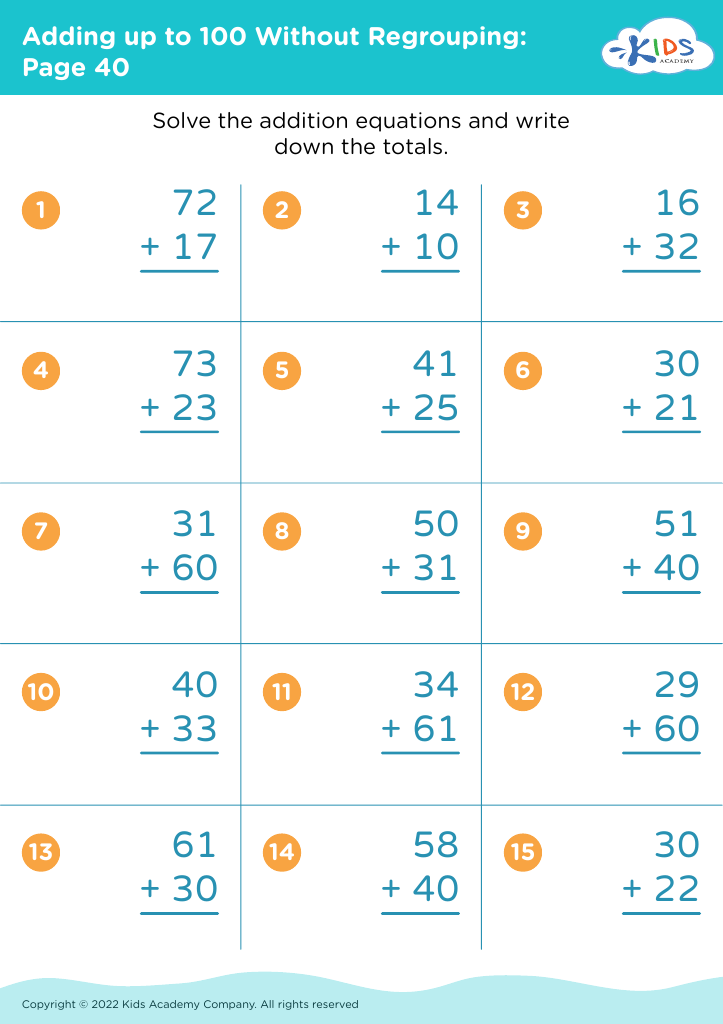
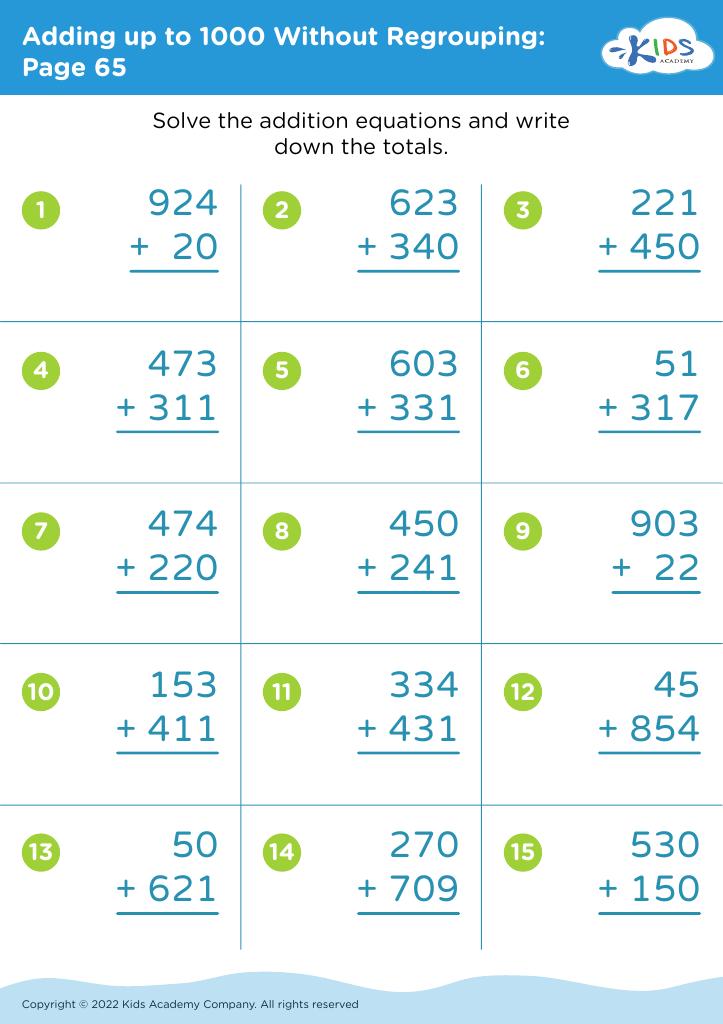
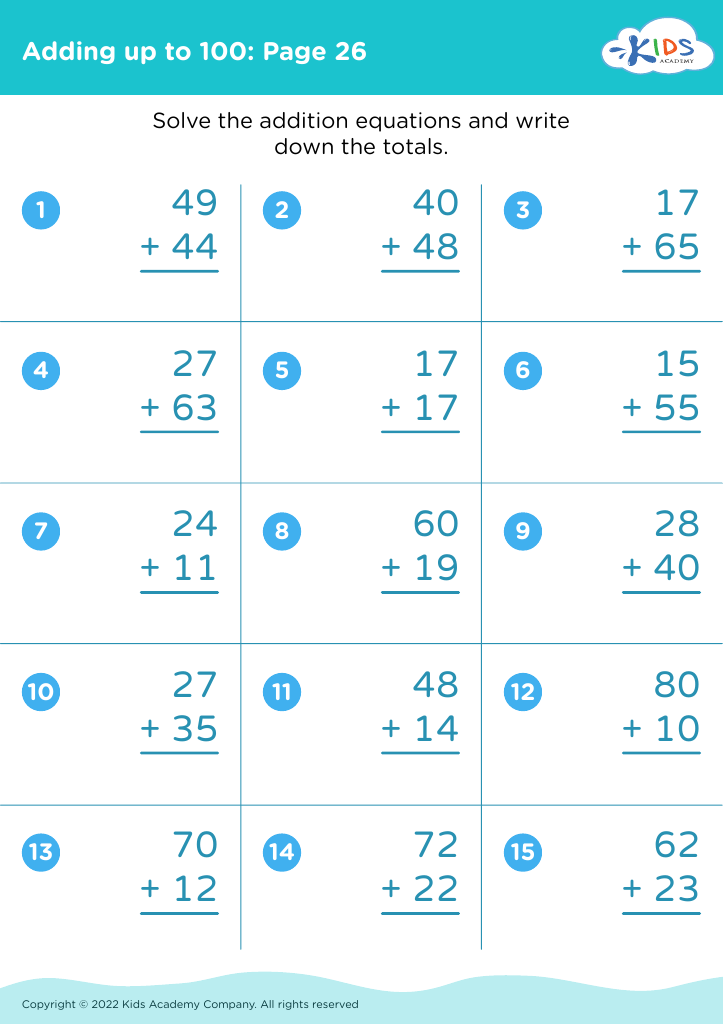
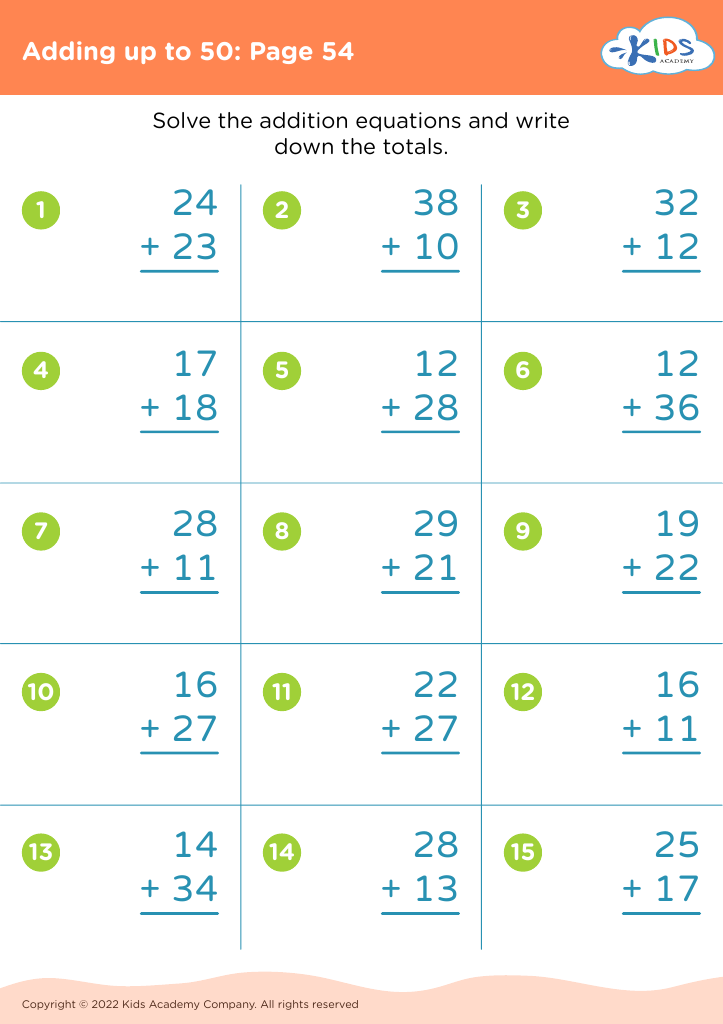
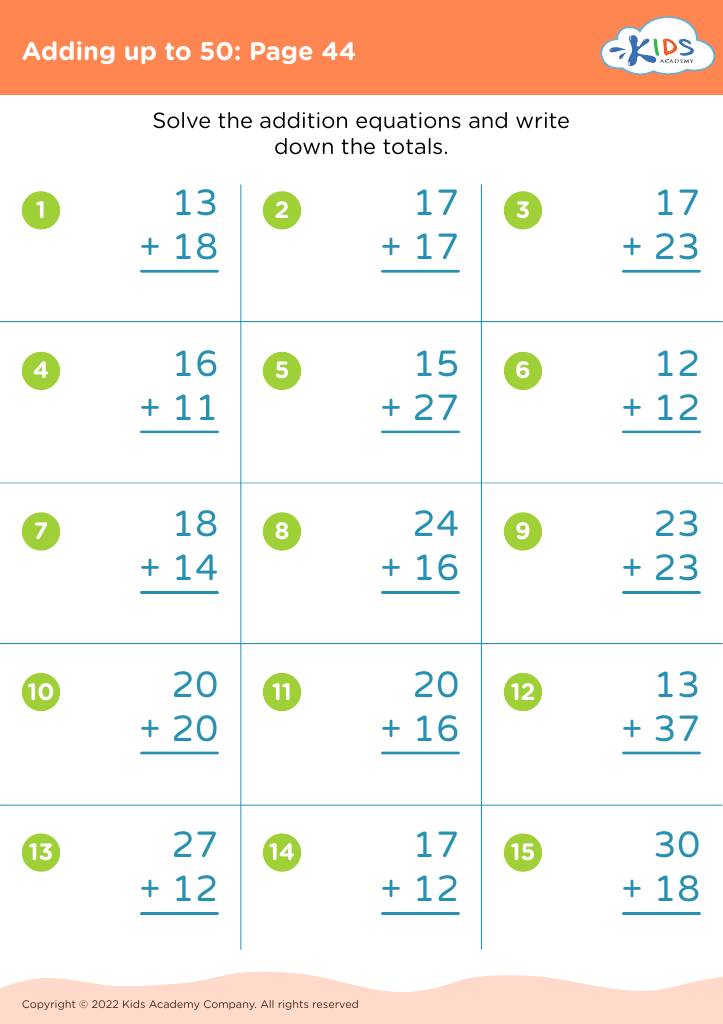
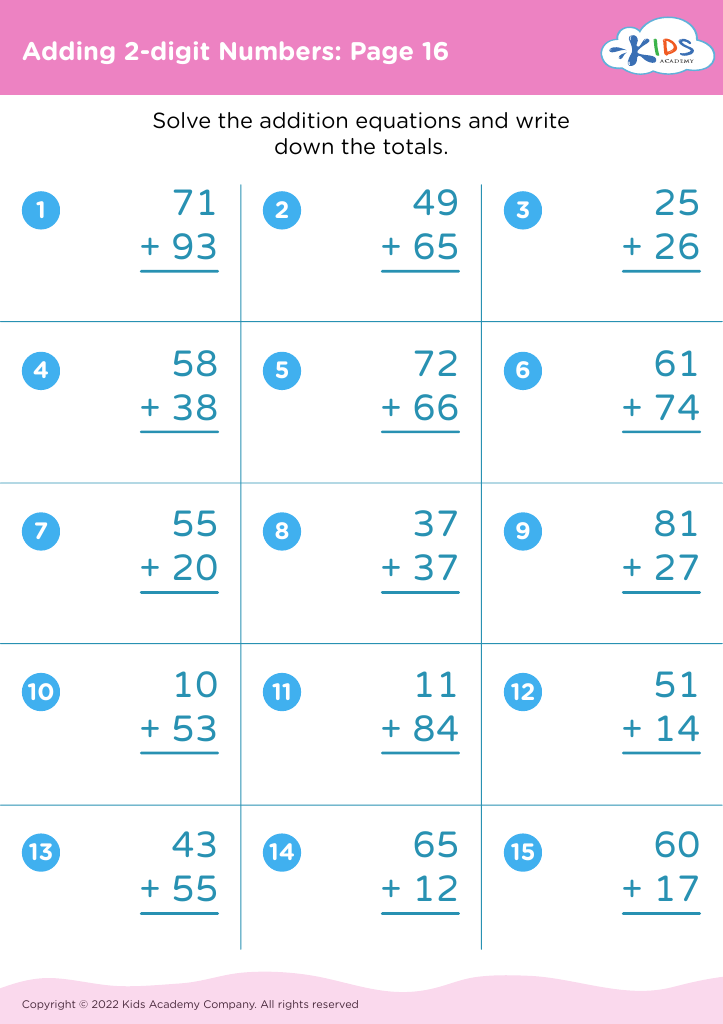
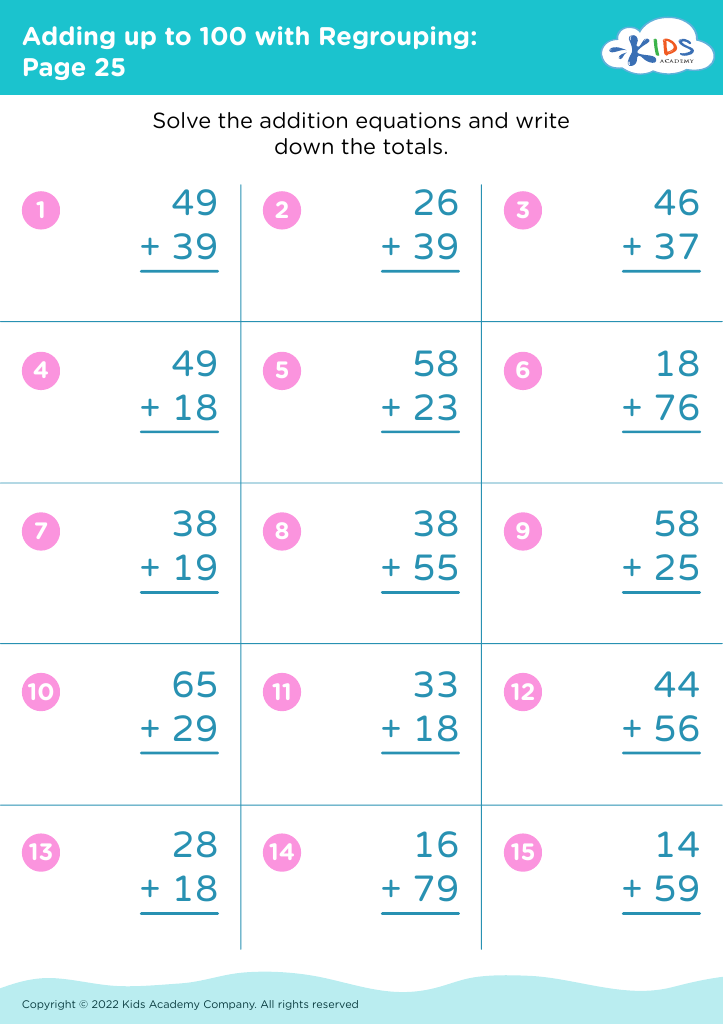
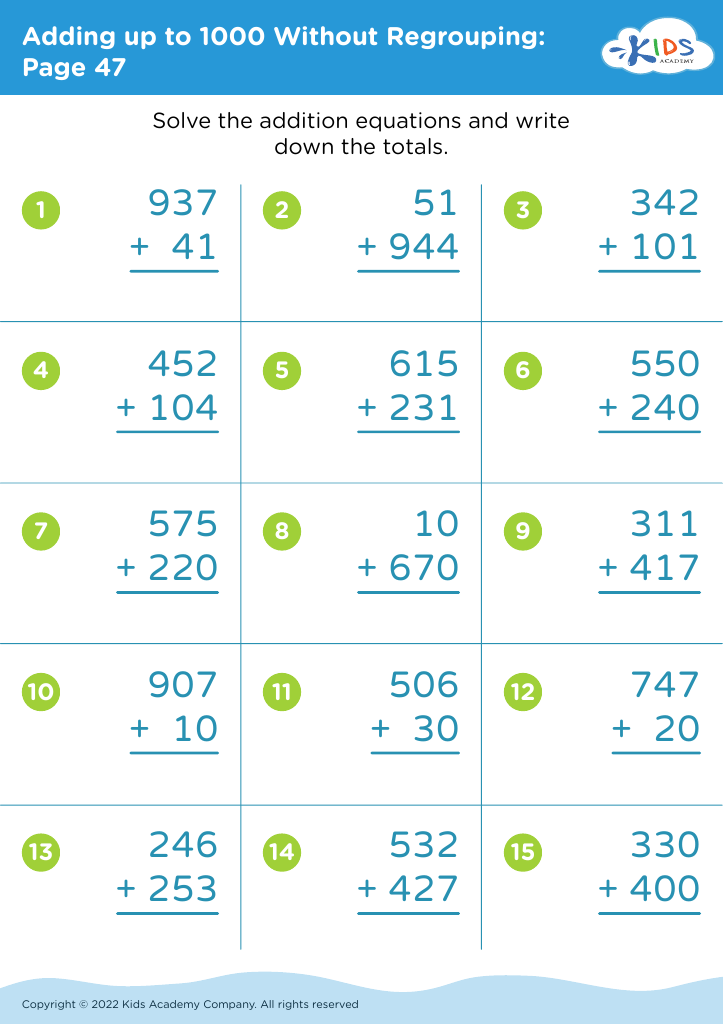
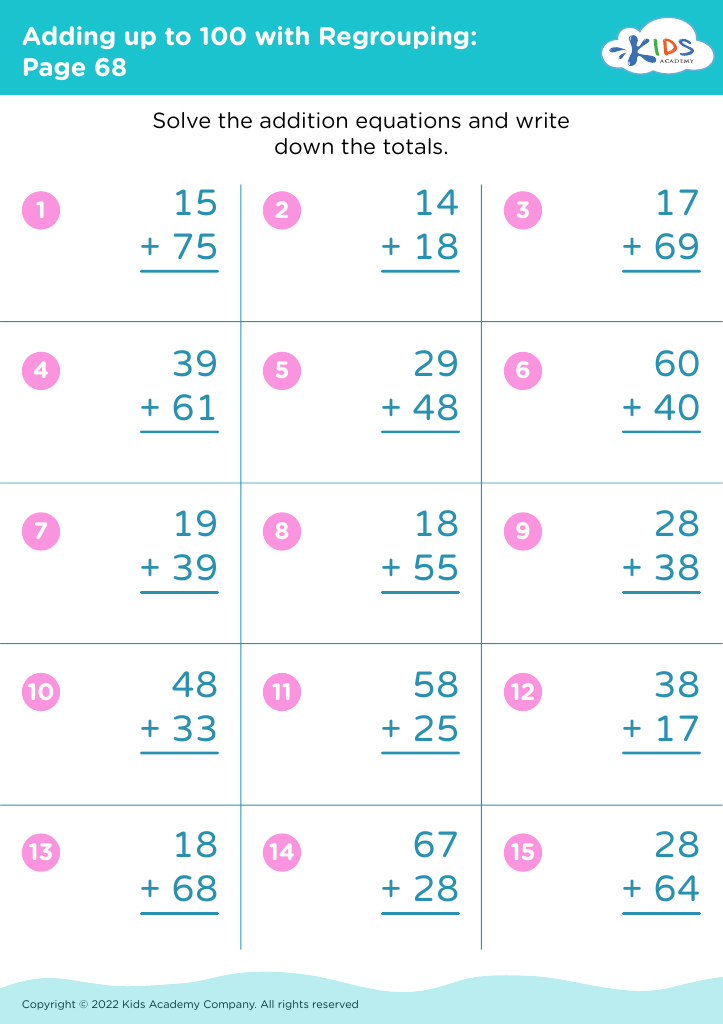
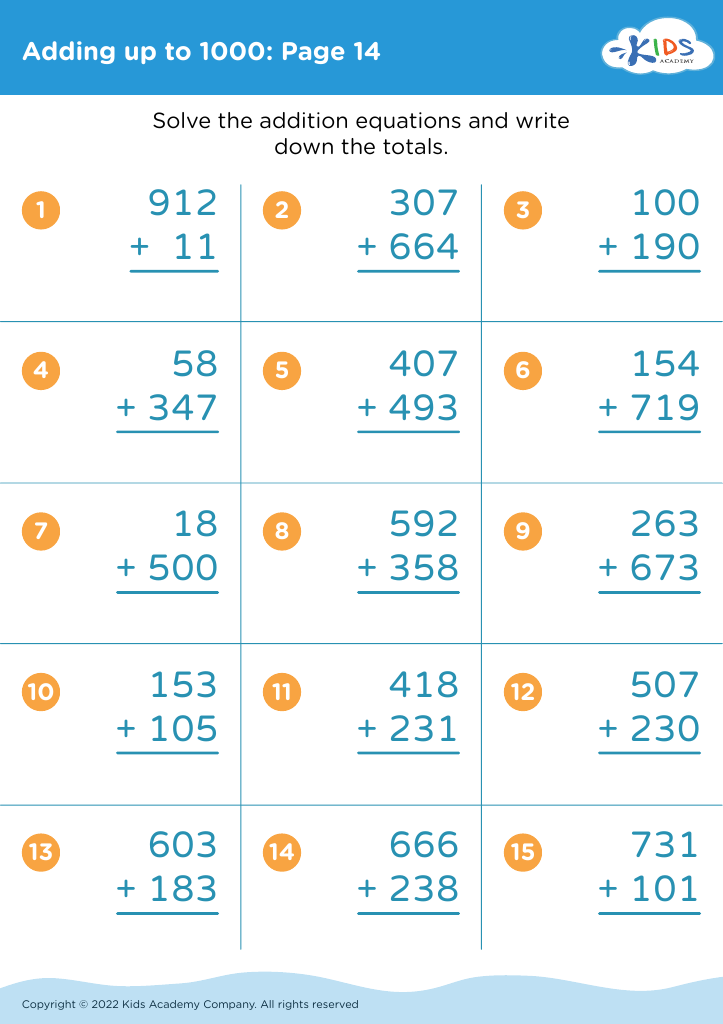
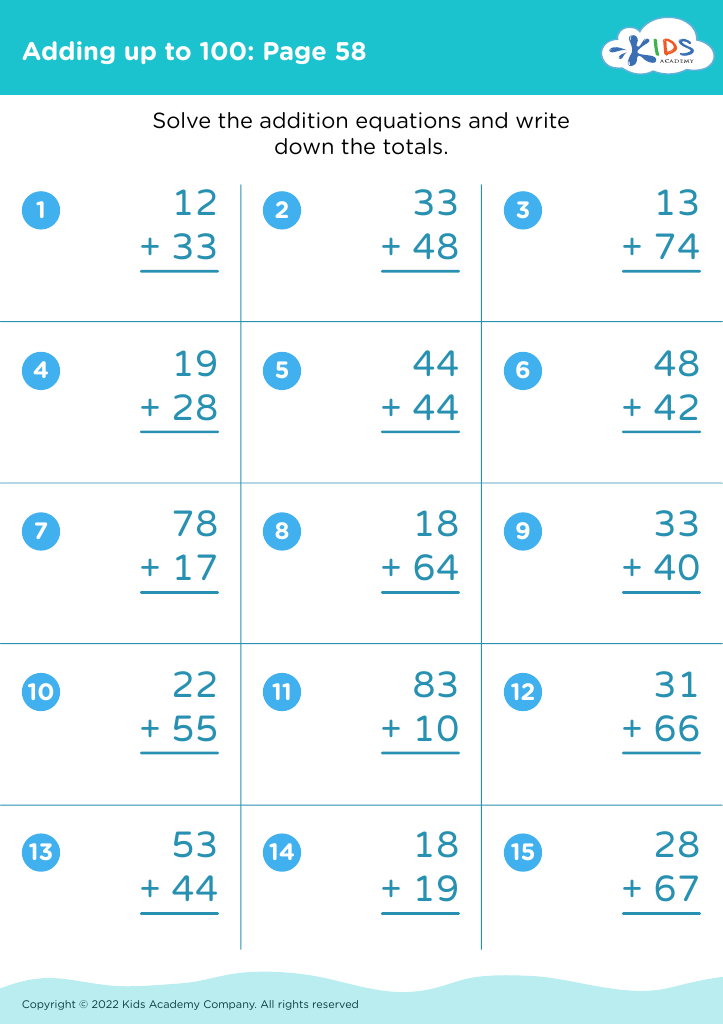
Unlock your child's math potential with our Grade 2 Improve Math Skills Worksheets. Designed specifically for second graders, these engaging worksheets cover essential topics like addition, subtraction, multiplication, and basic geometry. Each worksheet combines fun activities with valuable learning to keep your child entertained while reinforcing critical math concepts. With colorful illustrations and a variety of exercises, our worksheets make math practice enjoyable and effective. Perfect for use at home or in the classroom, they provide the support needed to build a strong mathematical foundation. Help your child gain confidence and excel in math with our top-quality resources!
Favorites
With answer key
Interactive
Join Kids Academy for Free
Who is primarily going to use this learning content?








Improving math skills in grade 2 is crucial for laying a solid academic foundation and fostering essential life skills. At this stage, children are developing critical thinking, problem-solving abilities, and basic numeracy that are fundamental to their future educational success. Mastery of second-grade math concepts such as addition, subtraction, basic geometry, and understanding place value paves the way for more complex mathematical ideas in higher grades.
Parents and teachers have the dual responsibility of ensuring that children grasp these concepts effectively, as early proficiency in math promotes confidence and a positive attitude towards the subject. Engaging children in creative and interactive math activities can spark their interest and encourage continuous learning.
Furthermore, math skills are not only vital for academic achievement but also for everyday practical situations, such as managing finances, cooking, and participating in various games. Encouraging proficiency at this level can help reduce math anxiety, which commonly develops in later years if foundational skills are weak.
Hence, investing time and resources in enhancing math skills during this formative period yields long-term benefits, equipping children with the tools they need for academic and real-world problem-solving challenges. Engaged and proactive involvement from parents and teachers is essential to nurture a child's mathematical journey.