Practice writing numbers Grade 2 Worksheets
6 filtered results
-
From - To
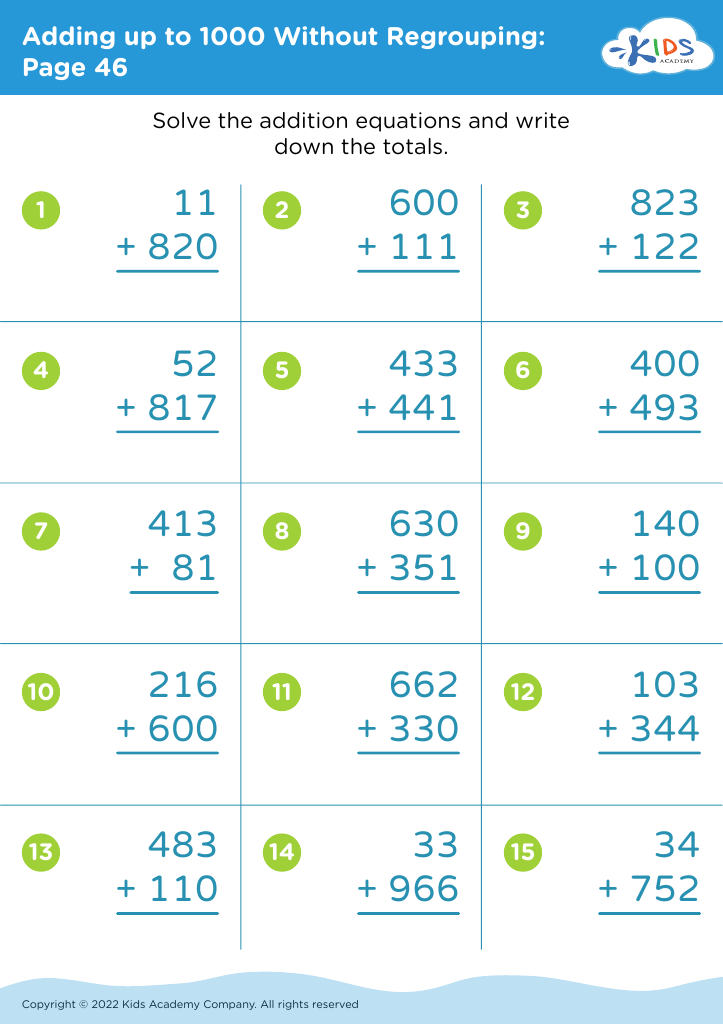
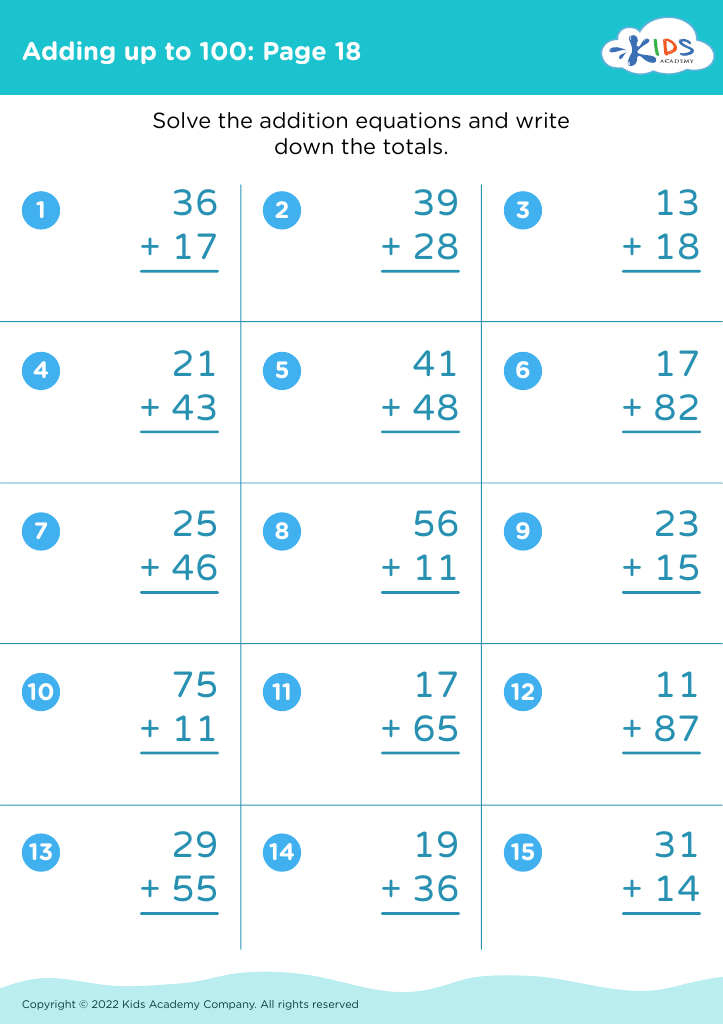
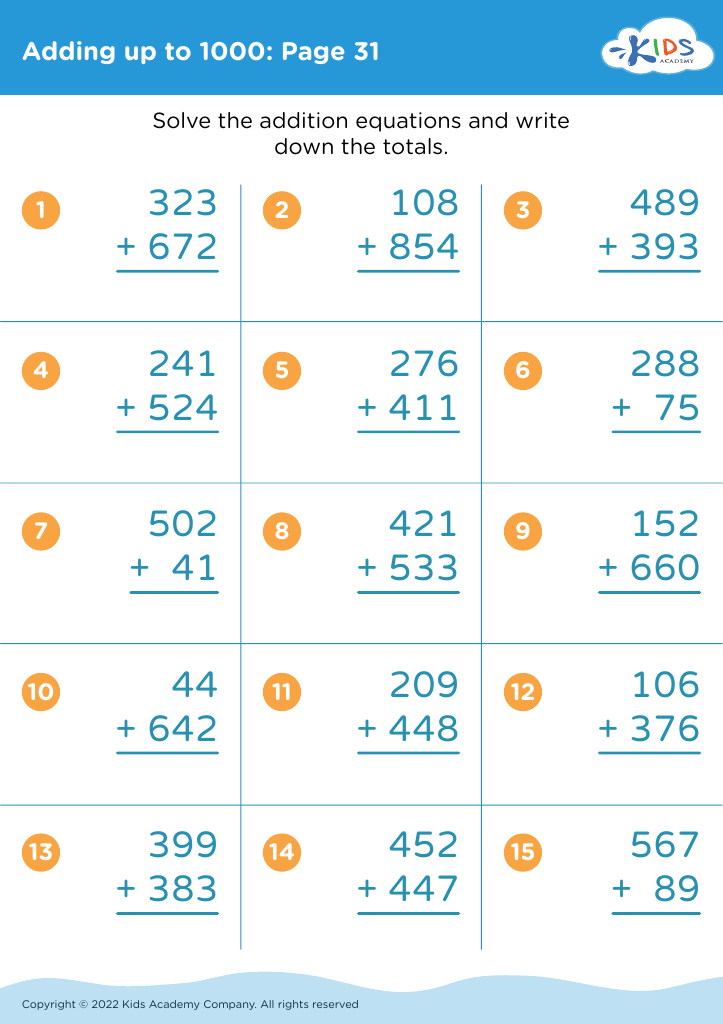
Enhance your Grade 2 students' mathematical skills with our engaging Practice Writing Numbers Worksheets! Tailored for young learners, these worksheets provide a fun and interactive way for children to master number formation and improve their writing abilities. Each worksheet is designed to reinforce number recognition and encourage the practice necessary for building confidence in their math skills. With a variety of exercises promoting both handwriting and number understanding, these resources are ideal for classroom use or at-home practice. Download our comprehensive collection today, and watch your students excel as they practice writing numbers with ease and enjoyment!
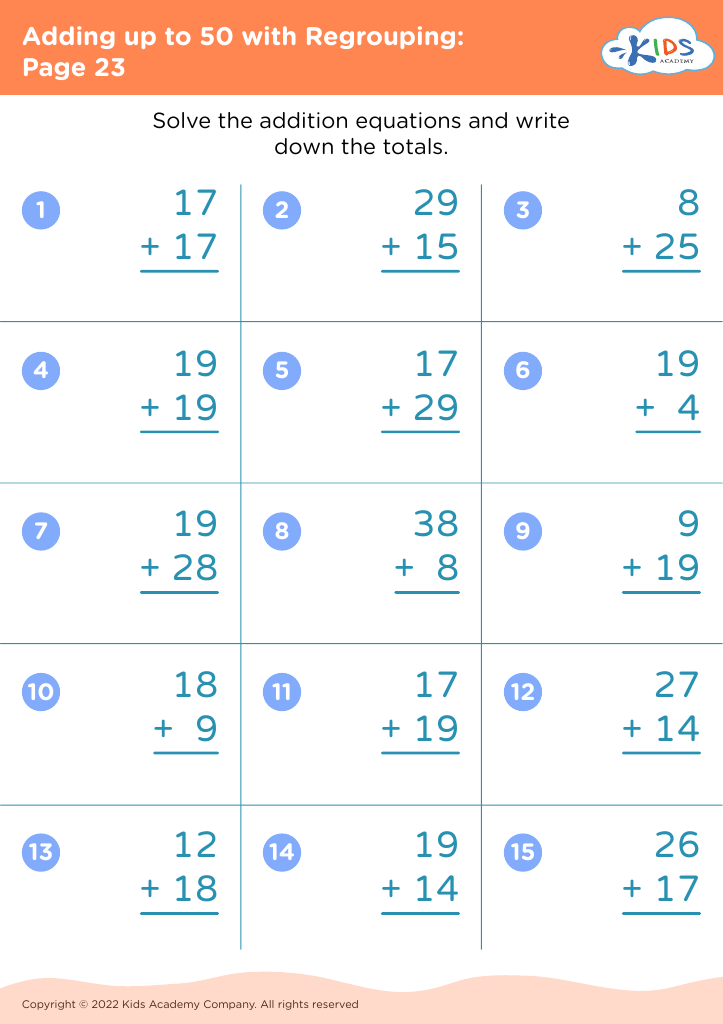
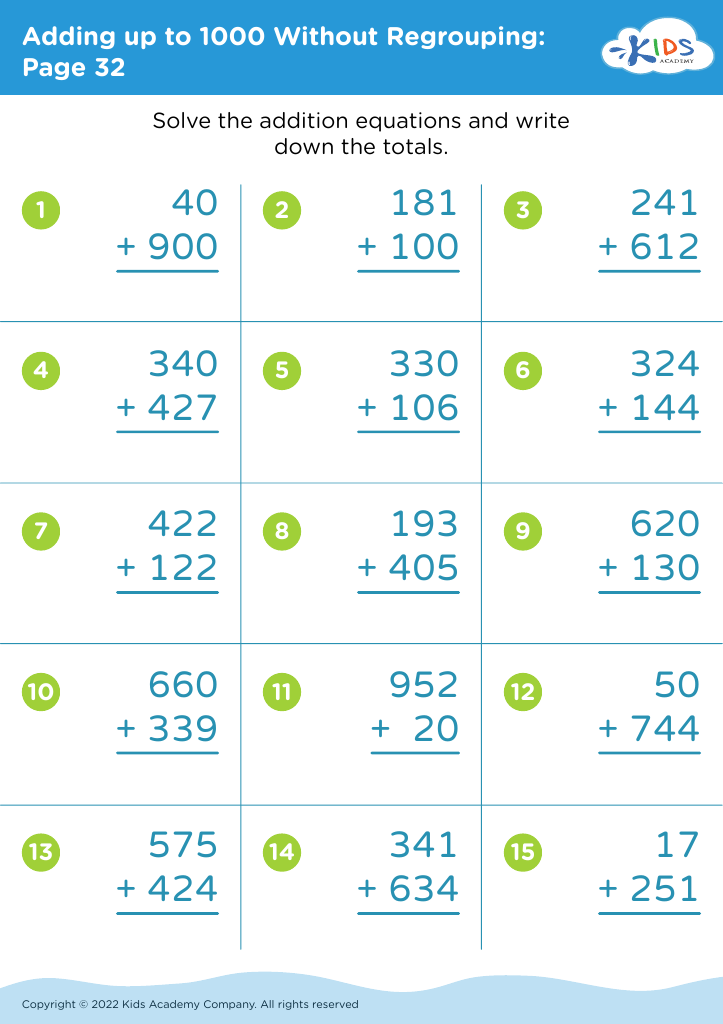
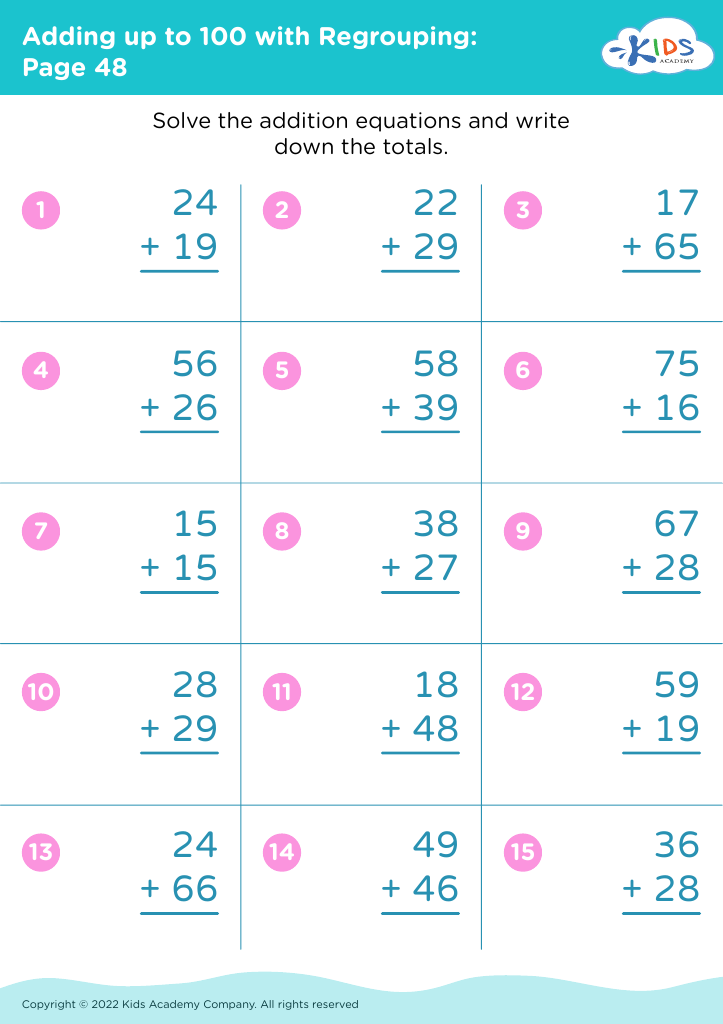







Practicing writing numbers in Grade 2 is essential for both parents and teachers, as it plays a pivotal role in a child's mathematical development. At this stage, students begin to establish a strong foundation in numeracy. Writing numbers helps reinforce number recognition and improves fine motor skills, which are crucial for overall handwriting proficiency.
Furthermore, as students progress, they will encounter more complex mathematical concepts, including addition, subtraction, and place value. Regular practice solidifies their understanding of these concepts. Writing numbers also fosters cognitive skills, as it encourages children to think critically about number patterns and their relationships.
For parents, engaging in number practice at home can create a positive learning environment and promote a collaborative approach to education. It helps parents monitor progress and address any misunderstandings early on. Teachers, on the other hand, can incorporate diverse strategies in the classroom, such as using creative arts or interactive games to make writing numbers fun and engaging.
Ultimately, investing time and effort in practicing writing numbers establishes a crucial skill set that supports children in becoming confident mathematicians, easing their transition into more advanced concepts in subsequent grades.