Discover our "Problem-solving practice Grade 2 Worksheets" designed to enhance your child's critical thinking and analytical skills. These engaging worksheets cover a variety of real-world scenarios, helping second graders develop effective problem-solving strategies. Each activity encourages students to think independently, make decisions, and apply mathematical concepts in creative ways. Ideal for both classroom and home use, these worksheets support academic growth by promoting logical reasoning and practical application of knowledge. Boost your child's confidence and competence in solving everyday problems with our expertly crafted resources. Visit Kids Academy to explore our full range of educational tools for second graders.
Check out this FREE Grade 2 "Problem-solving practice" Trial Lesson!

What Is Check?

Favorites
With answer key
Interactive
  • Grade 2
  • Problem-solving practice
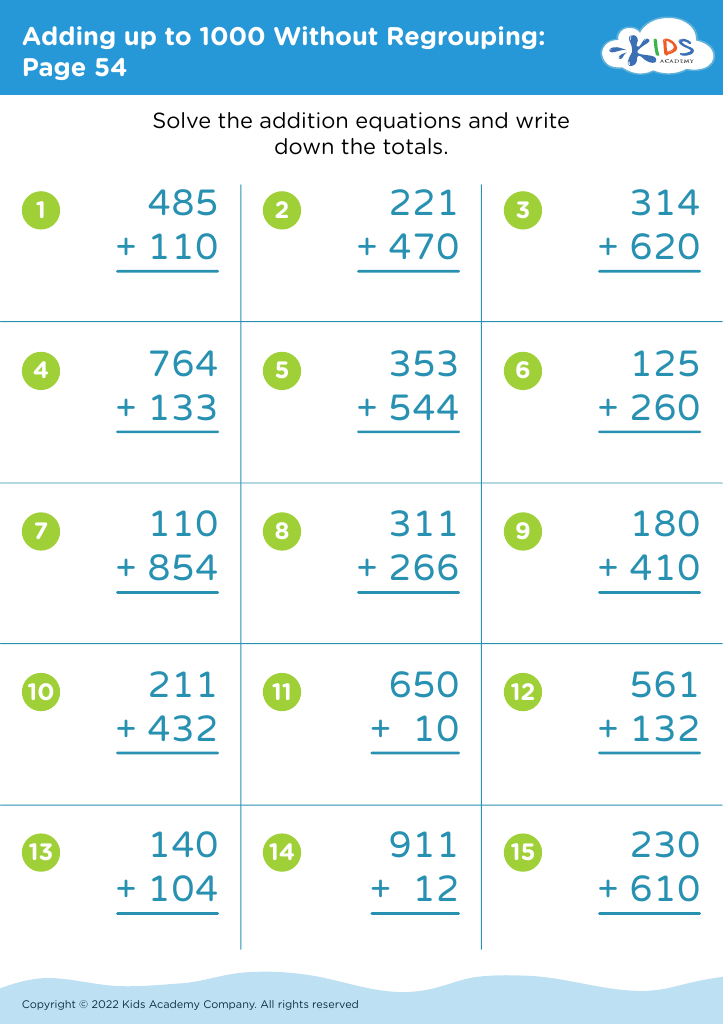
Adding up to 1000 Without Regrouping: Page 54
Worksheet
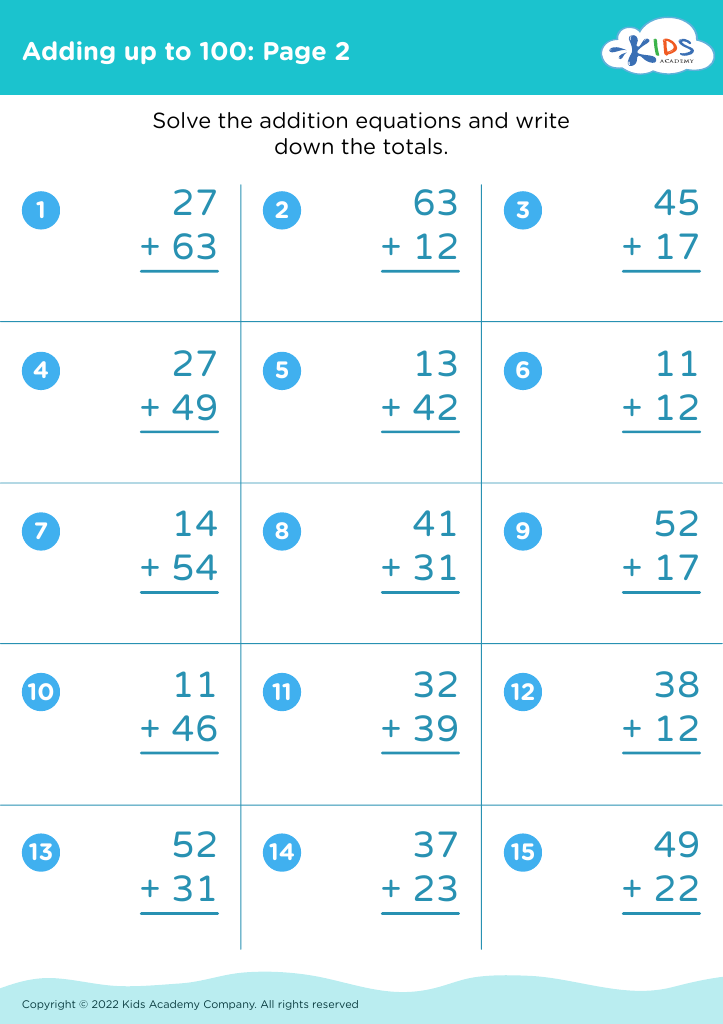
Adding up to 100: Page 2

Adding up to 100: Page 2

Adding up to 100: Page 2
Worksheet
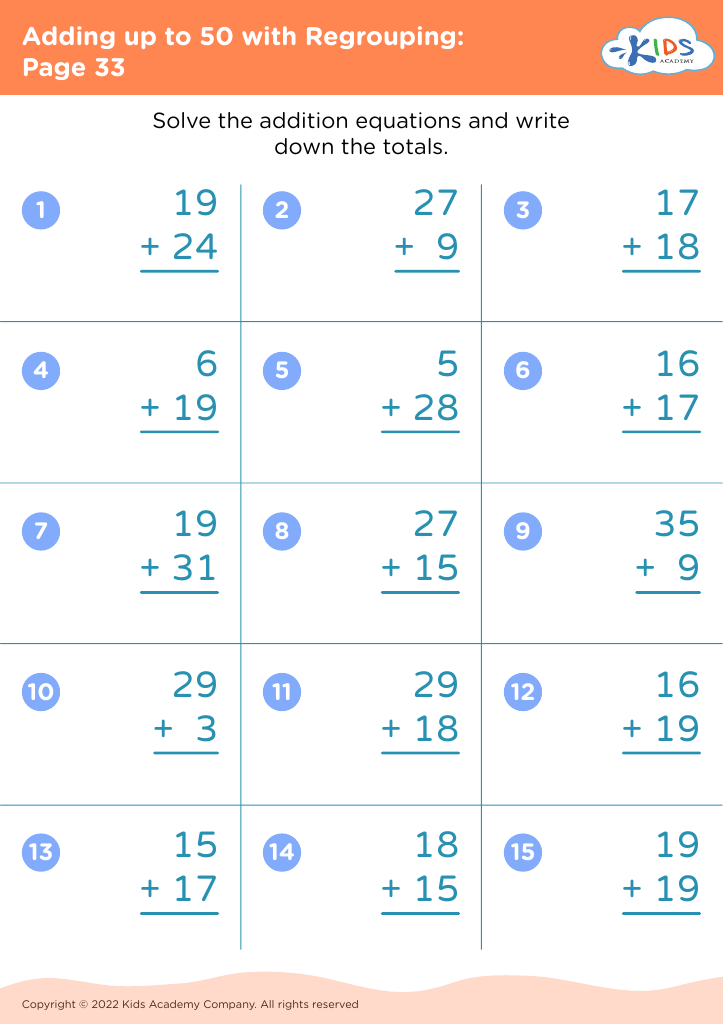
Adding up to 50 with Regrouping: Page 33
Worksheet
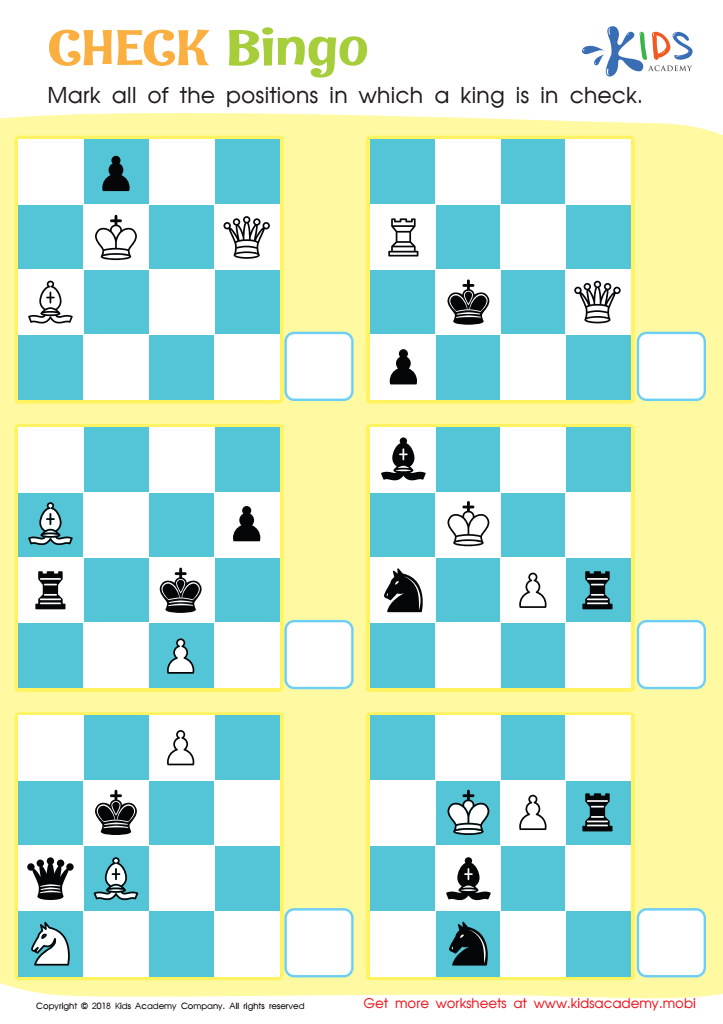
Check Bingo Worksheet

Check Bingo Worksheet

Chess helps young minds build critical thinking, problem-solving and logical reasoning skills. This free PDF worksheet is a fun way to teach these skills. It explains the concept of check and includes gameboards with kings in various positions. Students mark off the boards where a king isn't in check, and they're ready to move onto checkmate!
Check Bingo Worksheet
Worksheet
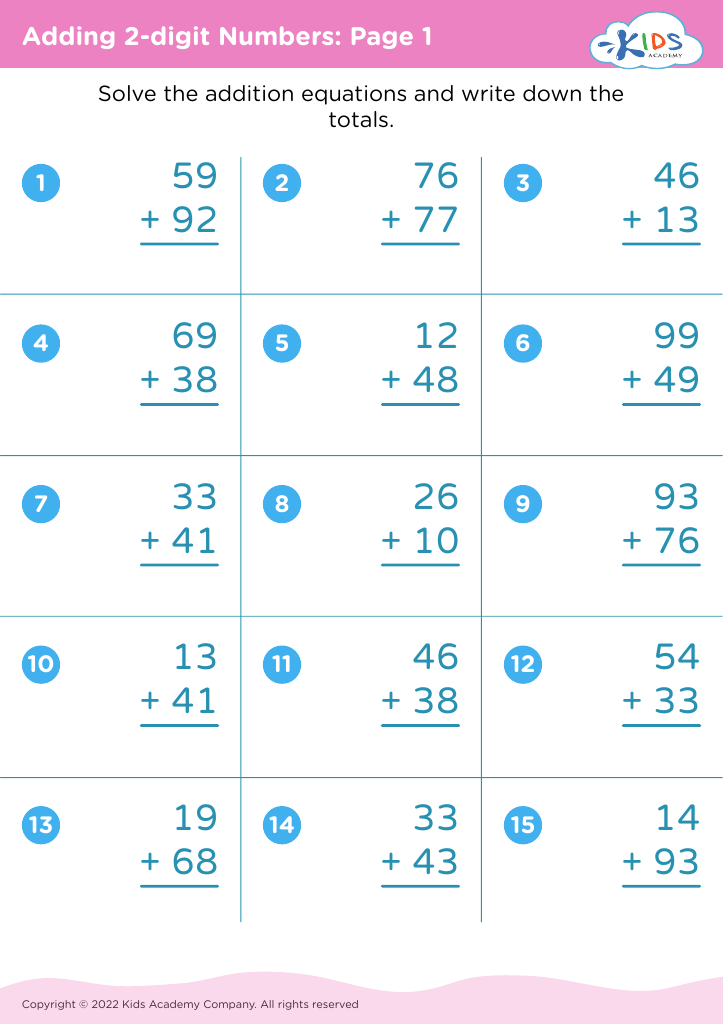
Adding 2-digit Numbers: Page 1

Adding 2-digit Numbers: Page 1

Adding 2-digit Numbers: Page 1
Worksheet
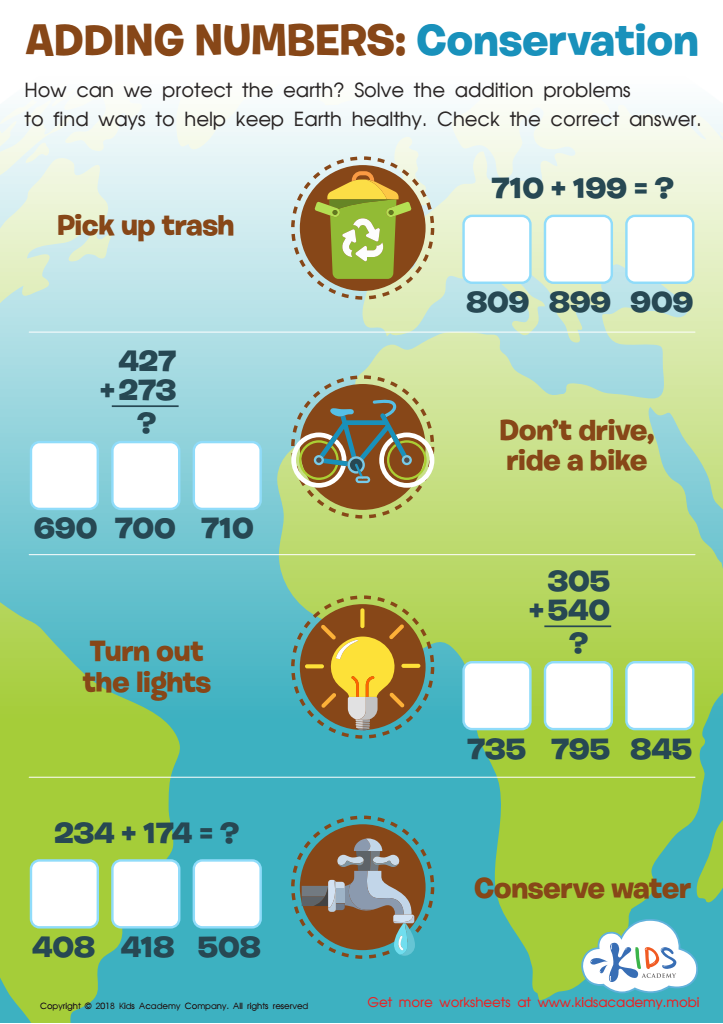
Adding Numbers: Conservation Worksheet
Adding Numbers: Conservation Worksheet

We all live on the Earth, which provides us with the vital necessities for survival. Unfortunately, we too often take advantage of this, causing pollution, water wastage and global warming. Help teach your kids how we can protect our planet - ask them to come up with good ideas and work together to find solutions. Challenge them to solve the subtraction problems to see what they can do to help keep the Earth healthy.
Adding Numbers: Conservation Worksheet
Worksheet
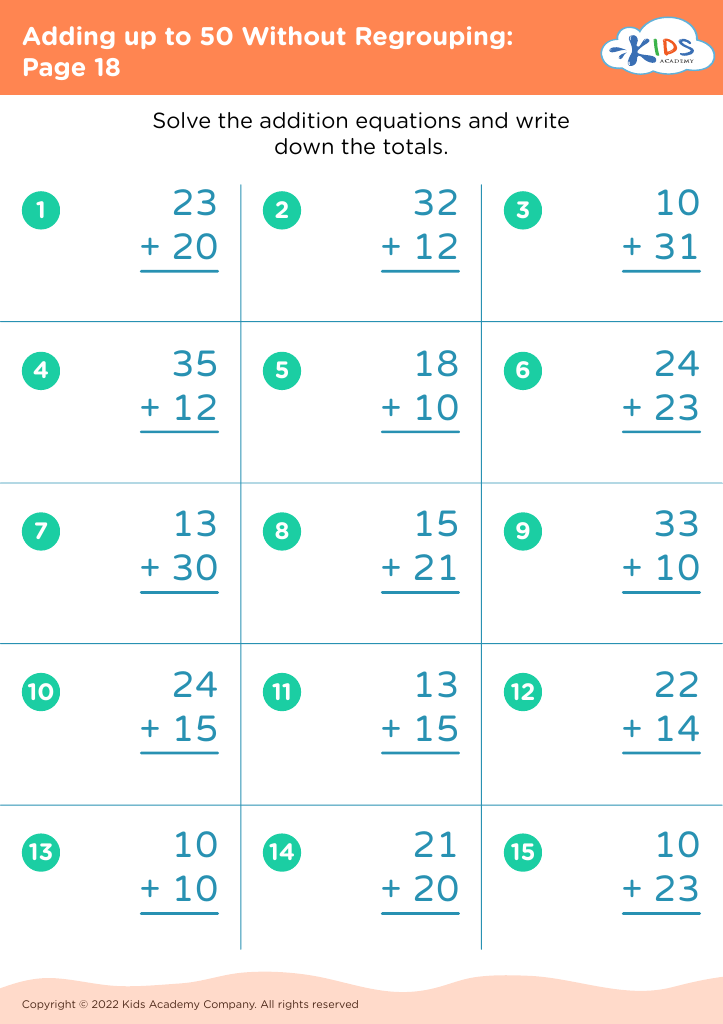
Adding up to 50 Without Regrouping: Page 18
Worksheet
What Is a Line Plot? Worksheet
What Is a Line Plot? Worksheet

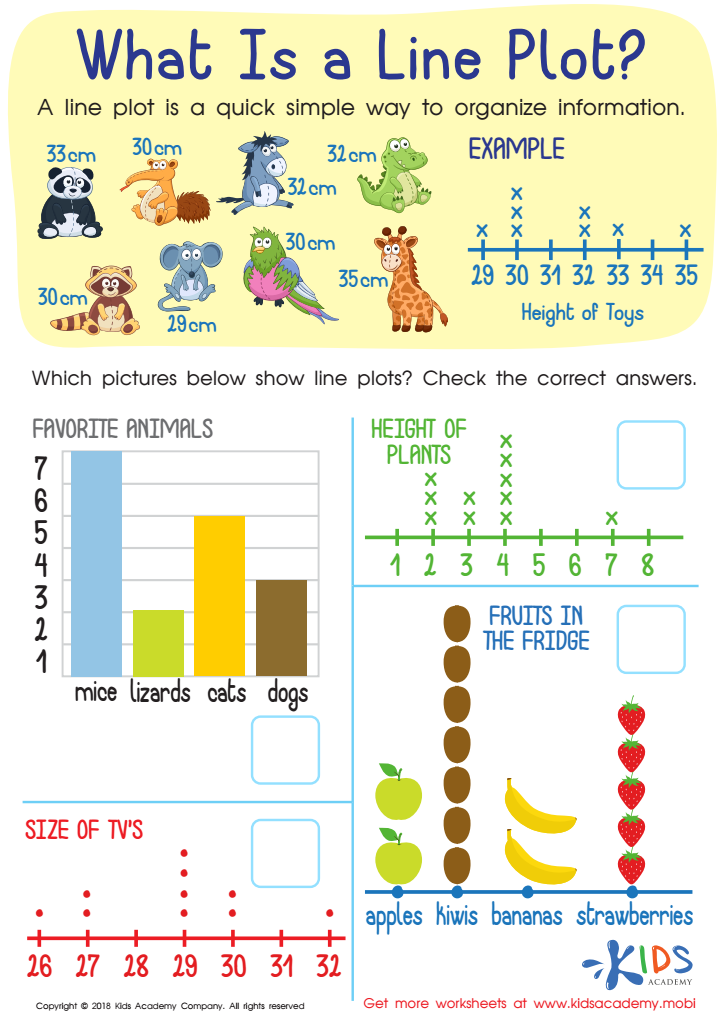
A line plot is an ideal method to organize data. For example, if your child needs to arrange objects for easy recognition, draw a line plot. This worksheet can help teach the skill. Kids must identify correct pictures that display line plots.
What Is a Line Plot? Worksheet
Worksheet
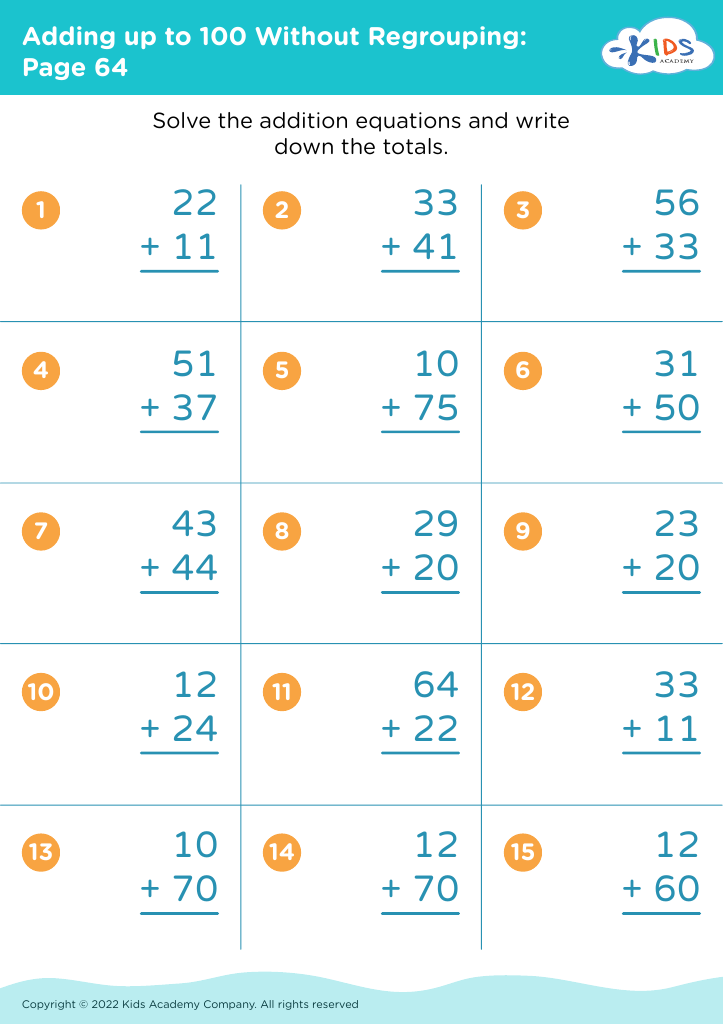
Adding up to 100 Without Regrouping: Page 64
Worksheet
How Knight Captures Worksheet

How Knight Captures Worksheet

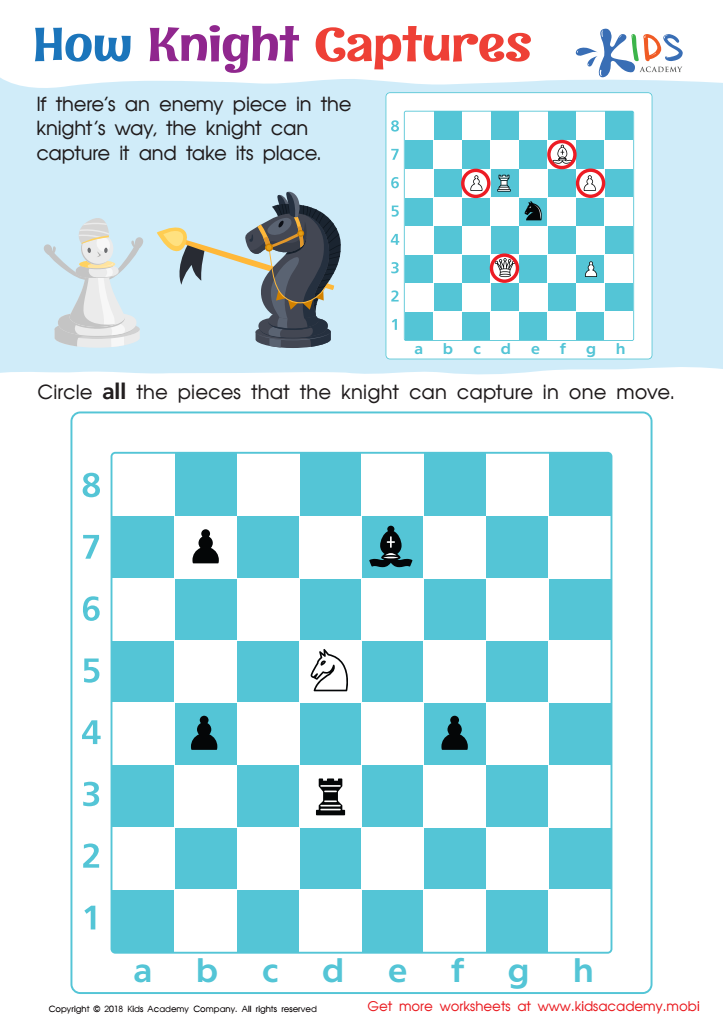
Test your child's knowledge of chess pieces by asking them to identify the knight. It is shaped like a horse and its goal is to capture the enemy king in order to win the game. The knight has the advantage of being able to jump over other pieces, taking them out and taking their place. See how many pieces the knight can capture in one move with this worksheet.
How Knight Captures Worksheet
Worksheet
How King Captures Worksheet
How King Captures Worksheet
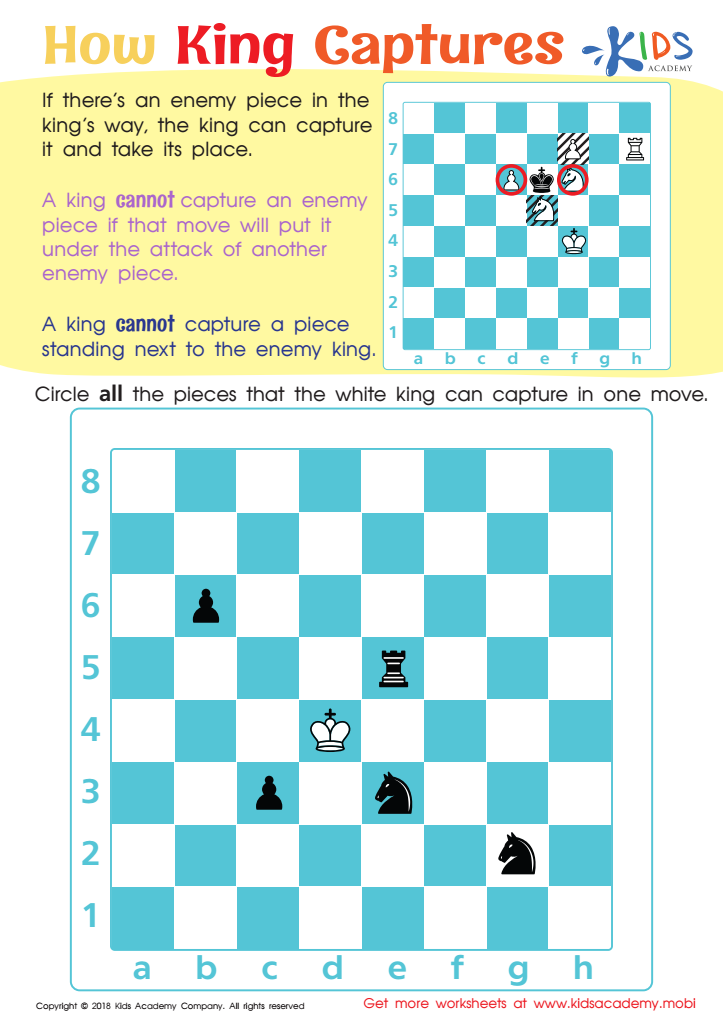
The king can capture an enemy piece by taking its place. But it cannot move if the action will put it at risk of attack, or if it's next to the enemy king. On this worksheet, circle the places the white king can capture in one move. (80 words)
How King Captures Worksheet

Worksheet
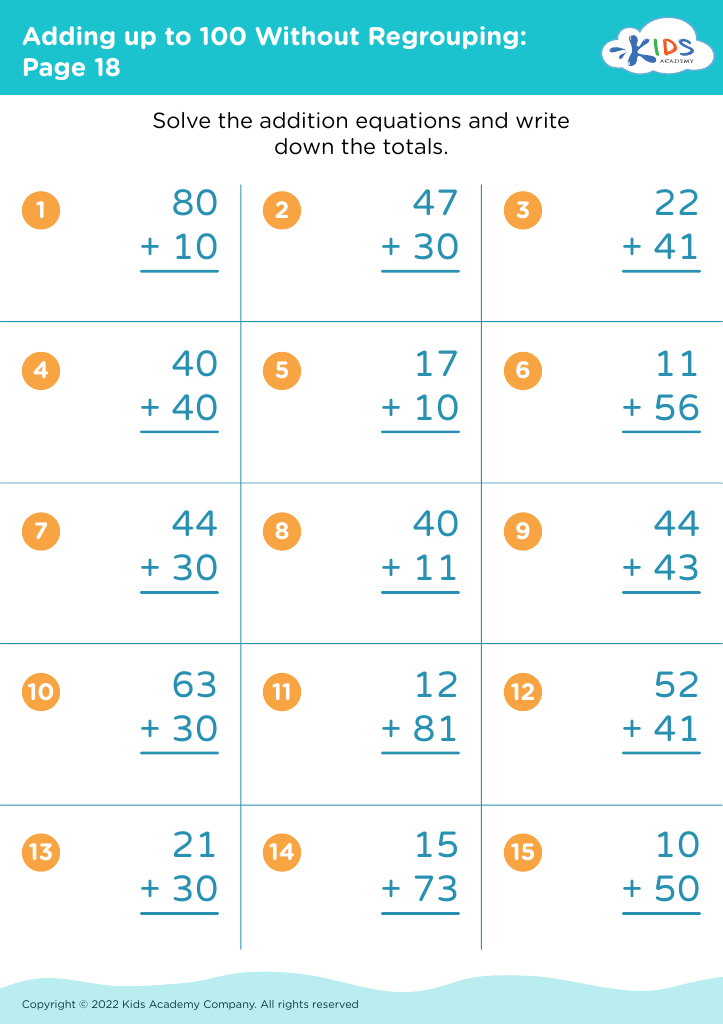
Adding up to 100 Without Regrouping: Page 18
Worksheet
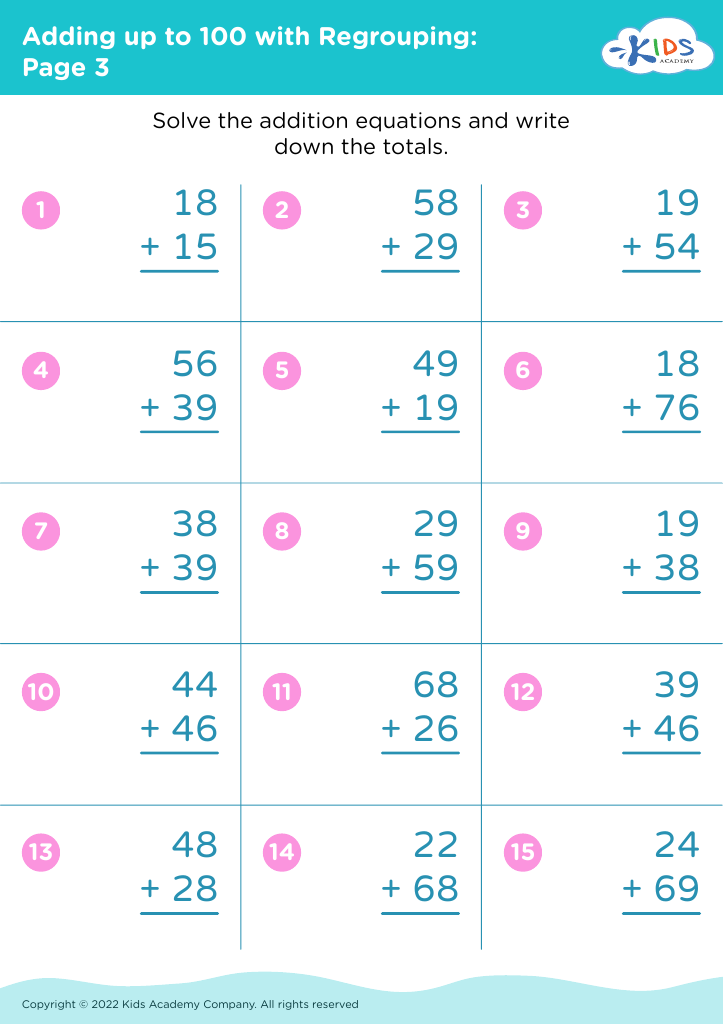
Adding up to 100 with Regrouping: Page 3
Worksheet
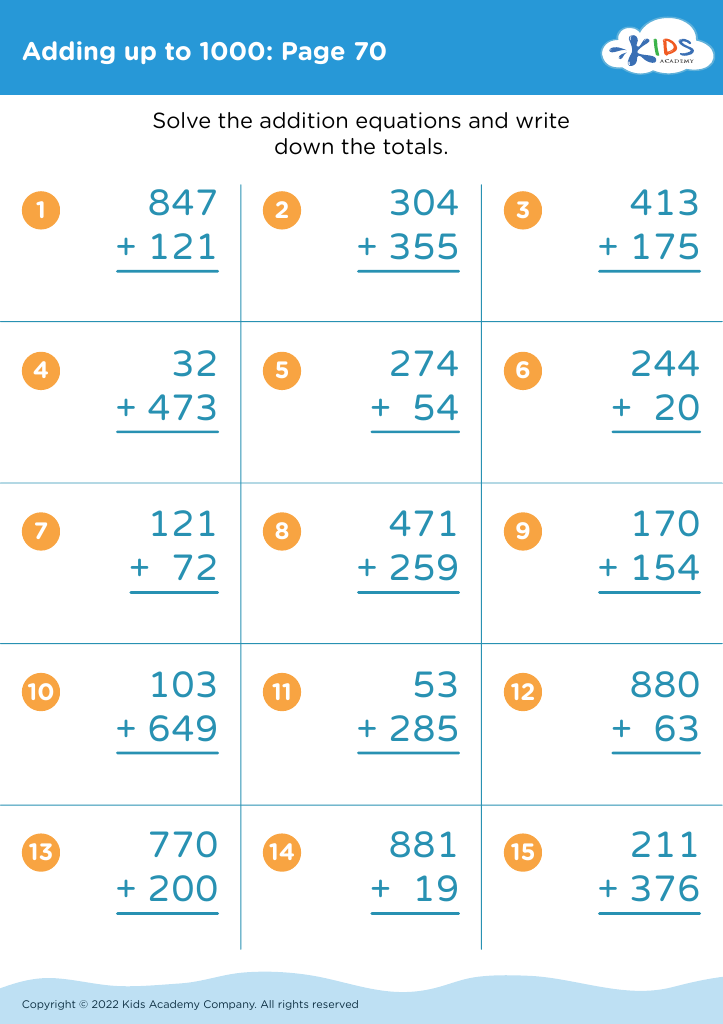
Adding up to 1000: Page 70

Adding up to 1000: Page 70

Adding up to 1000: Page 70
Worksheet
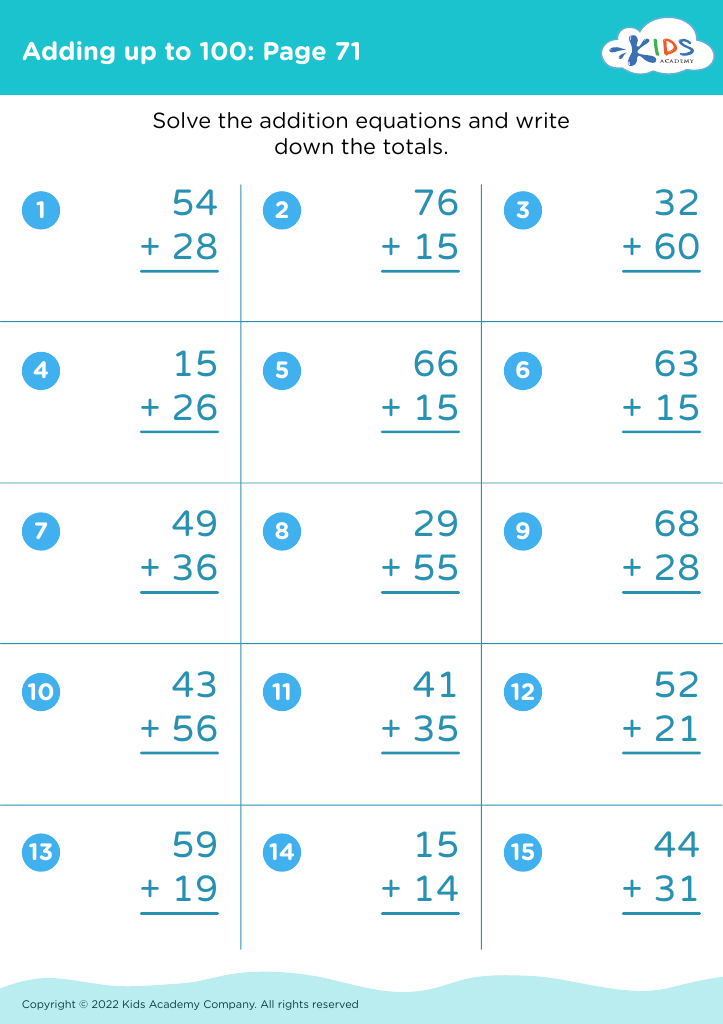
Adding up to 100: Page 71

Adding up to 100: Page 71

Adding up to 100: Page 71
Worksheet
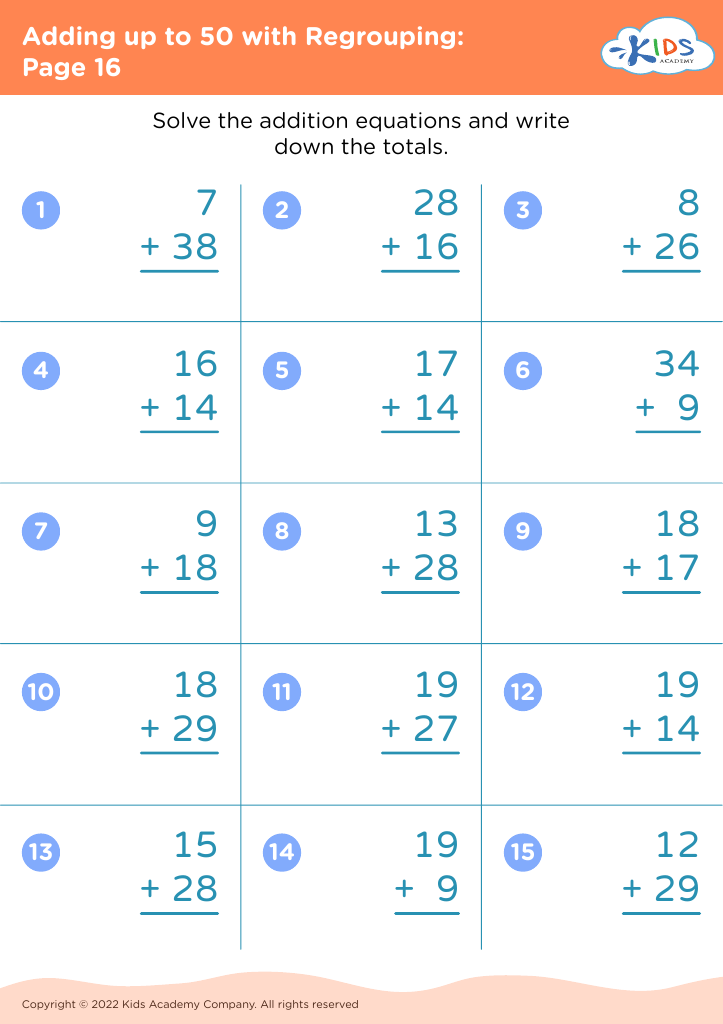
Adding up to 50 with Regrouping: Page 16
Worksheet
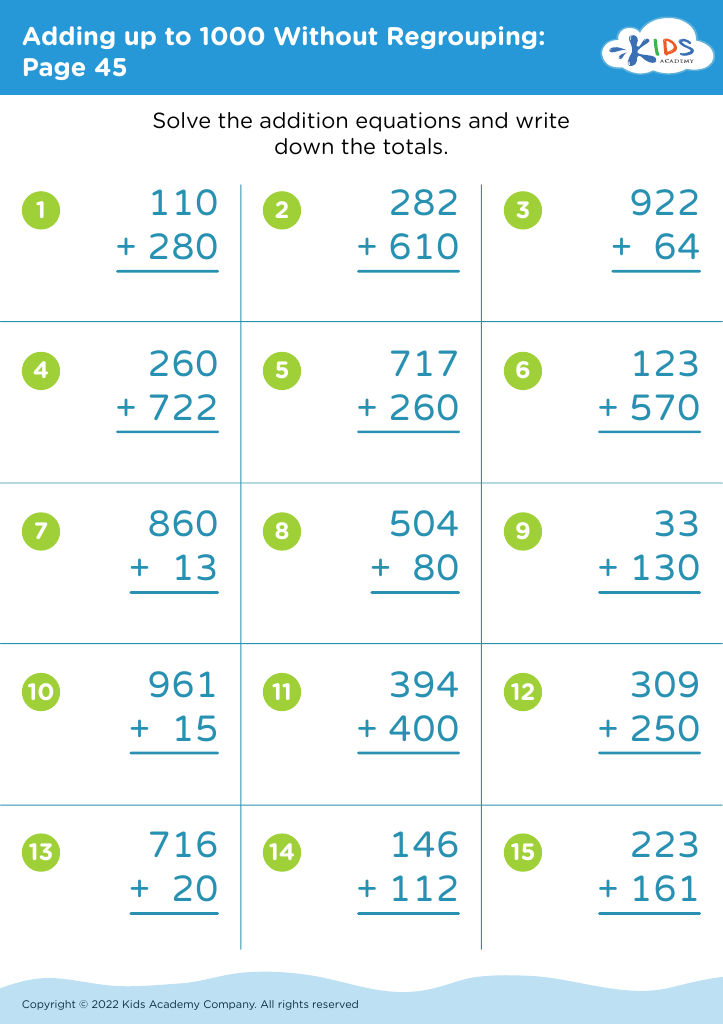
Adding up to 1000 Without Regrouping: Page 45
Worksheet


Problem-solving practice in Grade 2 is critical for young learners; it sets the foundation for higher-level thinking and essential life skills. This formative period allows children to develop cognitive abilities such as logical reasoning, critical thinking, and decision-making. Through problem-solving exercises, students learn how to approach challenges methodically, break tasks into manageable steps, and explore multiple solutions. These skills are not just academically beneficial but are practical for everyday situations, encouraging independence and resilience.

Moreover, problem-solving practice nurtures curiosity and creativity. By engaging students in these activities, parents and teachers help them to see learning as a dynamic process rather than just content memorization. When students grapple with and solve problems, they build confidence in their abilities, fostering a growth mindset where they see perseverance as key to mastering new skills.

Additionally, problem-solving practices often require collaboration. Partnering up with classmates on tasks teaches communication skills, empathy, and cooperation—attributes vital for social development and future professional environments.

In essence, focusing on problem-solving in the second grade ensures that children are not merely absorbing information but are equipped with the tools to navigate complexities, laying the groundwork for lifelong success.