Visual discrimination Grade 2 2D Shapes Worksheets
3 filtered results
-
From - To
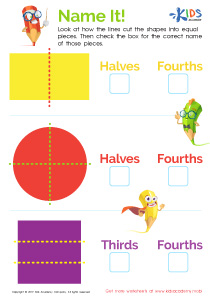
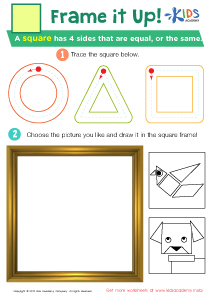
Enhance your second graders' learning experience with our engaging Visual Discrimination Grade 2 2D Shapes Worksheets! Designed specifically for young learners, these worksheets help students develop essential visual discrimination skills through fun activities focused on identifying and distinguishing various 2D shapes. Students will practice recognizing shapes, comparing sizes, and finding differences, all while engaging with colorful visuals that spark their interest. Perfect for classroom and at-home learning, our worksheets align with educational standards, making them a valuable resource for teachers and parents alike. Foster your child's critical thinking and shape recognition skills today with our interactive and user-friendly worksheets!
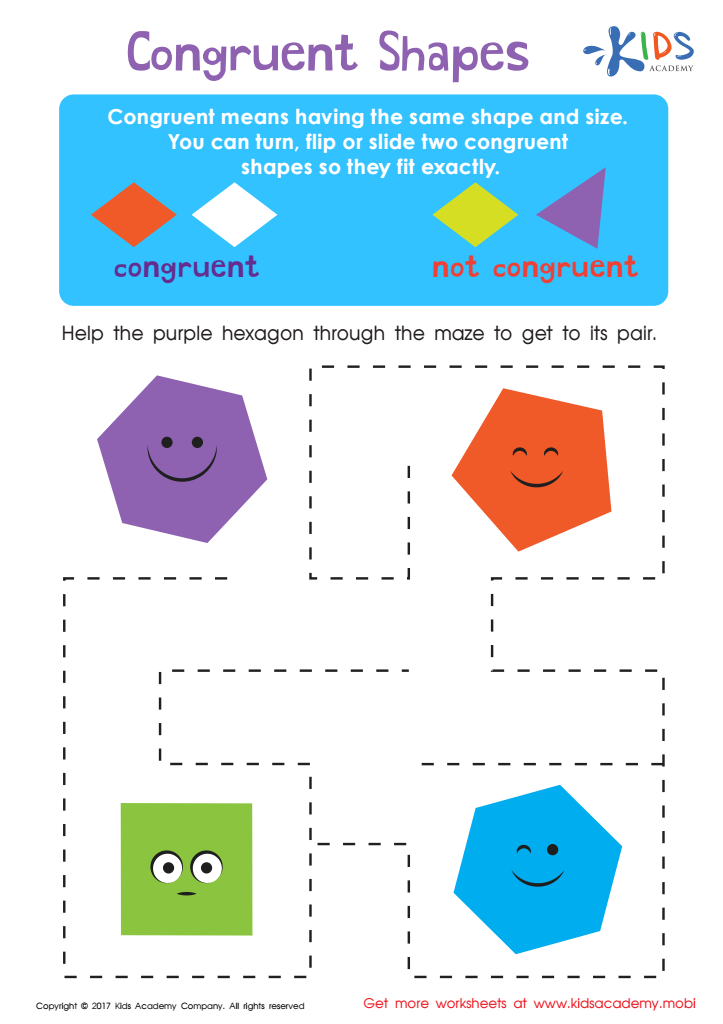
Congruent Shapes Worksheet
 Assign to My Students
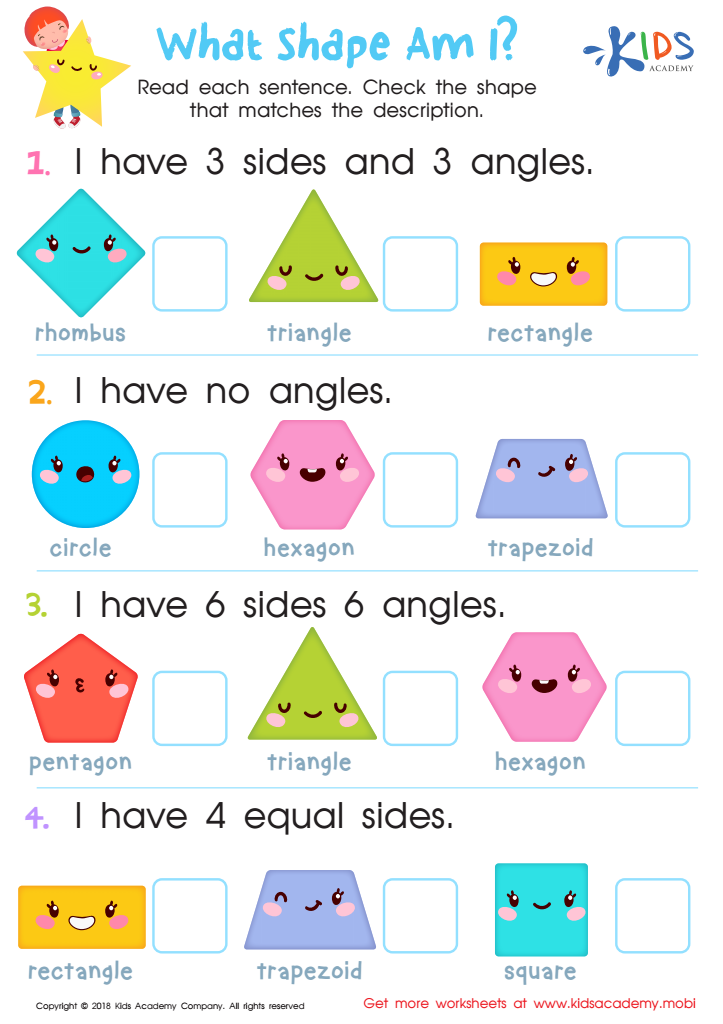
What Shape Am I? Worksheet
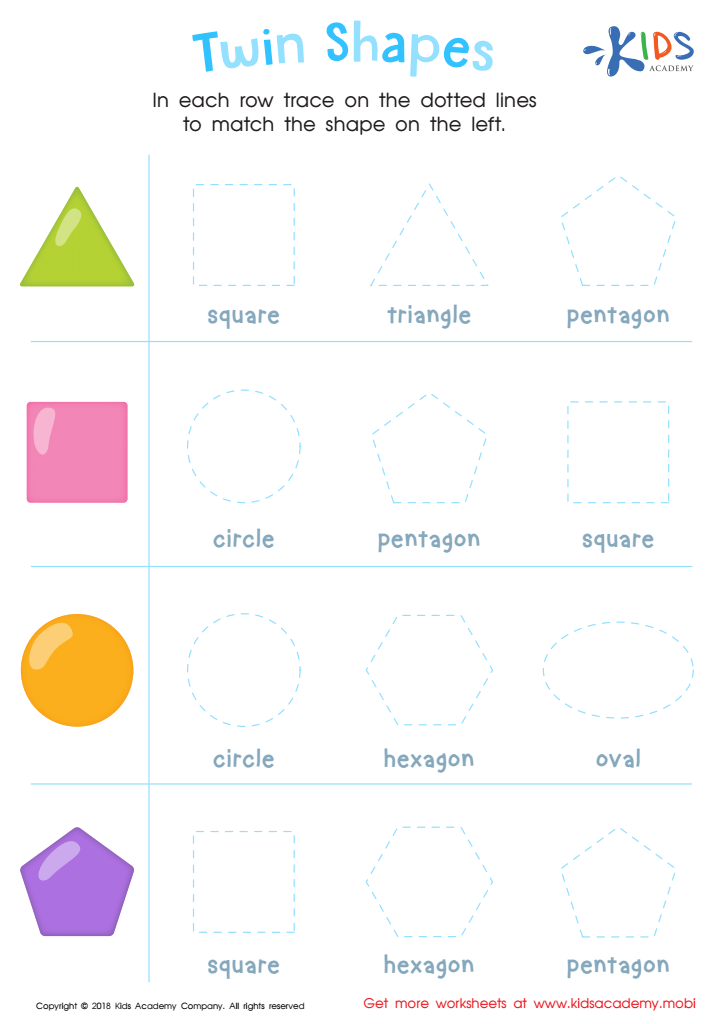
Twin Shapes Dot-to-Dot Worksheet





Visual discrimination is a crucial skill for second graders, especially when it comes to 2D shapes. It enables children to distinguish between different shapes based on their attributes, such as size, color, and form. Parents and teachers should care about nurturing this skill for several reasons.
Firstly, visual discrimination aids in early mathematics learning, allowing students to identify and categorize shapes, which is foundational in geometry. As students progress, these skills will support more complex mathematical concepts, fostering confidence and competence in math-related tasks.
Secondly, visual discrimination is essential in developing critical thinking and problem-solving abilities. Being able to discern subtle differences encourages children to analyze and make decisions, skills that are valuable not just in math but across many subjects.
Moreover, enhanced visual discrimination skills can lead to better reading abilities. Many letters and numbers have similar shapes; being able to differentiate them is key to successful literacy development.
Finally, sharp visual discrimination abilities promote creativity and artistic expression, as students learn to recreate and manipulate shapes in their artwork. By focusing on visual discrimination in the context of 2D shapes, parents and teachers set a solid foundation for a child's academic and personal growth.