Drawing skills Grade 2 Adding up to 100 Worksheets
3 filtered results
-
From - To
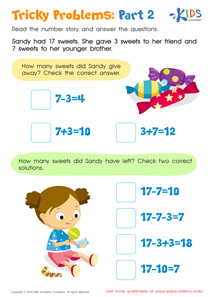
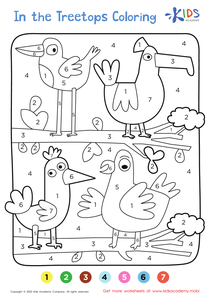
Enhance your Grade 2 students' learning experience with our "Drawing Skills Grade 2: Adding Up to 100 Worksheets"! These engaging worksheets combine mathematical concepts with artistic creativity, helping young learners visualize numbers while practicing addition. Each worksheet encourages children to draw scenarios that represent various addition problems, promoting both critical thinking and fine motor skills. With colorful designs and playful themes, our resources make math delightful and interactive. Perfect for classroom or home use, these worksheets provide a fun and effective way to reinforce addition skills while nurturing artistic talents. Download now and watch your students thrive in math!
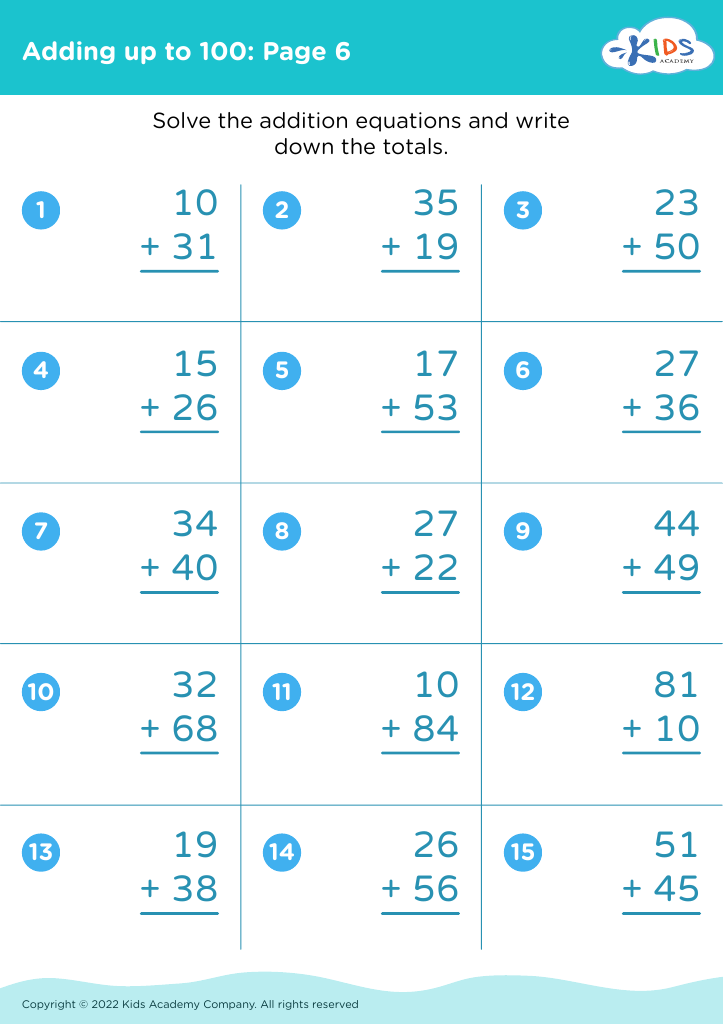
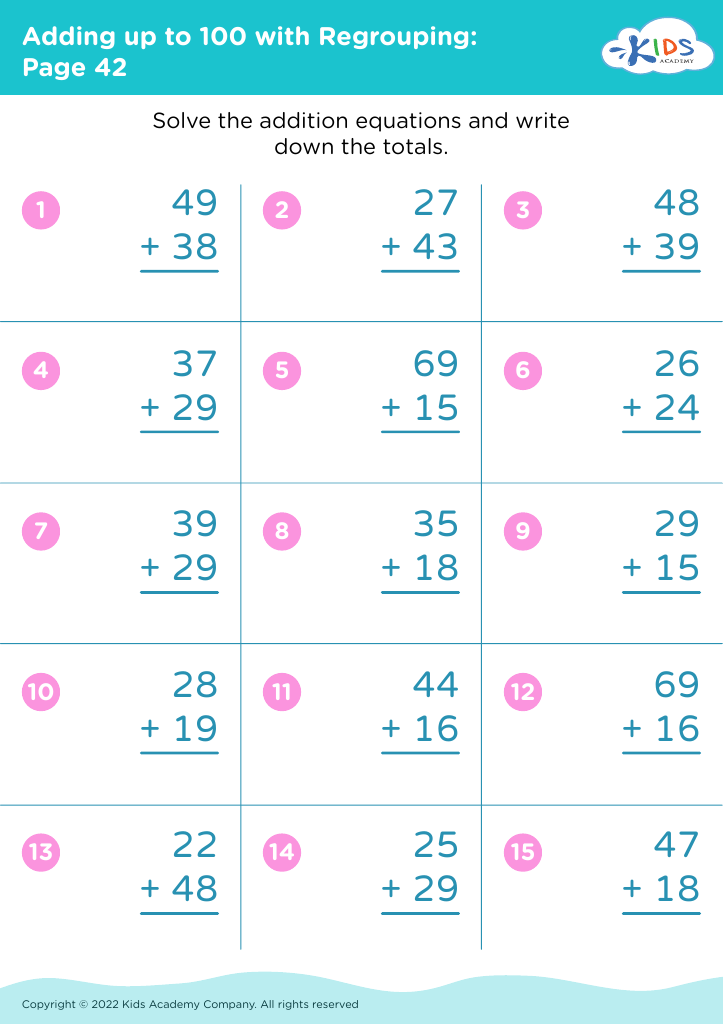
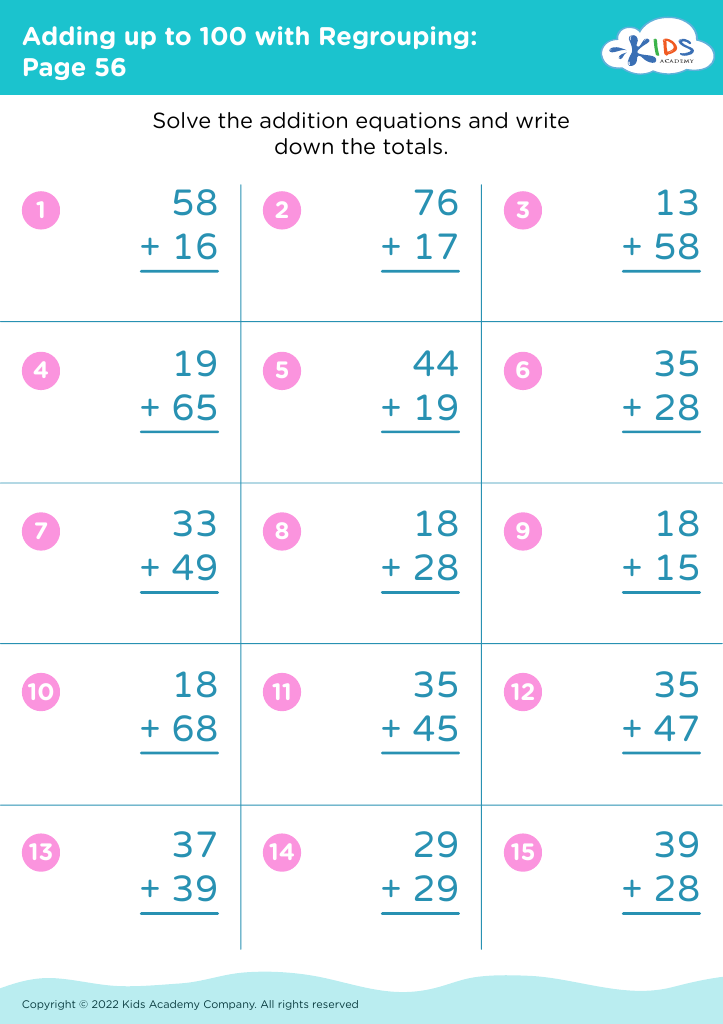





Understanding drawing skills in Grade 2 is crucial for both parents and teachers, particularly when it comes to mathematical concepts like adding up to 100. Drawing provides a visual representation of numbers, enhancing a child’s comprehension of basic arithmetic. It allows young learners to engage creatively while strengthening their problem-solving skills.
When children draw to represent their math problems, they develop a deeper understanding of numbers and quantities. For instance, by illustrating 50 + 50 with 50 blocks or items, they see the relationship between numbers, making abstract concepts more tangible. This visualization promotes better retention and recall.
Furthermore, drawing encourages cognitive connections essential in mathematical reasoning. It sharpens fine motor skills and fosters spatial awareness, as children learn to represent their thoughts on paper. Such skills translate to enhanced focus and a more engaging learning experience, making math less intimidating.
For parents, supporting drawing activities helps create a fun learning atmosphere at home, reinforcing what children learn in school. Teachers benefit from using drawing as a tool in the classroom, promoting interactive learning approaches that cater to different learning styles. Ultimately, fostering drawing skills can lay a solid foundation for children's confidence in math and overall academic success.