Identifying shapes Grade 2 Adding up to 1000 Worksheets
3 filtered results
-
From - To
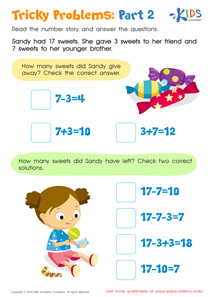
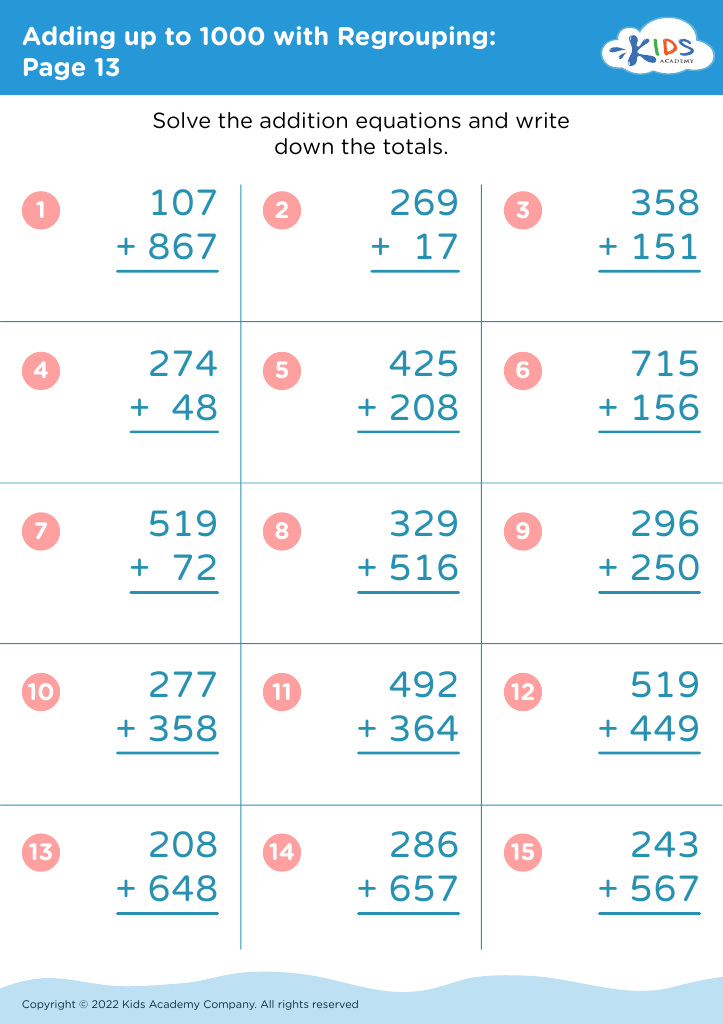
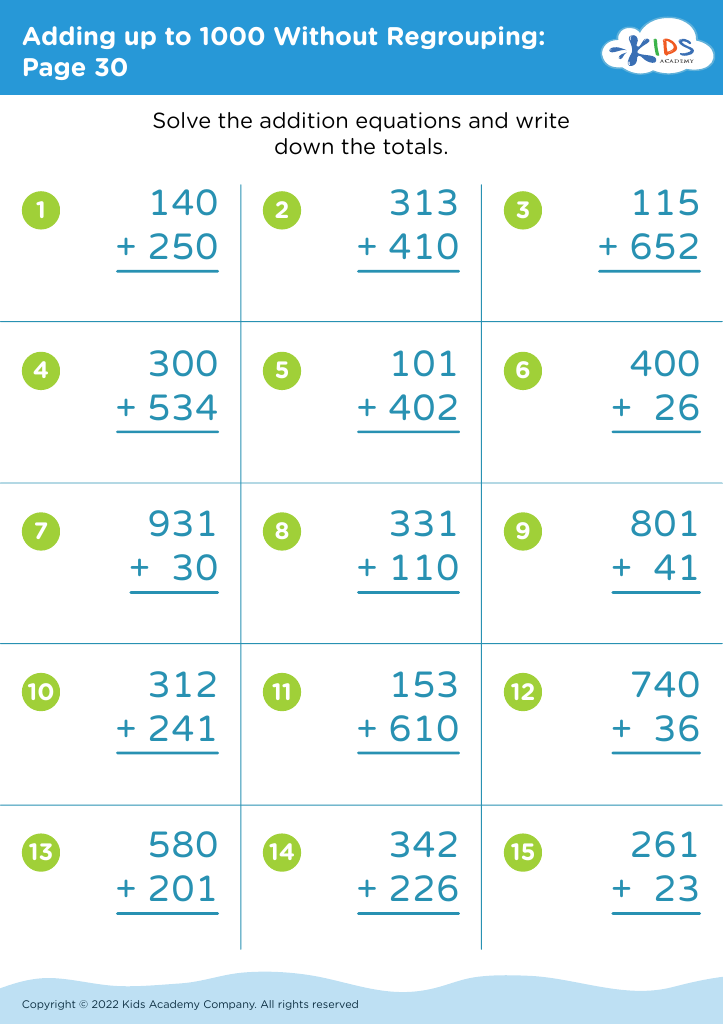
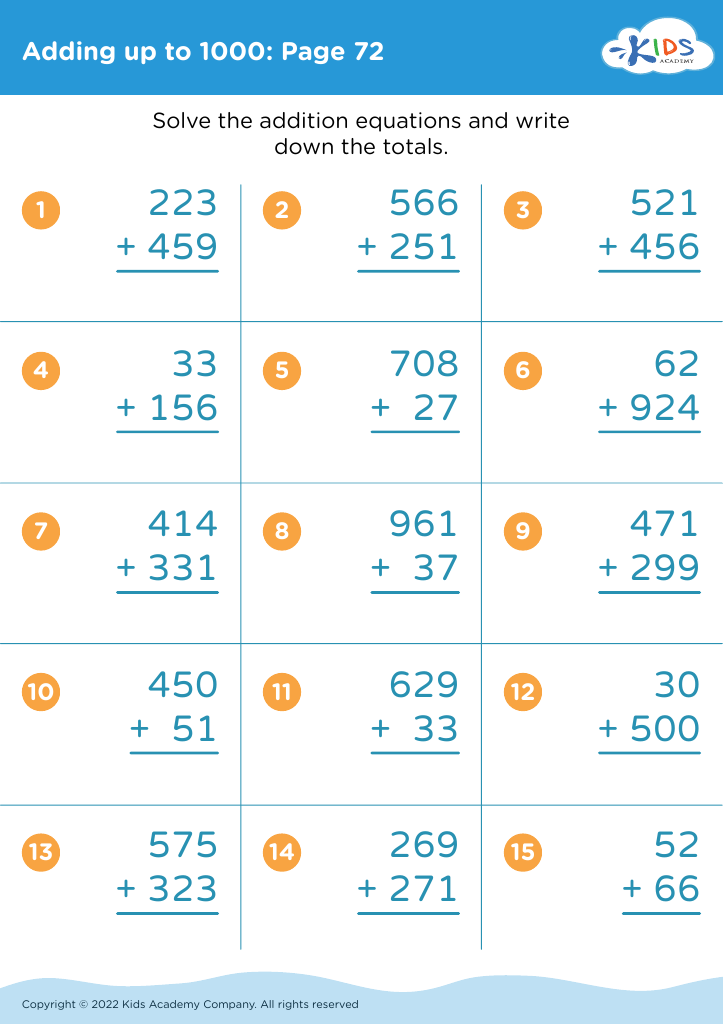
Looking for engaging resources to help your second grader master essential math skills? Check out our "Identifying Shapes Grade 2 Adding up to 1000 Worksheets"! These expertly crafted worksheets are designed to make learning fun and effective. Your child will explore geometry by identifying and distinguishing various shapes, while also practicing addition up to 1000. Each worksheet provides student-friendly instructions and vibrant illustrations, promoting a strong foundation in both arithmetic and geometry. Ideal for both classroom and at-home practice, these worksheets ensure comprehensive skill development and a love for learning. Give your child the head start they deserve today!



Identifying shapes and adding up to 1000 are fundamental skills for second graders that play a crucial role in their cognitive and academic development. Understanding shapes lays the foundation for geometry, spatial awareness, and problem-solving. Recognizing shapes like triangles, rectangles, and circles enhances children's abilities to comprehend more complex mathematical concepts later on, such as area and volume. Moreover, it helps in everyday tasks, from reading maps to organizing objects effectively.
Addition up to 1000 signifies a key milestone in numerical fluency. Mastery of this skill not only serves as a critical stepping stone for advanced arithmetic, but it also boosts a child's confidence in handling numbers. This competency aids in budgeting, measuring lengths, and understanding time, thus forging a well-rounded mathematical mindset.
When parents and teachers prioritize these skills, they nurture a child's analytical thinking, practical problem-solving abilities, and academic success across various subjects. Encouragement and consistent practice in these areas can help solidify foundational knowledge, making future learning more accessible and less daunting. In short, attention to identifying shapes and proficiency in addition up to 1000 ensures a well-equipped and competent learner, ready to tackle more ambitious academic endeavors.