Improve reading skills Grade 2 Adding up to 50 Misc Worksheets
3 filtered results
-
From - To
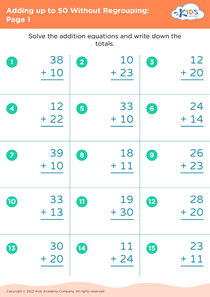
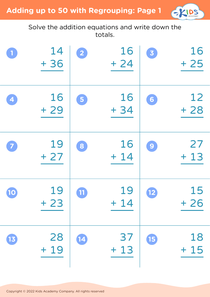
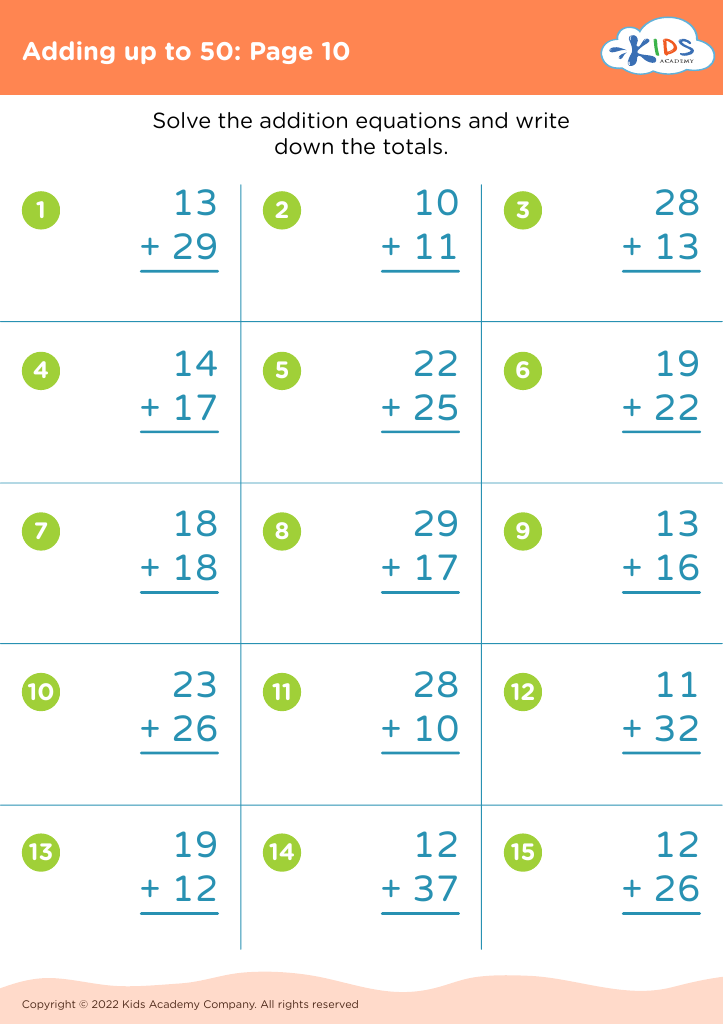
Enhance your Grade 2 students' reading skills with our engaging "Improve Reading Skills" worksheets, specifically designed for learners mastering addition skills up to 50. These resources seamlessly integrate math and literacy, promoting comprehension and vocabulary through carefully crafted exercises. Kids will bolster their reading and math concepts by working through diverse tasks that involve word problems, contextual clues, and language enrichment. Ideal for classroom use or at-home practice, these worksheets not only reinforce essential math skills but also foster a love for reading. Empower your young learners with this fun, impactful way to improve their reading confidence and overall academic performance.
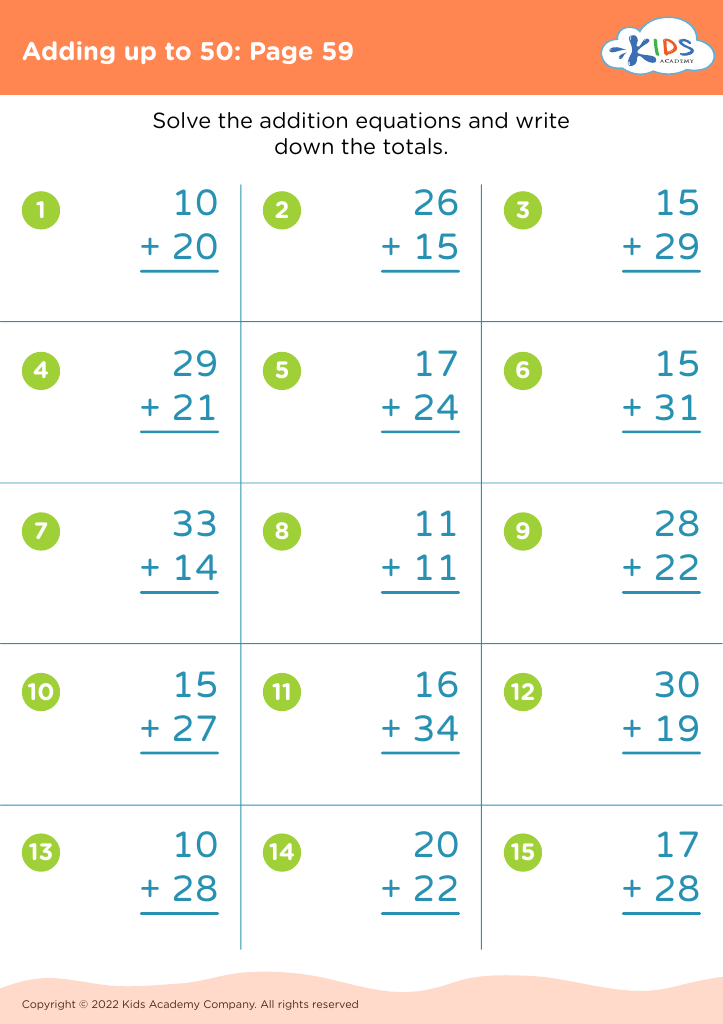
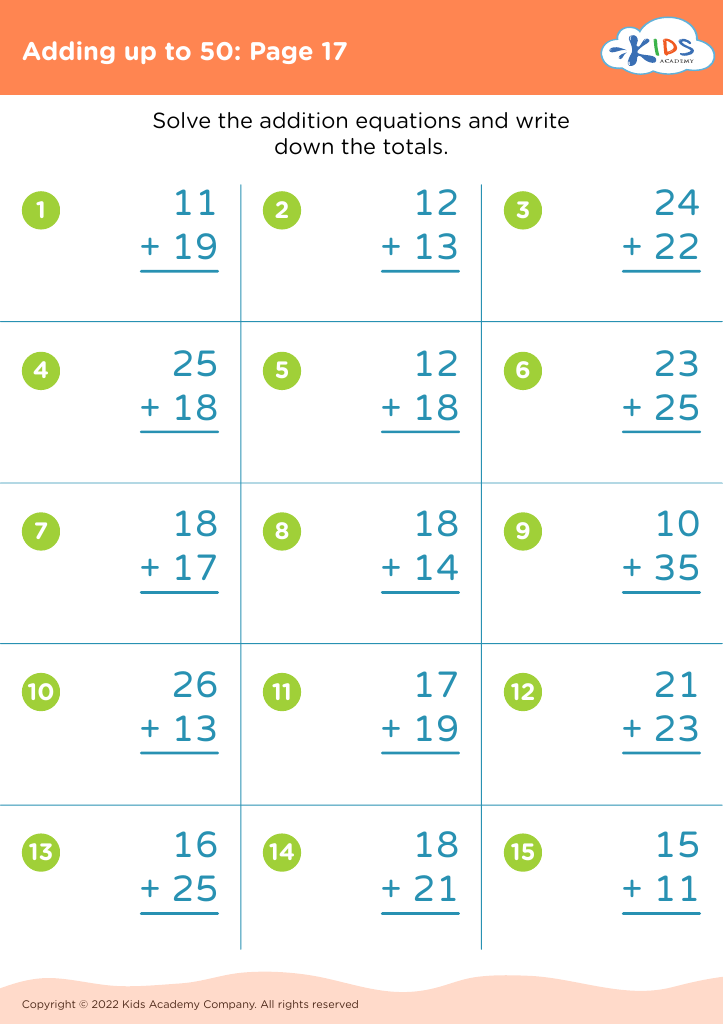


Parents and teachers should prioritize improving reading skills in Grade 2 as it lays the foundational block for children's future academic success and overall cognitive development. At this age, children make significant strides in reading fluency, comprehension, and vocabulary, which are critical for all subjects, especially in disciplines like mathematics involving concepts like "adding up to 50." When children read well, they can comprehend instructions, word problems, and educational texts that relate directly to math and other disciplines.
Strong reading skills enable two-way learning where pastoral and engagement exercises become effective. As students encounter various contexts in stories, their ability to analyze information strengthens their problem-solving skills, essential for mathematical operations. Moreover, proficient reading helps build confidence and a love for learning, allowing children to explore diverse topics and ideas that foster critical thinking.
When parents and teachers collaborate to focus on developing these skills during this formative stage, they create a supportive learning environment. This helps cultivate not just competent readers but also enthusiastic learners who are better equipped to tackle challenges in school and beyond. Ultimately, enhancing reading skills at this age can lead to significant long-term academic achievement and personal growth.