Filters

47 filtered results

Clear all filters
Favorites
With answer key
Interactive

47 filtered results

Difficulty Level

Grade


Check out this FREE Grade 2 Trial Lesson on Adding up to 50!

Suffixes

Favorites
With answer key
Interactive
  • Grade 2
  • Understanding fractions
  • Adding up to 50
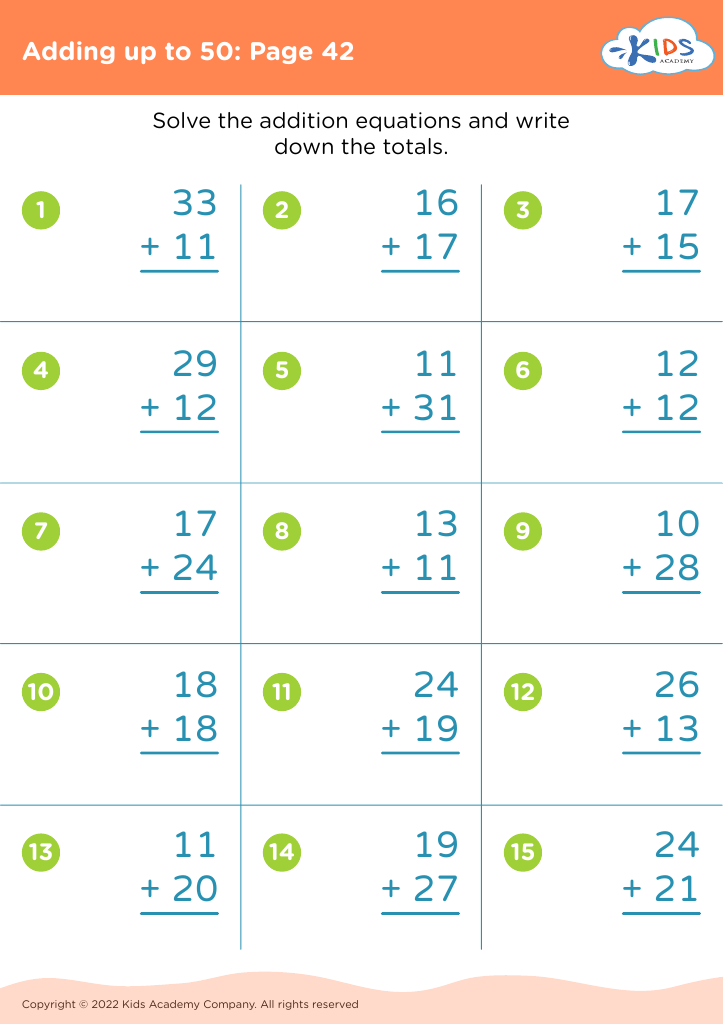
Adding up to 50: Page 42

Adding up to 50: Page 42

Adding up to 50: Page 42
Worksheet
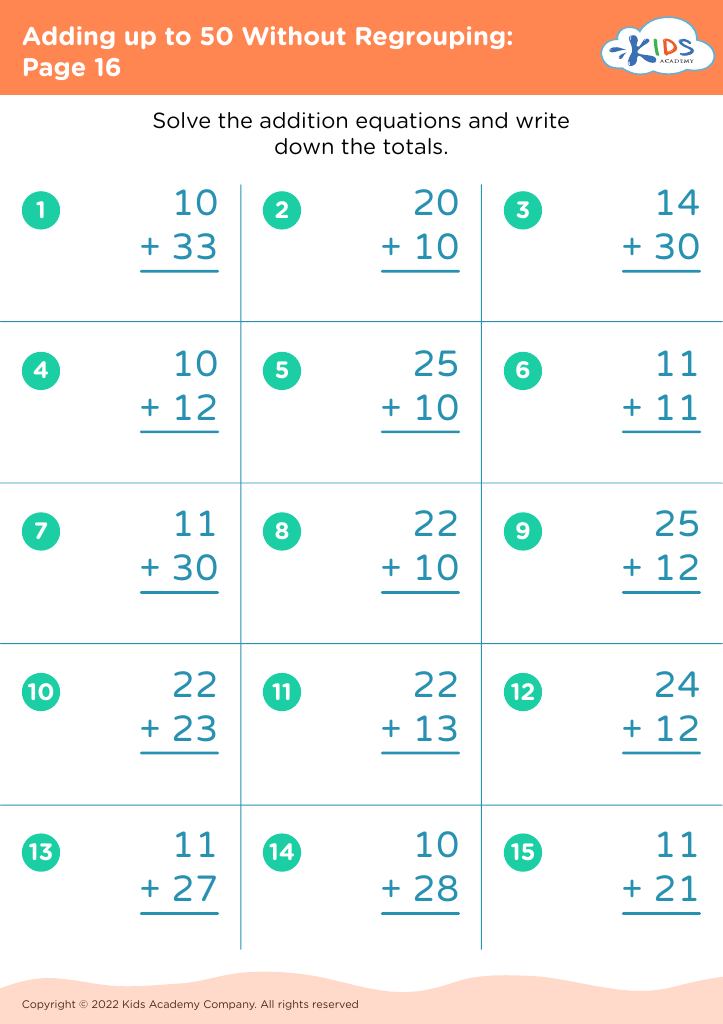
Adding up to 50 Without Regrouping: Page 16
Worksheet
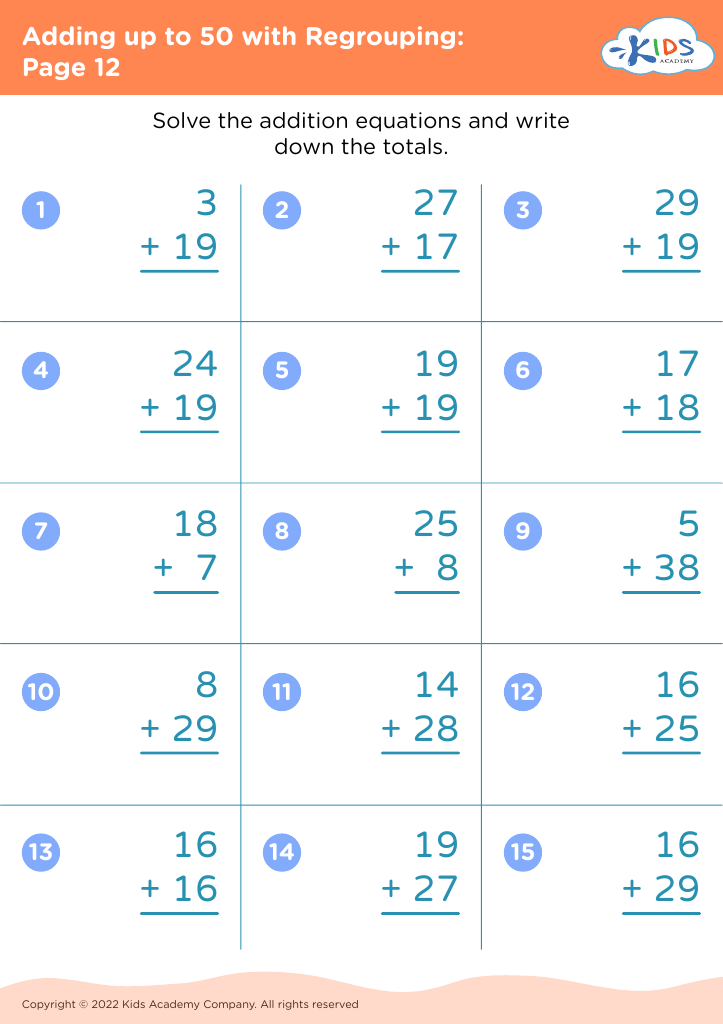
Adding up to 50 with Regrouping: Page 12
Worksheet
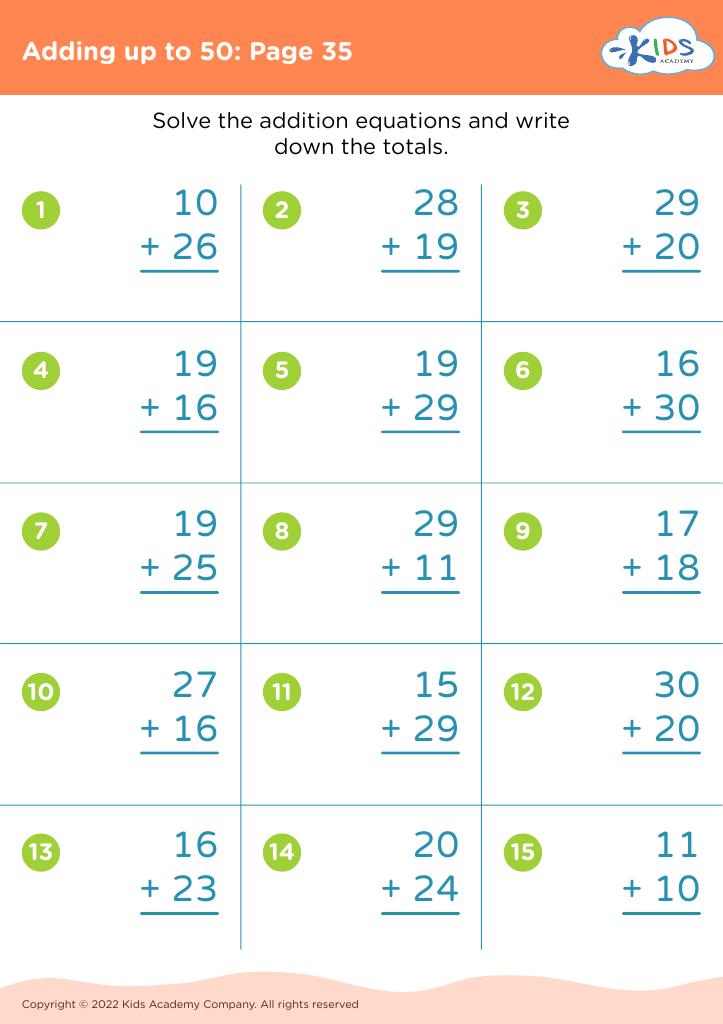
Adding up to 50: Page 35

Adding up to 50: Page 35

Adding up to 50: Page 35
Worksheet
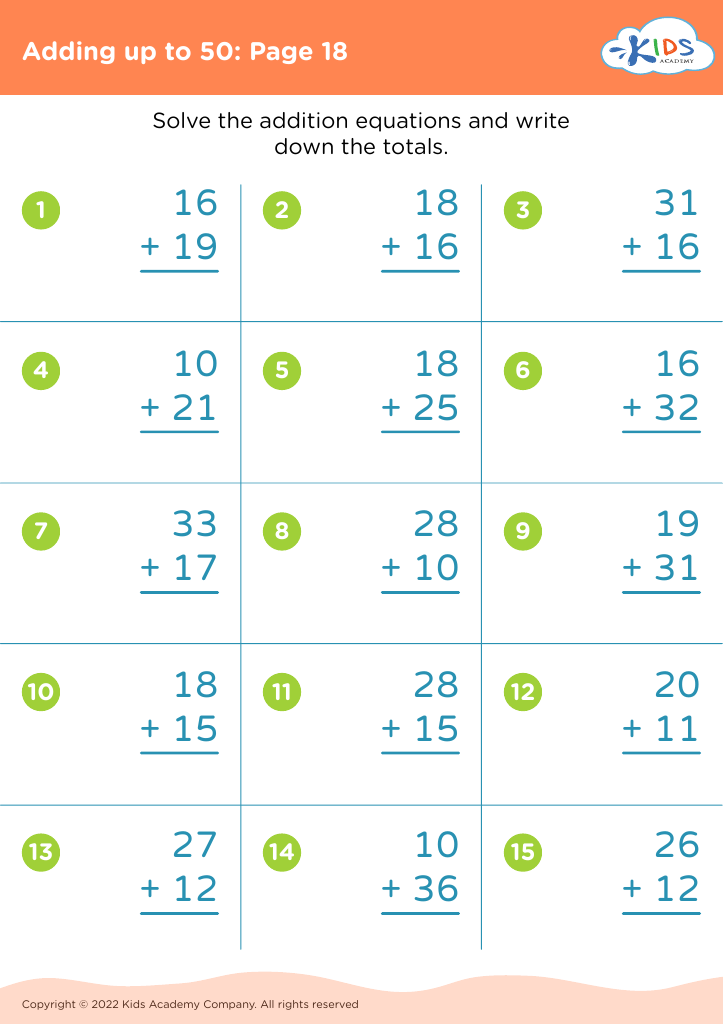
Adding up to 50: Page 18

Adding up to 50: Page 18

Adding up to 50: Page 18
Worksheet
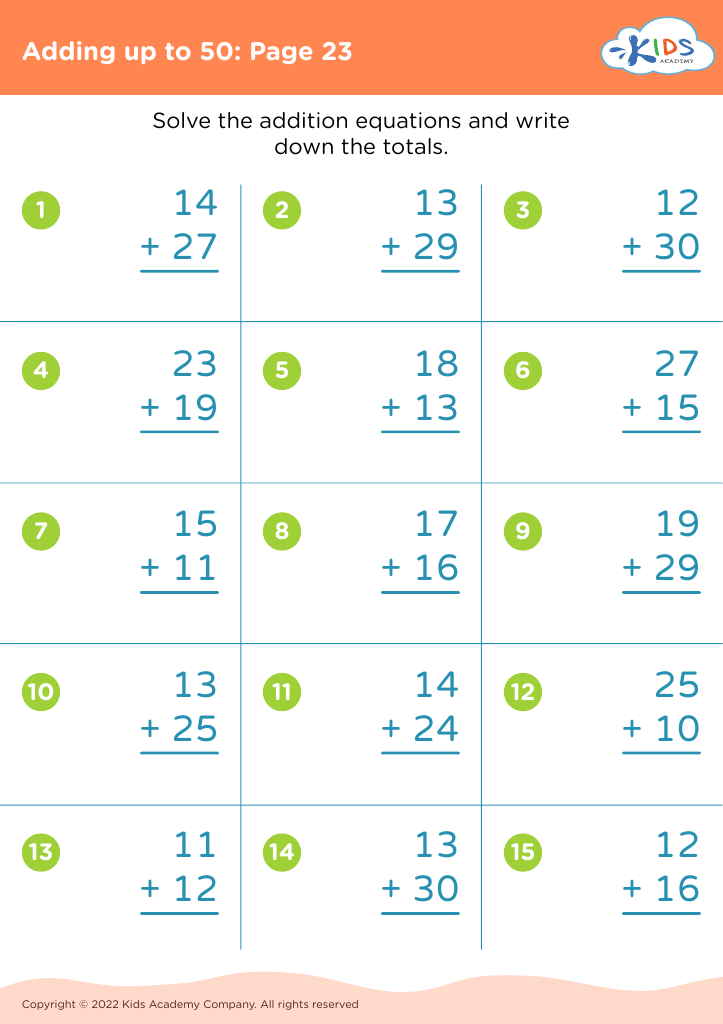
Adding up to 50: Page 23

Adding up to 50: Page 23

Adding up to 50: Page 23
Worksheet
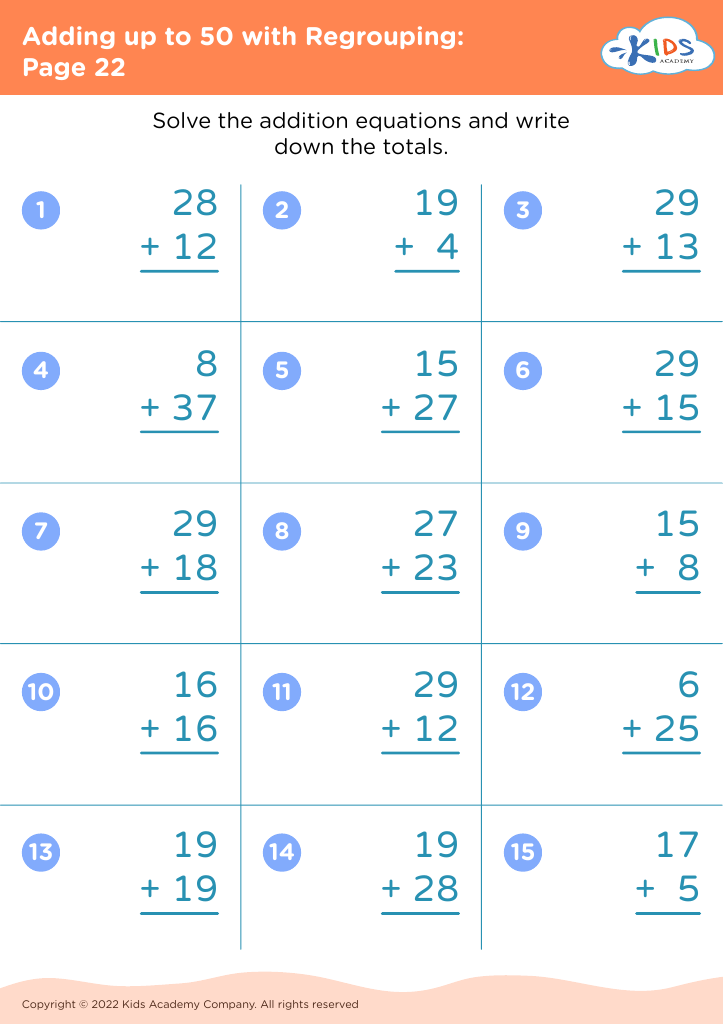
Adding up to 50 with Regrouping: Page 22
Worksheet
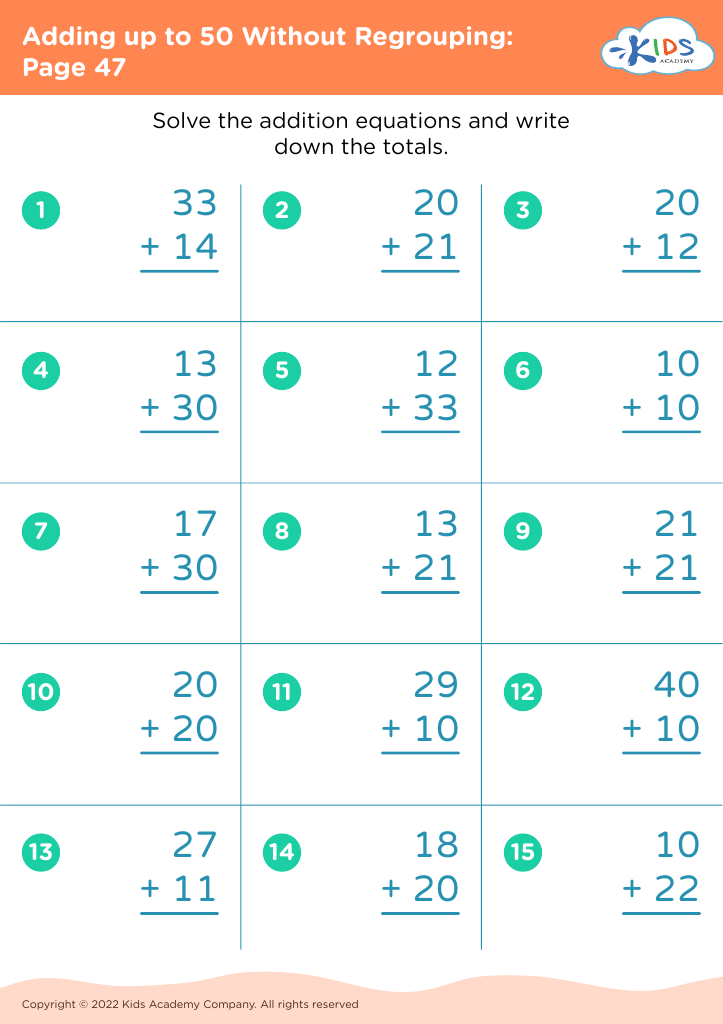
Adding up to 50 Without Regrouping: Page 47
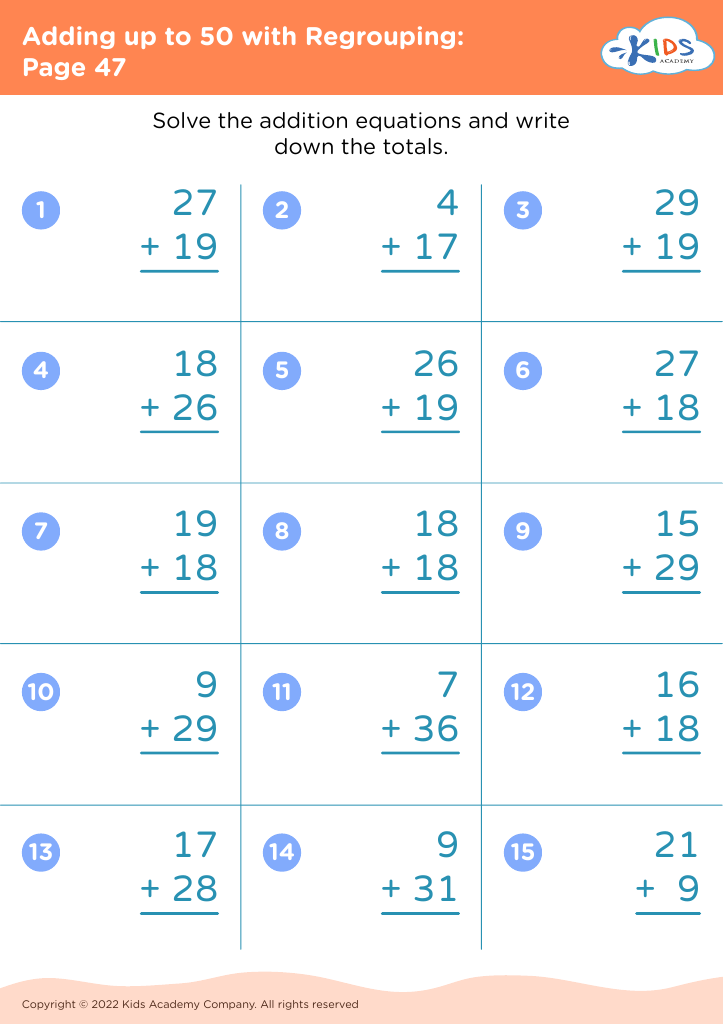
Worksheet
Adding up to 50 with Regrouping: Page 47
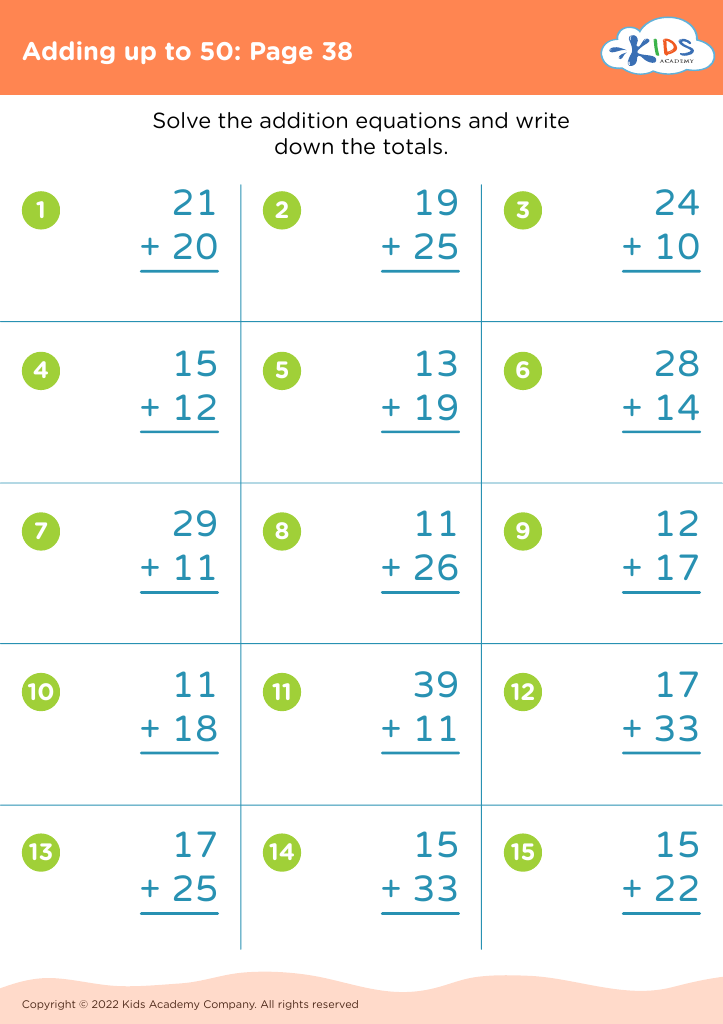
Worksheet
Adding up to 50: Page 38

Adding up to 50: Page 38

Adding up to 50: Page 38
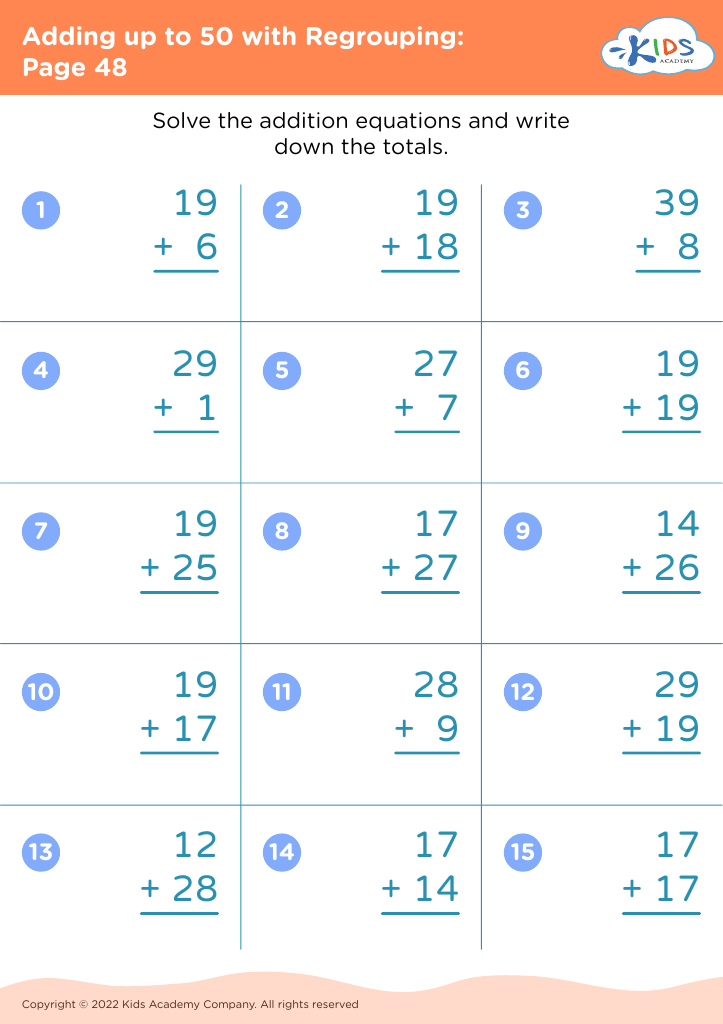
Worksheet
Adding up to 50 with Regrouping: Page 48
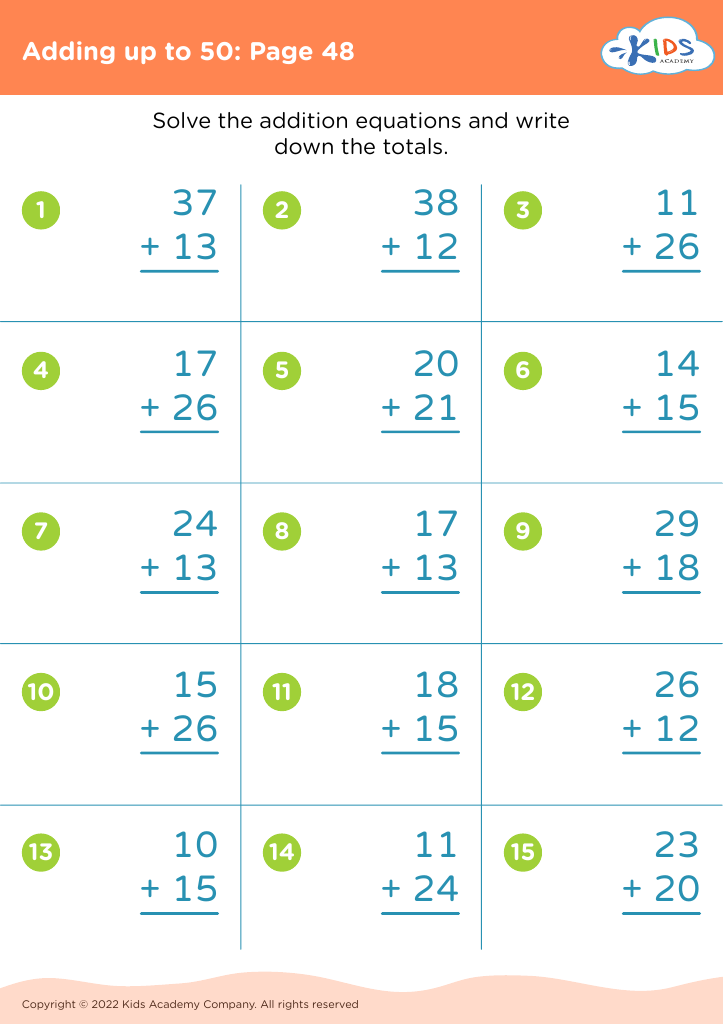
Worksheet
Adding up to 50: Page 48

Adding up to 50: Page 48

Adding up to 50: Page 48
Worksheet
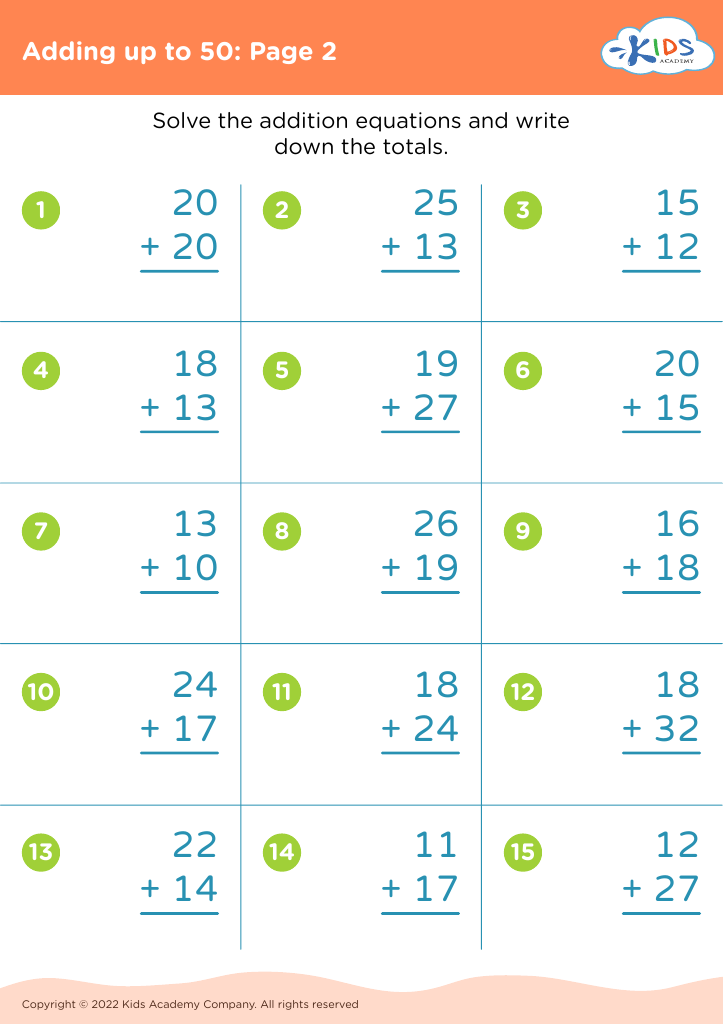
Adding up to 50: Page 2

Adding up to 50: Page 2

Adding up to 50: Page 2
Worksheet
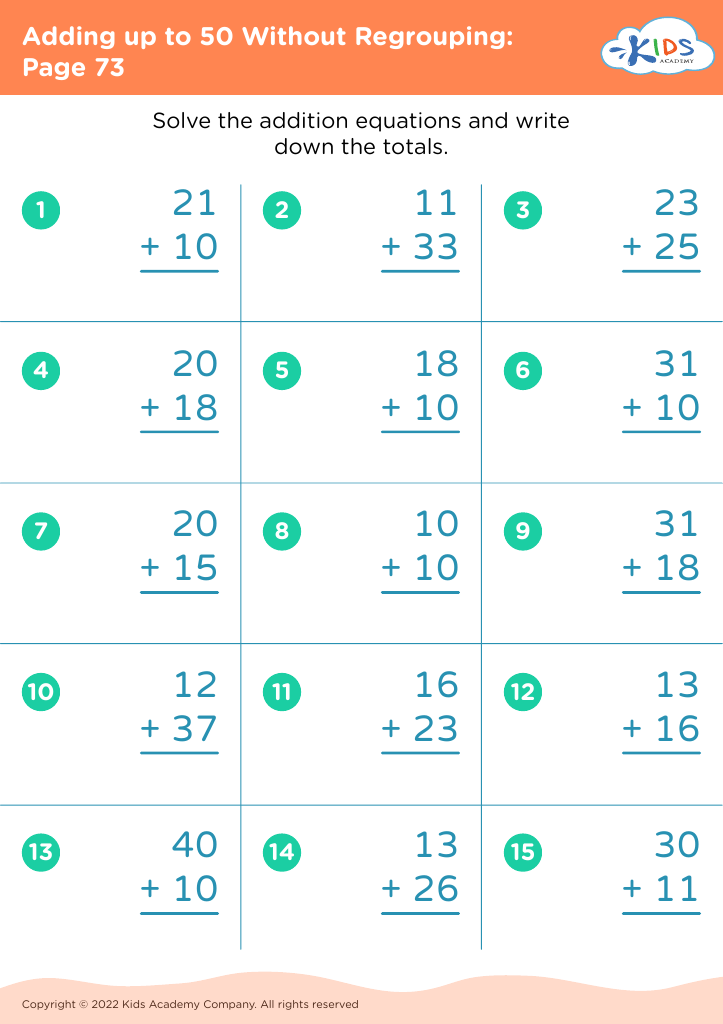
Adding up to 50 Without Regrouping: Page 73
Worksheet
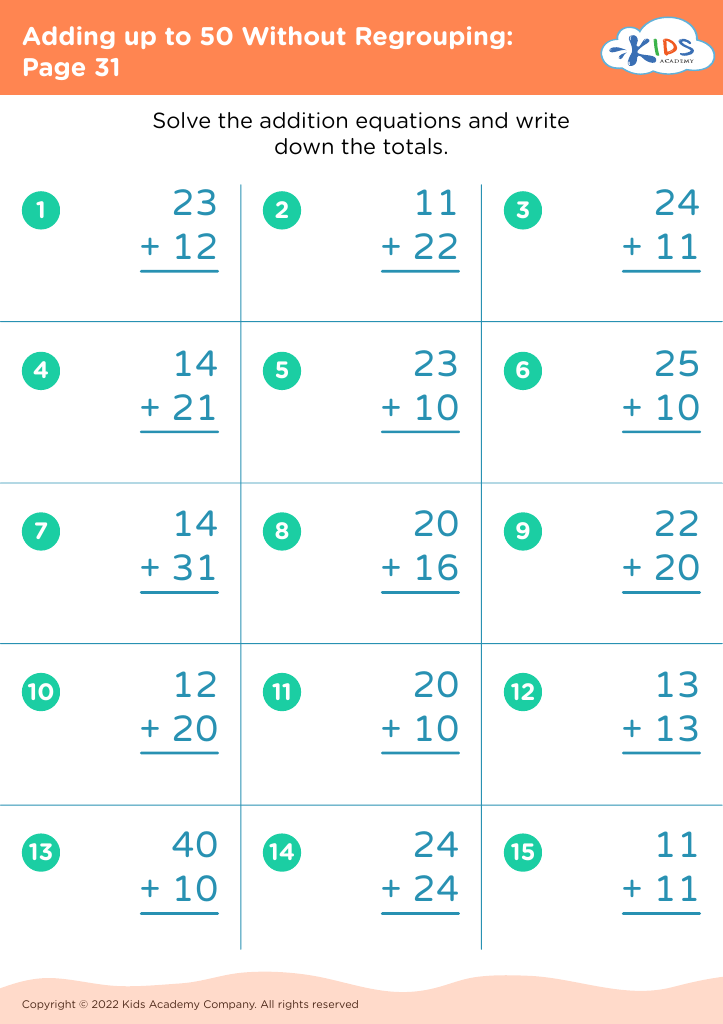
Adding up to 50 Without Regrouping: Page 31
Worksheet
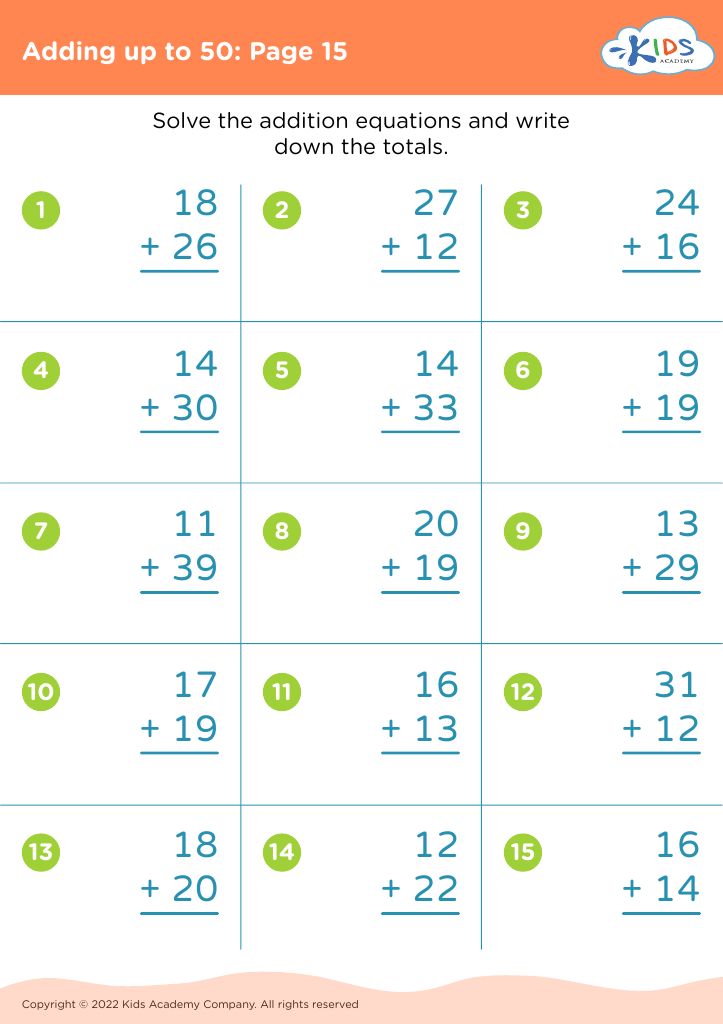
Adding up to 50: Page 15

Adding up to 50: Page 15

Adding up to 50: Page 15
Worksheet
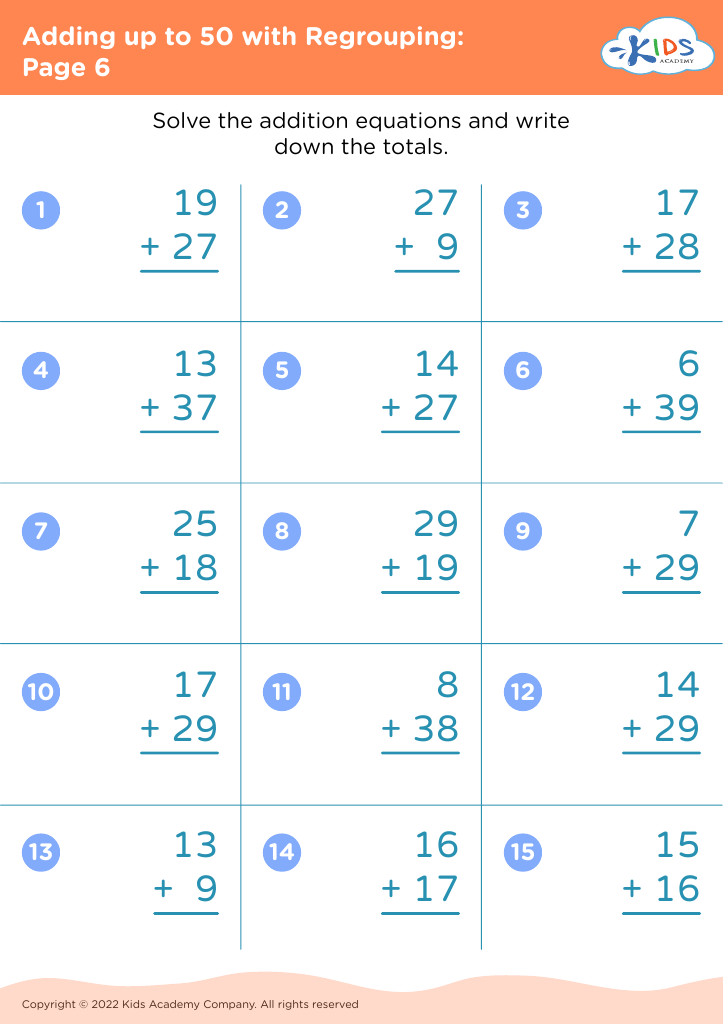
Adding up to 50 with Regrouping: Page 6
Worksheet
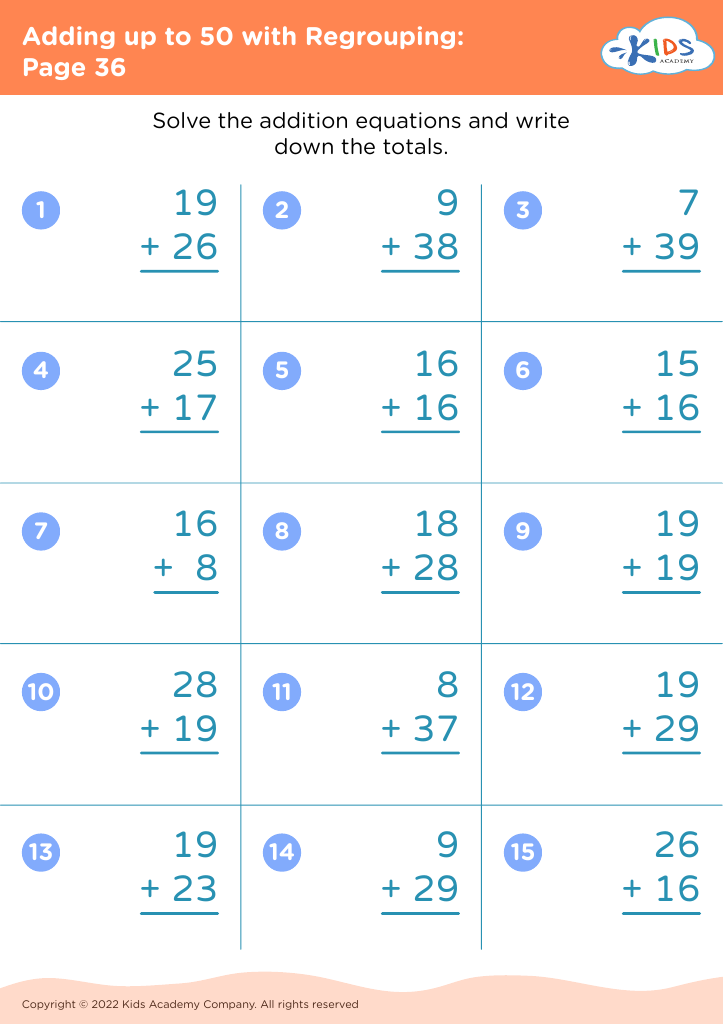
Adding up to 50 with Regrouping: Page 36
Worksheet
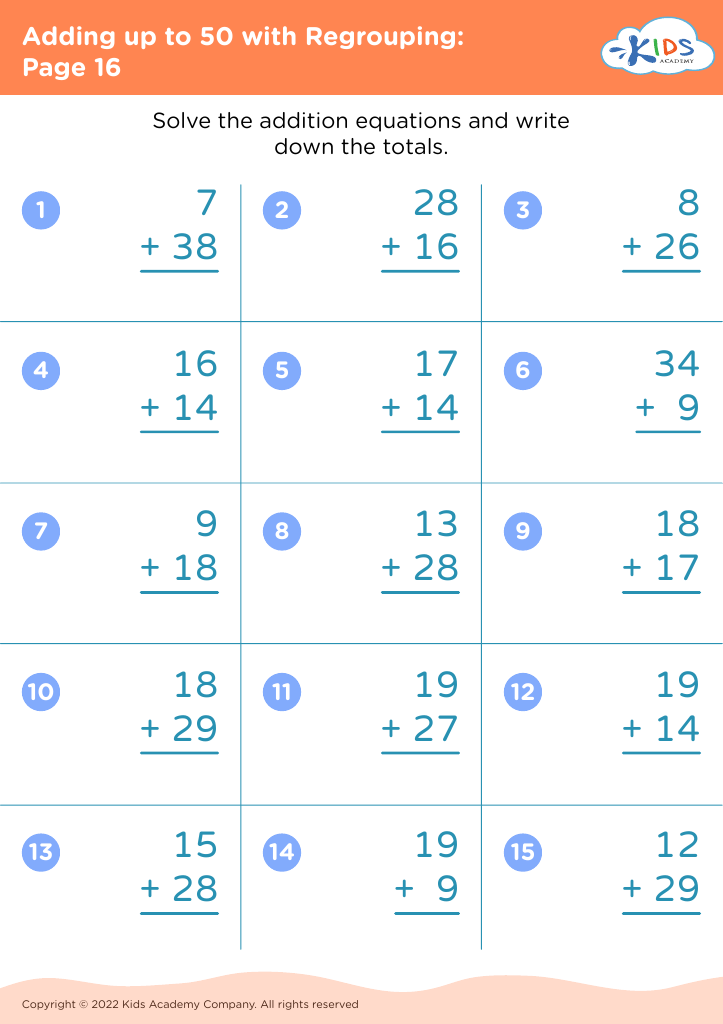
Adding up to 50 with Regrouping: Page 16
Worksheet
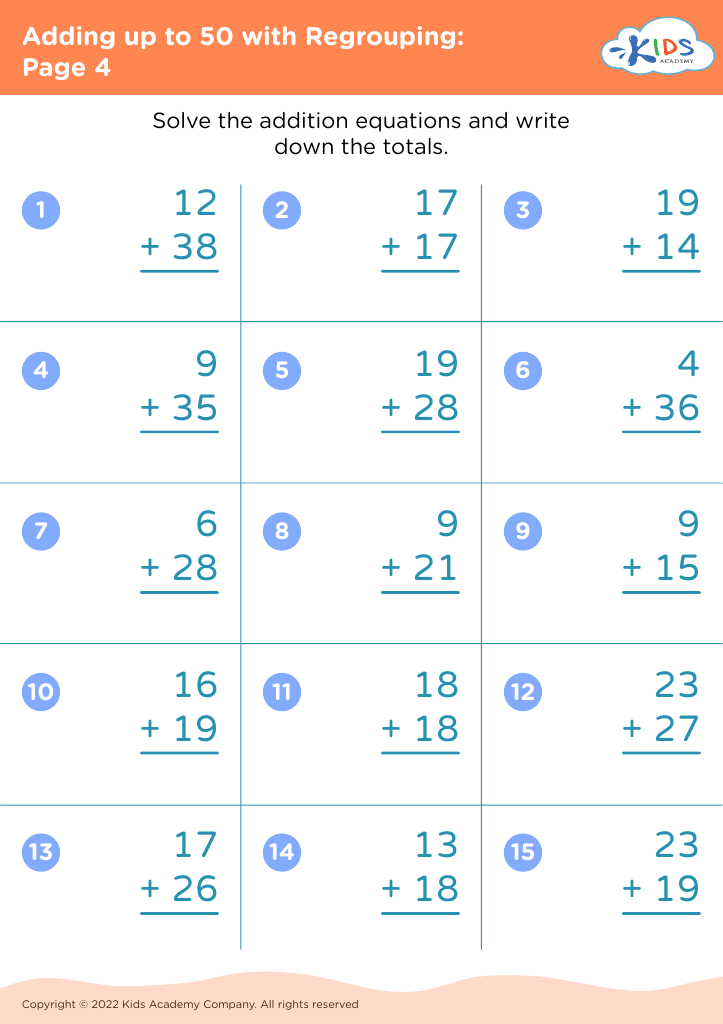
Adding up to 50 with Regrouping: Page 4
Worksheet
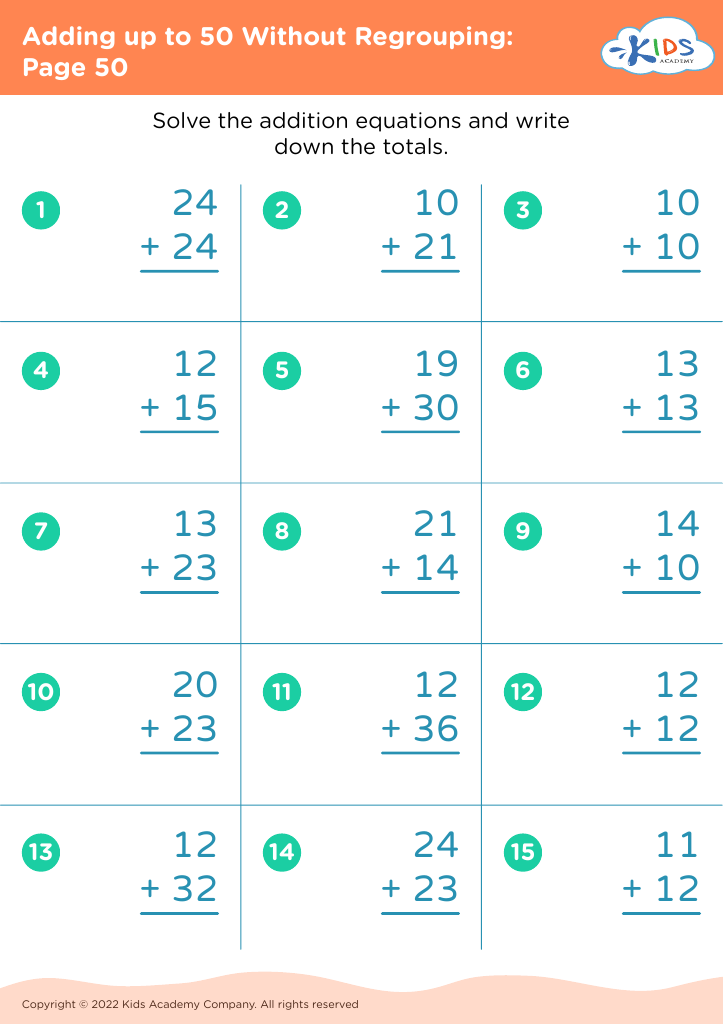
Adding up to 50 Without Regrouping: Page 50
Worksheet
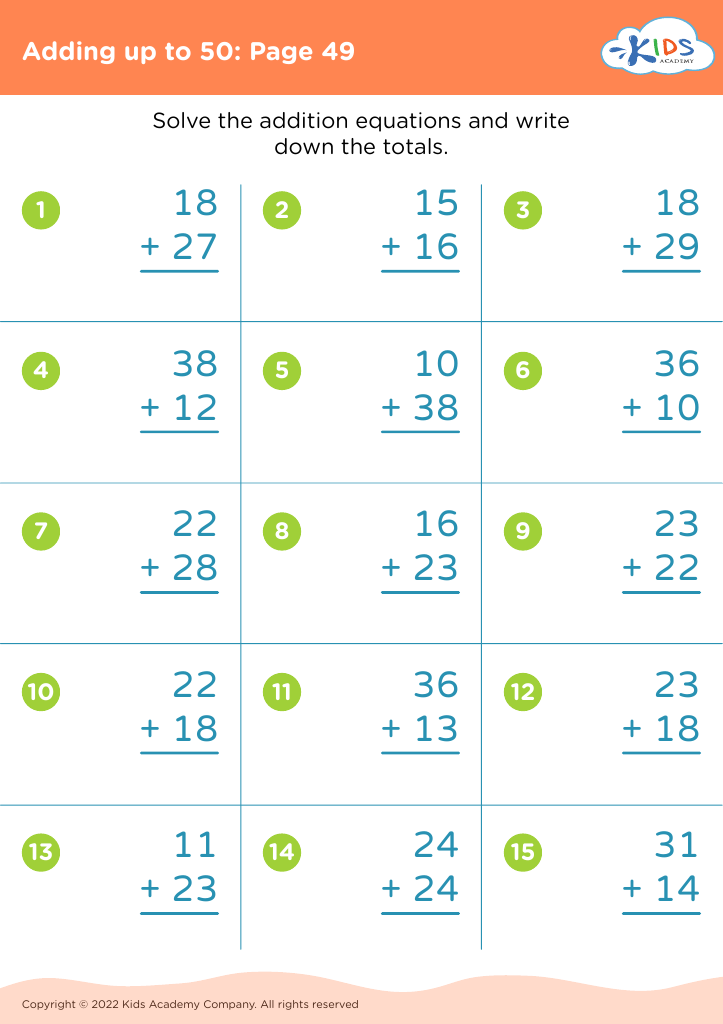
Adding up to 50: Page 49

Adding up to 50: Page 49

Adding up to 50: Page 49
Worksheet
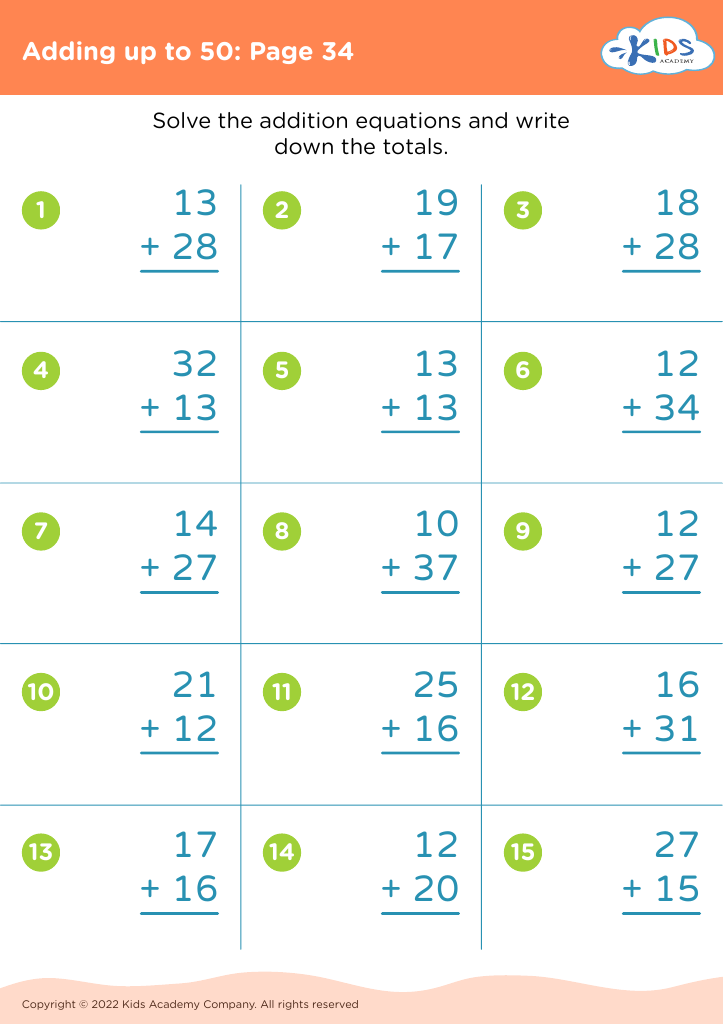
Adding up to 50: Page 34

Adding up to 50: Page 34

Adding up to 50: Page 34
Worksheet


Understanding fractions is a fundamental skill that serves as a building block for later mathematical concepts. In Grade 2, when students begin to explore fractions, they are not only developing their numerical skills but also enhancing their critical thinking abilities. The ability to grasp fractions helps children understand parts of a whole, enabling them to work with division and addition, which are foundational for future math learning.

When learning fractions, especially in the context of adding up to 50, children gain practical skills that extend beyond academics. For example, fractions can help students manage portions when sharing food, understand measurements in cooking, and make sense of simple financial concepts, such as savings or spending.

Moreover, teachers and parents play a crucial role in reinforcing these concepts at home and in school. By engaging students in hands-on activities that incorporate real-world situations involving fractions, parents and teachers can make learning more relatable and enjoyable, ultimately fostering a positive attitude towards math. As these skills solidify, children will feel more confident in their mathematical abilities, preparing them for more complex problems in the future and ensuring their success in both school and everyday life.