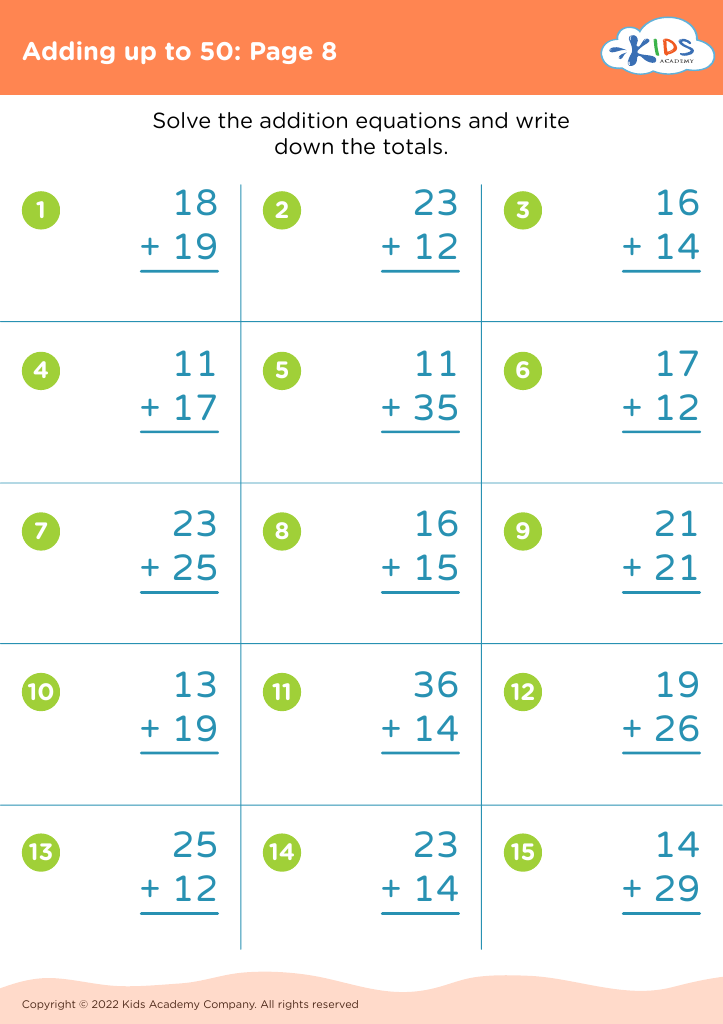
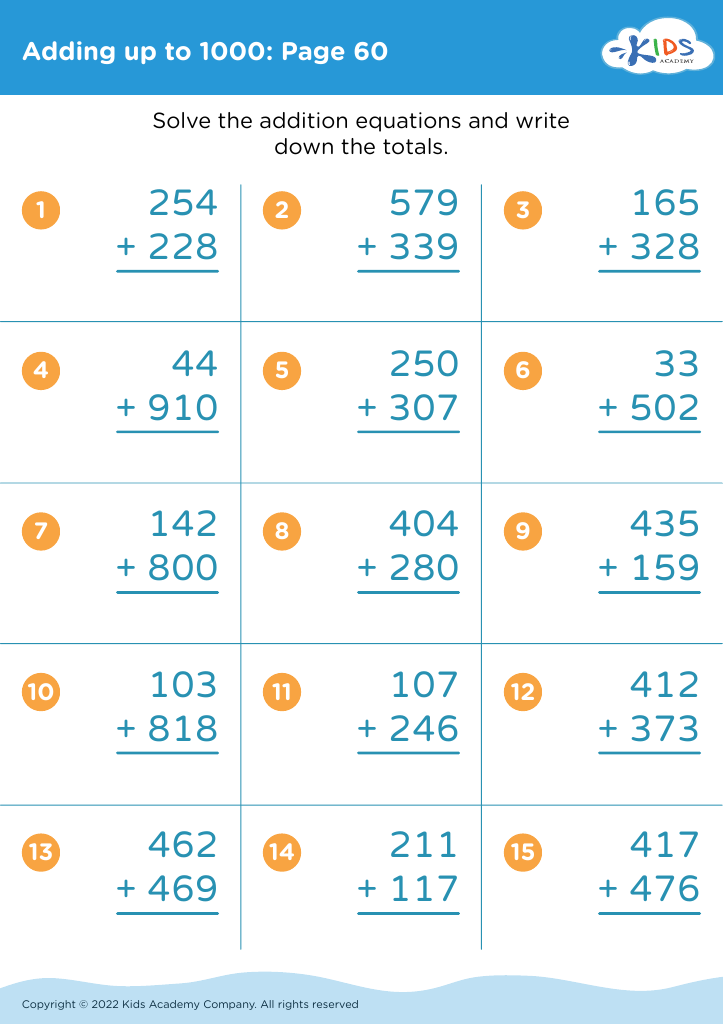
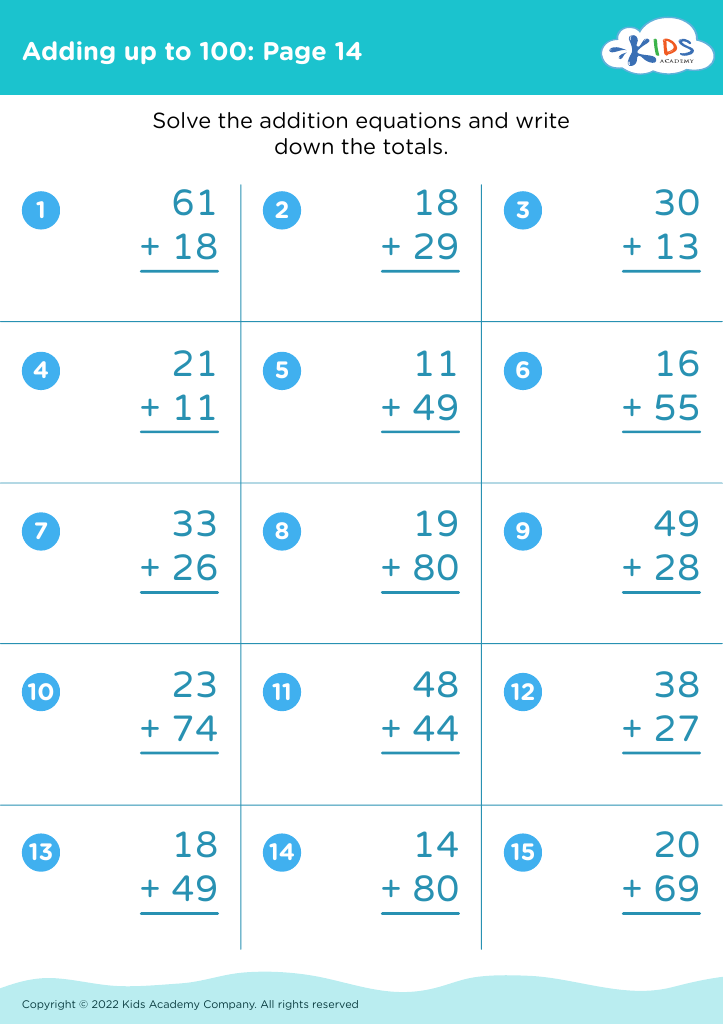
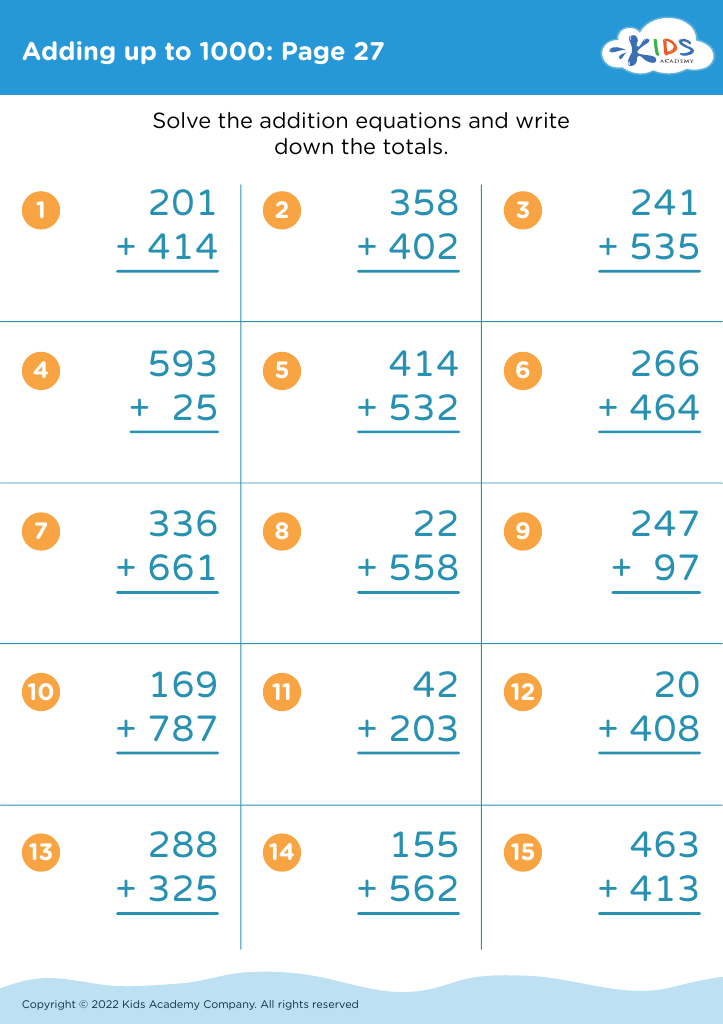
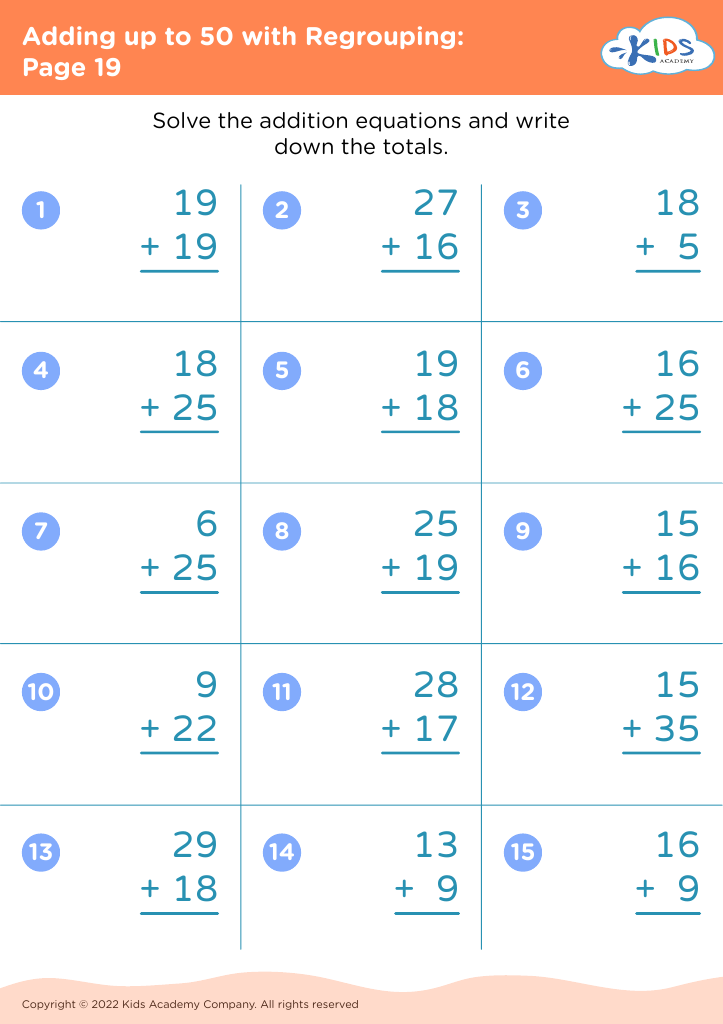
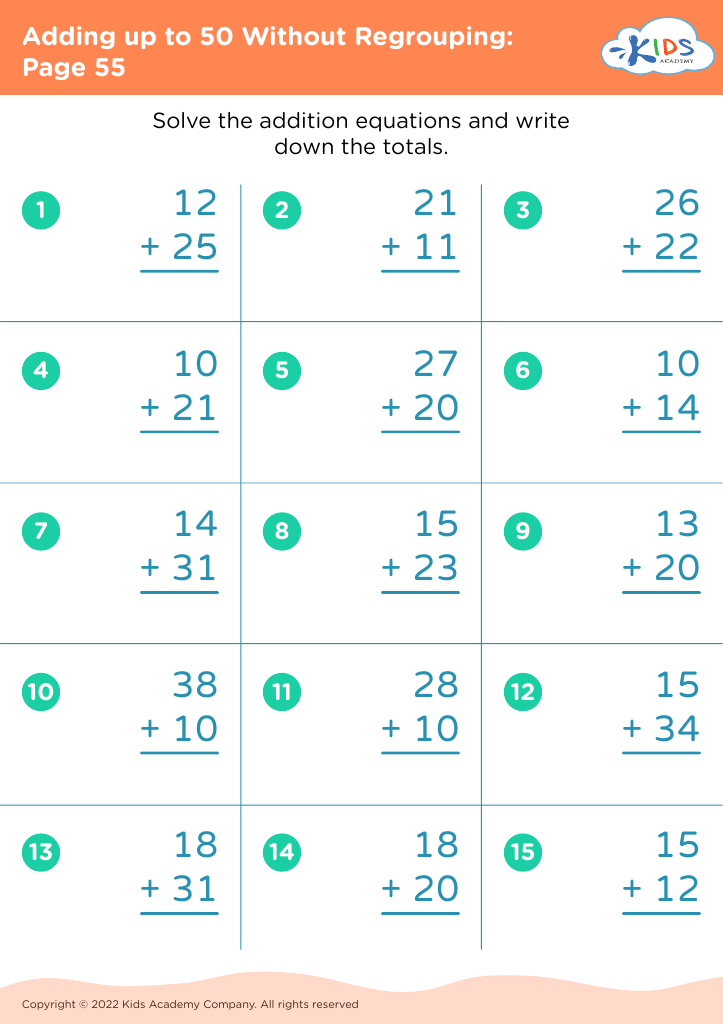
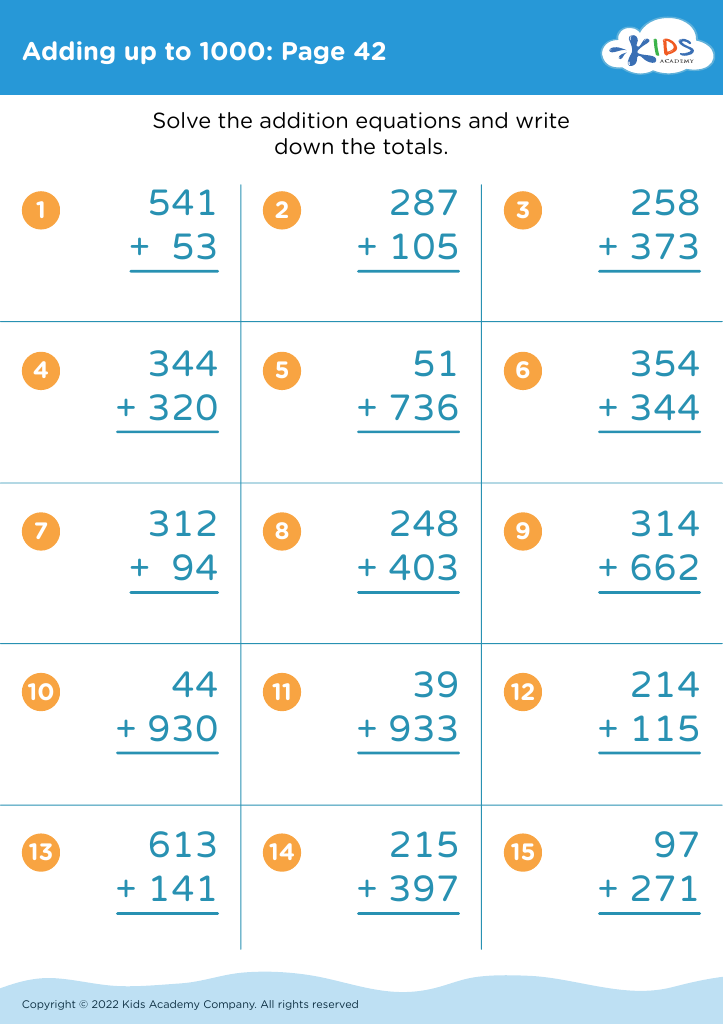
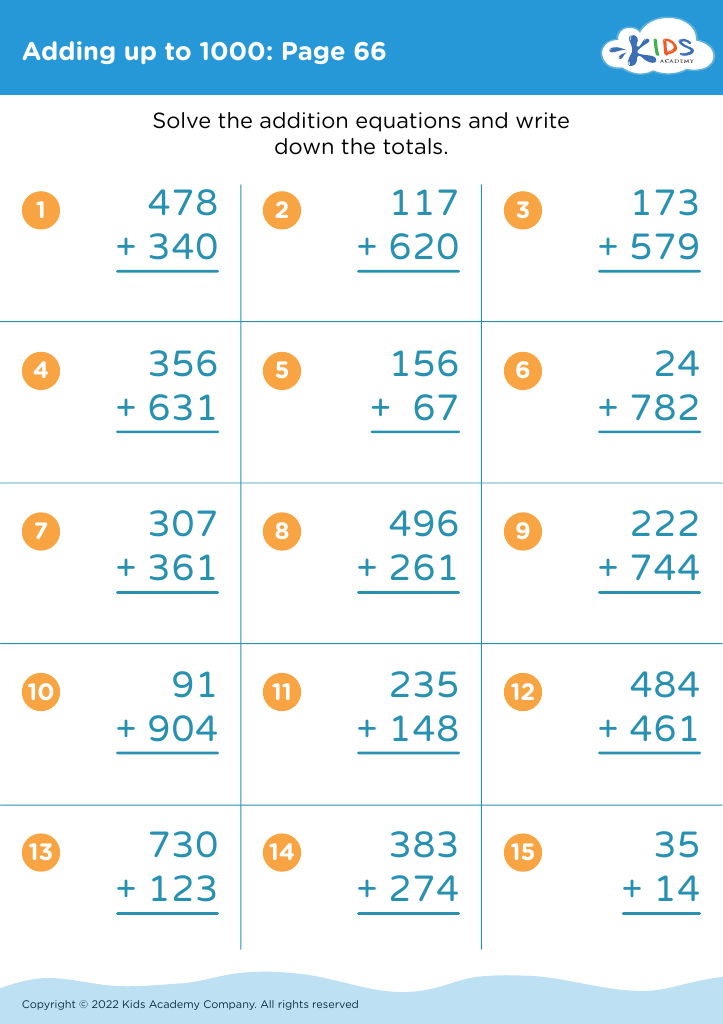
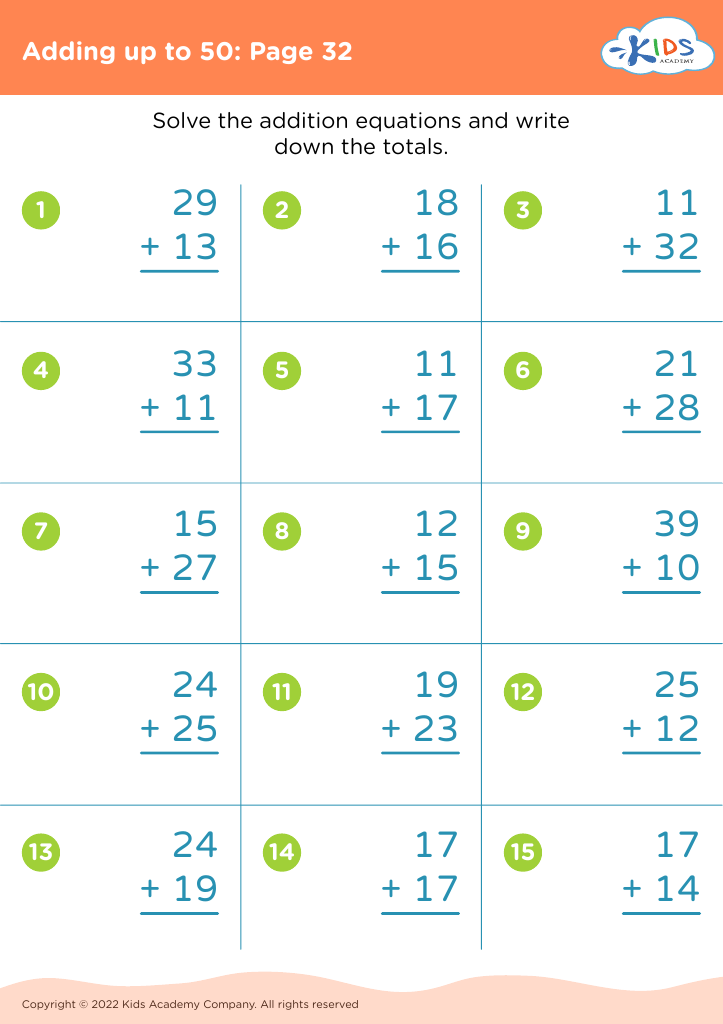







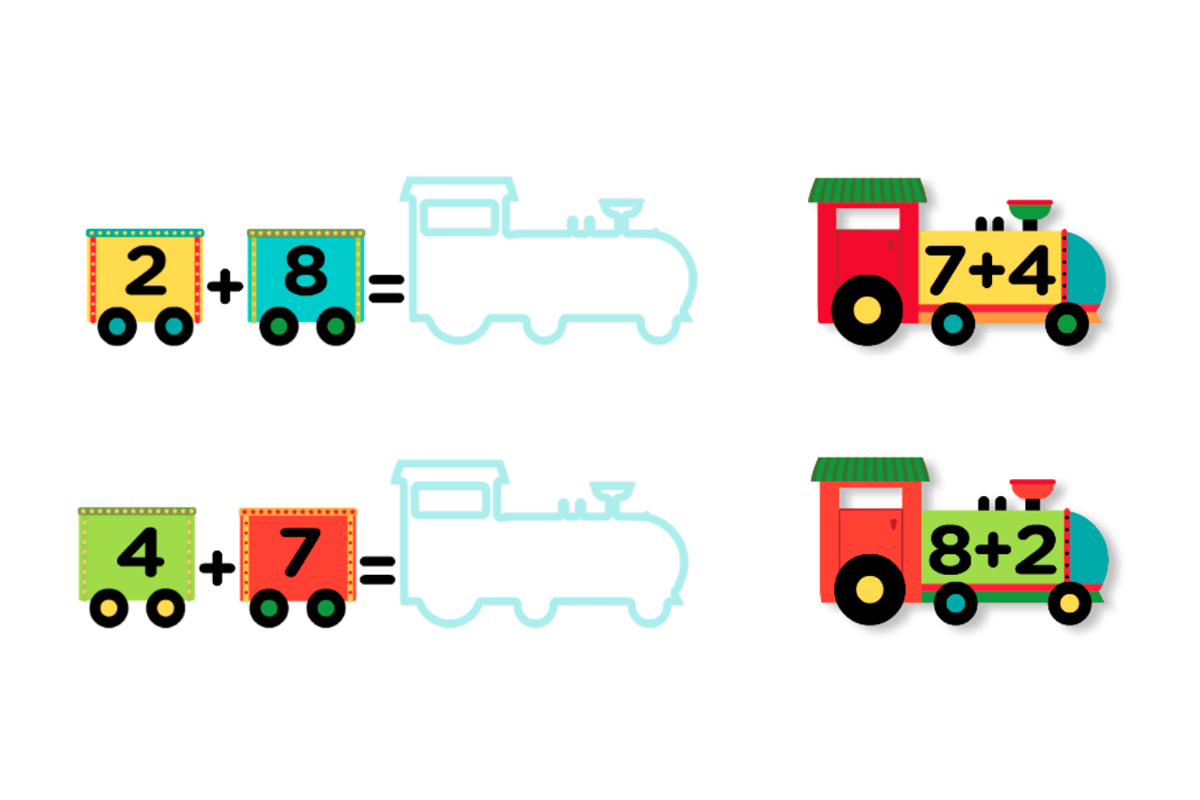
Parents and teachers should prioritize addition and subtraction practice for second graders because these foundational math skills are essential for future academic success and everyday life. At this age, children are developing their understanding of basic arithmetic, which serves as the building blocks for more complex mathematical concepts encountered in later grades, such as multiplication, division, fractions, and problem-solving.
Frequent practice in addition and subtraction helps solidify mental math skills, which are crucial for quick computations and checking work. This fluency allows children to approach math with confidence, reducing anxiety and enhancing their ability to tackle math challenges independently. Furthermore, consistent practice fosters a positive attitude towards math, promoting persistence and resilience when faced with difficulties.
These arithmetic skills also play a significant role outside the classroom. They are integral to budgeting, cooking, time management, and even playing sports. By ensuring children have a strong grasp of addition and subtraction, parents and teachers equip them with necessary skills for practical, real-world applications.
Moreover, engaging and supportive practice routines can enhance cognitive development, including memory, logical thinking, and pattern recognition. Thus, dedicating time to addition and subtraction practice can profoundly impact a child's overall cognitive growth and long-term educational journey.