Basic Math Skills Grade 2 Addition & Subtraction Worksheets - Page 3
55 filtered results
-
From - To
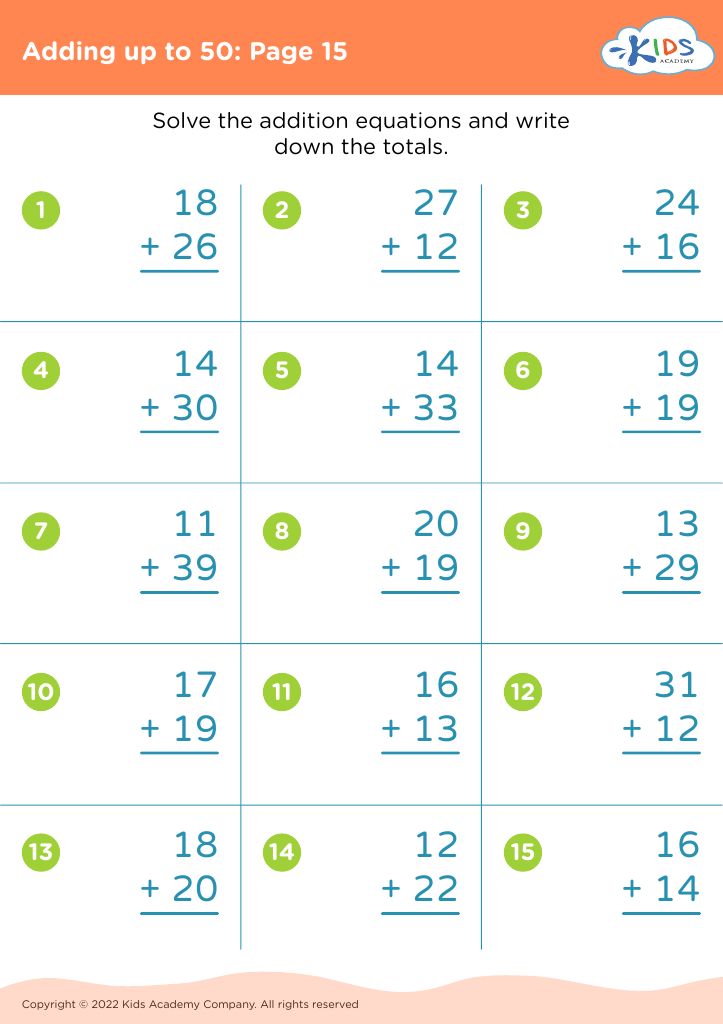
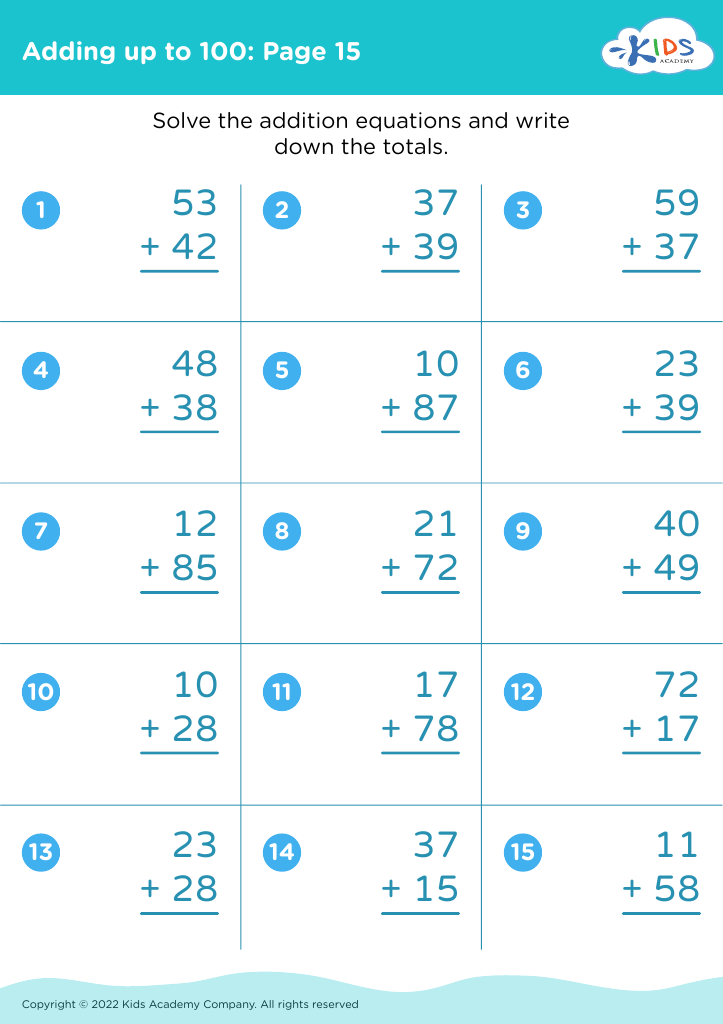
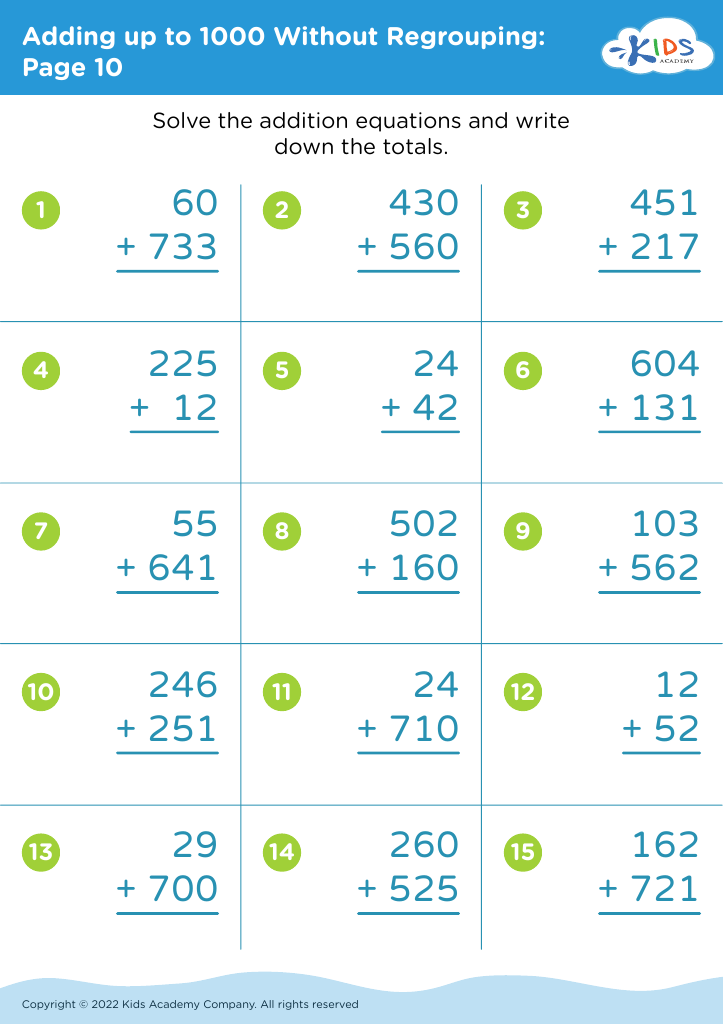
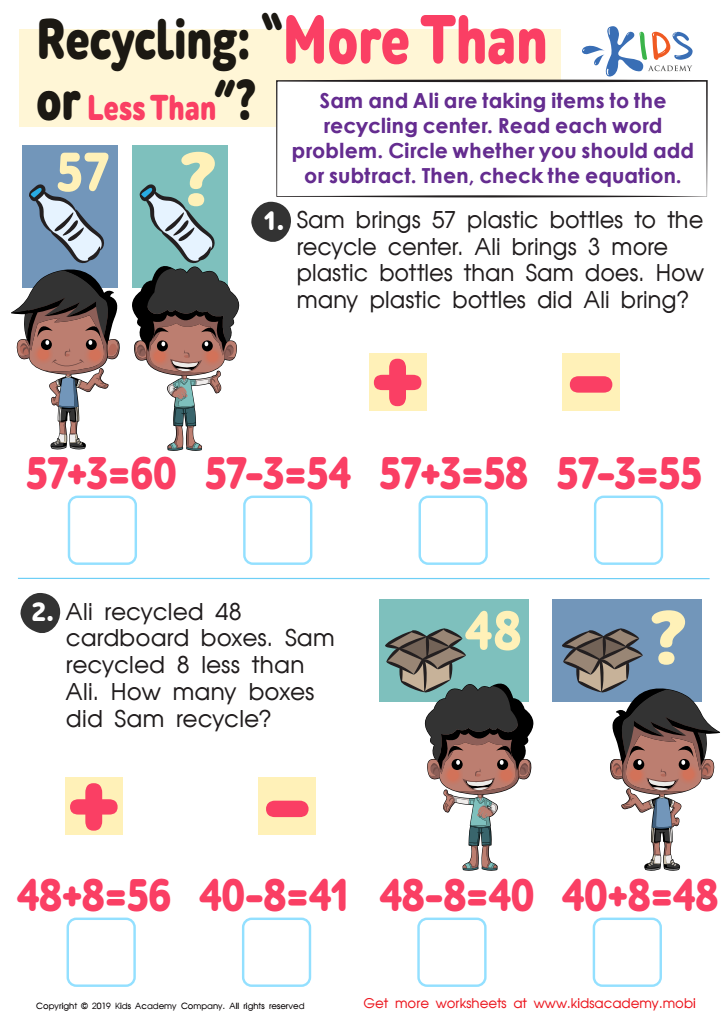
Recycling - More or Less Worksheet
 Assign to My Students
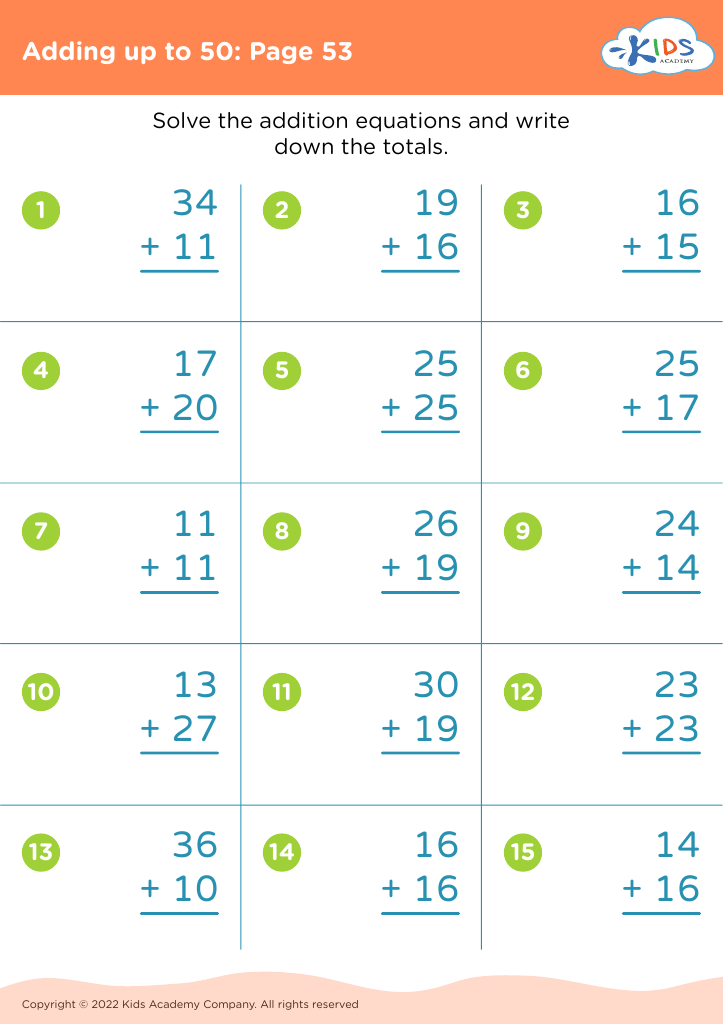
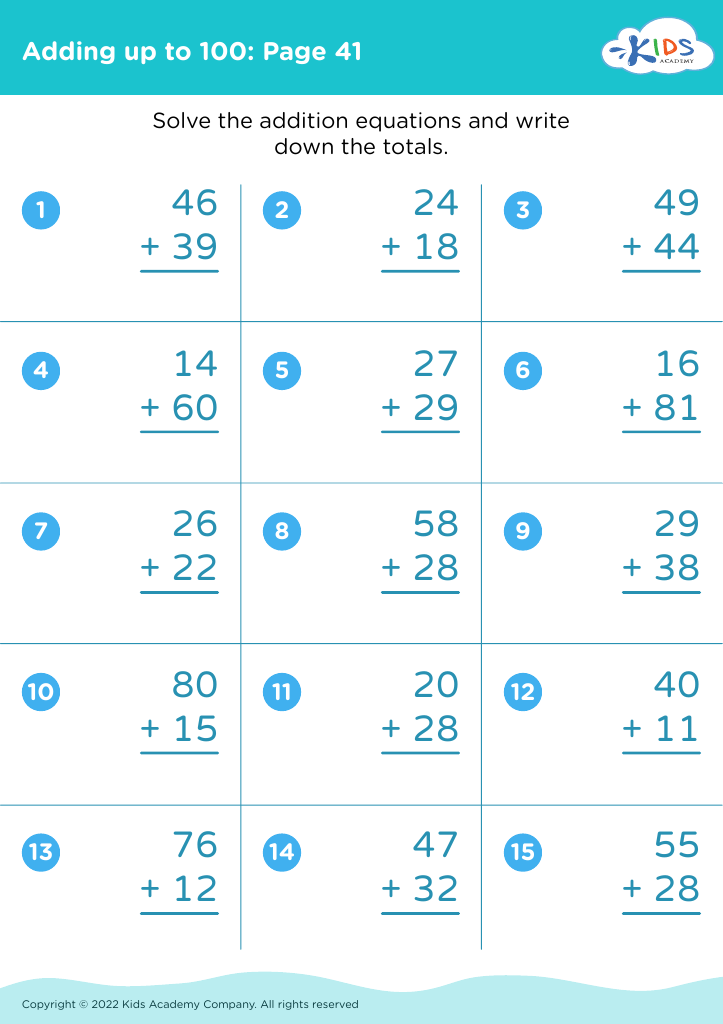
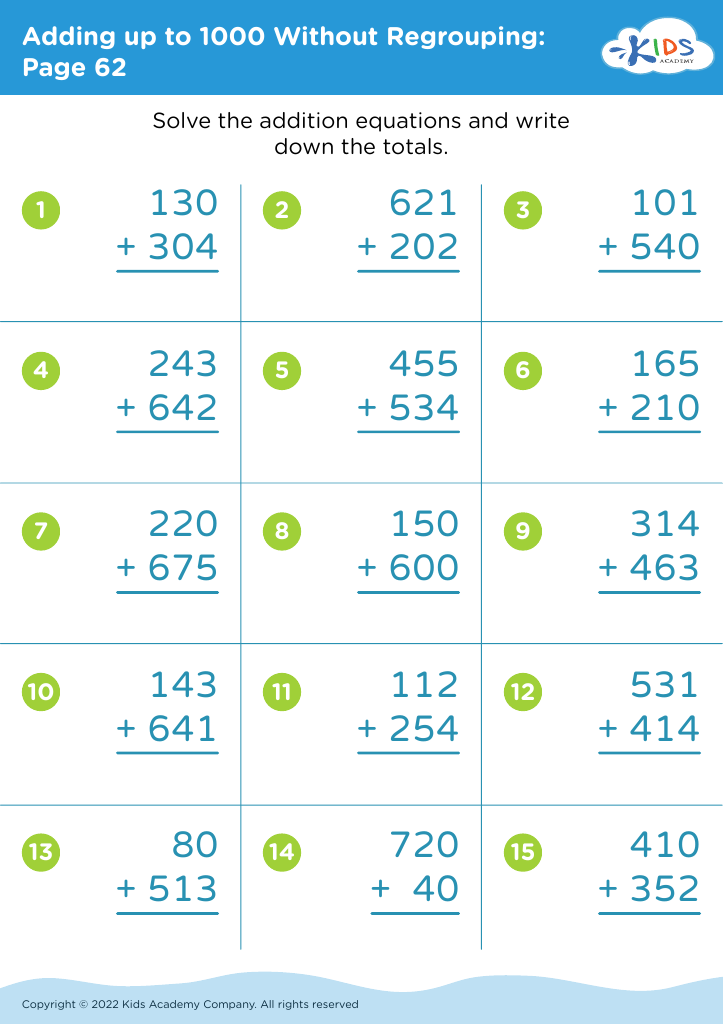








Basic Math Skills in Grade 2, particularly addition and subtraction, are foundational for a child's academic development and future success. At this critical stage, children transition from simple counting to more complex mathematical concepts. Mastering addition and subtraction helps them develop problem-solving skills, logical thinking, and a solid understanding of numbers.
For parents, caring about these skills ensures that their child is equipped to handle daily life scenarios involving math, such as calculating expenses, telling time, and measuring ingredients in recipes. Early competence in math builds a child's confidence and fosters a positive attitude towards learning.
For teachers, focusing on these skills lays the groundwork for later topics in math, like multiplication and division, fractions, and even algebra. Ensuring students grasp basic operations enables teachers to introduce more advanced concepts seamlessly. A strong mathematical foundation also correlates with improved performance in other subjects, such as science and technology.
Both parents and teachers play pivotal roles in encouraging practice and reinforcing a child's learning through engaging activities, hands-on experiences, and real-life applications. Building these skills early can prevent future learning gaps and sets the stage for a lifelong appreciation and understanding of math.