Enhance number recognition Grade 2 Addition & Subtraction Worksheets
17 filtered results
-
From - To
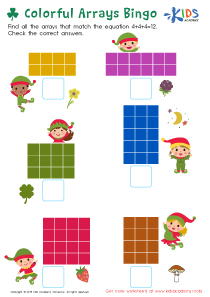
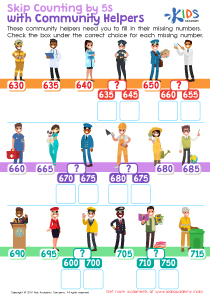
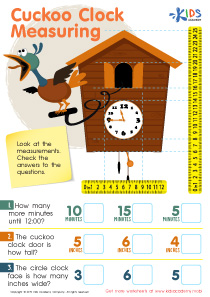
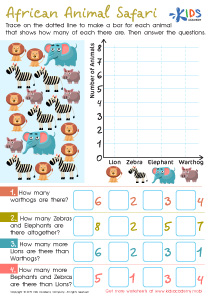
Enhance your child's number recognition skills with our Grade 2 Addition & Subtraction Worksheets. These engaging printables from Kids Academy focus on boosting numerical fluency by combining fun exercises with critical math concepts. Perfect for second graders, our worksheets not only help students master addition and subtraction but also improve their ability to recognize and understand numbers with ease. Designed by education experts, each worksheet is tailored to provide a delightful learning experience, aiding in the development of both fundamental and advanced math skills. Empower your child to excel in math with these powerful and enjoyable resources!
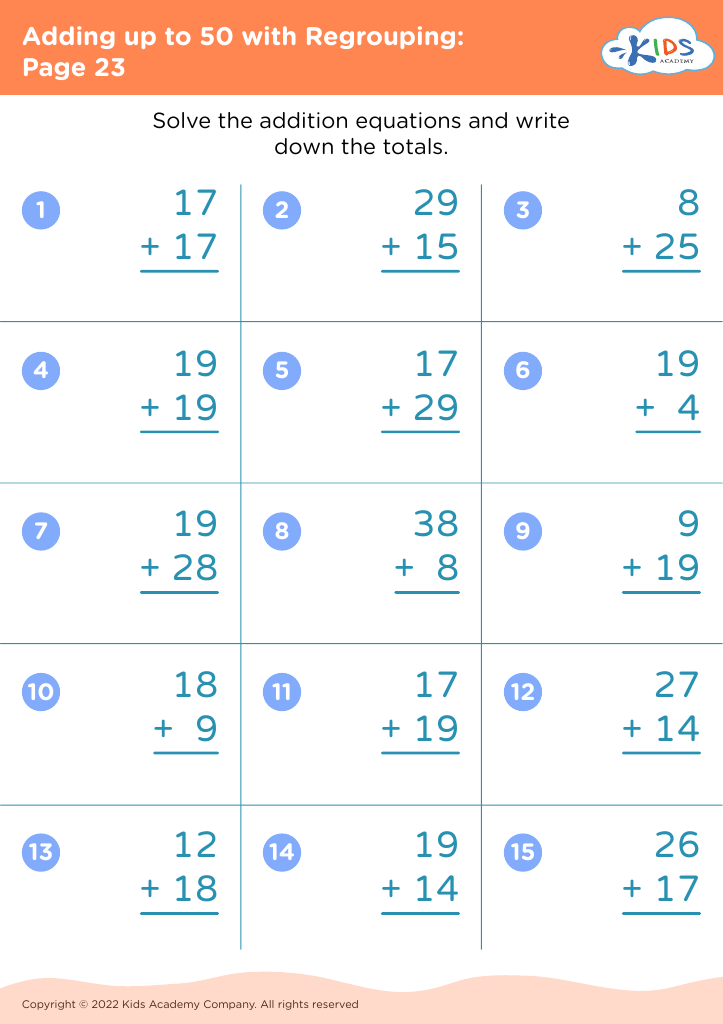
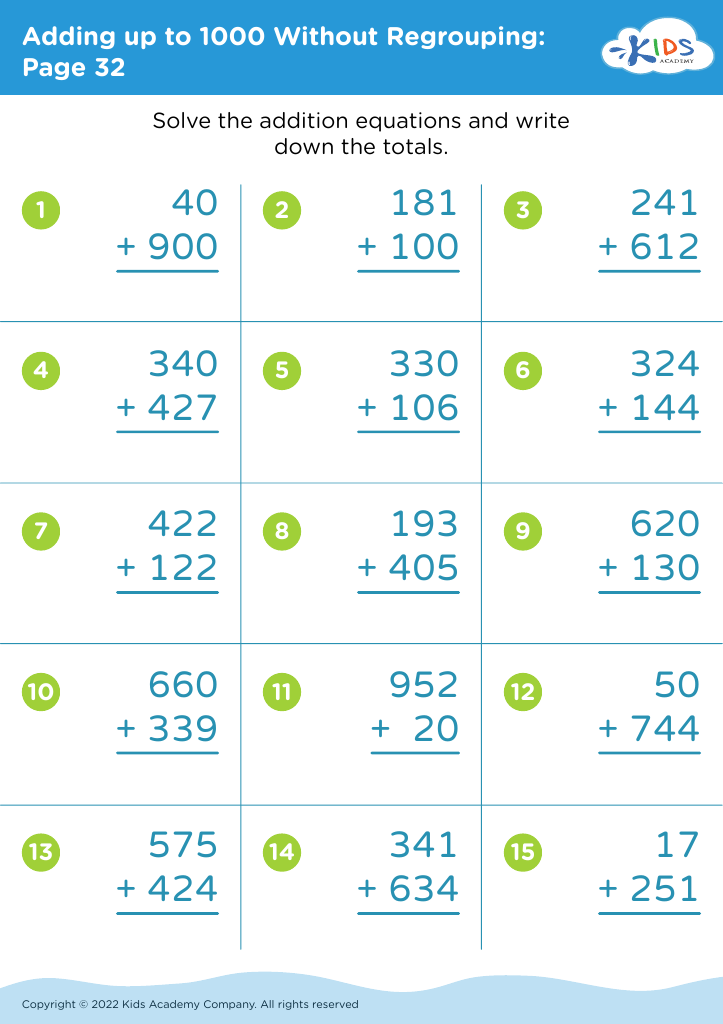
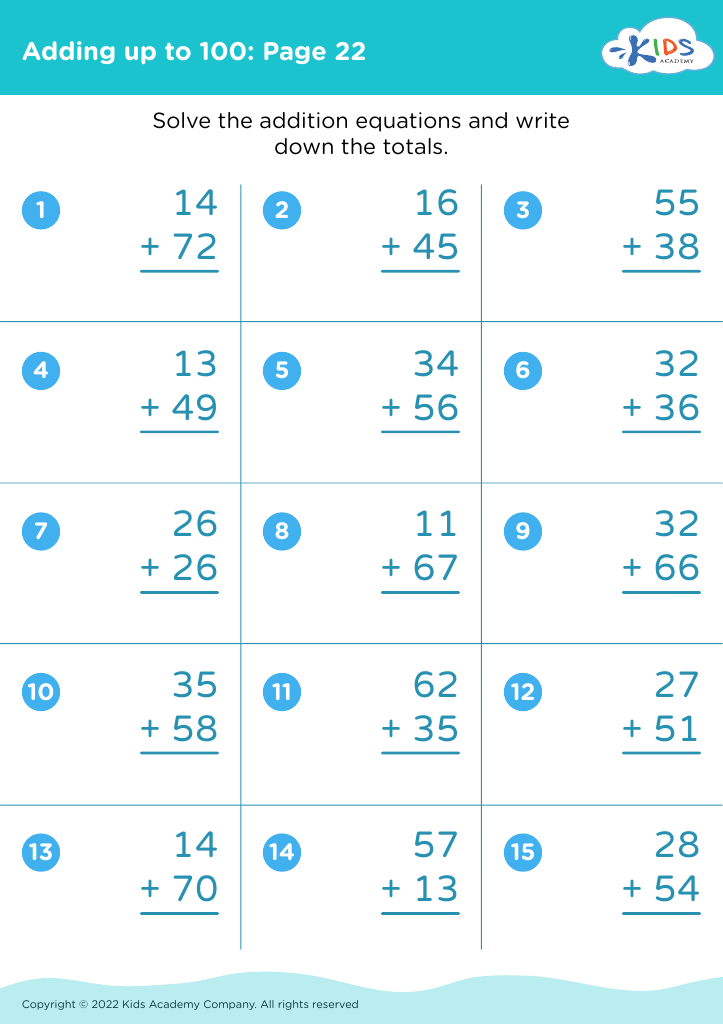
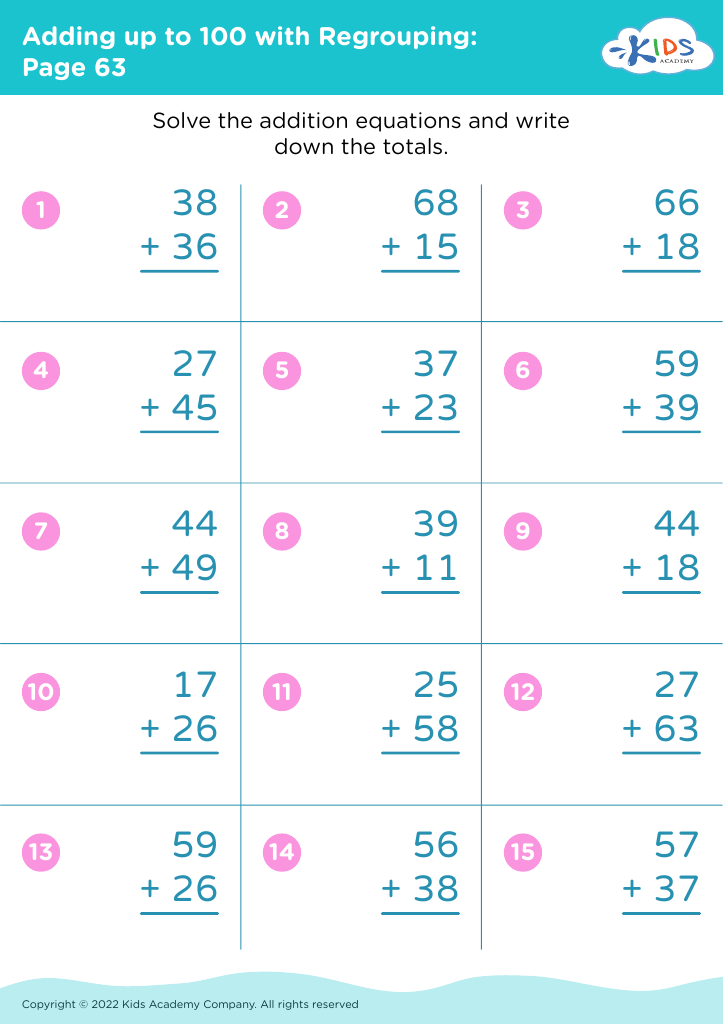
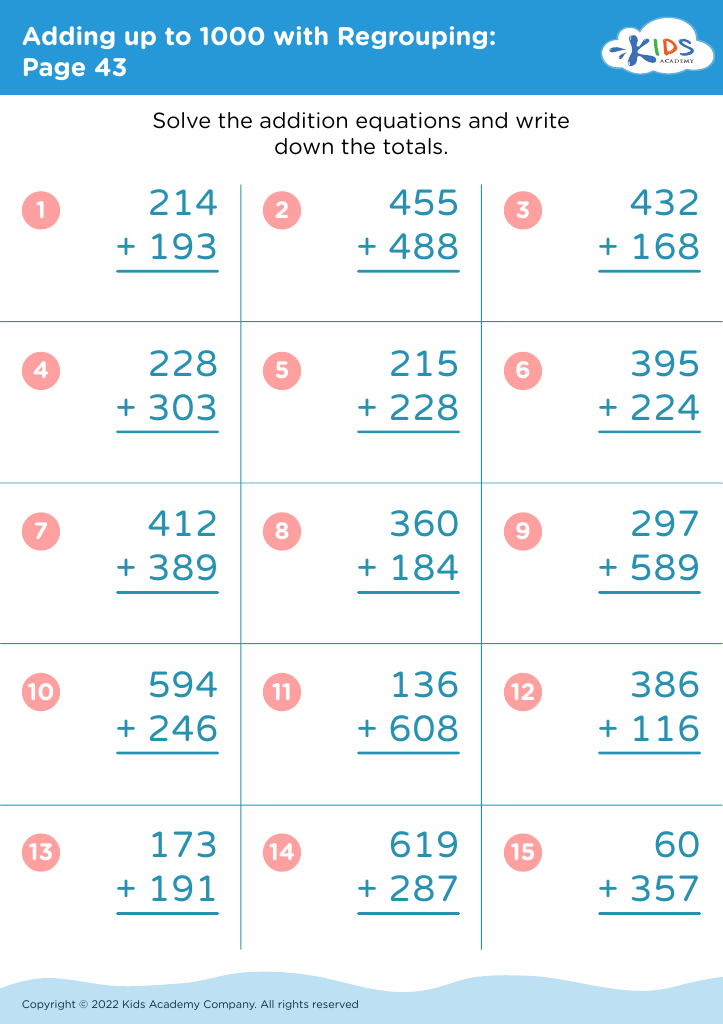
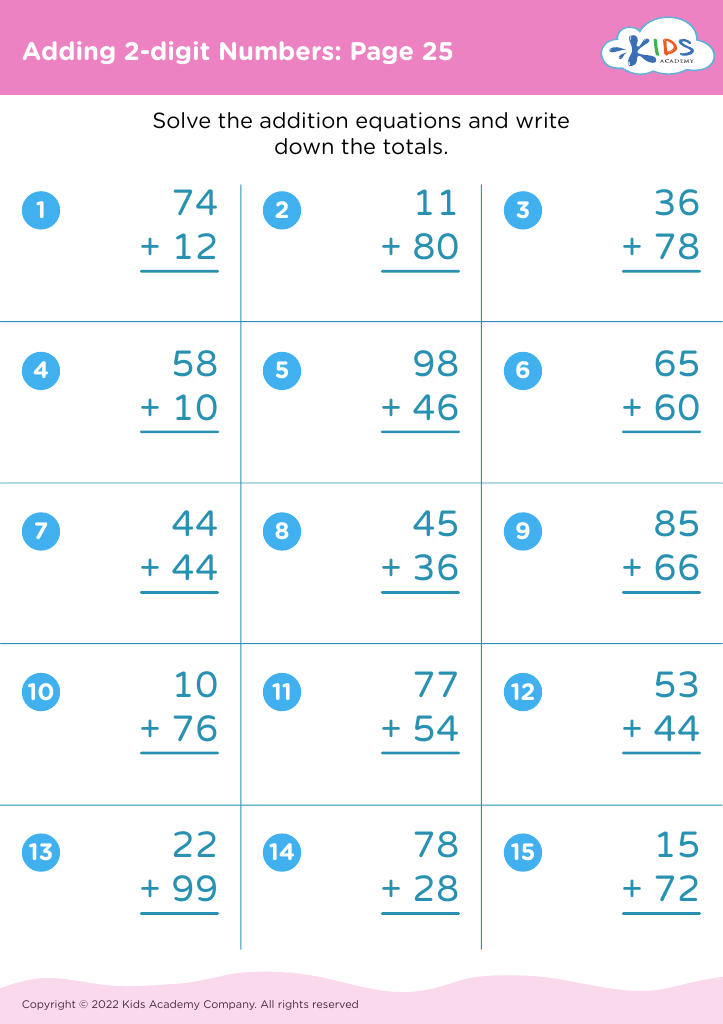
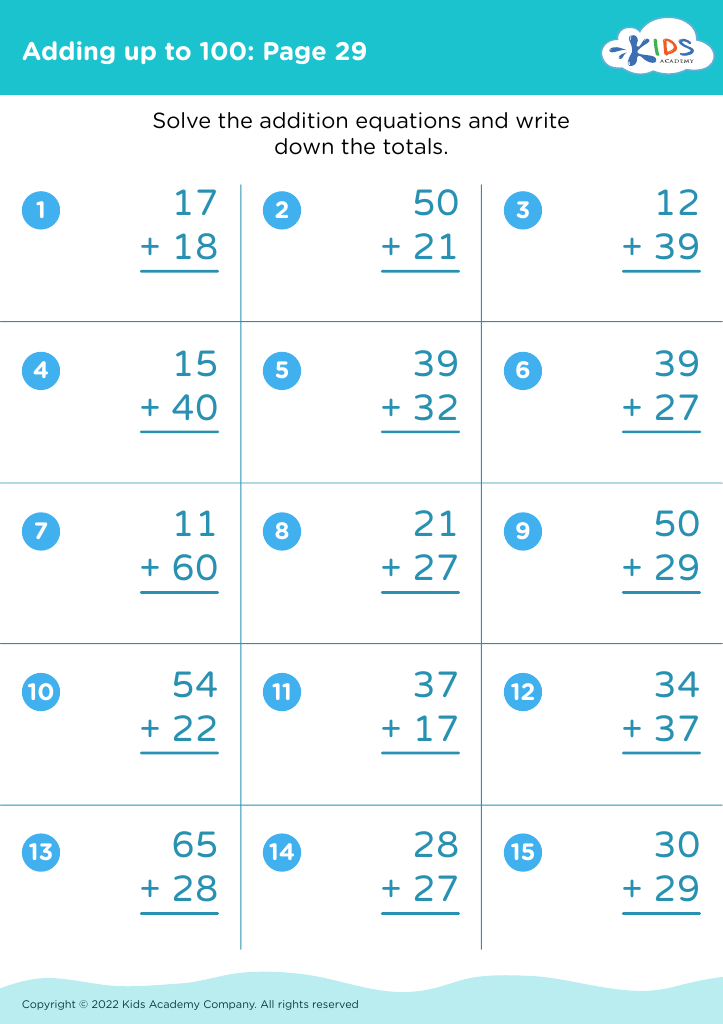
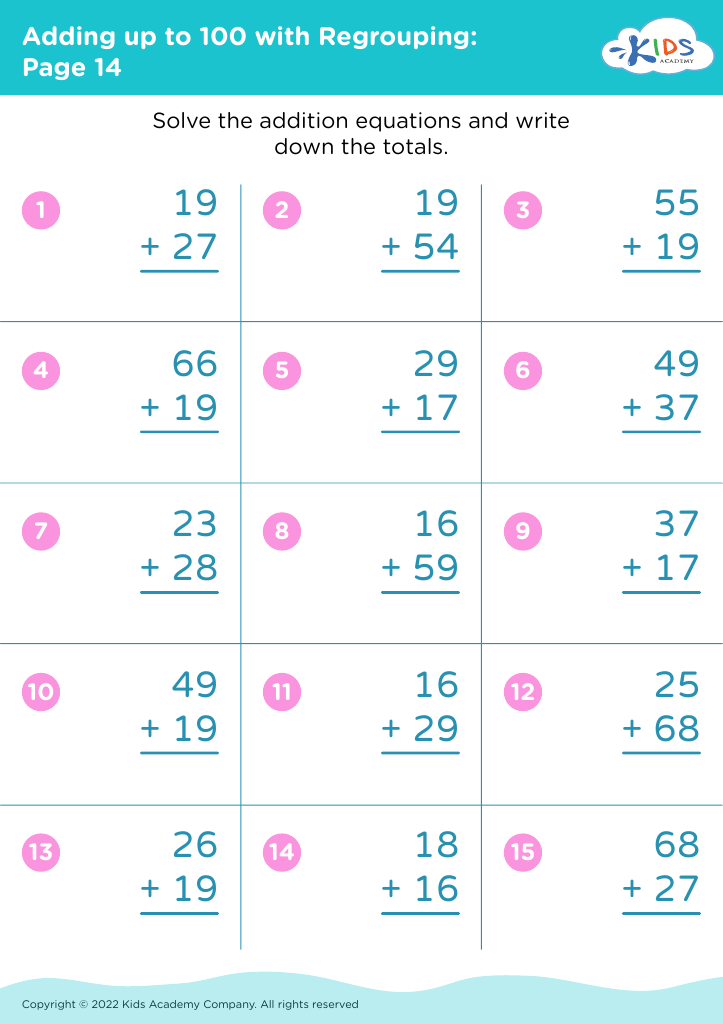
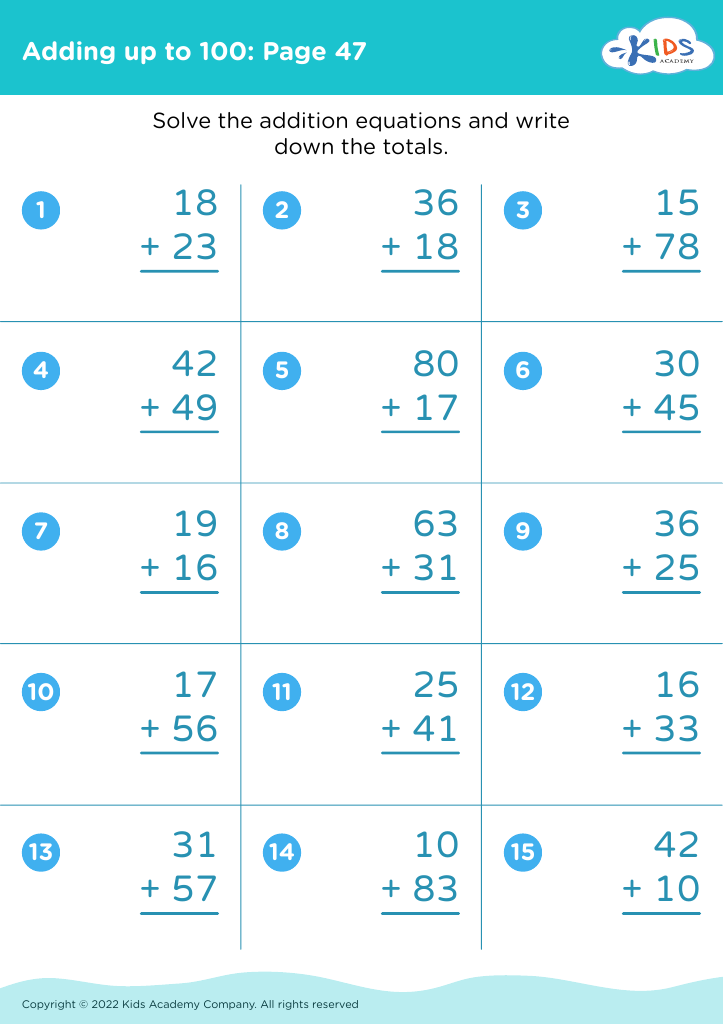
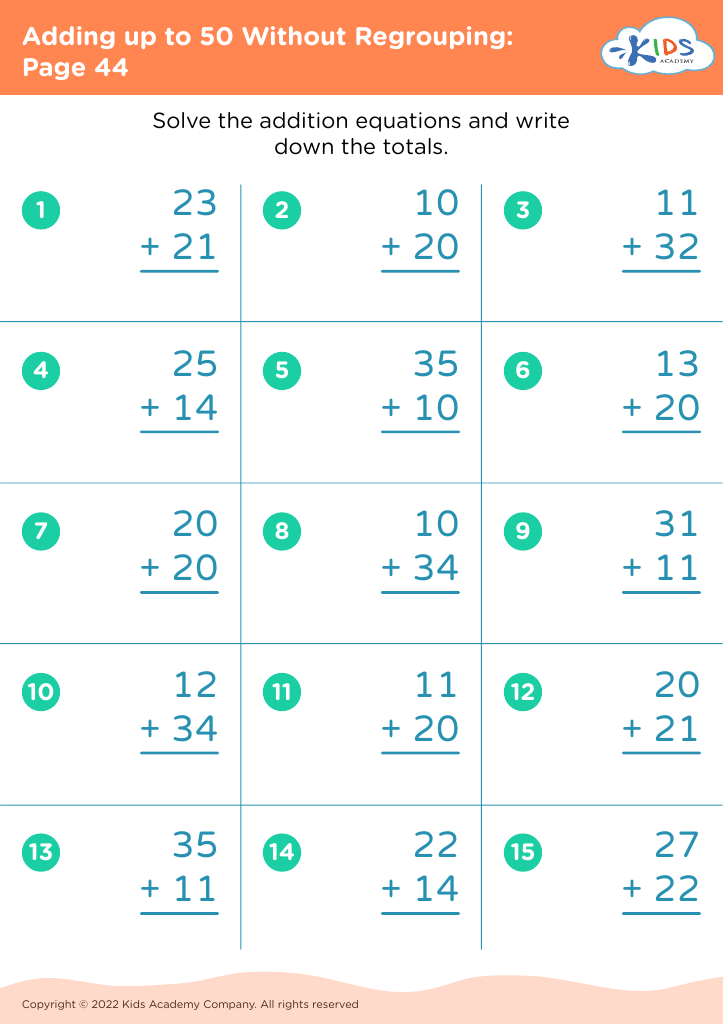
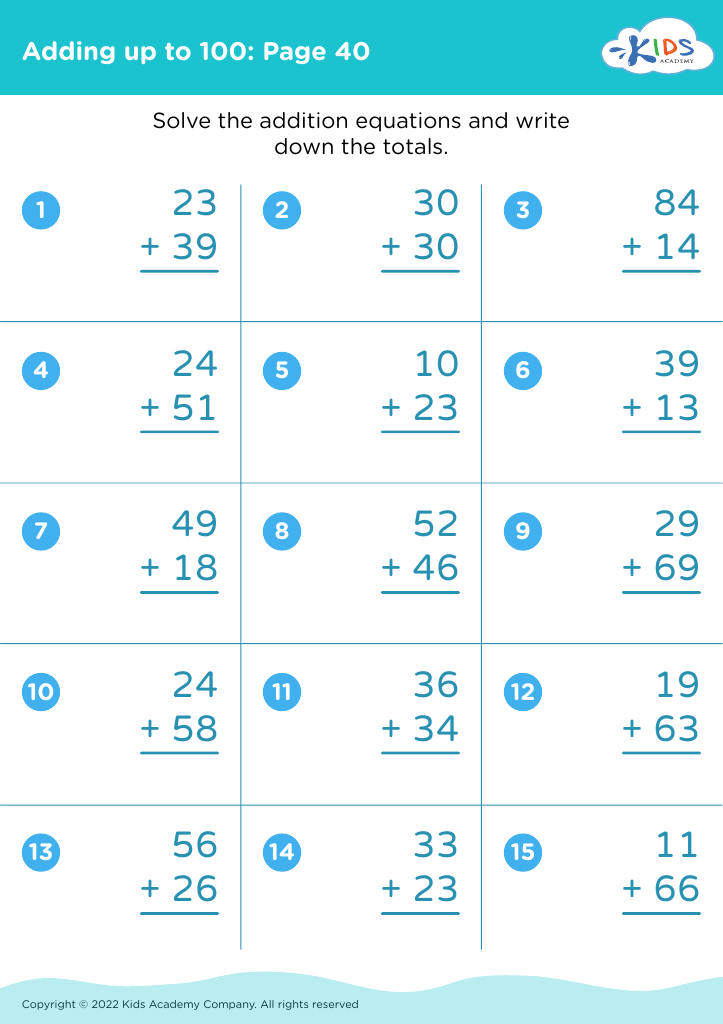
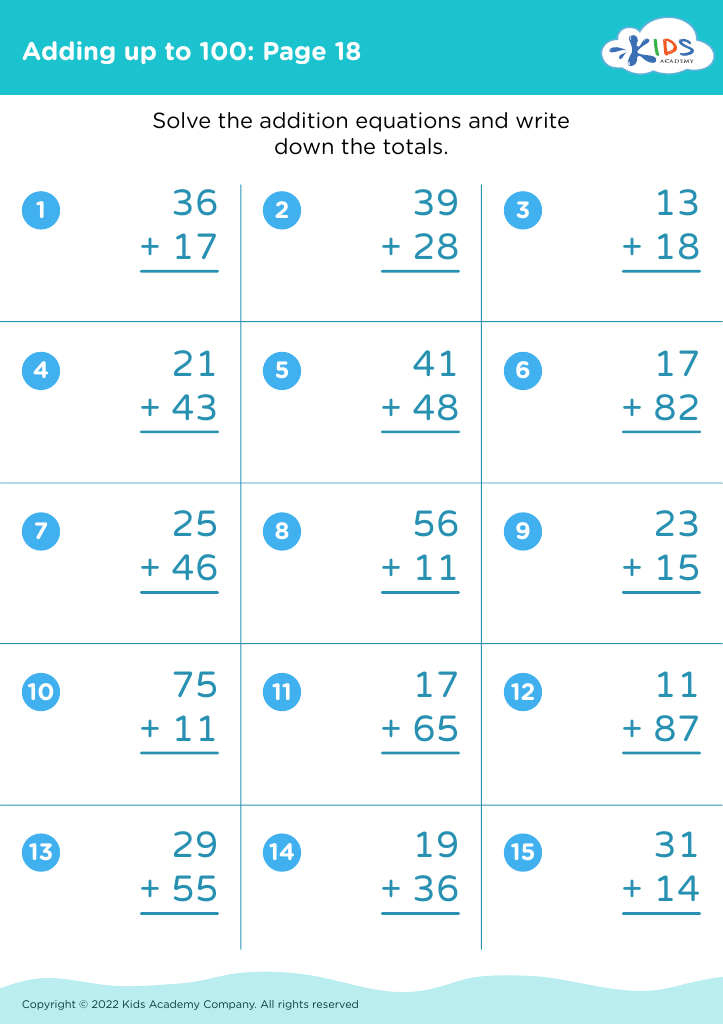
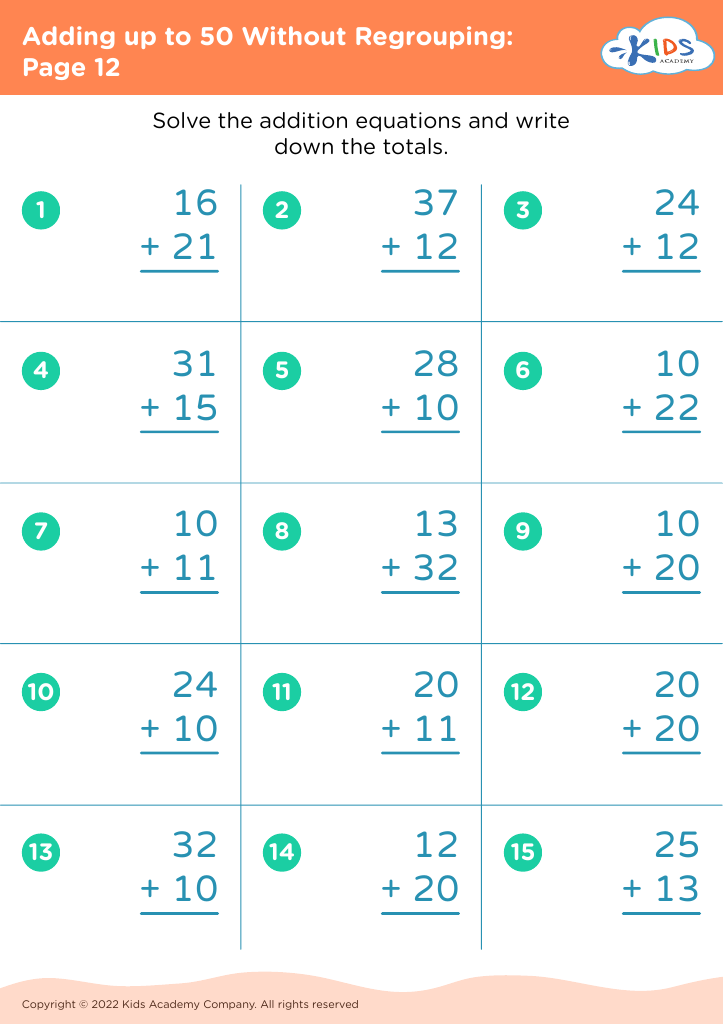
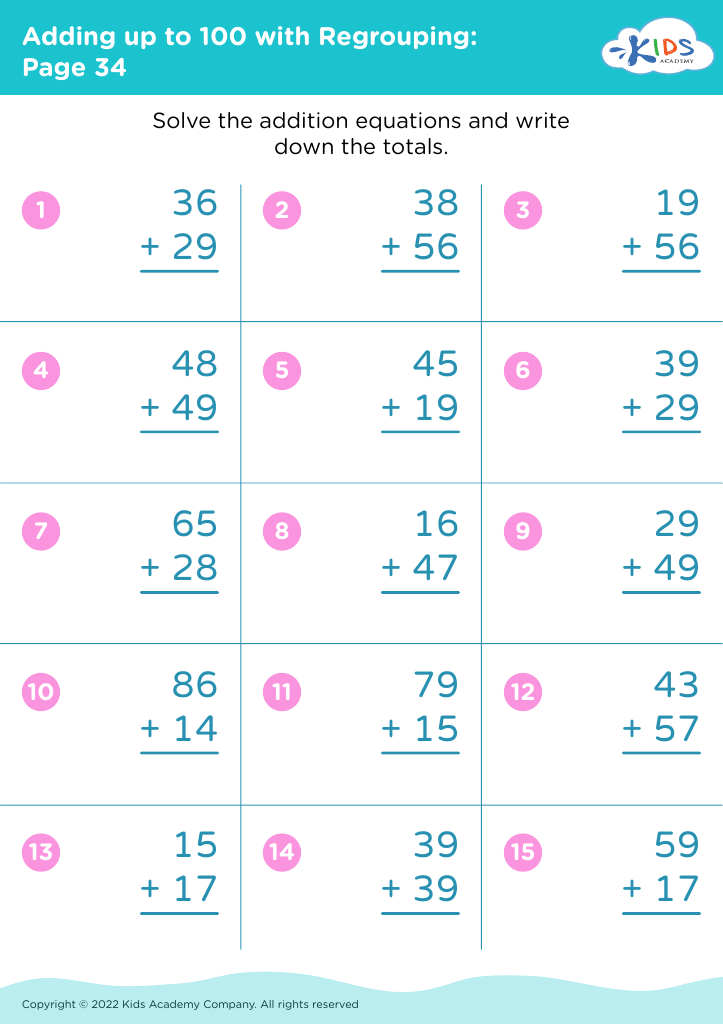
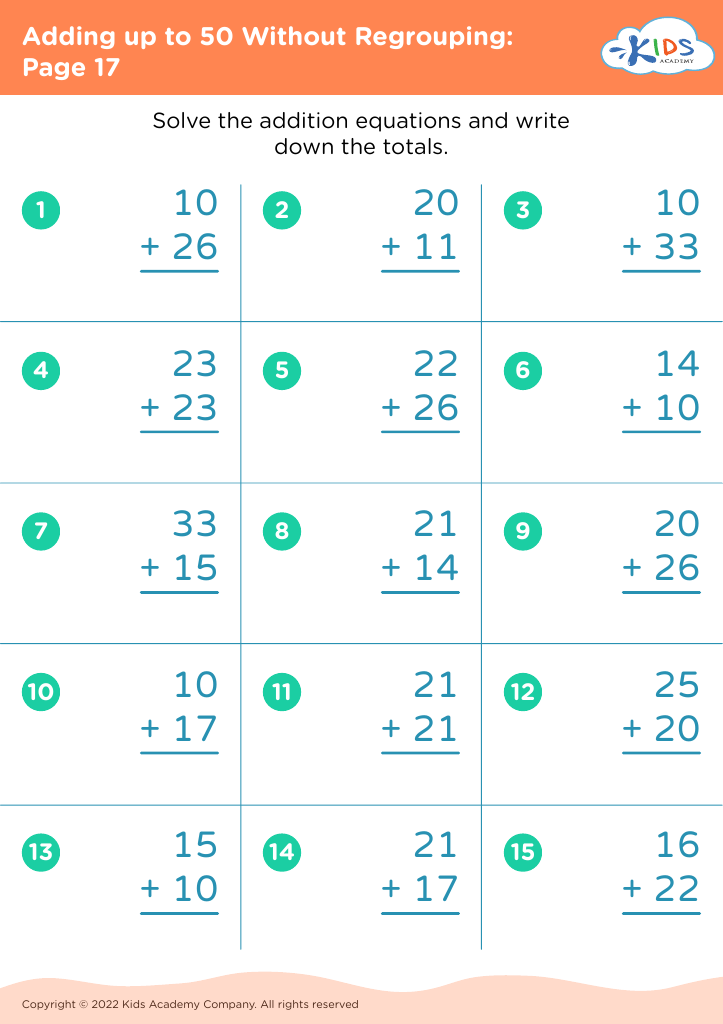
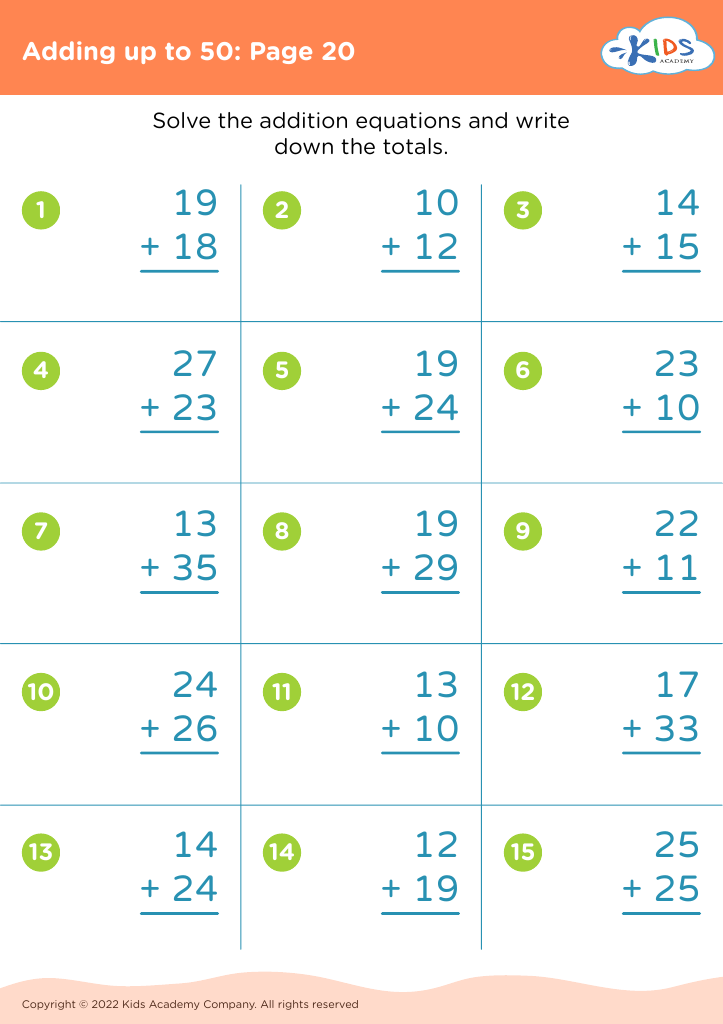
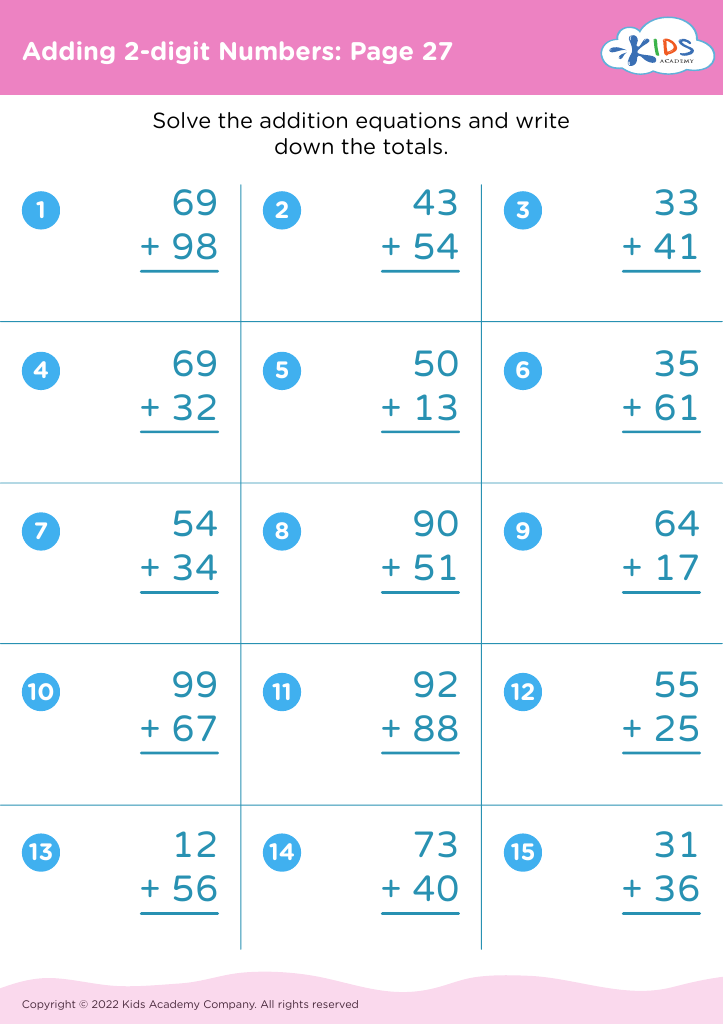








Enhancing number recognition in Grade 2 is crucial for several reasons, particularly when it comes to addition and subtraction skills. For parents and teachers, fostering this ability can profoundly impact a child's mathematical development and overall academic success. When children recognize numbers confidently, they can better grasp basic arithmetic concepts, setting a solid foundation for more complex mathematical operations they will encounter in higher grades.
Firstly, strong number recognition allows children to easily identify and understand the values of numbers, which is essential for performing addition and subtraction accurately. Without this skill, children may struggle to follow problem-solving procedures or make frequent errors, which can lead to frustration and a lack of confidence in their math abilities.
Secondly, enhancing number recognition supports better number sense, enabling children to see patterns, understand relationships between numbers, and develop mental math strategies. These skills are vital for real-life applications, such as making quick calculations in their daily activities or understanding time and measurements.
Lastly, early success in math fosters a positive attitude towards the subject. When children achieve mastery in basic addition and subtraction, they build a confidence that encourages a lifelong interest and proficiency in mathematics. Therefore, parents and teachers should invest time and resources in strengthening number recognition as a stepping stone to broader academic achievement and practical life skills.